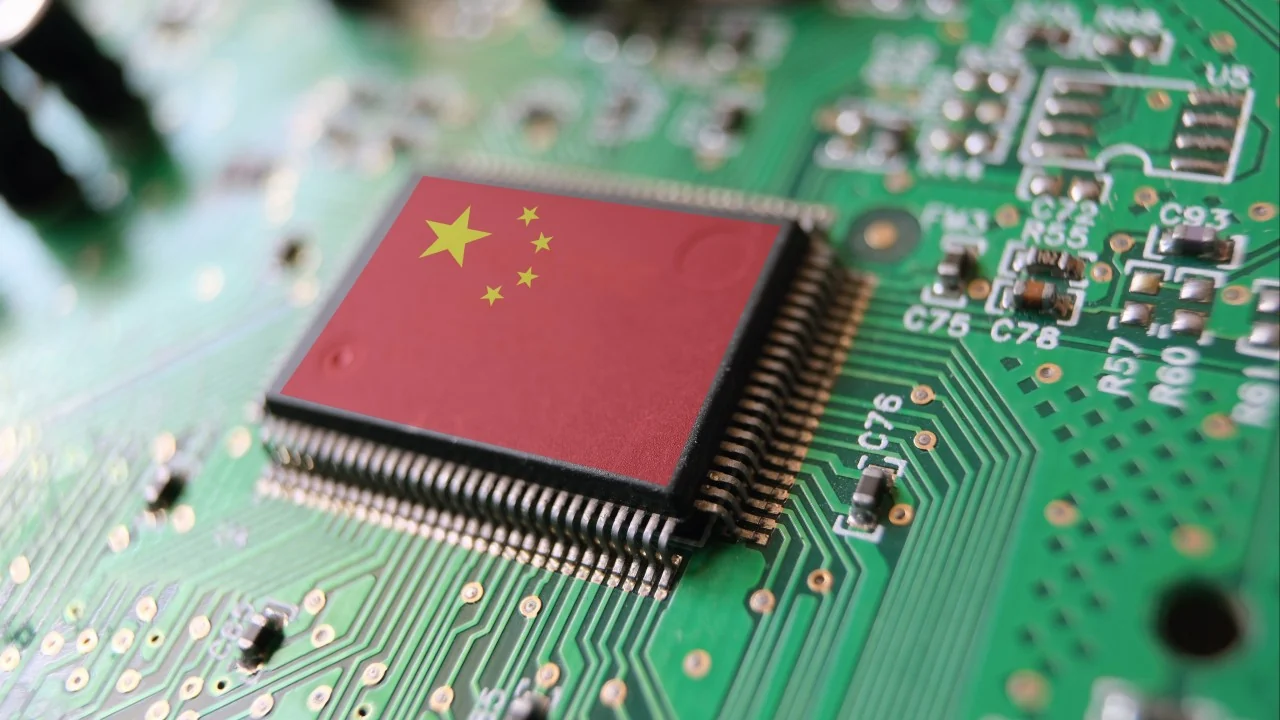
欧洲工业界对欧盟计划强制企业将供应链从中国多元化感到不满,因为该集团正准备在今年晚些时候推出一揽子新的“去风险”措施。
European industry has bristled at EU plans to force businesses to diversify their supply chains away from China, as the bloc gears up for a new package of de-risking measures later this year.
12月,欧盟委员力将推出三项新工具,其中没有一项会点名中国,但总体目标是减少对北京的依赖,并让欧盟在贸易战情境下能够反击。
In December, the European Commission will present a trio of new instruments, none of which will name China, but the overall aim is to wind down dependencies on Beijing and allow the EU to punch back in a trade war scenario.
其中一项工具——“多元化欧盟”计划——可能强制关键行业的企业扩大供应商基础,可能通过关税手段,或通过授予公共合同和补贴的准入来激励。
One tool – DiversifyEU – could compel businesses in key sectors to expand their supplier base, potentially through the use of tariffs or by incentivising via access to public contracts and subsidies.
第二项工具——团结机制——将提供一笔补偿资金池,用于补偿在贸易争端中遭受报复的企业。第三项将是快速反应触发机制,用于向从事主动扭曲或胁迫行为的国家关闭欧盟市场。
A second instrument – a solidarity mechanism – will provide a pool of compensation for businesses subject to retaliation in a trade dispute. The third will be a rapid response trigger to close the EU market to countries engaged in active distortion or coercion.
但大量商业团体和知名个别企业已对这些计划提出反对,指责布鲁塞尔监管越位,可能推高成本,并迫使它们做出无法实现的决定。
But a plethora of business groups and big name individual companies have pushed back against the plans, accusing Brussels of regulatory overreach, potentially driving up costs and forcing them into impossible decisions.
欧洲汽车制造商协会(ACEA)在向欧盟委员会就“多元化欧盟”计划征求证据的提交材料中表示:“对于稀土、磁体、电池材料、显示器和某些半导体,几乎没有或完全没有替代供应基础,欧洲也缺乏提供此类基础的生态系统。”
“For rare earths, magnets, battery materials, displays and some semiconductors, there is little or no alternative supply base, and Europe lacks the ecosystem to provide one,” said the European Automobile Manufacturers’ Association (ACEA) in a submission to the commission’s request for evidence for DiversifyEU.
ACEA写道:“目标应当切合实际:欧洲无法匹敌中国的成本,也无法完全摆脱对中国的依赖,也不需要这样做……多元化在替代方案具有商业可行性和资质合格的情况下才会成功;在尚不存在供应基础的情况下强制推行多元化则不会成功。”
“The objective should be realistic: Europe will not match Chinese costs or become fully independent of China, nor does it need to … diversification succeeds where alternatives are commercially viable and qualified; it does not where it is mandated against a supply base that does not yet exist,” the ACEA wrote.
德国工业联合会——该组织总体上支持欧盟对华采取更强硬的政策——表示,它“持怀疑态度”看待该计划。
The Federation of German Industries – which has generally supported the EU’s tougher approach to China policy – said it viewed the plan “with scepticism”.
“虽然我们支持加强多元化和韧性的目标,但我们反对新的报告要求或具有约束力的强制规定。我们还认为,目前在此背景下正在讨论的关税,是促进多元化的不充分工具,”这个德国强势游说团体在反馈意见中写道。
“While we support the goal of strengthening diversification and resilience, we oppose new reporting requirements or binding mandates. We also consider tariffs, which are currently being discussed in this context, to be an inadequate tool for promoting diversification,” read the feedback from the powerful German lobby group.
欧盟委员会主席乌尔苏拉·冯德莱恩本月确认,“多元化欧盟”计划“将不针对特定国家,并帮助欧洲企业实现供应链多元化。原则很简单——不对单一供应商产生关键依赖”。据了解,这些计划将于12月9日公布。
European Commission President Ursula von der Leyen confirmed this month that DiversifyEU “will be country-agnostic, and help European companies diversify their supply chains. The principle is simple – no critical dependence on a single supplier”. It is understood that these plans will be presented on December 9.
在幕后,官员们更乐于承认,他们的主要担忧是中国。欧洲企业被认为在自愿拓宽供应商基础方面行动过慢,导致在官员担心容易被武器化的领域形成了深度依赖。现在,监管机构希望介入,迫使企业采取行动。
Behind the scenes, officials are happier to admit that their main concern is China. European companies are seen to have been too slow to voluntarily broaden their supplier base, leading to deep reliance in sectors that officials worry can be easily weaponised. Now, regulators want to step in to force their hands.
然而,这些反馈意见显示了他们将面临的挑战:在保护产业免受来自中国的市场扭曲影响的同时,不惩罚欧洲企业。许多作出回应的组织已经接受了对华采取更强硬方法的想法。
The feedback demonstrated, however, the challenges they will face in protecting industry from the market distortions coming from China without penalising European companies in the process. Many of the organisations that responded have come around to the idea of a more robust approach to China.
例如,德国汽车公司最近对对中国竞争对手使用关税和配额表示了有条件的支持,但官方行业协会在提交的意见中警告称,“多元化不得成为自主、保护主义或经济孤立的同义词”。
German car companies, for example, have recently lent qualified support to the use of tariffs and quotas against Chinese rivals, but a submission from the official industry association warned that “diversification must not become synonymous with autonomy, protectionism or economic isolation”.
数十份提交意见支持拓宽供应商基础的总体目标,但对其可行性存在普遍怀疑。
Dozens of submissions offered support to the overall goal of broadening supplier bases, but there was widespread doubt as to the feasibility.
“大欧洲无法通过监管让替代供应凭空出现,‘多元化欧盟’应首先专注于创造合格、可扩展且具有竞争力的替代方案,并据此安排任何限制性或强制性措施的顺序,”大众汽车旗下子公司Traton集团表示。
“As Europe cannot regulate alternative supply into existence, DiversifyEU should focus first on creating qualified, scalable and competitive alternatives, and sequence any restrictive or mandatory measures accordingly,” said Traton Group, a subsidiary of German car giant Volkswagen.
芬兰电信公司诺基亚警告称:“在替代来源尚不存在的情况下实施贸易限制、零部件禁令或由关税驱动的成本增加,只会惩罚值得信赖的供应商,并推高关键数字基础设施的成本。”
Finnish telecoms company Nokia warned that “imposing trade restrictions, component bans, or tariff-driven cost increases before alternative sources exist merely penalises trusted vendors and inflates costs for critical digital infrastructure”.
代表欧洲技术产业的布鲁塞尔团体Orgalim表示:“在未对可行替代方案进行事先评估和/或提供足够过渡期的情况下引入采购义务,极有可能适得其反。”
Orgalim, a Brussels group representing the European technology industry, said that “sourcing obligations introduced without a prior assessment of viable alternatives and/or adequate transition periods will most likely backfire”.
该团体指出:“寻找合适的替代供应商并不总能降低深层依赖”,因为替代供应商也可能依赖原供应国的供给。
The group noted that “identifying suitable alternative suppliers does not always reduce underlying dependencies” since the alternatives may also be reliant on supplies from the original supplier country.
与此同时,德国工商会针对为未来可能遭受中国报复打击的企业设立团结基金的计划警告称:“一揽子补偿基金可能产生错误激励,不应取代企业自身的风险预备。”
Referring to the plans to create a solidarity fund for companies caught in the crossfire of future Chinese retaliation, meanwhile, the German Chamber of Commerce warned that “a blanket compensation fund can create false incentives and should not replace companies’ own risk provisioning”.
在数百份提交的意见中,有数十份提出了该立法可能增加欧洲工业成本的潜在风险,而欧洲工业已在努力与更廉价的中国进口产品竞争。
Across hundreds of submissions, dozens raised the potential of the legislation to increase costs for European industry at a time when it is already struggling to compete with cheaper Chinese imports.
家具零售巨头宜家警告称:“成本上升和供应可靠性下降,使我们更难让产品系列保持亲民价格和充足供应,惠及大众。”
Furniture retail giant Ikea warned that “higher costs and less reliable supply make it harder to keep our range affordable and available for the many people”.
这家瑞典企业写道:“对宜家而言,加快多元化的障碍不是缺乏价格信号。供应风险已纳入我们的采购决策,这也是我们在多个地区建立供应商网络的原因。限制步伐的是,按所需规模、质量和成本开发替代供应商需要时间和投资。”
“For Ikea, the obstacle to faster diversification is not a lack of price signals. Supply risk is already part of our sourcing decisions, which is why we build supplier networks across multiple geographies. What limits the pace is the time and investment needed to develop alternative suppliers at the required scale, quality and cost,” the Swedish firm wrote.
德国电信塔运营商Vantage Towers表示:“采购要求的突然变更可能产生巨大的替换成本和部署延误,却无法立即创造替代供应选择。”
German telecoms tower operator Vantage Towers said “abrupt changes in sourcing requirements can generate significant replacement costs and deployment delays without immediately creating alternative supply options”.
尽管如此,支持这些措施的政治力量正在汇聚。在本月于布鲁塞尔举行的欧洲理事会峰会上,冯德莱恩阐述了她的地缘经济计划,欧盟27个成员国均未提出反对。
Nonetheless, political support behind the measures is gathering. At this month’s European Council summit in Brussels there was no pushback from the bloc’s 27 member states as von der Leyen laid out her plans for the geoeconomic package.
尽管许多同样的首都支持通过削减繁文缛节和大幅减少报告要求来增强欧盟工业。例如,在企业抱怨之后,供应链审计和防止森林砍伐相关的规则已被大幅削弱。
This is despite many of those same capitals supporting a drive to bolster EU industry through cutting red tape and slashing reporting requirements. For example, rules around supply chain auditing and deforestation have been gutted following corporate complaints.