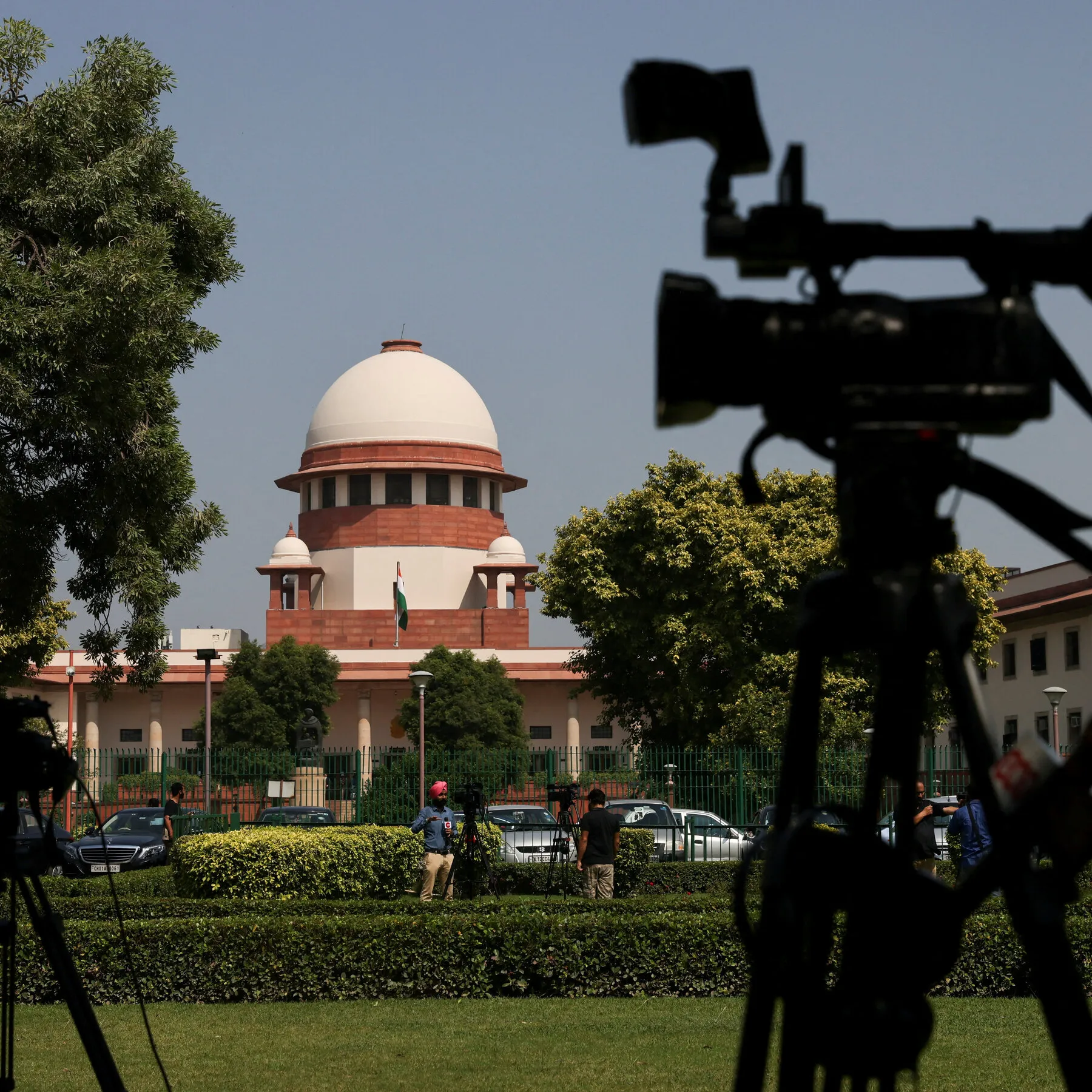
印度媒体巨头加入反对莫迪隐私法的斗争。两家分别由与印度总理纳伦德拉·莫迪关系密切的亿万富翁所拥有的新闻机构表示,该立法可能会使调查性报道几乎无法进行。
India’s Media Giants Join Fight Against Modi’s Privacy Law News organizations owned by two billionaires close to Prime Minister Narendra Modi say the legislation could make investigative reporting nearly impossible.
一个代表印度21家老牌新闻机构的协会已要求印度最高法院废除一项新隐私法的条款,并警告称该法将瘫痪调查性新闻并迫使新闻机构关闭。
An association representing 21 of India’s established news organizations has asked the country’s Supreme Court to strike down provisions of a new privacy law, warning that it would cripple investigative journalism and force newsrooms to close.
这一法律挑战将印度一些最具权势的媒体机构卷入了一场此前主要由言论自由活动人士和小型独立新闻媒体领导的法律战中。
The challenge brings some of India’s most powerful media organizations into a legal battle that had until now been led largely by free-speech activists and smaller independent news outlets.
该媒体联盟包括Network18和NDTV,分别由亿万富翁穆克什·安巴尼和高塔姆·阿达尼所有。批评人士将这两家媒体贬称为“Godi媒体”,这是一个贬义词,用来形容那些被认为对印度总理纳伦德拉·莫迪过于顺从的新闻媒体。
The media coalition includes Network18 and NDTV, owned by the billionaires Mukesh Ambani and Gautam Adani, respectively. Critics have derided both as “Godi media,” a pejorative term for news outlets perceived as overly deferential to Prime Minister Narendra Modi.
它们的参与为这场争端增添了新的维度。这场曾经由经常与政府意见相左的记者们推动的挑战,如今得到了由印度两名最具权势的商人所控制的媒体公司的支持,而人们认为这两位商人与莫迪先生关系密切,这长期以来一直引发人们对他们旗下新闻机构独立性的质疑。
Their involvement adds a new dimension to the dispute. A challenge once driven by journalists who have often found themselves at odds with the government now has the backing of media companies controlled by two of India’s most powerful businessmen, whose perceived proximity to Mr. Modi has long raised questions about the independence of their news outlets.
在周二的一场听证会上,数字新闻出版商协会的律师表示,该法律将使记者几乎无法开展工作,并称其为“完全的预先审查制度”。出版商们辩称,定于2027年5月生效的隐私法将新闻机构视为普通商业企业,要求记者在对个人进行报道之前必须获得这些个人的明确许可。
At a hearing on Tuesday, lawyers for the Digital News Publishers Association said the law would make it nearly impossible for journalists to do their jobs, and called it a “complete regime of pre-censorship.”The publishers argue that the privacy law, set to take effect in May 2027, treats news organizations like ordinary commercial businesses, requiring journalists to obtain explicit permission from people before reporting on them.
这意味着可能需要向政界人士、企业高管和其他权势人物请求许可,以调查他们的活动。出版商表示,即使在报道发表后,涉事人员也可以撤回同意并要求将其删除。
That could mean asking politicians, business executives and other powerful figures for permission to investigate their activities. Even after a story is published, those involved could withdraw their consent and demand its removal, the publishers said.
代表该协会的律师马德维·迪万对法庭表示:“如果我必须请求许可和同意,那还有什么意义?”该法律“正在改变新闻的整个概念。”自从莫迪先生于2014年上台以来,对印度新闻自由的担忧一直在加剧,这主要是由于对记者的法律和监管压力、人身攻击、网络骚扰以及对独立报道的限制日益增多所致。
“What is the point if I have to ask for permission and for consent?”Madhavi Divan, a lawyer representing the association, told the court. The law “is changing the whole concept of what is news.”Since Mr. Modi came to power in 2014, concerns about press freedom in India have intensified, fueled by legal and regulatory pressure on journalists, physical attacks, online harassment and growing restrictions on independent reporting.
该隐私立法于2018年首次起草,旨在填补印度个人数据保护方面的一个重大空白。杰出的隐私律师托马斯·瓦利亚内斯表示,以往分散在过时的信息技术规则中的保护措施十分有限且“极其陈旧”。
First drafted in 2018, the privacy legislation was meant to fill a major gap in India’s personal data protections. Previous safeguards, scattered across outdated information technology rules, were limited and “super dated,” said Thomas Vallianeth, a prominent privacy lawyer.
新法律建立了一个全面的框架,管理机构如何收集、存储和使用个人数据,对社交媒体巨头Meta和谷歌以及亚马逊等电商网站等公司提出了更严格的要求。政府尚未透露新法律将影响哪些公司。
The new law established a comprehensive framework governing how organizations collect, store and use personal data, imposing stricter requirements on companies like social media giants Meta and Google as well as e-commerce sites like Amazon. The government has not disclosed which companies the new law would affect.
但法律专家表示,广泛且措辞含糊的豁免权赋予了政府及其机构相当大的自由裁量权,使其能够在该法律的保护范围之外行事。
But legal experts say broad, vaguely worded exemptions give the government and its agencies considerable leeway to operate outside the law’s protections.
截至2022年的各个版本都明确豁免了新闻采编活动。但最终的法律并未包含这些保护措施。
Versions through 2022 explicitly exempted news-gathering activities. But the final law did not include those protections.
迪万女士说:“这项法案根本不是为新闻业准备的。如果我们必须请求许可,新闻机构将会倒闭。”审理此案的三位法官之一、首席大法官苏里亚·康特质疑法院如何保护此类豁免不被滥用。
“This act was not meant for journalism at all,” Ms. Divan said. “If we have to ask for permission, newsrooms will shut down.”Chief Justice Surya Kant, one of the three judges hearing the case, questioned how the court could protect such exemptions from misuse.
他问:“你们将如何确保没有滥用行为?”并表示法院必须在“无辜公民”的权利与新闻媒体的权利之间取得平衡。
“How will you ensure there is no misuse?” he asked, saying the court must balance the rights of “innocent citizens” against those of the news media.
迪万女士回应称,记者已经面临法律和监管的限制。她说:“如果有任何错误、不当或不准确之处,我们要承担后果。”
Ms. Divan responded that journalists already face legal and regulatory limits. “We face the consequences if there is something wrong or incorrect or inaccurate,” she said.
此次法律挑战还由新德里的独立记者尤克塔·穆德加尔发起,她表示自己依赖公共记录以及通过印度的知情权系统获取的信息。她在诉状中警告称,该法律“对其报道能力构成了真实且迫切的威胁”。《纽约时报》审阅了该媒体集团长达724页的陈述书,其中提出了超越同意要求的担忧。
The challenge has also been brought by Yukta Mudgal, an independent journalist based in New Delhi who said she relies on public records and information obtained through India’s right-to-information system. In her petition, she warned that the law “poses a real and imminent threat to her ability to report.”The media group’s 724-page submission, reviewed by The New York Times, raises concerns beyond the consent requirement.
陈述书认为,该法律赋予了政府要求新闻机构提供原始数据的权力,这可能会暴露保密信源和吹哨人。陈述书还表示,公共记录规则的修改可能会让政府机构以隐私为由隐瞒信息,从而破坏揭露腐败和不当行为的关键工具。
It argues that the law gives the government power to demand raw data from newsrooms, potentially exposing confidential sources and whistleblowers. It also said changes to public records rules could let government agencies withhold information on privacy grounds, undermining a crucial tool for exposing corruption and wrongdoing.
在无国界记者组织的《世界新闻自由指数》中,印度在180个国家中排名第157位。
India ranks 157 out of 180 countries in Reporters Without Borders' World Press Freedom Index.
今年,新闻内容从社交媒体上被删除的频率也有所增加,一项最新的规则修改给予网络平台仅三个小时的时间来执行某些下架命令。
Journalistic content has also been removed from social media more often this year, and a recent rule change gives online platforms just three hours to comply with certain takedown orders.
与此同时,媒体所有权高度集中在与政府关系密切的商业大亨手中,这也加剧了人们对编辑独立性的担忧。一个突出的例子是阿达尼先生在2022年收购了NDTV,这是一个长期以来以审视莫迪政府而闻名的电视网络。
At the same time, media ownership concentrated in the hands of business tycoons with close ties to the government has fueled concerns about editorial independence. One prominent example was Mr. Adani’s 2022 takeover of NDTV, a television network long known for scrutinizing the Modi administration.
周一,一家印度法院下令删除由Hotmail联合创始人萨比尔·巴蒂亚发布的一部名为《友谊档案》的36分钟电影,该片指责莫迪先生偏袒阿达尼先生。此前,阿达尼企业提起了诽谤诉讼。法院还指示YouTube、X和Instagram删除几篇关于该电影的帖子。
On Monday, an Indian court ordered the removal of “The Friendship Files,” a 36-minute film posted by Sabeer Bhatia, a co-founder of Hotmail, that accused Mr. Modi of favoring Mr. Adani. The order followed a defamation lawsuit by Adani Enterprises. The court also directed YouTube, X and Instagram to remove several posts about the film.