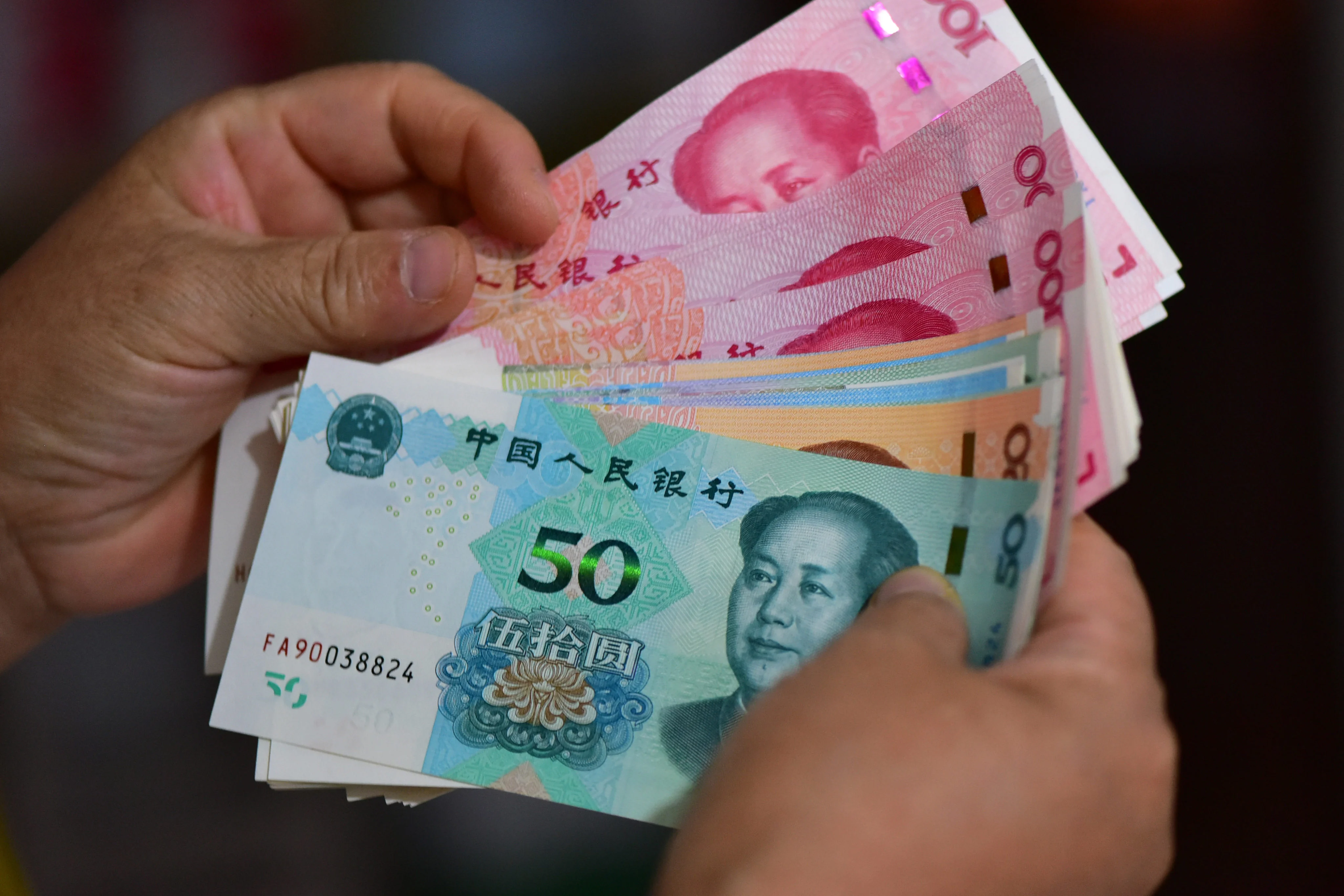
随着欧洲高级财政官员预计将与中国同行会面以推动人民币走强,分析人士表示,北京方面依然对重蹈日本在1985年《广场协议》之后的覆辙保持警惕,并很可能会拒绝外部政治强加的汇率目标。
With top European finance officials expected to meet their Chinese counterparts to push for a stronger yuan, analysts say Beijing remains wary of repeating Japan’s experience after the 1985 Plaza Accord and is likely to reject politically imposed exchange-rate targets.
他们补充说,尽管西方针对中国庞大贸易顺差的协调压力以及对人民币升值的呼吁可能会加剧,但北京可能会容忍渐进的、由市场驱动的涨幅,同时会划出明确底线以保护其货币自主权。
While coordinated Western pressure over China’s large trade surplus and calls for yuan appreciation could intensify, Beijing would probably tolerate gradual, market-driven gains while drawing a firm line to protect its monetary autonomy, they added.
Trivium China宏观经济与政策分析师张大(音)表示,北京并不反对人民币“有序升值”,这可以提高其购买力并支持经济再平衡,但会“坚决拒绝在外部压力下作出任何此类承诺”。
David Zhang, a macroeconomics and policy analyst at Trivium China, said Beijing was not opposed to an “orderly appreciation” of the yuan, which could boost its purchasing power and support economic rebalancing, but would “firmly reject any commitment to do so under external pressure”.
消息人士此前告诉《南华早报》,欧洲中央银行、欧元集团和欧洲委员会的高级官员计划于未来几个月在北京会见中国央行行长和财政部长,以说服北京停止压低人民币汇率。
Top officials from the European Central Bank, Eurogroup and the European Commission are planning to meet China’s central bank governor and finance minister in Beijing in the coming months to persuade Beijing to stop holding down the yuan, sources previously told the South China Morning Post.

张大表示:“《广场协议》的一个教训是,货币政策决不能被政治驱动的汇率目标所绑架,这会加剧国内经济失衡。”
“One lesson from the Plaza Accord is that monetary policy must not be held hostage to politically driven exchange-rate targets, which can exacerbate domestic economic imbalances,” Zhang said.
1985年签署的该协议促使五个主要经济体同意削弱美元,引发了日元的大幅升值,从而损害了日本的出口竞争力并放缓了经济增长。
The accord, signed in 1985, saw five major economies agree to weaken the US dollar, triggering a sharp appreciation of the Japanese yen that hurt Japan’s export competitiveness and slowed economic growth.
张大补充说:“鉴于国内需求疲软,北京显然不愿意让人民币升值过快,因为这会挤压出口商的利润空间并危及就业。”
“Given weak domestic demand, Beijing is clearly reluctant to allow the yuan to appreciate too quickly, as this would squeeze exporters’ profit margins and put jobs at risk,” Zhang added.
西方经济体,尤其是美国和欧盟,长期以来一直指责中国利用货币操纵来促进出口,北京方面已多次拒绝这一说法。
Western economies, particularly the United States and the European Union, have long accused China of using currency manipulation to boost its exports, a claim Beijing has repeatedly rejected.
美国财政部长斯科特·贝森特(Scott Bessent)呼吁二十国集团(G20)成员采取协调行动,就北京庞大的贸易顺差对其施加压力,这引发了外界对中国在12月迈阿密G20峰会上将面临更大外部压力的预期。
US Treasury Secretary Scott Bessent has called for coordinated action among Group of 20 members to put pressure on Beijing over its massive trade surplus, raising the prospect of greater external pressure on China at the G20’s summit in Miami in December.
本月,在中国和欧盟启动新一轮贸易谈判的同一天,中国人民银行发布了一份关于人民币汇率的立场文件,称中国无需通过贬值货币来获得竞争优势。
This month, on the same day China and the EU launched a new round of trade talks, the People’s Bank of China (PBOC) published a position paper on the yuan exchange rate, arguing that China had no need to gain a competitive edge by devaluing its currency.
复旦大学的邵宇表示:“(外部)压力肯定会继续加大……因为中国拥有如此庞大的制造能力。”自去年以来,人民币一直在稳步升值,离岸人民币兑美元汇率已突破6.7关口。
[External] pressure will certainly continue to mount ... because China has such abundant manufacturing capacityShao Yu, Fudan University The yuan has been appreciating steadily since last year, with the offshore yuan breaking through the 6.7 mark against the US dollar.
人民币的每日中间价——衡量中国人民银行政策立场的指标——自今年年初以来已升值逾4%。
The currency’s daily fixing rate – a gauge of the PBOC’s policy stance – has strengthened by more than 4 per cent since the start of the year.
复旦大学管理学院科创中心首席经济学家邵宇表示,尽管人民币近期稳步上涨,但升值幅度远未达到西方批评人士的要求,特别是考虑到购买力平价表明人民币兑美元存在严重低估。
Shao Yu, chief economist with the Sci-tech Innovation Centre at Fudan University’s school of management, said despite the yuan’s recent steady gains, the magnitude of appreciation remained far from that demanded by Western critics, especially considering purchasing power parity suggested the yuan was greatly undervalued against the US dollar.
邵宇表示:“(外部)压力肯定会继续加大……因为中国拥有如此庞大的制造能力。”他指出,《广场协议》是美国对欧洲和日本施压的结果,而中国现在正面临来自美国和欧洲的双重压力。
“[External] pressure will certainly continue to mount ... because China has such abundant manufacturing capacity,” Shao said, noting that the Plaza Accord was the result of US pressure on Europe and Japan, whereas China was now facing pressure from both the US and Europe.
他补充说,中国可以坚持以“可控节奏”实现温和升值,同时探索其他工具(例如降低出口退税),以缓和贸易摩擦,而不损害其出口竞争力。
He added that China could insist on a “controllable pace” of mild appreciation, while exploring other tools, such as lowering export tax rebates, to ease trade frictions without compromising its export competitiveness.
张表示,美国和欧洲在对中国贸易顺差的担忧上“日益一致”,这使得进一步的外部压力成为可能。
Zhang said the US and Europe were “increasingly aligned” in their concerns over China’s trade surplus, making further external pressure likely.
“但美国和欧洲在与中国谈判时拥有不同的政策工具和优先事项,这使得他们难以就施加压力的具体形式达成共识,”他补充道。
“But the US and Europe have different policy tools and priorities in their negotiations with China, making it difficult for them to reach a consensus on the specific forms of pressure to apply,” he added.
智库“中国与全球化智库”非常驻副研究员马泰奥·焦万尼尼表示,要在像中国这样规模的经济体上强加一项类似“广场协议”式的协议将很困难,因为中国实行广泛的资本管制和托管汇率制度。
Matteo Giovannini, a non-resident associate fellow at the Centre for China and Globalisation, said a new Plaza Accord-style agreement would be difficult to impose on an economy as big as China’s, which had extensive capital controls and a managed exchange-rate regime.
焦万尼尼同时也是香港大学亚洲全球研究院研究员,他说:“北京可以提供更大的汇率透明度、更多的灵活性以及提振内需的承诺,但不太可能接受预先设定的升值目标。”
“Beijing could offer greater exchange-rate transparency, more flexibility and commitments to boost domestic demand, but it is unlikely to accept a predetermined appreciation target,” said Giovannini, also an AsiaGlobal Fellow at the University of Hong Kong.
“它的红线将是任何被视为损害货币政策自主权、或允许外国政府决定人民币价值的安排。”
“Its red line would be any arrangement perceived as compromising monetary-policy autonomy or allowing foreign governments to dictate the yuan’s value.”