特朗普政府正在对古巴实施数十年来最猛烈的压力运动。古巴政府表示,其计划就是简单地撑过去。
Cuba’s Foreign Minister: We’ll Outlast Trump The Trump administration is carrying out the most intense pressure campaign on Cuba in decades. The Cuban government says its plan is simply to endure.
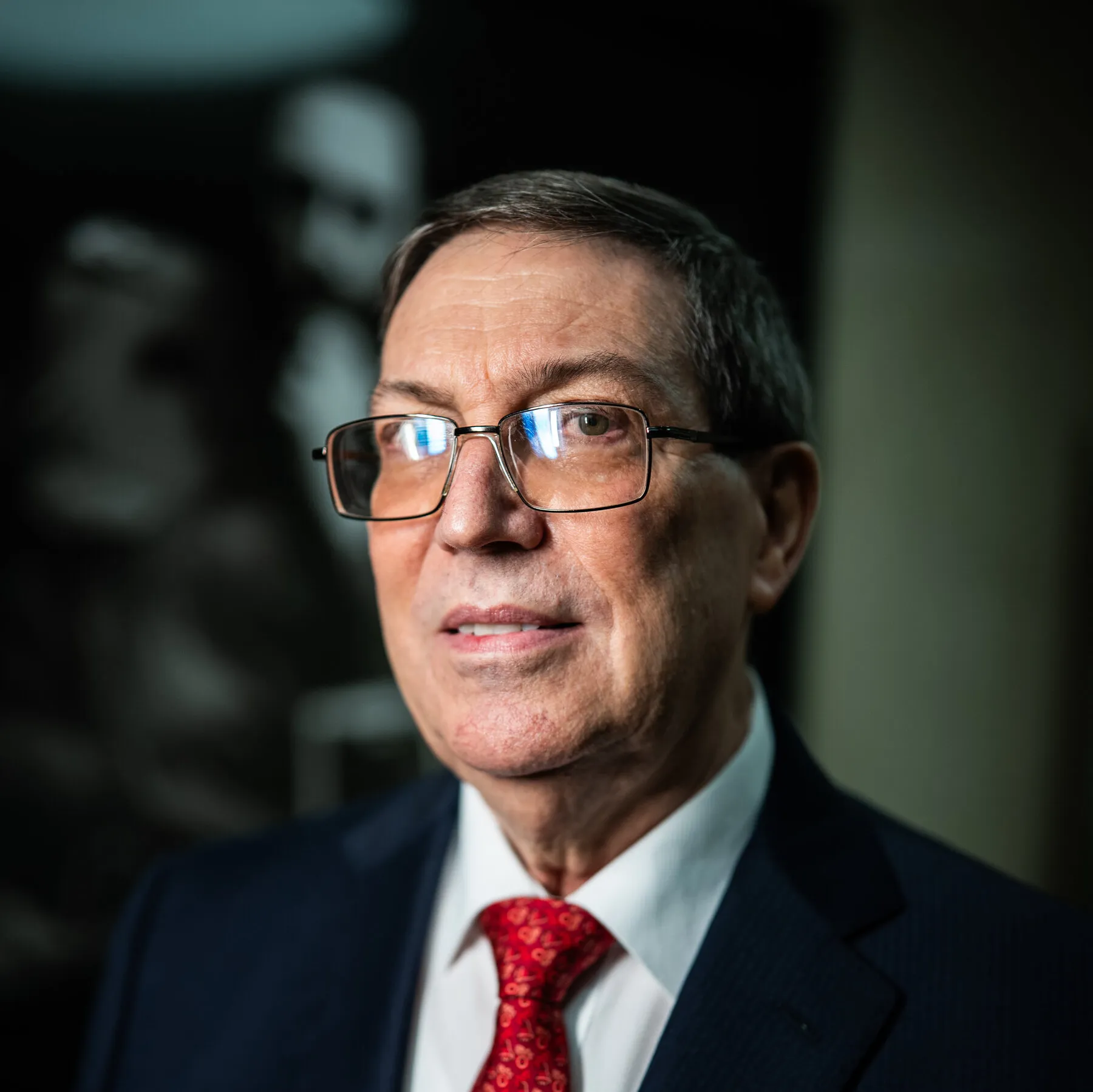
本周,古巴外长布鲁诺·罗德里格斯·帕里利亚接受《纽约时报》采访。 更糟糕的外交境地。
Foreign Minister Bruno Rodríguez Parrilla of Cuba during an interview with The New York Times this week. Credit...Graham Dickie for The New York Times Supported by Few foreign ministers are in a worse diplomatic position than Bruno Rodríguez Parrilla of Cuba.
他的国家几乎已无石油可用,几乎无法接收其他货物。特朗普政府想要推翻该政府。而其盟友大多已消失。
His country is nearly out of oil. It can hardly receive other goods. The Trump administration wants to topple the government. And its allies have largely vanished.
但在本周的一次独家采访中,罗德里格斯先生表达了信心,认为当前古巴政府将比特朗普总统更持久。他说,这是因为该政府的策略就是简单地撑过去,就像过去六十年一样,希望华盛顿能够转移注意力或改变方向。
But in an exclusive interview this week, Mr. Rodríguez projected confidence that the current Cuban government would survive President Trump. That is because, he said, its strategy is to simply endure, much as it has for six decades, in the hope that Washington moves on or shifts course.
“撑到什么时候,”他说,“美国对古巴的政策终将改变。它必须改变。这是不可避免的。”他的理由是?多数美国人和外国政府反对美国对古巴的压力,而且数十年来,这种压力未能带来改变。
“For as long as it takes,” he said. “U.S. policy toward Cuba will change. It has to. It’s inevitable.”His reasoning? A majority of Americans and foreign governments oppose the U.S. pressure on Cuba and, for decades, it has failed to cause change.
“60年来,美国对古巴的政策一直行不通,”他说,“而古巴抵抗并适应这种侵略的政策却行得通。”罗德里格斯先生68岁,担任外长已有17年,自1993年起一直是古巴外交官——其职业生涯主要致力于对抗美国政策。但他说,他从未遇到过像这样的美国压力运动。
“For 60 years now, U.S. policy toward Cuba hasn’t worked,” he said, “while Cuba’s policy of resisting and adapting to that aggression has.”Mr. Rodríguez, 68, has served as foreign minister for 17 years and has been a Cuban diplomat since 1993 — a career primarily focused on countering U.S. policy. But, he said, he has never encountered a U.S. pressure campaign like this one.
自1月以来,特朗普政府通过对该岛实施日益加强的制裁和石油封锁,试图迫使古巴政府屈服于其要求。这些措施引发了古巴数十年来最严重的能源和经济危机,导致长期停电、学校关闭以及医疗保健系统崩溃。
Since January, the Trump administration has sought to make the Cuban government submit to its demands by imposing intensifying sanctions and an oil blockade on the island. The measures have triggered Cuba’s worst energy and economic crisis in decades, leading to prolonged blackouts, shuttered schools and a disintegrating health care system.
周二,古巴政府的沮丧在联合国大会堂上爆发出来,罗德里格斯先生直接与美国常驻联合国代表迈克·沃尔茨发生正面冲突,这场争吵被拍摄成了视频。
The Cuban government’s frustration broke through on the floor of the United Nations on Tuesday, when Mr. Rodríguez directly confronted Mike Waltz, the U.S. ambassador to the U.N., in a spat that was captured on video.
在沃尔茨先生的演讲开始不到两分钟时,他指责古巴官员腐败,古巴代表团成员开始大声喧哗,并用手拍打桌子。罗德里格斯先生正式提出反对,这是他过去一年中第三次打断美国外交官在联合国的演讲。
Less than two minutes into a speech by Mr. Waltz in which he accused Cuban officials of corruption, members of the Cuban delegation began shouting and banging their hands on a table. Mr. Rodríguez formally objected, his third time interrupting a U.S. diplomat’s speech at the U.N. in the past year.
但这一次,他带着古巴代表团走上过道,在离沃尔茨先生站立处几英尺远的地方提出了他们的抗议。“你是个骗子!”一名古巴外交官对他大喊。
But this time he marched up the aisle with the Cuban delegation in tow, lodging their complaints within a few feet of where Mr. Waltz was standing. “You’re a liar!” one Cuban diplomat screamed at him.
“退后!”沃尔茨先生大声回敬。“你知道你在跟谁说话吗?”这或许是多年来美古官员之间最激烈的冲突,反映了哈瓦那日益增长的绝望和华盛顿日益强硬的姿态。
“Back up!”Mr. Waltz shouted back. “Do you understand who you’re dealing with?”It was perhaps the most heated altercation between U.S. and Cuban officials in years, and it reflected Havana’s growing desperation and Washington’s increasingly belligerent posture.
周一,美国驻古巴大使馆发布了一张照片,照片显示该岛上最高级别的美国外交官正在会见负责加勒比地区的最高级别美国将军。照片配文称:“关于古巴有很多事情要讨论。”
On Monday, the U.S. Embassy in Cuba posted a photo of the top American diplomat on the island meeting with the top American military general overseeing the Caribbean. “Much to discuss about Cuba,” read the caption.
特朗普先生曾考虑在岛屿海岸部署一艘军舰以恐吓古巴政府。国务卿马尔科·鲁比奥最近还公开呼吁在古巴招募间谍,以协助美国对抗该国政府。“抓住这个机会,创造你们渴望的变革,”他写道。但所有这些恐吓都未能迫使古巴政府屈服。
Mr. Trump mused about deploying a warship off the island’s coast to intimidate the Cuban government. And Secretary of State Marco Rubio recently made an extraordinary public call to recruit spies in Cuba to aid the U.S. effort against the government. “Seize this opportunity to create the change you desire,” he wrote. But all the intimidation has failed to make the Cuban government yield.
“老实说,我不知道国务卿那些帖子想要做什么,”罗德里格斯先生谈到鲁比奥招募间谍的呼吁时说。“看起来有点幼稚。”古巴政府在石油封锁下维持的时间比许多人预期的要长。部分原因是政府通过限电和建设太阳能公园,延长了燃料供应。
“Honestly, I have no idea what the secretary of state is trying to do with those posts,” Mr. Rodríguez said of Mr. Rubio’s call for spies. “They come across as a bit childish.”The Cuban government has lasted longer than many expected under the oil blockade. That is partly because the government has stretched out its fuel supplies by rationing electricity and building solar parks.
与此同时,特朗普政府已表明愿意保持耐心。鲁比奥表示,改变可能需要数年时间。
In the meantime, the Trump administration has signaled that it is willing to be patient. Mr. Rubio has said change could take years.
国务院发言人汤米·皮戈特在一份声明中,将古巴局势恶化归咎于古巴政府,并表示美国正在向古巴提供人道主义援助。“这个失败的古巴政权继续将自身的无能和腐败归咎于美国和其他所有人,”他说。
In a statement, Tommy Pigott, a State Department spokesman, blamed worsening conditions in Cuba on the Cuban government and said the United States was sending humanitarian aid. “The failing Cuban regime continues to blame the United States and everyone else for their own incompetence and corruption,” he said.
皮戈特补充说,“特朗普总统继续施压,以推动古巴实现更为实质性的经济和政治改革。”
Mr. Pigott added that “President Trump continues to apply pressure to drive much more substantial economic and political reforms” in Cuba.
美国官员承认,他们正在古巴政府内部寻找一位同情且易于影响的人物,类似于委内瑞拉新任临时领导人德尔西·罗德里格斯。但鲁比奥公开呼吁提供线索,表明他们可能难以找到这样的人。
U.S. officials have acknowledged that they are seeking a sympathetic and malleable figure in the Cuban government, much like Venezuela’s new interim leader, Delcy Rodríguez. But Mr. Rubio’s public plea for informants suggests that they may be struggling to find one.
本周被问及其职位时,鲁比奥对记者说,“我们认为古巴需要非常剧烈的变革”,随后补充说,“这与委内瑞拉的情况完全不同。”罗德里格斯表示,与美国官员的会谈仍在继续——包括面对面会晤、电话和WhatsApp消息——但进展甚微。“当谈判不断伴随着威胁时,谈判要取得进展非常困难,”他说。
When asked about his post this week, Mr. Rubio told reporters, “We think Cuba needs very dramatic change,” then added that “it’s a totally different case from Venezuela.”Mr. Rodríguez said that talks were continuing with U.S. officials — including in-person meetings and phone calls and WhatsApp messages — but that little progress was being made. “It’s very difficult for talks to progress when they’re constantly accompanied by threats,” he said.
致力于推动华盛顿与哈瓦那之间更多对话的古巴研究小组主任里克·埃雷罗表示,罗德里格斯试图等待特朗普政府下台的立场是短视的。
Ric Herrero, director of the Cuba Study Group, which pushes for more dialogue between Washington and Havana, said that Mr. Rodríguez’s stance of trying to wait out the Trump administration was shortsighted.
“布鲁诺很容易声称他们在那里抵抗,而真正承受后果的是古巴人民,”他说。
“It’s easy for Bruno to claim that they’re there resisting when the ones that are really bearing the brunt of it are the Cuban people,” he said.
古巴维持其韧性的难度可能也比往年大得多。其政府长期依靠俄罗斯或委内瑞拉帮助其抵御美国压力,但这些盟友现在基本已不复存在。俄罗斯在3月派出一艘大型油轮运送石油,但此后拒绝挑战美国的封锁。委内瑞拉实际上由华盛顿控制。
Cuba may also find it much harder to maintain its resilience than in years past. Its government long relied upon Russia or Venezuela to help it stand up to U.S. pressure, but those allies are now largely gone. Russia sent a large tanker of oil in March but has declined to test the U.S. blockade since. Venezuela is effectively controlled by Washington.
“残酷的现实是古巴孤立无援,”埃雷罗说。“他们可以抵抗,但这只是受控衰退。最终你们正走向深渊。”罗德里格斯反驳了古巴正在崩溃或已在世界舞台上被抛弃的任何暗示。他指出数十项谴责美国对古巴贸易禁运的联合国决议。
“The hard fact is that Cuba is alone,” Mr. Herrero said. “They can resist, but it’s just managed decline. Ultimately you’re heading toward the abyss.”Mr. Rodríguez disputed any suggestion that Cuba was collapsing or that it had been abandoned on the world stage. He pointed to decades of U.N. resolutions that denounced U.S. trade embargoes on Cuba.
周三,130个国家再次在这样一项决议上支持古巴,但这是该岛国获得支持力度最低的一次之一。17个国家投了反对票,比去年多10个,其中哥伦比亚、哥斯达黎加和厄瓜多尔改变了立场。另有25个国家弃权,比去年多16个,包括德国、意大利、韩国和多米尼加共和国。
On Wednesday, 130 nations again sided with Cuba on such a resolution, yet it was one of the island’s lowest levels of support ever. Seventeen nations voted against the resolution, or 10 more than last year, with Colombia, Costa Rica and Ecuador switching their votes. Another 25 abstained, or 16 more than last year, including Germany, Italy, South Korea and the Dominican Republic.
这些结果在很大程度上反映了特朗普政府在说服和施压各国支持其对古巴政策、或至少视而不见方面取得的成功。
Those results largely reflect the Trump administration’s success in persuading and pressuring nations to support its Cuba policy, or to at least look the other away.
罗德里格斯辩称,美国的游说以及其加大制裁的决定,显示了古巴政府的强大。
Mr. Rodríguez argued that the American lobbying, as well its decision to increase sanctions, showed the Cuban government’s strength.
“如果他们真的认为古巴的战略和古巴国家如此无效,为什么要费这么大劲?”他问道。
“If they really think Cuba’s strategy and the Cuban state are so ineffective, why go to all this trouble?” he asked.
尽管罗德里格斯坚称哈瓦那可以简单熬过特朗普政府,但古巴政府正在推行变革。今年早些时候,它宣布了1959年古巴革命以来最全面的经济措施,包括允许私营银行、出售国有企业股份,以及取消许多对外资和私营企业的限制。
Despite Mr. Rodríguez’s contention that Havana can simply ride out the Trump administration, the Cuban government is enacting change. Earlier this year, it announced the most sweeping economic measures since the Cuban revolution in 1959, including allowing private banks, selling shares in state companies and removing many restrictions on foreign investment and private businesses.
罗德里格斯声称,古巴——世界上为数不多的共产主义国家之一——正在缓慢推进经济自由化,这并非为了安抚特朗普政府,而是为了应对全球经济挑战。
Mr. Rodríguez claimed that the slow economic liberalization of Cuba — one of the world’s few communist countries — was being done not to appease the Trump administration but to respond to global economic challenges.
“它为私人资本、外国投资者和来自各国的公司开辟了许多新机遇,”罗德里格斯说。“但古巴经济将继续保持社会主义性质。”与此同时,他说,美国公司应该投资。
“It opens many new opportunities to private capital, foreign investors and companies from various countries,” Mr. Rodríguez said. “But the Cuban economy will remain socialist.”At the same time, he said, American companies should invest.
“我们不会允许美国控制古巴经济的各个领域,”他说。“但美国公司具有竞争力,我们欢迎它们来古巴投资。”杰克·尼卡斯是《纽约时报》墨西哥城分社社长,负责统筹墨西哥、中美洲和加勒比地区的报道。
“We wouldn’t allow the United States to control sectors of the Cuban economy,” he said. “But American companies are competitive, and we’d welcome them in Cuba.”Jack Nicas is The Times’s Mexico City bureau chief, leading coverage of Mexico, Central America and the Caribbean.