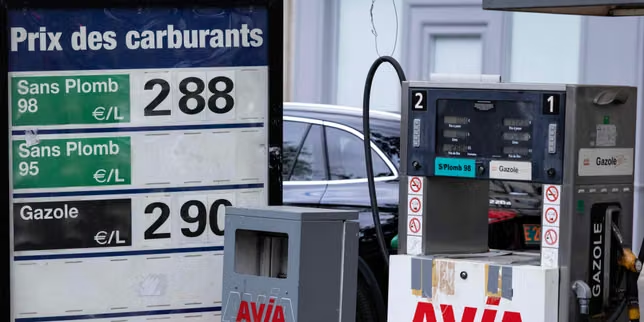
11个欧洲国家周四(10月29日)承诺,将在1月底前联合释放4260万桶石油,以配合本月达成的G7协议,缓解全球能源供应担忧。
11 European countries pledged Thursday, October 29, to jointly release 42.6 million barrels of oil by the end of January, in line with a G7 deal struck this month to ease global energy supply concerns.
欧盟能源专员丹·约根森对记者表示:“欧盟成员国重申承诺,将在未来几个月加速释放战略储备中的4260万桶石油,其中约一半为柴油。”
"EU member states have reaffirmed their commitment to an accelerated release of 42.6 million barrels from strategic reserves over the next months, and around half of this will be diesel," the EU's energy commissioner Dan Jorgensen told reporters.
包括法国、德国和意大利在内的11个国家在一份声明中表示,它们将在2027年1月底前从战略储备中释放石油,其中包括2050万桶柴油。
11 countries including France, Germany and Italy said in a statement they would release the oil from their strategic reserves by the end of January 2027, including 20.5 million barrels of diesel.
此前几周,G7经济体表示将释放1亿桶柴油和原油,此举是在特朗普总统威胁禁止柴油出口后作出的。
The announcement comes weeks after the G7 economies said they would release 100 million barrels of diesel and crude oil after US President Donald Trump threatened a diesel export ban.
其他参与的欧洲国家有比利时、丹麦、希腊、拉脱维亚、卢森堡、荷兰、葡萄牙和瑞典。立陶宛也支持该倡议,但未签署联合承诺。
The other European countries involved are Belgium, Denmark, Greece, Latvia, Luxembourg, the Netherlands, Portugal and Sweden. Lithuania also endorsed the initiative, though it did not sign the joint pledge.
所有欧盟国家均为成员的国际能源署(IEA)于10月中旬呼吁成员国加快释放石油库存,以备冬季之需。
The International Energy Agency – to which all the EU nations belong – made a call in mid-October for its members to step up the release of oil stocks ahead of winter.
美以与伊朗的战争导致能源价格飙升,特朗普随即加大对欧洲释放储备的施压,但高昂的燃油成本反噬国内,成为下周国会选举前的关键议题。
Trump ramped up the pressure on Europe to release reserves after the US-Israeli war with Iran sent energy prices skyrocketing, coming back to bite him at home with high fuel costs that have become a key issue ahead of congressional elections next week.
欧盟表示高度重视危机对家庭的影响,但对供应安全不感担忧。约根森说:“我们预计不存在供应安全问题本身。但对于难以支付账单的民众来说,这可能无关紧要。”
The EU said it was taking the impact of the crisis on households seriously but was not worried about supply. "We do not expect the security of supply issue as such. But for the citizens that are struggling to pay the bills, that might not matter," Jorgensen said.