根据 Common Sense Media 的调查数据,近一半 9 至 12 岁的儿童使用过 AI 聊天机器人或 AI 伴侣,到 13 岁时,近四分之三的孩子使用过聊天机器人。
According to survey data from Common Sense Media, nearly half 9-to-12-year-olds have used an AI chatbot or companion, and by age 13, nearly three-quarters of kids have used chatbots.
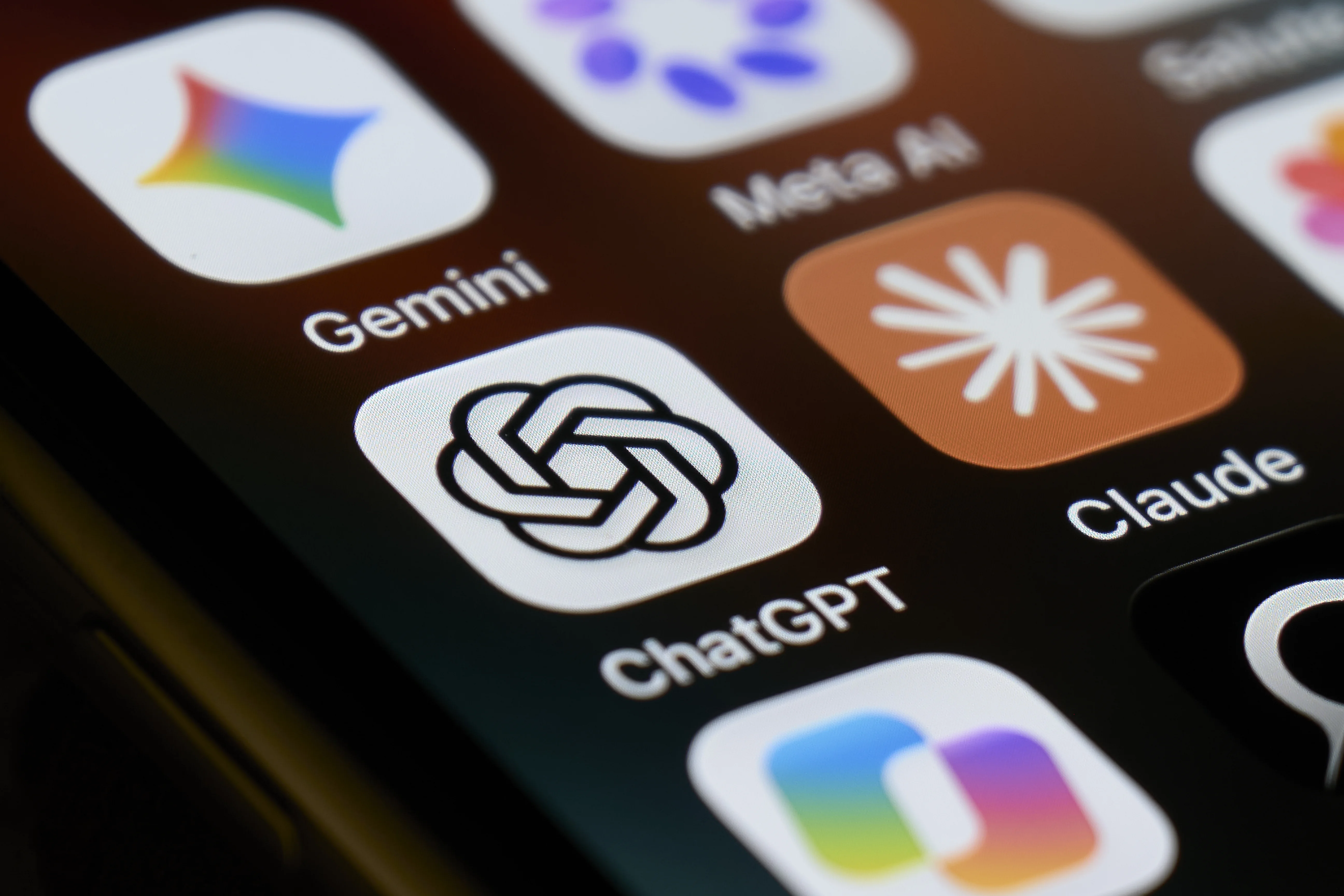
Matteo Della Torre/NurPhoto via Getty Images 人工智能聊天机器人正日益成为美国青少年生活中的常规组成部分。两项新调查显示,近三分之二的青少年儿童和青少年使用 AI 聊天机器人。虽然大多数孩子将该技术用于辅助学业,以及寻求陪伴和情感支持,但某些用途与较差的心理健康症状有关联。
Matteo Della Torre/NurPhoto via Getty Images Artificial intelligence chatbots are increasingly becoming a regular part of life for American youth. Two new surveys show that nearly two-thirds of tweens and teens use AI chatbots. While most kids use the technology for help with school work, and for companionship and emotional support, certain uses were linked with worse mental health symptoms.
在线安全倡导组织 Common Sense Media 进行的一项调查发现,AI 的使用开始得很早——远在孩子达到大多数热门聊天机器人规定的 13 岁最低年龄限制之前。近一半 9 至 12 岁的儿童使用过 AI 聊天机器人或 AI 伴侣。等到孩子 13 岁时,近四分之三的他们已使用过聊天机器人。
One survey done by the online safety advocacy group, Common Sense Media, found that AI use starts early – years before kids hit the minimum age of 13 on most popular chatbots. Nearly half 9-to-12-year-olds have used an AI chatbot or companion. By the time kids are 13 years old, nearly three-quarters of them have used chatbots.
心理健康倡导组织 JED 基金会进行的另一项调查发现,全国各地学校中 5500 名 9 至 17 岁的受访者中,90% 使用过 AI 聊天机器人。近三分之二的人既将其用于学业,也将其作为伴侣,或在感到压力大、孤独、焦虑或不堪重负时使用。
The other survey done by the mental health advocacy group JED Foundation found that 90% of the 5,500 9-to-17-year-olds in schools across the country have used an AI chatbot. Nearly two-thirds use it both for schoolwork and as companions, or when they are stressed, lonely, anxious or overwhelmed.
北卡罗来纳大学教堂山分校的发展心理学家 Anne Maheux 表示,这些发现之所以“引人注目”,是因为它们展示了儿童和青少年使用 AI 的情况在短时间内发生了多么巨大的变化。她未参与这两项调查。
The findings are "remarkable" in showing how dramatically AI use by children and teens has changed in a short time, says developmental psychologist Anne Maheux at the University of North Carolina, Chapel Hill, who wasn't involved in the surveys.
“似乎就在几年前,还没有人在使用”这项技术,她说。“而现在,用于完成家庭作业的孩子数量,似乎大致等同于用于获取情感支持或寻求应对帮助的孩子数量。”
"It seems like just a few years ago, no one was using" the technology, she says. "And now it seems like roughly the same number of kids using it for homework are using it to get emotional support or help with coping."
“我用它来让自己练习样题——我会用自己的作业去回答的那些样题测试题,”得克萨斯州 Round Rock 的 15 岁少年 Arjun Sharda 说。“我用它来理解课堂之外的概念。”他说他同时使用 OpenAI 的 ChatGPT 和 Google 的 Gemini,不过最近更偏爱后者。
"I use it to make myself practice sample questions – sample test questions that I will answer with my own work," says 15-year-old Arjun Sharda in Round Rock, Texas. "I use it to understand concepts outside of the classroom." He uses both OpenAI's ChatGPT and Google's Gemini, he says, although he prefers the latter lately.
在马萨诸塞州雷纳姆,17岁的麦肯齐·克雷格(McKenzie Craig)从八年级开始就一直在使用聊天机器人。“如果我被一堆任务压得喘不过气来,我通常就会使用它,”她说,“我会让它帮我给任务分清主次。”
In Raynham, Mass., McKenzie Craig, 17, has been using chatbots since she was in eighth grade. "I use it typically if I'm overwhelmed with a bunch of tasks I have," she says. "I'll have it help me prioritize the tasks."
她还用它来寻求作业方面的帮助。“如果我写了一篇论文,我会把它输入Grammarly或ChatGPT中,让它‘打分’,可以这么说,”克雷格说,“它会给我反馈,然后我就可以据此进行修改。”夏达(Sharda)表示,他和朋友们在感到压力和焦虑时也会求助于聊天机器人。
She also uses it for help with assignments. "If I write an essay, I'll run it through either Grammarly or ChatGPT and have it graded, so to speak," says Craig. "It gives me feedback, and then I can edit accordingly." Sharda says he and his friends also turn to chatbots when they are stressed and anxious.
“比如面对考试,”他说,“我太害怕其中一场关于换算和摩尔的化学初考不及格了,以至于我不断地问ChatGPT‘我能行吗?我的GPA(平均绩点)还会好吗?’”一些聊天机器人使用情况与更差的心理健康状况相关。杰德基金会(JED Foundation)的研究人员还就整体福祉和心理健康症状对学生进行了调查。
"With tests, for example," he says, "I was so scared of failing one of my first chemistry tests on conversions and moles that I kept asking ChatGPT 'Will I be OK? Will my GPA still be fine?'" Some chatbot uses are linked to worse mental health Researchers at the JED Foundation also surveyed students on symptoms of overall well-being and mental health.
杰德基金会研究与评估副总裁、心理学家凯拉·安德森(Kayla Anderson)说:“我们得以研究年轻人是如何使用人工智能的,以及这如何分别与福祉指标、自杀意念和自杀未遂史以及不良心理健康状况相关联。”
"We were able to look at how young people are using AI and then how that correlates separately with indicators of well-being, history of suicidal ideation and attempts, and poor mental health," says psychologist Kayla Anderson vice president of research and evaluation at the JED Foundation.
她补充说:“当年轻人在情绪痛苦时使用人工智能,他们更有可能报告出不良的心理健康和福祉结果。”他们还报告了更多自杀想法和自杀未遂的历史。但安德森警告称,数据并不表明存在因果关系。
"When young people are using AI, when they're in emotional distress," she adds, "they're more likely to report poor mental health and well-being outcomes." They also report a greater history of suicidal thoughts and attempts. But the data don't suggest a causal link, cautions Anderson.
她解释说:“根据这些数据,目前尚不清楚是人工智能的使用导致了糟糕的心理健康和福祉,还是本就在某些方面感到痛苦的学生更有可能求助于人工智能。”
"It's unclear, based on these data, whether AI use is contributing to poor mental health and well-being, or whether students who are already in distress in certain ways are more likely to turn to AI," she explains.
但马休(Maheux)表示,其他研究人员收集的初步数据表明,聊天机器人与年轻人心理健康症状恶化之间的联系可能是双向的。
But preliminary data collected by other researchers suggests that the link between chatbots and poorer mental health symptoms in young people might go both ways, says Maheux.
“所以,心理健康状况较差的孩子会寻求AI来帮助自己,”她说。“但这种AI使用可能正在加剧这些心理健康挑战,而不是在帮助它们。”在即将发表的一项针对某个州中学生的研究中,马厄和她在北卡罗来纳大学的同事发现,出于陪伴目的使用聊天机器人的学生随着时间推移变得更加孤独。
"So kids who do have worse mental health are seeking out AI to help them," she says. "But that AI use may be exacerbating those mental health challenges instead of helping." In a soon-to-be-published study of middle schoolers in one state, Maheux and her colleagues at UNC found that students who use chatbots for companionship grew lonelier over time.
他们在另一项针对年轻人的研究中发现了类似的结果。“我们看到,那些更多地将AI用于陪伴,或觉得自己过度依赖AI来解决各种情感或认知问题的人,随着时间推移心理健康状况变得更差。”她说,对这种效应的一种可能解释是,AI在当下即刻缓解了人们的情绪困扰——孤独、焦虑、压力——但对这项技术的依赖正在阻止年轻人培养承受和应对日常正常压力的能力。她解释说,这“可能导致更差的心理健康”。
They found similar results in another study of young adults. "We see that people who are using AI more for companionship or feeling like they're overreliant on AI to solve various emotional or cognitive problems, are developing worse mental health over time." One potential explanation for this effect, she says, is that AI is easing people's emotional distress — loneliness, anxiety, stress — in the immediate moment, but that reliance on the technology is preventing young people from developing the skills to tolerate and navigate normal daily stresses. That, she explains, "can lead to worse mental health." mental health