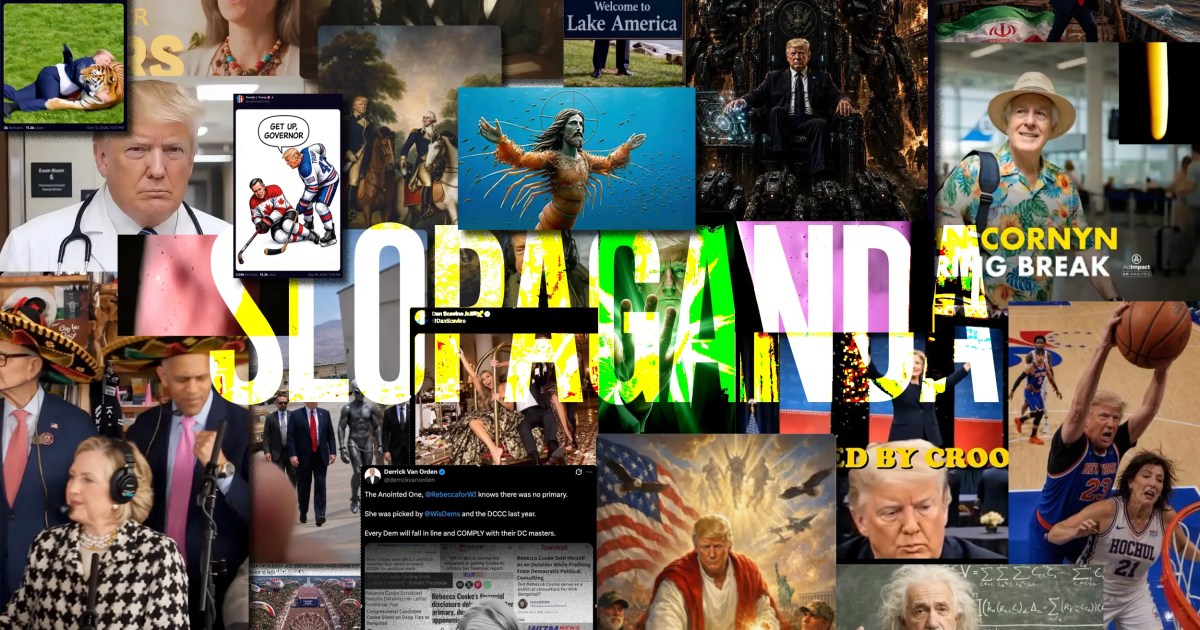
今年的中期选举恰逢专家多年来一直警告的时刻:生成式人工智能制造出足以骗人的逼真内容,几乎人人都能使用,并且可以大规模部署。
This year’s midterms have dovetailed with the moment experts have been warning about for years: when generative artificial intelligence makes content that looks real enough to fool people, is accessible to almost everyone and can be deployed at massive scale.
政治行动委员会和竞选团队今年花费了远超1亿美元投放虚假广告,以影响联邦、州和地方选举。虚假民调机构利用人工智能在一夜之间编造出民调和报告。伪装成非营利智库的政治攻击网站左右了地方选举。我在九月份报道过地方政府问责研究所,这是一个虚假研究机构,利用人工智能炮制虚假研究和论文,以及针对佛罗里达州萨拉索塔县两名县委员的攻击视频和广告。
Political action committees and campaigns spent well over $100 million on fake ads to influence federal, state and local elections this year. Fake pollsters used AI to make up shops and reports overnight. And political-attack websites disguised as nonprofit think tanks swayed local elections. I wrote in September about the Local Government Accountability Institute, a fake research organization that used AI to spin up fake studies and papers as well as attack videos and ads targeting two Sarasota County commissioners in Florida.
这种“垃圾宣传”——研究人员将其定义为为了达到政治目的而传播的不受欢迎的人工智能生成内容——无处不在。
This kind of “slopaganda” — which researchers define as unwanted AI-generated content spread in order to manipulate beliefs to achieve political ends — is everywhere.
一场俄罗斯虚假信息宣传活动篡改名人视频,以嘲弄民主党人并敦促社交媒体用户投票给共和党。得克萨斯州一名竞选县法官席位的共和党人分享了一段人工智能生成的视频,视频中黑人选民表达对他竞选的支持。在威斯康星州,一名竞选连任的共和党联邦众议员让Grok生成了一段视频,视频中他的对手命令“乡巴佬”为她投票。总统唐纳德·特朗普把自己描绘成耶稣、教皇和绿灯侠。
A Russian disinformation campaign doctored celebrity videos to mock Democrats and urge social media users to vote Republican. A Republican running for a county judge seat in Texas shared an AI-generated video depicting Black voters expressing support for his campaign. In Wisconsin a Republican U.S. representative running for re-election prompted Grok for a video of his opponent ordering “peasants” to vote for her. President Donald Trump has depicted himself as Jesus, the pope and the Green Lantern.
今年,大大小小的竞选活动都使用了“垃圾宣传”,几乎完全是为了支持右翼候选人。“垃圾宣传”价格低廉,制作起来非常容易,任何对互联网有基本了解的人都可以花很少的力气加以利用。于是我也这么做了。
Slop was used by campaigns big and small this year, almost exclusively in support of right-wing candidates. Slopaganda is affordable and so easy to produce that anyone with a basic understanding of the internet can deploy it with minimal effort. So I did.
利用一个下午的空闲时间,向 ChatGPT、Claude 和 Grok 输入几个提示词,再在公司卡上刷了 14 美元,我就搭建了一个名为“生成式真理研究所”(Generative Research Institute for Truth,简称 GRIFT)的网站。我想展示创建一个像 LGAI 那样的虚假政治组织有多容易,并让算法——如果我想进一步推进,还能让选民——相信我的“烂宣传”名副其实。
With an afternoon to spare, a few prompts to ChatGPT and Claude and Grok, and a $14 charge to the company card, I created a website for the Generative Research Institute for Truth (or GRIFT). I wanted to show how easy it would be to launch a fake political organization like LGAI, and convince the algorithms — and, if I wanted to take it further, the voters — that my slopaganda was legit.
该网站包含使命宣言、顾问委员会、满是统计数据的研究报告,甚至还设有奖项版块,所有内容均由 AI 生成。我在新建的 Substack 和 Facebook 页面上发布了该组织的消息,并让 Grok 利用我的肖像制作视频进行宣传。GRIFT 就这样上线了,我的“烂宣传”活动取得的成功远超预期。
The site features a mission statement, an advisory council, research papers full of statistics and even an award section, all created by AI. I announced the organization on Substack and Facebook pages I set up, and had Grok create videos using my likeness to advertise. The GRIFT was on, and my slopaganda campaign was more successful than it had any business being.