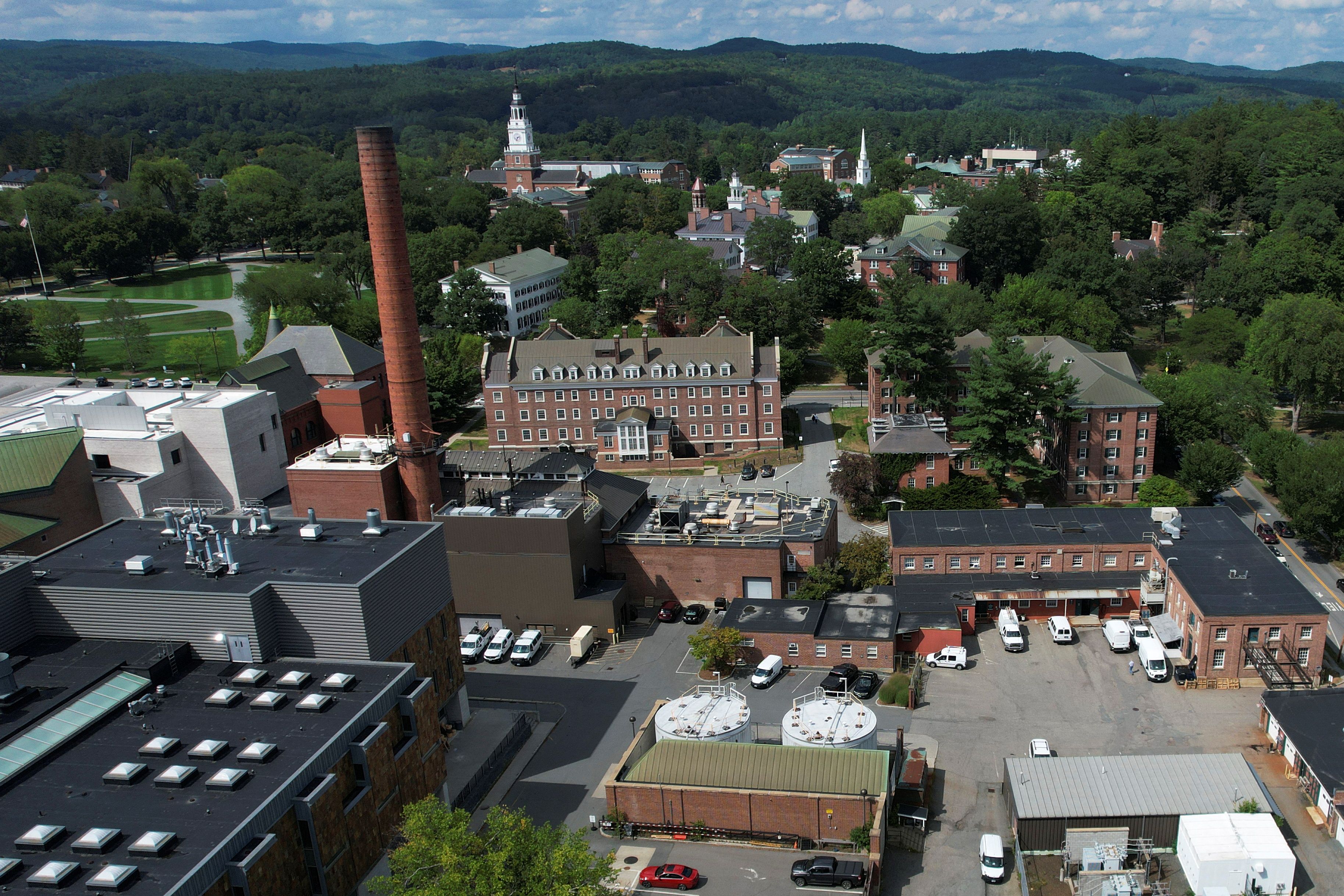
8月,我曾撰文探讨主要新闻媒体刊登的客座专栏中使用AI的情况,其中包括达特茅斯学院教务长圣地亚哥·施内尔(Santiago Schnell)的文章。本周,他辞职了。问题是,他本不该丢掉这份工作。
In August, I wrote about the use of AI in guest columns published in major news outlets, including by Dartmouth Provost Santiago Schnell. This week, he resigned. The thing is, he shouldn’t have lost his job.
施内尔的专栏是《纽约时报》、《华尔街日报》和《华盛顿邮报》在一个月内刊登的50篇包含AI生成文本的客座专栏之一。一项(借助AI的)分析显示,AI在写作中的使用已变得极其普遍,即便是在禁止使用AI的出版物中也是如此。
Schnell’s was one of 50 guest columns that included AI-generated text that were published in The New York Times, The Wall Street Journal, and the Washington Post over a one-month period. An (AI-assisted) analysis showed that AI use in writing has become incredibly common, even in publications that prohibit it.
我希望这篇报道能引发一些明智的探讨,而不是演变成一场羞辱和指责的猎巫行动,最终导致辞职:对一种已如此普遍、甚至能骗过世界上最著名编辑的技术实施全面禁令,合理吗?未来在技术层面上甚至可能做到吗?
My hope was that the reporting would lead to some smart questions, not a shame-and-blame witch hunt that would result in a resignation: Does it make sense to have a blanket ban on something that has become so prevalent and can fool some of the world’s most renowned editors? Will that even be technically possible in the future?
如果达特茅斯教务长有什么过错,那就是未披露他在为禁止使用AI的出版物撰写专栏和学术期刊文章的过程中使用了AI。但看起来,施内尔所有的写作都基于他自己的想法和工作成果。他并非只是提示聊天机器人,然后将输出结果当作自己的作品发表。
If the Dartmouth provost did anything wrong, it was failing to disclose that he used AI in the process of writing columns and academic journal articles for publications that prohibit its use. But it appears all of Schnell’s writing was based on his own ideas and work. He didn’t just prompt a chatbot and pass the output off as his own.
“我构思观点和论证,开展研究,评估证据和来源,确定结构,准备草稿,并决定最终文本呈现什么内容,”施内尔对《达特茅斯报》表示,该报对施内尔更多作品进行了自己的调查。
“I develop ideas and arguments, conduct the research, evaluate the evidence and sources, determine the structure, prepare drafts and decide what appears in the final text,” Schnell told The Dartmouthnewspaper,which did its own investigation into more of Schnell’s work.
我理解学生们为什么愤怒,也理解为什么施内尔的辞职看似合理。学生在课堂上通常被禁止使用AI,一旦被发现会受到惩罚。
I get why students are mad, and why Schnell’s resignation might seem appropriate. Students are often prohibited from using AI in class and subject to punishment if they’re caught.
但强制辞职只是延续了当前的困境,我们正试图对抗一股已变得司空见惯、根本无法阻挡的技术使用浪潮。多年后,我们回望这段时期会感到遗憾,不禁要问:为什么我们会对人们使用一种显而易见有用的新工具感到如此愤怒。
But forced resignations just perpetuate the current situation, where we are fighting against a current of technology use that’s become so commonplace it’s impossible to fight. Years from now, we’ll look back on this time with regret and wonder why we were so outraged by people using a new tool that was so obviously useful.
“如果属实,教务长施内尔在学术出版物中使用 AI,可以说是更严重的违规行为,”达特茅斯学院学生报专栏作家伊莱·莫伊斯在一篇评论文章中写道。
“If true, Provost Schnell’s use of AI in academic publications is arguably a graver violation,” Eli Moyse, a columnist for Dartmouth’s student newspaper, wrote in an op-ed.
“他反复将自己的智力劳动外包,然后试图将非自己完成的作品以自己的名义发布。即使不是人类完成的作品,将非自己完成的作品以自己的名义发布仍然构成明显的剽窃——这大概是教职员工能犯下的最严重的学术违规行为。”
“He repeatedly outsourced his intellectual labor and then tried to pass off work that wasn’t his under his name. Even if it wasn’t human work, passing work that is not your own off under your name still constitutes clear plagiarism — probably the very worst academic violation a faculty member can commit.”