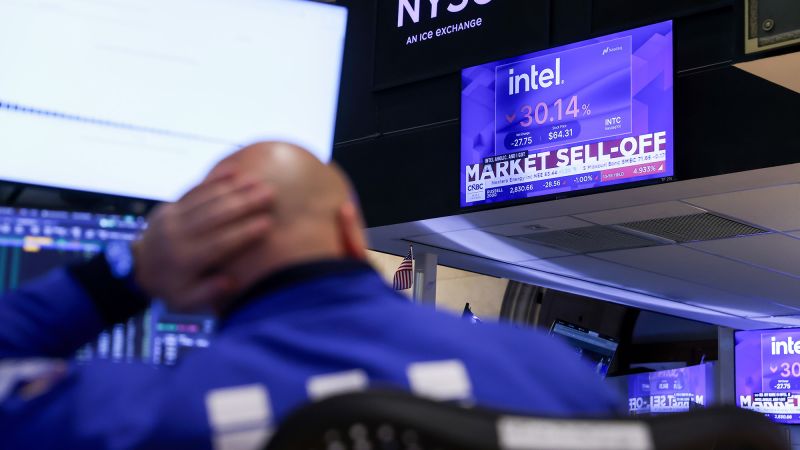
股市正在对大型科技公司说不。谷歌刚刚经历了史上最糟糕的一个交易日。英特尔的跌幅创下自尼克松政府以来之最。亚马逊和Meta本周也双双大幅下跌。纳斯达克指数大幅下挫,距离回调(较历史高点下跌10%)仅差一个多百分点。
The stock market is turning its back on Big Tech. Google just had its worst day ever. Intel tumbled more than any day since the Nixon administration. Amazon and Meta both had significant declines this week, too. The Nasdaq tumbled and is just over a percentage point away from a correction (a 10% decline from its all-time high).
共同点在于:为AI提供动力的基础设施建设真的非常非常昂贵——而大型科技公司的利润尚不足以证明这笔巨额开支的合理性。AI公司在数据中心上投入的现金越来越多,超过了其业务所能产生的现金。但如果股市本应传递某种信号,大型科技公司却并没有听进去。
The common thread: Building the infrastructure to power AI is really, really expensive – and Big Tech profits aren’t yet justifying that massive expense. AI companies are increasingly doling out more cash for data centers than their businesses are able to generate. But if the stock market is supposed be to delivering some kind of message, Big Tech isn’t hearing it.
据摩根大通称,自2023年以来,AI领域的支出已达到1.6万亿美元,预计未来十年左右将达到1万亿美元。本周这一切都没有改变。
Spending on AI has reached $1.6 trillion since 2023 and is expected to hit $1 trillion for the next decade or so, according to JPMorgan. None of that changed this week.
这是因为,在为这一切提供融资的市场——债券市场——大多耸耸肩不以为意,而股市则正处于一场温和的恐慌之中。贷款机构纷纷排队承接大型科技公司的债务,为这项正在重塑全球经济的技术提供资金。
That’s because the market that’s financing all of this – the bond market – is mostly shrugging its shoulders while the stock market is in the midst of a mild freakout. Lenders have been lining up to take on Big Tech’s debt to pay for the technology that’s reshaping the global economy.
这意味着,市场似乎在就AI提出的问题——大型科技公司会继续增加支出吗?(几乎肯定会)以及AI会很快实现盈利吗?(看起来不会)——都是错误的问题。
That means the questions the market seems to be asking about AI – will Big Tech keep growing its spending? (it most certainly will) and will AI will turn a profit anytime soon? (doesn’t look like it) – are the wrong ones.
我们真正应该就AI提出的问题是:债券市场还能支撑这场不间断的支出狂潮多久?这最终将决定AI是走向成功还是失败。
The real question we should be asking about AI is: How much longer will the bond market sustain the nonstop spending spree? That will ultimately dictate whether AI turns into a success or a bust.
AI的算法是这样的:前期在支持AI所需的基础设施上投入大量资金(数据中心、服务器、芯片、电力、劳动力、建筑材料等)。然后,根据高盛的说法,一旦数据中心启用,AI公司可以在大约三个月到两年后实现这笔投资的变现。
The way AI math works is like this: Spend a lot of money upfront on the infrastructure needed to support AI (data centers, servers, chips, power, labor, building materials, etc.). Then, once the data center is switched on, AI companies can monetize that investment … somewhere between three months to two years later, according to Goldman Sachs.
由于利润要等到很远的将来才能实现,超大规模企业(谷歌、亚马逊、微软和 Meta 等大型科技巨头)需要预先借入巨额资金,并在未来偿还投资者。
With profit arriving that far down the road, hyperscalers (the Big Tech guys like Google, Amazon, Microsoft and Meta) need to borrow a ton of money upfront and pay back investors down the road.
“巨额”一词远不足以形容其规模。Capital Economics 首席经济顾问 John Higgins 指出,仅这四家超大规模企业在过去 12 个月内,就共同承担了标普 500 指数成分股所有资本支出的三分之一以上。
“A ton” doesn’t really do it justice. Those four hyperscalers alone have been collectively responsible for more than a third of all capital expenditures from the S&P 500 over the past 12 months, notes John Higgins, chief economic adviser at Capital Economics.
这就是为什么预计今年大型科技公司三分之一的资本支出将通过债务融资——仅超大规模企业发行的债券就将达到约 2500 亿美元,据高盛统计。预计这一比例明年将攀升至超大规模企业支出的 35% 左右。
That’s why a third of Big Tech’s capital expenditures this year are expected to be financed with debt – something like $250 billion worth of bonds from hyperscalers alone, according to Goldman Sachs. That’s expected to peak next year at around 35% of hyperscalers’ spending.
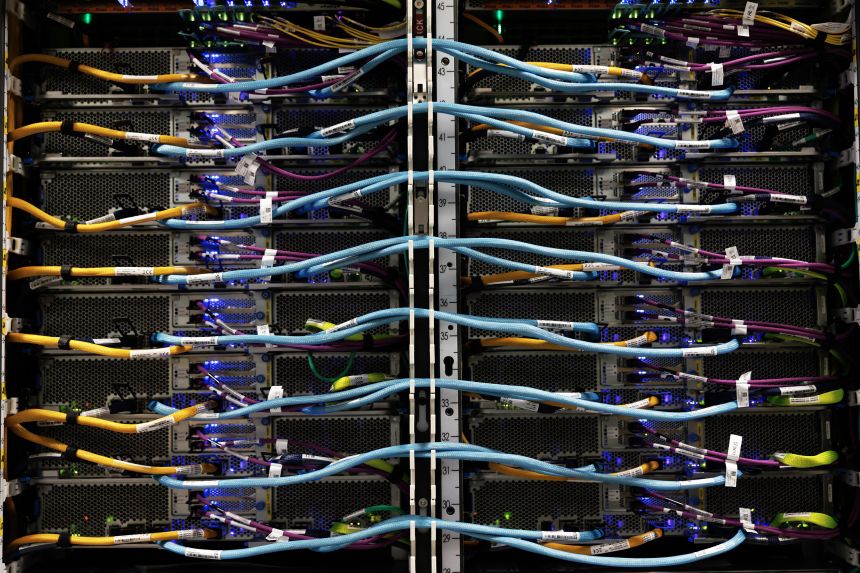
但债券市场投资者手头并没有那么多钱可投。而目前借贷竞争异常激烈——尤其是来自美国国债的竞争,因为政府正试图同时为社会保障、医疗保险和一场昂贵的战争买单。
But bond market investors don’t have money to spend. And there’s a ton of competition for lending right now – especially from US Treasuries as the government is trying to pay for Social Security, Medicare and an expensive war, all at the same time.
这引出了一个显而易见的问题:投资者究竟愿意借给 AI 公司多少钱?答案比你想象的要多。
That raises an obvious question: Exactly how much money are investors willing to lend AI companies? It’s more than you might think.
市场能吸收的假设性最大债务额度无法知晓,但高盛还是进行了测算,得出的结论是:最大的超大规模企业有 5100 亿美元的可用投资级(顶级)债务额度。这比它们目前预计到年底的借款额度多出一倍多。换句话说:最大的 AI 公司仍有大量的借贷空间。问题不在于能借多少;问题在于以什么代价借到多少。答案取决于两个方面:谁在买单,谁在收款。
The hypothetical maximum amount of debt the market can absorb is unknowable, but Goldman Sachs did the math anyway and came up with $510 billion of available investment-grade (top-tier) debt for the biggest hyperscalers. That’s more than double what they’re currently expected to be borrowing by the end of the year. In other words: The biggest AI companies have a lot of runway left to borrow. The question isn’t how much; the question is how much . The answer depends on two parts: Who is paying and who is receiving.
“我们不担心融资渠道,”高盛首席信用策略师阿曼达·莱纳姆(Amanda Lynam)在公司最近的一期播客中表示。“我们只是预计,关于在哪里发行以及以什么价格发行,将会有更细致的讨论。”莱纳姆说,私人投资基金、风险投资基金和私募股权基金已准备好承担主要工作,以支持人工智能基础设施的建设,手握数万亿美元的“干粉”来为其提供资金。
“We are not concerned about access to capital,” said Amanda Lynam, chief credit strategist for Goldman Sachs on a recent company podcast. “We are just expecting there to be a more nuanced conversation about where to issue and at what price.”Private investment funds, venture funds and private equity are ready to do the heavy lifting to support the AI buildout, Lynam said, with trillions more dollars of “dry powder” to finance it.
但超大规模云服务商并非市场上唯一的参与者。其他公司,包括纳米云服务商,也在该领域布局。它们是高负债公司,将算力出租给其他企业,其信用状况开始显得岌岌可危。它们的非投资级债券提供高收益率,愿意承担更高风险的投资者愿意为潜在的巨额回报而押注。
But hyperscalers aren’t the only game in town. Other companies, including nanoclouds, are playing in the space too. They’re highly indebted companies that rent out computing to other businesses, and their credit situation is starting to look iffy. Their non-investment-grade bonds deliver high yields that investors willing to take on more risk are willing to gamble on, in exchange for potentially massive rewards..
CoreWeave 就处于这个市场中,随着亏损累积,其债券收益率本月飙升至 15%。埃隆·马斯克表示,包括 CoreWeave 在内的纳米云行业将面临大规模洗牌(他称之为“小鱼级别的死局”)。每项新技术都有赢家和输家,马斯克关于纳米云的判断可能是对的。我们拭目以待。
That’s the market in which CoreWeave plays, with its bond yields surging to 15% this month as losses piled up. Elon Musk said the nanocloud industry, which includes CoreWeave, is due for a massive shakeout (he called it “guppy-level death.”) Every new technology has winners and losers, and Musk may be right about nanoclouds. We’ll see.
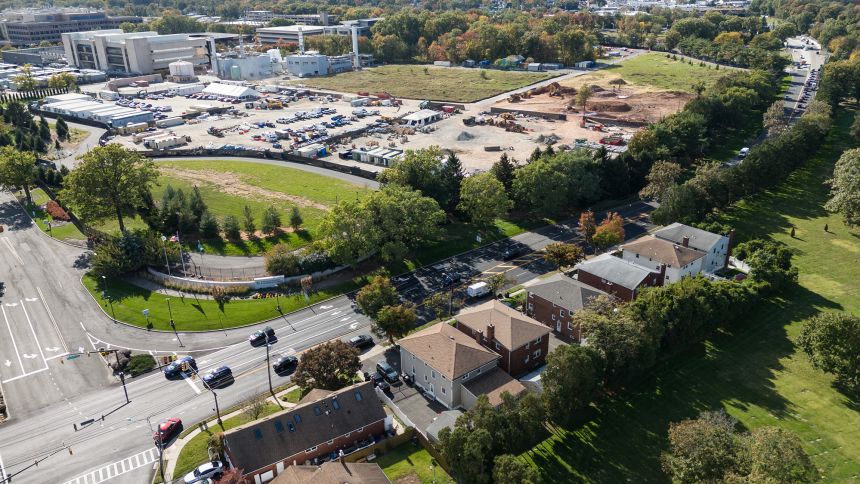
相比之下,超大规模云服务商看起来像是赢家。它们的云收入(华尔街用来衡量人工智能需求的一个指标)在第二季度增长了 50%。它们拥有巨额合同积压,并有能力承担更高的借贷成本。
Hyperscalers, by contrast, look like winners. Their cloud revenue (a stat Wall Street uses to measure AI demand) grew 50% in the second quarter. They have huge contract backlogs and the capacity to absorb higher borrowing costs.
据希金斯称,这些瓶颈能够支撑高价,这帮助超大规模云服务商的收入在过去 12 个月中激增了 19%。
Those bottlenecks can support high prices, which helped hyperscaler revenue surge 19% over the past 12 months, according to Higgins.
智能体人工智能的出现让需求爆发式增长:据 OpenRouter 称,来自智能体的请求消耗的令牌数量是人类发起请求的 15 倍。
And the advent of agentic AI has sent demand exploding: requests from agents consume 15 times as many tokens as human-initiated requests, according to OpenRouter.
“考虑到人工智能正逐渐在经济中得到越来越多的应用,这些事物的前景看起来并不明显黯淡,”希金斯说。
“The outlook for these things doesn’t look obviously bleak, given that AI is gradually being used more and more in the economy,” Higgins said.
担忧在于借贷成本可能变得难以驾驭。而这可能会改变目前仍对人工智能有利的经济模型。
The concern is that the cost of borrowing could get unwieldy. And that could change the economics that are still working for AI.
股市中弥漫的负面情绪可能开始蔓延至债市,推高债券收益率,并增加AI公司的融资成本。
Negative sentiment that’s pervasive in the stock market could start to bleed out into the bond market, sending bond yields higher and raising borrowing costs for AI companies.
莱曼指出,债市运行最理想的情况是能看到尽头。每一位AI投资者都相信隧道尽头有光。我们只是不知道这条隧道究竟有多长。
The bond market works best when there’s an end in sight, Lyman noted. Every AI investor believes there’s a light at the end of the tunnel. We just have no idea how long this tunnel is.
她说,关于企业究竟何时才能开始盈利、从巨额AI投资中赚回钱的不确定性,可能会让债市犹豫不前。
The uncertainty about when companies will ultimately start turning a profit and making money off all their massive AI investments could give the bond market pause, she said.
与此同时,摩根大通全球市场策略师斯蒂芬妮·阿利亚加在近期致投资者的报告中表示,该技术及大型公司财务的前景看起来相当强劲。预警信号将包括企业AI使用量下降、定价走低或客户承诺减少。我们目前尚未看到这些迹象。
In the meantime, the outlook for the technology and the big companies’ finances looks quite strong, said Stephanie Aliaga, a global market strategist with JPMorgan, in a recent note to investors. Warning signs would include a downshift in businesses’ AI usage, cheaper pricing or fewer customer commitments. We’re not seeing any of those yet.