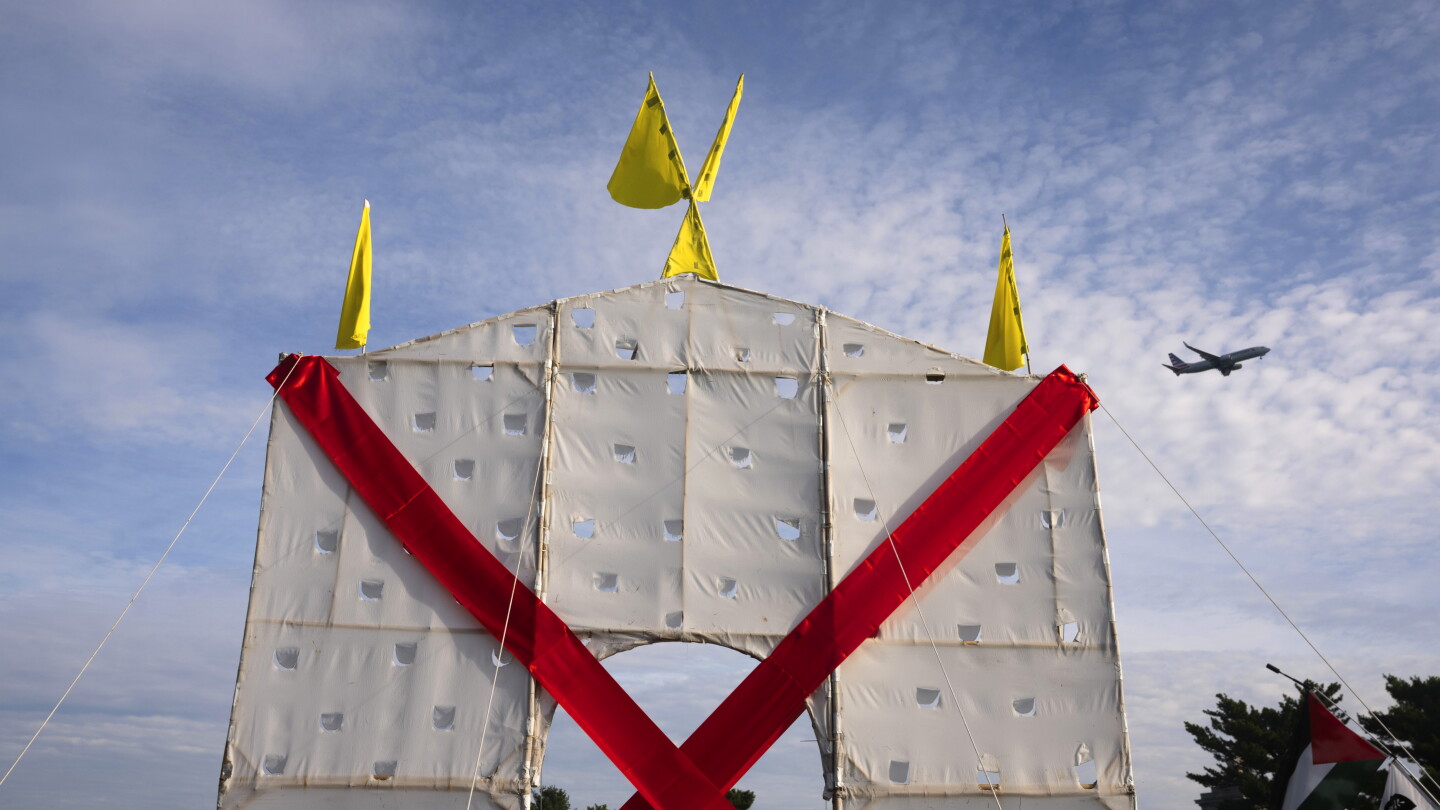
迈克尔·莱蒙1970年从越战归来时,并未在华盛顿特区受到欢迎式的接待。56年过去了,他仍在努力面对那种感受。
Michael Lemmon didn’t get a celebratory welcome back to D.C. when he returned from the Vietnam War in 1970. He still grapples with how that felt, even 56 years later.
他经常前往阿灵顿国家公墓,向战友致敬。有些日子,他会从位于华盛顿特区的家中步行前往越战纪念碑,凝视花岗岩墙上刻着的战友名字。从那里,他再走一小段路到林肯纪念堂,眺望公墓——那是战友们的长眠之地,也是他计划安葬的地方。
He often visits Arlington National Cemetery to pay respect to his fellow soldiers. Some days, he walks from his home in D.C. to the Vietnam War Memorial to see the names of his friends on the granite wall. From there, he makes the short trek to the Lincoln Memorial to look over at the cemetery — the final resting place of his comrades, and the place he plans to be buried.
“当我眺望公墓时,我个人感觉到伤痛、愤怒……创伤在消退,”他在周五的法庭听证会上说。“能够这样做,对我来说意义重大。”美国地区法院法官塔尼娅·楚特坎在承认这是不同寻常的举动后,允许莱蒙作简短证词,以便她考虑是否叫停唐纳德·特朗普总统提议建设的那座高250英尺(约76米)拱门的施工,因为该拱门将阻挡国家广场与公墓之间的视线。此类听证会通常仅限于律师辩论和主审法官提问。
“I personally feel the hurt, the anger … the trauma recede” when he looks over the cemetery, he said during a court hearing Friday. “It means an immense amount to me to be able to do that.”In what she acknowledged as an unusual move, U.S. District Judge Tanya Chutkan allowed Lemmon to give a short testimony as she considered whether to stop construction of President Donald Trump’s proposed 250-foot arch, which will obstruct the line of sight between the National Mall and the cemetery. Those hearings are usually limited to arguments from lawyers and questions from the presiding judge.
莱蒙和另外两名越战老兵于2月提起诉讼,以阻止拱门建设,理由是政府绕过了国会批准,且拱门将破坏公墓的宁静氛围。这三名男子的律师请求奥巴马任命的楚特坎法官发布初步禁令,在法庭文件中辩称,如果推迟挖掘工作,政府不会受到任何损害。
Lemmon and two fellow Vietnam War veterans filed a lawsuit in February to prevent construction of the arch, arguing that the administration sidestepped congressional approval and that the arch would impede the peaceful atmosphere of the cemetery. Lawyers for the three men asked Chukan, an Obama appointee, to issue a preliminary injunction, arguing in court documents that no harm will come to the government if excavation work is postponed.
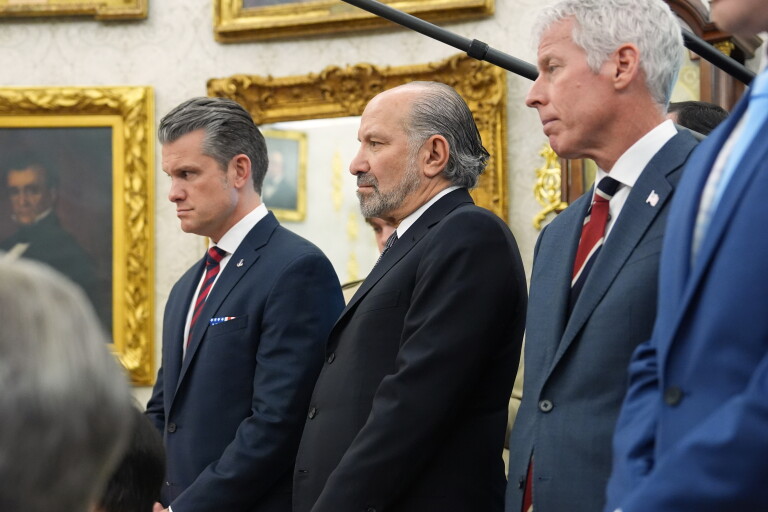
特朗普政府律师周五辩称,该拱门是一项“高优先级项目”,任何推迟都将构成对联邦政府工作的“严重侵犯”。副助理司法部长罗伯特·斯坦德在听证会上将该拱门捧为国家安全事项,援引国防部长皮特·赫格塞斯和国土安全部长马克韦恩·马林近期提交的法庭宣誓书,暗示计划将该拱门用作无人机防御设施。
Trump administration lawyers on Friday argued the arch is a “high-priority project” and that any postponement would be a “serious infringement on the work of the federal government.”Robert Stander, deputy assistant attorney general, propped the arch up as a matter of national security at the hearing, referring to recent court affidavits filed by Defense Secretary Pete Hegseth and Homeland Security Secretary Markwayne Mullin that imply plans to use the arch as a drone defense facility.
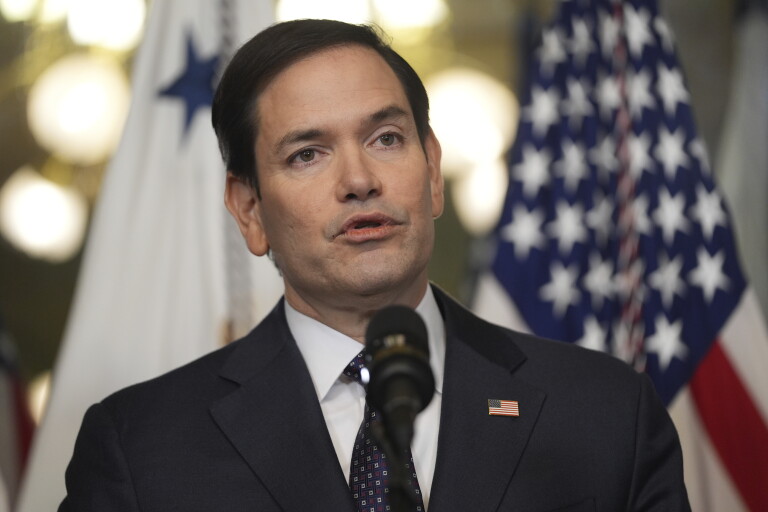
“这是一件非常严肃的大事,”斯坦德在听证会上说。“我们都知道曾发生过针对总统的暗杀企图。……该拱门是一代人的国家防御机遇。”对于楚特坎关于宣誓书中概述的拱门将支持军事行动的断言提出的质询,斯坦德未予回答。
“This is a very serious business,” Stander said at the hearing. “We all know there have been assasination attempts on the president. … The arch is a generational national defense opportunity.”Stander did not answer questions from Chutkan about assertions that the arch would support military operations as outlined in the affidavits.
楚特坎驳斥了政府的国家安全理由,该理由首次出现在周四的法庭文件中。她表示,政府同时也将该拱门吹捧为预计每天吸引2000至22000名游客的旅游目的地,若将其用于军事用途,会引发许多疑问。
Chutkan pushed back on the government’s national security justification, which was mentioned in court filings for the first time on Thursday. She said plans to use the arch, which the government has also touted as a tourist destination expected to draw 2,000 to 22,000 daily visitors, for military purposes raises many questions.
楚特坎表示,她将“迅速”裁决该项目能否继续推进。她预计还将裁决这三名退伍军人是否有资格提起诉讼。
Chutkan said she would rule “expeditiously” on whether the project can proceed. She is also expected to rule on whether the three veterans have the standing to pursue the case.
斯坦德辩称,退伍军人的反对仅基于他们对该拱门所代表意义感到冒犯和厌恶,这不足以构成证明实际损害的法律资格,因此应驳回该案。
Stander argued the veterans’ objections rested solely upon being offended and disgusted by what the arch stands for, which is not enough of a legal standing to prove real harm and thus grounds for dismissal of the case.
代表退伍军人的律师温迪·刘表示,政府的论点淡化了退伍军人的经历,他们经常前往阿灵顿国家公墓祭拜战友墓地。刘说,每人都在致敬时经历过“深刻而个人化”的时刻,这些时刻将因拱门的逼近而被“亲身夺走”。
Wendy Liu, a lawyer representing the veterans, said the government’s argument diminished the experience of the veterans who often visit the graves of their friends at Arlington National Cemetery. Each has experienced “profound and personal” moments while paying their respects, which would be “personally taken away” by the arch’s looming presence, Liu said.
对于莱蒙而言,除了墓地视线受阻,律师们辩称拱门将在一座他经常探访的墓碑上投下阴影,使他的部分探访陷入黑暗之中。莱蒙称计划中的纪念碑对他认为属于“域圣领地”的墓地“不敬”。
For Lemmon, beyond the obstructed view of the cemetery, lawyers argued the arch would put a shadow over a grave he visits often, casting some of his visits in darkness. Lemmon called the planned monument “disrespectful” to what he considers the “sacred territory” of the cemetery.
“痛苦是真实的。对我们退伍军人来说,痛苦是真实的。这不仅仅关乎美观,不仅仅关乎对视野的偏好,”他说。“它深植于我们的记忆与追思之中。”
“The pain is real. The pain is real for us veterans. It’s not just some aesthetic, not just some preference for a view,” he said.”“It is deep in our memory and remembrance.”