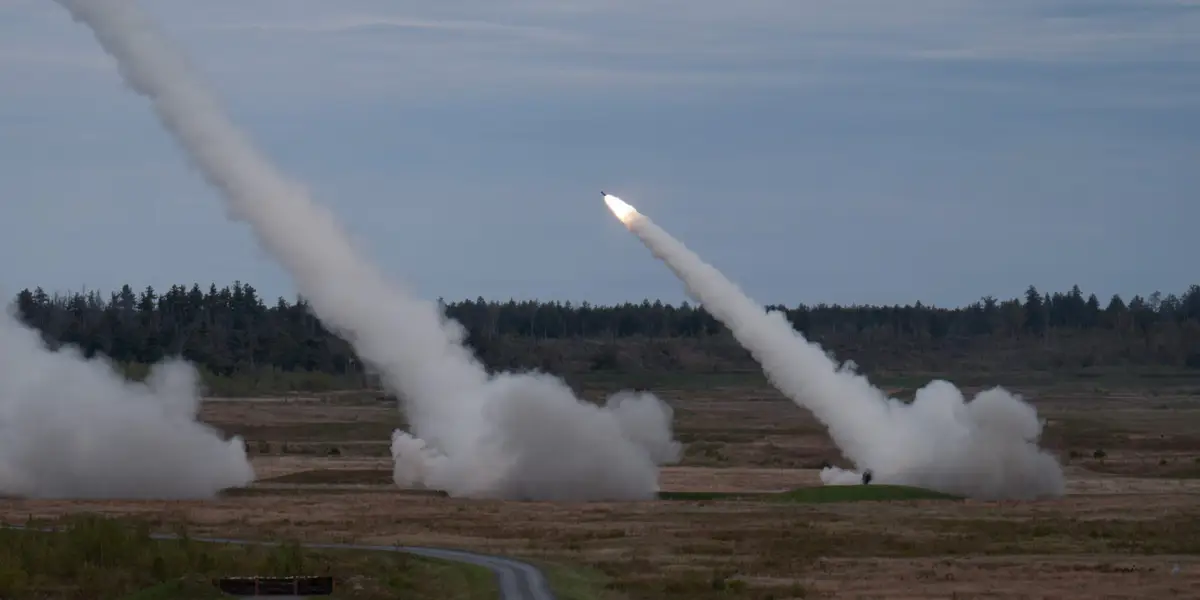
驻欧美军士兵正在为大规模战斗以及乌克兰所面临的那种压倒性导弹和无人机袭击做准备,海量威胁可能使人类难以应对,因此美军正寻求软件解决方案。人们越来越担心,未来战争的速度和规模可能过大,若无辅助将超出人类处理能力;不过,陆军官员表示,人工智能可帮助士兵处理来自传感器和网络的海量数据,在战斗中提供潜在应对方案。
US Army soldiers in Europe are readying for large-scale combat and the kind of overwhelming missile and drone attacks Ukraine is facing, where the massive number of threats can make it difficult for humans to keep up, and are looking to software for solutions. Concern that the speed and scale of future warfare could be too great for humans to handle without help is growing; however, Army officials have said artificial intelligence can help soldiers process large amounts of data from sensors and networks to deliver potential responses in a fight.
在上个月于华盛顿特区举行的美国陆军协会年会上,陆军领导和士兵探讨了利用 AI 处理战场数据、辅助部队决策,同时不将人类排除在流程之外。驻欧多域指挥部负责人、陆军准将史蒂文·卡彭特对《商业内幕》表示:“我认为利用超级智能……处理人类不一定擅长的事情很重要,那就是速度和规模,但我也知道我们不应让人类完全脱离决策循环。”
At the Association of the United States Army convention in Washington, DC, last month, service leaders and soldiers spoke about using AI to process battlefield data and help troops make decisions without removing humans from the process. "I think it's important to use super intelligence… for things that humans aren't necessarily good at, and that's speed and scale," Brig. Gen. Steven Carpenter, head of Multi-Domain Command Europe, told Business Insider, "but I also know we shouldn't take humans completely out of the loop."
今年早些时候,卡彭特曾告诉记者,驻欧美军需准备好每天处理 1500 多个潜在目标,同时防御多达 1200 枚来袭导弹和无人机。如此数量的目标和威胁可能压垮人类分析师,而 AI 可助其跟上节奏。在冲突中,士兵可利用 AI 根据指挥官目标和其他参数分析战场数据和目标。系统随即评估可用军事能力并推荐应对方案,涵盖常规武器打击、电子战或网络行动。
Earlier this year, Carpenter told reporters that US forces in Europe needed to be prepared to process more than 1,500 potential targets a day while also defending against as many as 1,200 incoming missiles and drones. That volume of targets and threats could overwhelm human analysts, but AI could help them keep up. In a conflict, soldiers could use AI to analyze battlefield data and targets based on a commander's objectives and other parameters. The system could then assess available military capabilities and recommend responses, from conventional weapons strikes to electronic warfare or cyber operations.
整个流程旨在快速推进,但官员称速度并非唯一优势。AI 还能记忆或识别人类可能遗忘、甚至根本未察觉的模式。所有这些信息为指挥官提供了选项。
The entire process is intended to move quickly, but officials say speed isn't the only benefit. AI can also remember or recognize patterns that humans might forget or not even notice in the first place. And all of that information provides commanders with options.
“因此,再次强调,是人类在做决定,做出最终裁定,审视根据武装冲突法起诉有效目标所需的一切要素,”卡彭特说。他说,其初衷“并非要取代那些分析师”,而是最终帮助“减轻他们的负担,使他们能专注于真正棘手的目标”,例如双用途设施或其他需要更多分析的潜在目标。卡彭特表示,对目标和威胁的估算反映了“我们认为乌克兰最糟糕的一天会是什么样子”,这凸显了美军在未来冲突中可能面临的攻击规模。
"So again, the human is making the decision, the final call, looking at everything that you need to do in order to prosecute a valid target within the Law of Armed Conflict," Carpenter said. He said the intent "isn't to replace those analysts," but rather to ultimately help "unburden them so that they're focusing on the really tough targets," such as a dual-use facility or other potential targets that need more analysis. Carpenter said that the estimates for targets and threats reflect "what we think Ukraine's worst day is," underscoring the scale of attacks US forces could face in a future conflict.
俄罗斯对乌克兰的战争涉及频繁、猛烈的无人机和导弹轰炸。这些打击组合十分复杂,由弹道导弹、巡航导弹以及单程攻击型无人机组成,其中越来越多的无人机装备了喷气发动机,使其速度更快、更难拦截。今年早些时候,美军与北约在欧洲举行的一项联合演习中,部队使用了一套自主研发的AI系统来处理和分类数据。
Russia's war against Ukraine has involved frequent, heavy drone and missile bombardments. These strike packages are complex, consisting of ballistic and cruise missiles, as well as one-way attack drones, more and more of which are equipped with jet engines that make them faster and harder to kill. Earlier this year, a joint US Army and NATO exercise in Europe saw troops use a homegrown AI system to consume and sort data.
该AI系统当时处于测试阶段;陆军官员表示,他们计划在未来的演习中对其进行更大规模的测试。AI在军队各领域的融合正在加速,范围涵盖无人机、武器和瞄准系统中的自主功能,以及用于筛选数据和查阅信息的智能体流程。除了战场之外,美军人员还在使用新工具来变革体制流程和工作流。陆军还将AI融入其“下一代指挥与控制”系统,这是该军种新的作战系统。
The AI was in beta-testing; Army officials said they aimed to test it on a larger scale at a future exercise. The integration of AI across the military is moving fast, spanning from autonomous features in drones, weapons, and targeting to agentic processes for sorting through data and referencing information. Beyond the battlefield, US personnel are using new tools to change institutional processes and workflows. The Army is also incorporating AI into its Next Generation Command and Control, the service's new warfighting system.
NGC2利用AI和机器学习,为指挥官和士兵提供关于瞄准、能力、弹药水平、维护需求、情报信息流以及模拟敌方攻击的实时数据。
NGC2 uses AI and machine learning to provide commanders and soldiers with real-time data on targeting, capabilities, ammunition levels, maintenance needs, intelligence feeds, and simulated enemy attacks.