
五十年前的这个月,一群左翼苏格兰人聚集在斯特灵的“金狮”酒店,举行了一个新政党的成立大会。1976年初,“苏格兰工党”正式脱离工党,原因是对该党关于新苏格兰议会的胆怯提案感到幻灭。他们由南艾尔郡激进议员吉姆·西拉尔斯领导,他承诺将苏格兰的工党传统带回其社会主义和自治的根源。
Fifty years ago this month, a group of leftwing Scots gathered in the Golden Lion hotel in Stirling for the inaugural conference of a new political party. The “Scottish Labour party” had formally split from Labour at the beginning of 1976, driven by disillusionment over the party’s timid proposals for a new Scottish assembly. They were led by the firebrand MP for South Ayrshire, Jim Sillars, who promised to take Scotland’s Labour tradition back to its roots in both socialism and home rule.

西拉尔斯的新党在苏格兰引起媒体轰动,并迅速吸引了汤姆·内恩、哈米什·亨德森和尼尔·阿舍森等公共知识分子加入。它提供了一种新颖而令人振奋的东西:将两场为争夺苏格兰灵魂而战的运动融合在一起,而那个十年已经由工党与苏格兰民族党之间的选举冲突所定义。
Sillars’ new party was a media sensation in Scotland, and quickly joined by public intellectuals such as Tom Nairn, Hamish Henderson and Neal Ascherson. It offered something new and exciting: a fusion of the two movements that were battling for Scotland’s soul in a decade that had already been defined by electoral clashes between Labour and the Scottish National party.
然而,该党在激发西拉尔斯将未来押在其身上的工人阶级选民方面举步维艰。它确实吸引了来自国际马克思主义集团的一小批托洛茨基主义积极分子,并在1976年10月的会议上,西拉尔斯策划了一场对极左翼的强硬清洗,导致会议程序几近演变成暴力冲突。一度,该党全国组织委员会的一名成员搬出了艾尔郡的采矿业传统来对抗“混入”威胁,大喊道:“我们应该穿上他妈的矿工靴,冲进去痛打他们!”
The party struggled, however, to enthuse the working-class voters on whom Sillars had gambled his future. It did attract a handful of Trotskyist activists from the International Marxist Group, and at the October 1976 conference, Sillars orchestrated a heavy-handed purge of the far left, causing proceedings to degenerate into near-violence. At one point, a member of the party’s national organising committee summoned up Ayrshire’s mining heritage against the “entryist” threat, yelling: “We should get our fucking pit boots on and wade into them!”
安迪·伯恩汉姆本月早些时候的言论没有那么直白,当时在苏格兰民族党于阿伯丁召开会议期间,他在马瑟韦尔发表了自己的演讲,表示愿意就苏格兰进一步权力下放展开合作。会议本身要和平得多,苏格兰民族党此前已经随着阿莱克斯·萨尔蒙德的阿尔巴党的分裂而摆脱了其“原教旨主义”翼(值得注意的是,西拉尔斯也对该党表示了支持)。
Andy Burnham was not quite as forthright earlier this month, when, midway through the SNP’s conference in Aberdeen, he delivered his own speech in Motherwell, offering to cooperate on further devolution within Scotland. The conference itself was far more peaceful, the SNP having already shed its “fundamentalist” wing with the breakaway of Alex Salmond’s Alba party (which Sillars, it’s worth noting, also endorsed).
伯恩汉姆、约翰·斯温尼和威尔士首席大臣鲁恩·阿普·约鲁斯于周五举行的国家经济委员会会议,强调了三个政府寻求将下放权力与再工业化结合起来的共同议程——这正是苏格兰工党在1976年所呼吁的。但是,苏格兰工党在斯特灵的那场公开崩溃中从未恢复元气,它对这项对伯恩汉姆与苏格兰民族党之间关系至关重要的事业作出了另一项贡献。
The National Economic Council meeting on Friday between Burnham, John Swinney and the Welsh first minister, Rhun ap Iorwerth, emphasised the shared agenda of three governments seeking to combine devolved power with reindustrialisation – precisely what the SLP was calling for in 1976. But the SLP, which never recovered from its public meltdown in Stirling, made another contribution to the cause that matters intensely to the relationship between Burnham and the SNP.
为了让社会主义者能够接受民族自决,西拉尔斯的政党通过拥护新的欧洲经济共同体,试图消除其政治中任何分离主义的痕迹,并提出了“欧洲独立”的主张。随着货物、人员和服务的自由跨境流动,独立将不再意味着分裂,而仅仅意味着实行自治、相互依存的国家之间的真正平等。
Keen to make national self-determination palatable to socialists, Sillars’ party sought to remove any hint of separatism from its politics by embracing the new European Economic Community, arguing for “independence in Europe”. With goods, people and services moving freely across borders, independence would no longer mean separation, but simply real equality between self-governing, co-dependent nations.
在SLP倒台后,西拉尔斯进入了苏格兰民族党(SNP),并在党内一路晋升,1991年成为副领袖。“欧洲独立”随之而来。苏格兰民族党在1970年代作为一个欧怀疑主义政党取得了一些首次突破,以“无声无入”(No voice, no entry)为口号,在1975年反对加入欧洲共同体,区别于三大亲欧共体的威斯敏斯特政党。但到了1990年代,在新欧盟日益强调小民族和少数文化权利的背景下,党完全转变了立场。
After the SLP’s collapse, Sillars found his way into the SNP, rising through the ranks to become deputy leader in 1991. “Independence in Europe” came with him. The SNP made some of its first breakthroughs in the 1970s as a Eurosceptic party, distinguishing itself from the three pro-EEC Westminster parties by campaigning against membership in 1975 with the slogan “No voice, no entry”. But by the 1990s, it had completely reversed this position, helped by the new European Union’s growing emphasis on the rights of small nations and minority cultures.
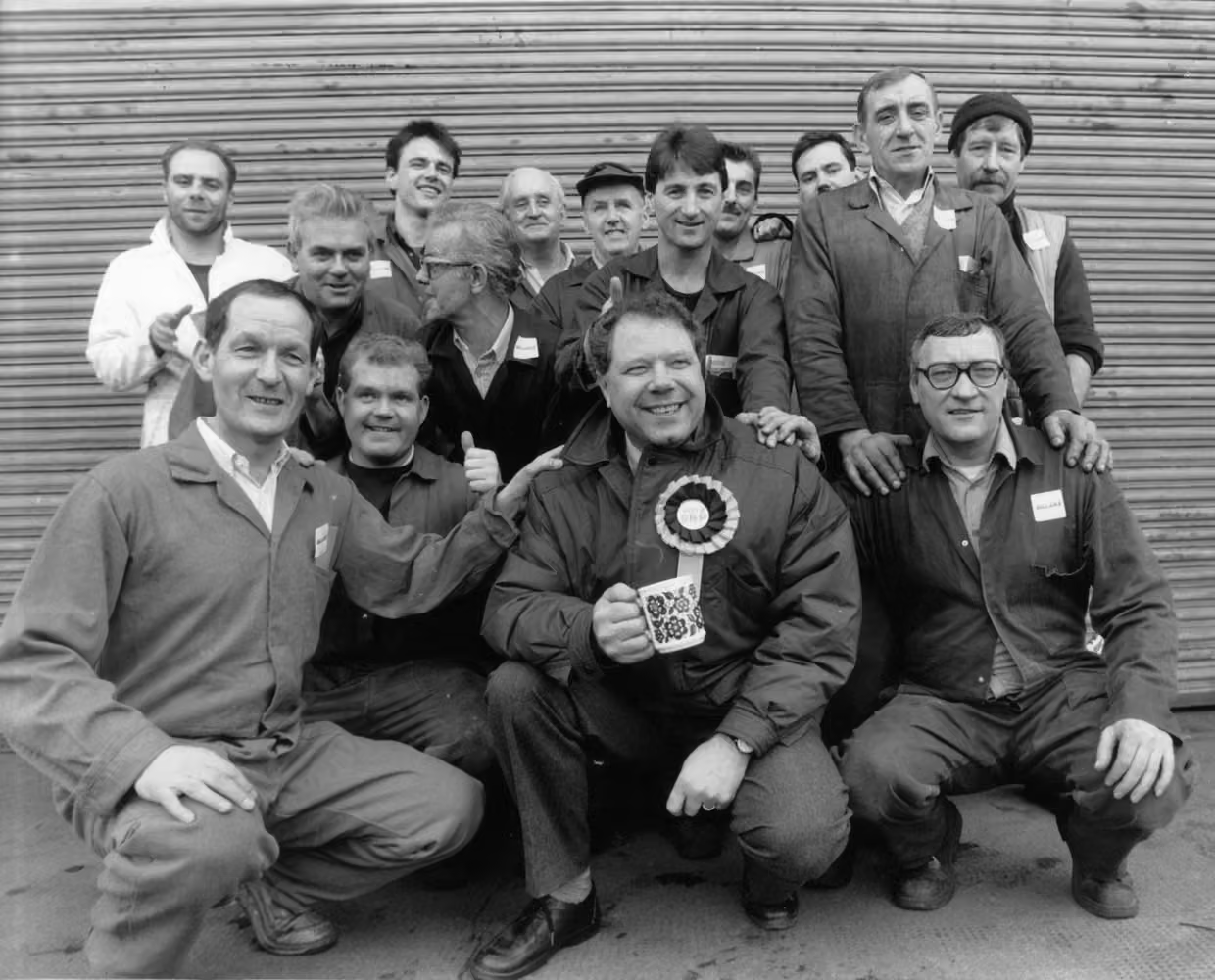
苏格兰民族党新近的欧洲主义既反映又强化了其执政国家的欧洲倾向。这也得益于苏格兰倾向于以区别于英格兰政治的方式定义自身,而英格兰在同一时期变得更为欧怀疑。当苏格兰民族党的成功促成独立公投时,欧洲议题成为核心之一。选民被告知,独立的苏格兰将成为一个新国家,必须重新申请加入欧盟。苏格兰人部分因为想保留欧洲护照而投票反对独立。两年后,他们又压倒性地投票留在那个更大的联盟中。
The SNP’s newfound Europeanism reflected and reinforced that of the country it came to govern. It was helped, too, by Scotland’s tendency to define itself against English politics, which became more Eurosceptic over the same period. When the SNP’s success produced a referendum on independence, Europe was one of the central issues. An independent Scotland, voters were told, would be a new state, and would therefore have to reapply to join the EU. Scots voted against independence partly to protect their European passports. Two years later, they voted overwhelmingly to remain in that larger union too.
然而,人口是苏格兰十倍的英格兰使结果向相反方向倾斜。于是,在短短两年、两次投票期间,苏格兰被迫在加入英国和加入欧盟之间做出选择——但顺序却不对。脱欧公投后,独立支持率短暂上升,随后又下降。苏格兰人意识到他们不想再经历一次剧烈的分裂。直到鲍里斯·约翰逊(Boris Johnson)就任首相、硬脱欧完成以及新冠疫情爆发,“是”票才稳居领先。
But England, with 10 times Scotland’s population, swung the result the other way. Scotland was thus asked, over the period of just two years and two votes, to choose between its membership of the UK and of the EU – but in the wrong order. Immediately after the Brexit vote, support for independence briefly surged, but then dropped. Scots realised they did not fancy yet another wrenching break-up. It was only with the arrival of Boris Johnson as prime minister, the conclusion of a hard Brexit, and the beginning of the Covid-19 pandemic that “yes” moved into a consistent lead.
如今,赞成和反对旗鼓许多独立运动人士依然对未来的另一场独立公投将如何展开感到担忧。独立的核心政治理由一直是,英国政治过于以英格兰为中心,苏格兰的利益被边缘化了。虽然脱欧加剧了这种结构性抱怨,但也改变了反对独立的经济论点:如果苏格兰明天投票赞成独立并重新加入欧盟,它将突然面临与英国其他地区之间的硬边界,而英国其他地区购买的苏格兰出口商品比世界上其他所有国家的总和还要多——包括整个欧盟。
Today, yes and no are neck and neck, but many independence campaigners remain concerned about how another referendum campaign might unfold. The fundamental political case for independence has always been that British politics is overwhelmingly Anglocentric, and Scotland’s interests are marginalised. While Brexit has deepened this structural complaint, it has also transformed the economic arguments against independence: if Scotland were to vote for independence and rejoin the EU tomorrow, it would suddenly face a hard border with the rest of the UK, which buys more of Scotland’s exports than every other country in the world put together – including the whole EU.
一些民族主义者认为,在这种情况下,苏格兰可以获得与北爱尔兰相同的地位,北爱尔兰已经在欧洲市场和英国市场之间找到了一个中间立场。但北爱尔兰之所以获得特殊待遇,是因为因爱尔兰划分而重燃公开冲突威胁的阴云挥之不去;苏格兰远不是一个因其与英格兰或欧洲的边界而可能引发内战的严重候选地区,极不可能受到国际社会同样敏锐的对待。
Some nationalists argue that, under such circumstances, Scotland could be granted the same status as Northern Ireland, which has found a middle ground between European and UK markets. But Northern Ireland has been given special treatment because of the simmering threat of a return to open conflict over the partition of Ireland; Scotland is not a remotely serious candidate for civil war over its borders with England or Europe and would be highly unlikely to be treated with the same sensitivity by the global community.
苏格兰民族主义的问题也是其最大的卖点:它并非由任何深层的族群怨恨所驱动,因此其支持者很难被动员起来,去做出那种可能为与英格兰彻底决裂提供正当理由的、顽固的自我牺牲。相反,它建立在对威斯敏斯特逐渐放弃那些似乎让英国变得有价值的事物——好工作、运转良好的公共服务、国际合作以及某种大致共享的道德指南针——的现代、和平且民主的不满之上。
Scottish nationalism’s problem is also its greatest selling point: it is not motivated by any deep ethnic grievance, and as such its supporters are hard to mobilise into the kind of bloody-minded self-sacrifice that might justify some deeper rupture with England. It is founded, instead, on a modern, peaceful and democratic discontent with Westminster’s gradual abandonment of everything that seemed to make Britain worthwhile: good jobs, functioning public services, international cooperation and a vaguely shared moral compass.
伯纳姆因此对苏格兰民族党构成了实质性威胁,因为他承诺恢复的正是这种对英国的怀旧愿景——其传播技巧终于能与苏格兰民族党抗衡,并许诺“赋权地区”。但这同时也提供了一个机会。很难想象伯纳姆,无论他执政三年还是十年,真能复活他在演讲中描绘的那个体面工作、英国工业和社会保障并存的失落世界。但他似乎越来越有可能不得不重建英国与欧洲的部分关系,作为其更广泛议程的前提条件。
Burnham is therefore a meaningful threat to the SNP, for this is precisely the nostalgic vision of Britain that he promises to restore – with messaging skills that can finally rival the SNP’s and promises of “regional empowerment”. Yet it offers an opportunity as well. It is hard to imagine that Burnham, whether he has three years in power or a decade, will truly be able to resurrect the lost world of dignified work, British industry and social security that he conjures up in his speeches. But it looks increasingly plausible that he may have to rebuild some of Britain’s relationships with Europe as a precondition of his wider agenda.
那将修复苏格兰真正需要保持完好的那座桥梁,以便在伯纳姆其余计划失败时,苏格兰能成功冲刺走向独立。罗里·斯科索恩是一位常驻爱丁堡的历史学家和作家
That would repair the one bridge that Scotland truly needs intact for a successful sprint towards independence, should the rest of Burnham’s project falter. Rory Scothorne is a historian and writer based in Edinburgh