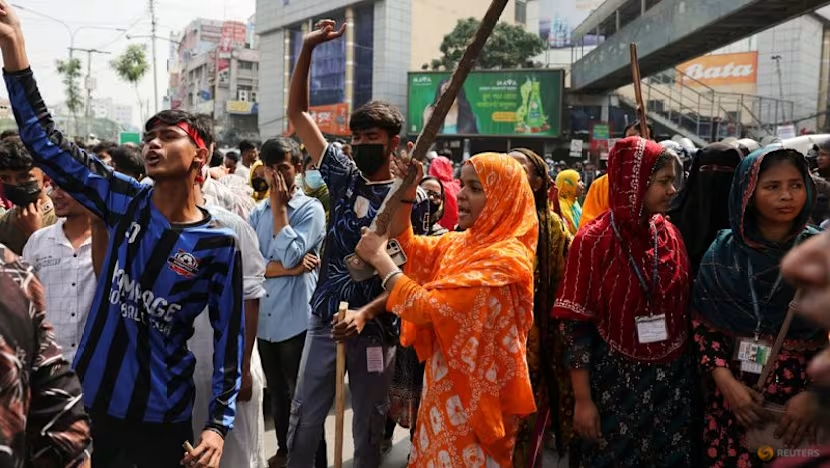
达卡:孟加拉国成衣工厂周一(11月2日)复工,此前一天因大规模停工和生产中断而关闭,但制造商仍担心因工人要求加薪而引发进一步动荡。
DHAKA: Bangladesh's garment factories reopened on Monday (Nov 2) after widespread closures and production disruptions a day earlier, but manufacturers remain concerned about further unrest over workers' demands for higher wages.
成衣行业占孟加拉国出口收入的80%以上,雇佣约400万工人,对国内生产总值(GDP)的贡献约为10%。
The ready-made garment sector accounts for more than 80 per cent of Bangladesh's export earnings, employs about four million workers and contributes around 10 per cent to the gross domestic product (GDP).
最新动荡扰乱了关键制造中心的运营,并引发了对出口发货和买家信心的担忧。孟加拉国是仅次于中国的世界第二大服装出口国,工人们要求将最低月薪从12500塔卡提高到30000塔卡(约合240美元)。
The latest unrest disrupted operations in key manufacturing hubs and raised concerns over export shipments and buyer confidence in Bangladesh, the world's second-largest apparel exporter after China, as workers demanded a minimum monthly wage of 30,000 taka (US$240), up from 12,500 taka.
这一要求反映了生活成本上涨和持续通胀带来的日益增大的压力。政府周日成立了一个由六名成员组成的最低工资委员会来审议这一要求,但这一举措未能立即平息动荡。
The demand reflects mounting pressure from rising living costs and persistent inflation. The government formed a six-member minimum wage board on Sunday to review the demand but the move failed to immediately quell unrest.
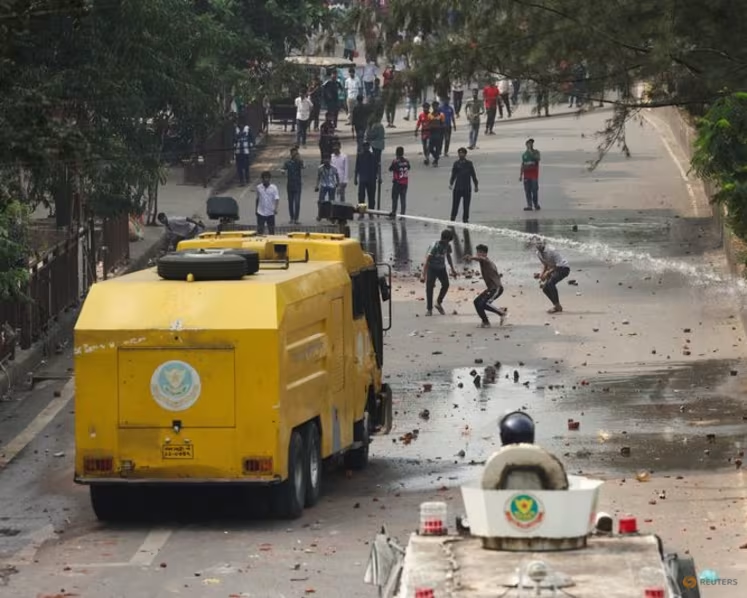
周日,工人在多个工业区设置路障,首都达卡的警方使用催泪瓦斯和水炮驱散抗议者。
Workers set up road blockades in several industrial areas on Sunday, with police in the capital Dhaka using tear gas and water cannon to disperse protesters.
“孟加拉国的成衣工资属于世界最低水平之一,”孟加拉国成衣与产业工人联合会总书记、工资委员会工人代表巴布尔·阿赫特尔说。
"Bangladesh has among the lowest garment wages in the world," said Babul Akhter, general secretary of the Bangladesh Garment and Industrial Workers Federation and a workers' representative on the wage board.
“如果工厂主无法给工人支付合理工资,他们应与国际买家谈判更好的价格。他们不能建立在低薪工人背上的生意。” 安全部队于2026年11月1日在孟加拉国达卡使用水炮驱散抗议加薪的成衣工人。“不工作,不付薪规定”工厂主表示,该行业面临成本上升、与中东冲突挂钩的能源市场不确定性以及主要出口市场需求放缓的问题。
"If factory owners cannot pay workers properly, they should negotiate better prices with international buyers. They cannot build a business on the backs of underpaid workers." Security forces use a water cannon to disperse garment workers protesting for higher wages in Dhaka, Bangladesh on Nov 1, 2026. “NO WORK, NO PAY PROVISION”Factory owners said the industry faces higher costs, energy market uncertainty linked to conflict in the Middle East and slowing demand in key export markets.
孟加拉国成衣制造商与出口商协会(BGMEA)表示,多个城市的示威活动扰乱了529家工厂的运营,影响近百万工人。
The Bangladesh Garment Manufacturers and Exporters Association (BGMEA) said demonstrations in multiple cities disrupted operations at 529 factories and affected nearly one million workers.
“政府已经通过组建工资委员会迈出了一步。我们期望工人允许审查程序继续进行,”孟加拉国制衣制造商和出口商协会(BGMEA)主席马哈茂德·哈桑·汗说。
"The government has already taken a step by forming the wage board. We expect workers to allow the review process to proceed," said BGMEA President Mahmud Hasan Khan.
“如果今天晚些时候爆发抗议,我们被迫关闭工厂,我们将别无选择,只能援引‘不工作、不付薪’条款,”他说,并补充称行业代表定于会见内政部长,讨论动荡局势。
"If protests break out later in the day and we are forced to shut factories, we will have no option but to invoke the 'no work, no pay' provision," he said, adding industry representatives were scheduled to meet the home minister to discuss the unrest.
达卡大学经济学教授赛利姆·拉伊汉表示,考虑到高通胀和工资被压制,工人的诉求是可以理解的,这可能引发进一步动荡。
Selim Raihan, an economics professor at the University of Dhaka, said workers' demands were understandable given high inflation and suppressed wages could cause further unrest.
不过,他警告称,大幅加薪可能会推高生产成本,压缩出口商利润空间,并削弱孟加拉国的价格竞争力。
However, he cautioned that a substantial wage increase could raise production costs, squeeze exporters' profit margins and weaken Bangladesh's price competitiveness.
“分阶段调整工资、提高生产率以及国际买方给出更公平的价格,对于平衡工人福利与产业可持续性至关重要。”
"A phased wage adjustment, improved productivity and fairer pricing from international buyers are essential to balancing workers’ welfare with industrial sustainability."