过去一年半,中国向世界展示了其经济武器库的威力——首先是针对美国。2025年4月,北京对美国关税进行了有力反击,对稀土元素实施了等额的全面关税和出口管制。这一反击动摇了债券市场,扰乱了汽车供应链,迫使华盛顿寻求一场至今仍在持续的休战。
Over the past year and a half, China has shown the world the power of its economic arsenal—starting with the United States. In April 2025, Beijing retaliated forcefully against U.S. tariffs, imposing matching across-the-board levies and export controls on rare-earth elements. This counterpunch rattled bond markets and disrupted auto supply chains, forcing Washington to seek a truce that persists to this day.
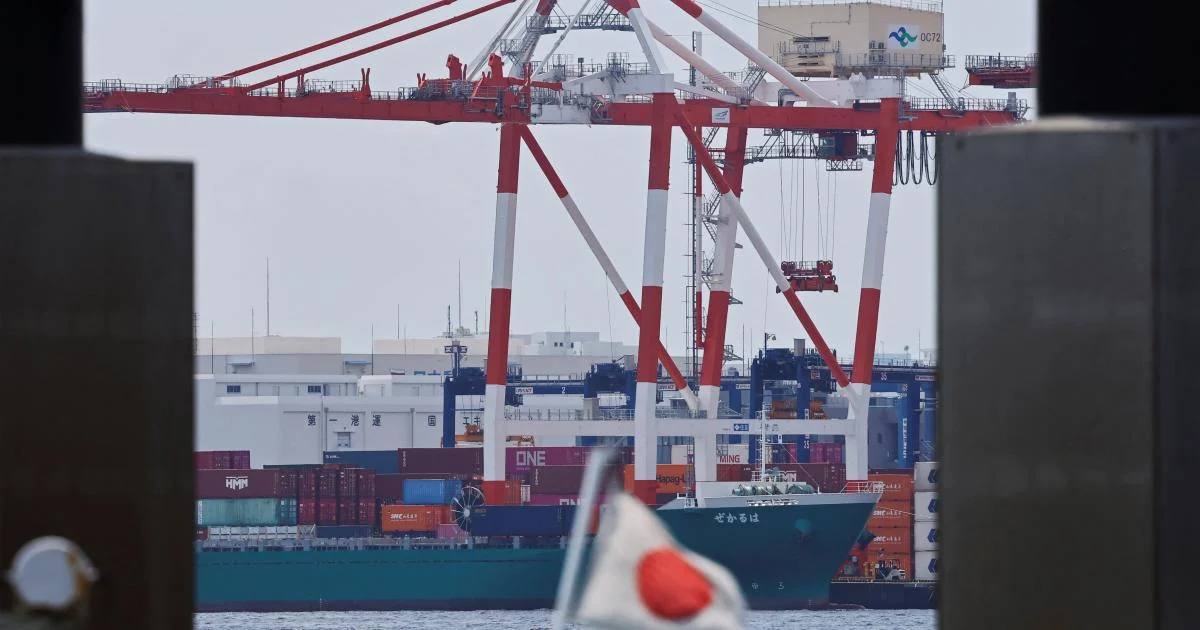
接下来,中国瞄准了日本。在日本首相高市早苗将中国可能对台湾实施海上封锁描述为“可能证明部署日本自卫队合理的生存威胁局势”之后,北京于2025年11月对日本实施了窒息性的稀土出口禁令。华盛顿不愿重新激化与北京的紧张关系,只提供了象征性的支持。东京立场坚定,拒绝收回高市早苗的言论;限制措施仍然有效,日本的矿产储备正在减少。
Next, China targeted Japan. After Japanese Prime Minister Sanae Takaichi described a potential Chinese naval blockade of Taiwan as a “survival-threatening situation” that could justify deploying Japan’s Self-Defense Forces, in November 2025, Beijing imposed suffocating bans on rare-earth exports to the country. Reluctant to reinflame tensions with Beijing, Washington offered nothing more than token support. Tokyo has held firm, refusing to walk back Takaichi’s statement; the restrictions remain in force, and Japan’s mineral stockpiles are dwindling.
随后,欧洲也遭到了攻击。对与中国的贸易逆差已达到每天11亿美元感到厌倦,欧盟于5月开始探索新的关税,以应对中国的产能过剩。在中国威胁采取“坚决反制措施”之际,法国总统埃马纽埃尔·马克龙在6月的七国集团峰会上敦促美国总统唐纳德·特朗普联手解决全球失衡问题。但美国再次选择袖手旁观,欧洲退缩了,选择与北京进行谈判,并由欧洲设定10月的截止日期,要求采取具体措施减少中国的贸易顺差。
Then Europe came under fire. Fed up with a trade deficit with China that had reached $1.1 billion per day, the European Union began exploring new tariffs to counter Chinese overcapacity in May. As China threatened “resolute countermeasures,” French President Emmanuel Macron urged U.S. President Donald Trump at the G-7 summit in June to join forces in addressing global imbalances. But the United States elected to sit on the sidelines again, and Europe blinked, opting for talks with Beijing, with an October deadline set by Europe to take concrete steps toward reducing China’s trade surplus.
此后,欧盟一直与北京就减少混合动力汽车、化学品和机械出口进行紧张谈判,独自承受着中国报复的威胁。
The EU has since been in tense negotiations with Beijing over reducing exports of hybrid vehicles, chemicals, and machinery, taking on the threat of Chinese retaliation alone.
中国,换句话说,正在利用美国及其伙伴之间的分歧。通过一种与特朗普政府全球关税行动相似的分而治之策略,北京已将西方联盟拆分成更易应对的碎片,使其能够逐个对抗各方。其市场份额和对关键矿产的控制起到了决定性作用,随着对报复的担忧减弱,中国已推出更为激进的出口限制和制裁。
China, in other words, is exploiting the disunity between the United States and its partners. In a divide-and-conquer strategy that mirrors the Trump administration’s own globe-spanning tariff campaign, Beijing has broken the Western alliance into more manageable pieces, allowing it to fight actors one on one. Its market heft and control over critical minerals have been decisive, and as its fear of retaliation has diminished, it has rolled out more aggressive export restrictions and sanctions. In 2023 and 2024, Beijing added only five Western companies to its Unreliable Entity List, exposing them to financial and legal penalties; in 2025 alone, it added 76.
2023 年和 2024 年,北京仅将五家西方公司列入“不可靠实体名单”,使其面临金融和法律处罚;而在 2025 年,仅这一年就新增了 76 家。
There is still hope for the United States and its allies—if they can relearn to act in concert. These countries should build a formal economic security alliance that establishes collective defense against economic coercion. The foundation of this alliance would be a pledge modeled on NATO’s Article 5, which considers an attack on one as an attack on all, in this case promising a joint response to economic coercion against any member of the alliance. Over time, this alliance could grow to address other economic challenges shared by members, just as NATO began as a security guarantee before evolving into a more integrated and expansive military alliance. It could adopt joint tariffs against Chinese overcapacity and currency manipulation, coordinate investment restrictions and export controls on advanced technology, and cooperate on critical minerals and AI development.
美国及其盟友仍有希望——前提是他们能够重新学会协同行动。这些国家应建立一个正式的经济安全联盟,以形成对经济胁迫的集体防御。该联盟的基础将是一项仿效北约第 5 条的承诺,即视对一国的攻击为对全体的攻击,在此情形下承诺对任何成员遭受的经济胁迫作出联合回应。随着时间推移,该联盟可扩大至成员共同面临的其他经济挑战,正如北约最初作为安全保障而后演变为更为一体化、范围更广的军事联盟一样。
联盟可以对中国的产能过剩和货币操纵采取联合关税,协调对先进技术的投资限制和出口管制,并在关键矿产和人工智能发展方面开展合作。
Amid transatlantic squabbles and European calls for “strategic autonomy,” a Western economic security alliance may seem more out of reach today than ever before. But enduring interests can outweigh temporary political friction. With the right policy shifts and trust-building measures—starting with the removal of Trump’s tariffs on allies and legislation that limits the U.S. president’s ability to reimpose them in the future—Washington can forge such a partnership and use it to check Chinese coercion.
在跨大西洋争端和欧洲呼吁“战略自主”的背景下,西方经济安全联盟似乎比以往任何时候都更加遥不可及。但持久的利益可以压倒暂时的政治摩擦。通过正确的政策转变和建立信任的措施——首先是取消特朗普对盟友的关税,并制定限制美国总统未来重新征收关税的能力的立法——华盛顿可以建立这样的伙伴关系,并利用它来遏制中国的胁迫。
STRENGTH IN NUMBERS The United States, Europe, and Japan are all confronting a major shared challenge: Beijing is intent on making the rest of the world more dependent on China and China less dependent on the rest of the world. Beijing subsidizes domestic production far beyond local demand, undervalues its currency by 20 to 30 percent, and enacts coercive economic measures—such as export controls and sanctions—to gain leverage over Western governments and companies and undermine policies it deems against its interest. The country’s resulting industrial overcapacity and surging exports, epitomized by a record $1.2 trillion trade surplus last year, threatens U.S., European, and Japanese industrial competitiveness and jobs. Beijing’s record of weaponizing its strengths also means that Chinese advancements in frontier technologies, such as artificial intelligence and connected vehicles, which continuously share data with external devices, pose security threats to Washington and all its partners.
力量在数量 美国、欧洲和日本都面临着一个重大的共同挑战:北京决心让世界其他地区更加依赖中国,同时让中国对世界其他地区的依赖降到最低。北京对国内生产的补贴远超当地需求,将其货币低估20%至30%,并实施胁迫性经济措施——例如出口管制和制裁——以对西方政府和公司施加影响力,并破坏其认为不符合自身利益的政策。
Individually, the United States and its allies may struggle to match Beijing’s economic leverage, particularly its chokehold on rare-earth elements. But collectively, they are far stronger. The United States, Europe, and Japan alone produce around three times the amount of economic output that China does. They are home to the vast majority of the world’s most sophisticated companies. They also control critical inputs that China depends on, including lithography machines, specialized machinery for industrial production, chemicals, and aircraft engines.
该国由此产生的产能过剩和激增的出口,以去年创纪录的1.2万亿美元贸易顺差为例,威胁着美国、欧洲和日本的工业竞争力和就业。北京将其优势武器化的记录也意味着,中国在人工智能和联网汽车等前沿技术领域的进步——这些汽车会持续与外部设备共享数据——对华盛顿及其所有合作伙伴构成安全威胁。
Despite efforts to reduce its dependence on the dollar, Beijing remains exposed to U.S. financial sanctions; only about 30 percent of China’s trade is settled in renminbi, and most of the rest is settled in dollars. The scholars Stephen Brooks and Ben Vagle have estimated that if the United States and its allies were to fully decouple from China, the harm to China’s GDP in the short run would be five to 11 times larger than that to U.S. GDP.
单打独斗时,美国及其盟友或许难以匹敌北京的经济影响力,尤其是中国对稀土元素的扼制。但联合起来,它们要强大得多。仅美国、欧洲和日本的经济产出就约为中国的三倍。它们拥有全球绝大多数最尖端的企业。它们还控制着中国依赖的关键投入品,包括光刻机、工业生产专用机械、化学品和航空发动机。尽管北京努力减少对美元的依赖,但仍易受美国金融制裁的影响;中国的贸易只有约30%以人民币结算,其余大部分以美元结算。
学者斯蒂芬·布鲁克斯和本·瓦格尔估计,如果美国及其盟友与中国全面脱钩,短期内对中国GDP的损害将是美国GDP所受损害的5至11倍。
China is also more vulnerable than it appears. Despite an official GDP growth rate of five percent last year, the economic research firm Rhodium Group estimated that the country’s actual growth rate was 2.5 to 3.0 percent. China is undergoing a prolonged real estate crisis, state-driven overinvestment, and anemic domestic demand. With Beijing unwilling to address weak consumption, exports now fuel more than half of the country’s growth, according to Rhodium’s numbers, making access to Western markets China’s economic Achilles’ heel.
中国也比表面看起来更脆弱。尽管去年官方GDP增速为5%,但经济研究公司荣鼎咨询估计,中国实际增速为2.5%至3.0%。中国正经历旷日持久的房地产危机、国家驱动的过度投资以及国内需求乏力。由于北京不愿解决消费疲软问题,根据荣鼎咨询的数据,出口如今为中国经济增长贡献过半,这使得进入西方市场成为中国经济的致命弱点。欧洲企业希望维持与美国的联系。
European businesses want to maintain ties with the United States.
若以史为鉴,这些西方国家本应能够协调行动,运用其集体力量。冷战期间,它们聚在一起成立了多边出口管制协调委员会,限制向苏联出售军事和两用技术。1973年阿拉伯石油禁运后,加拿大、日本、美国和一大批欧洲国家建立了国际能源署,要求成员国在任何成员遭遇供应中断时共享储备——实际上是一份能源领域的共同防御协定。而在2008年金融危机期间,美联储和其他盟国央行协调降息并建立紧急货币互换安排,以避免再次爆发大萧条。
If history is any guide, these Western states should be able to coordinate to use their collective power. During the Cold War, they came together to form the Coordinating Committee for Multilateral Export Controls to restrict sales of military and dual-use technology to the Soviet Union. After the 1973 Arab oil embargo, Canada, Japan, the United States, and a large group of European countries established the International Energy Agency, which required members to share reserves with any member affected by a supply cut—effectively a mutual defense pact for energy. And during the 2008 financial crisis, the U.S. Federal Reserve and other allied central banks coordinated rate cuts and established emergency swap lines to avert another Great Depression.
然而近年来,西方盟友间的集体经济举措令人失望。2021年,美欧贸易与技术委员会成立,旨在协调针对中国的产业政策和出口管制,但很大程度上沦为一个“谈话店”。2023年,欧盟在立陶宛因在维尔纽斯设立台湾代表处而遭中国抵制立陶宛商品后,建立了反胁迫工具,但迄今尚未启用。同年,七国集团宣布成立经济胁迫协调平台,承诺成员国互相预警并合作应对共同经济威胁,例如中国的非市场政策和在关键矿产上的经济胁迫。但该平台不包含任何具有约束力的承诺,且很大程度上被置之不理。
Yet in recent years, collective economic initiatives among Western allies have been underwhelming. In 2021, the U.S.-EU Trade and Technology Council was created to coordinate industrial policy and export controls toward China, but it largely devolved into a talk shop. In 2023, the EU established its Anti-Coercion Instrument after China boycotted Lithuanian goods in response to the opening of a Taiwanese Representative Office in Vilnius, but it has yet to use it. That same year, the G-7 announced a new Coordination Platform on Economic Coercion, which pledged members to warn each other and cooperate against shared economic threats, such as China’s nonmarket policies and economic coercion on critical minerals. But the platform contained no binding commitments and has largely been ignored.
这些举措因缺乏紧迫感以及欧洲国家不愿激怒中国而搁浅,中国是欧洲国家最大的贸易伙伴之一。这些举措还受到欧洲国家与拜登政府在钢铁和铝关税以及美国《通胀削减法案》中的大额国内补贴问题上的争端所限制。但特朗普第二任期的政策已是压垮骆驼的最后一根稻草。美国的关税和吞并格陵兰岛的威胁动摇了美国盟友之间的信任。
These initiatives foundered from a lack of urgency and a reluctance among European countries to antagonize China, which is one of their largest trading partners. They were also constrained by disputes between European countries and the Biden administration over steel and aluminum tariffs and the large domestic subsidies in the U.S. Inflation Reduction Act. But Trump’s second-term policies have been the nail in the coffin. U.S. tariffs and threats to annex Greenland have rattled trust among American allies.
华盛顿与北京的贸易休战打破了跨大西洋伙伴形成统一战线的幻想,并让欧洲伙伴怀疑美国是否会来援助。欧洲内部确实越来越多呼声主张“去风险”和“数字主权”——但针对的是美国,而非中国。
Washington’s trade truce with Beijing has dispelled illusions that the transatlantic partners form a united front and made European partners doubt that the United States will come to their aid. Calls are indeed growing within Europe for de-risking and “digital sovereignty”—but from the United States, not China.
这些呼声不易平息,即便特朗普之后的总统更关注联盟而非关税。拜登政府期间,盟友曾告诉美国官员,他们不会在涉及中国、乌克兰或中东的共同挑战上与美国进行更大规模的经济协调,因为担心未来的美国总统会抹去已有的进展。欧洲的担忧是有依据的。随着美国政治日益两极化,行政部门的权力不断集中。历史上为美国外交政策提供平衡的国会如今缺席。
These calls will not be easy to quiet, even if Trump is followed by a president focused less on tariffs and more on building alliances. During the Biden administration, allies told U.S. officials that they would not commit to larger-scale economic coordination on shared challenges regarding China, Ukraine, or the Middle East because they were concerned that a future U.S. president could erase the progress. Europe’s concerns are well founded. As American politics has become increasingly polarized, more power has amassed in the executive branch. Congress, which historically provided ballast in U.S. foreign policy, has been absent. When Trump announced sweeping duties under the International Emergency Economic Powers Act against U.S. allies in April 2025, Congress did effectively nothing. When the Supreme Court ruled these tariffs as unconstitutional, the administration pivoted to other tariff authorities, and again, Congress stood by.
2025年4月,特朗普依据《国际紧急经济权力法》对美国盟友宣布大规模关税时,国会实际上未采取任何行动。最高法院裁定这些关税违宪后,政府转而使用其他关税授权,而国会仍未介入。因此,重建信任需要一种超越声明和“美国回来了”之类言辞的制度性补救。
Rebuilding trust will therefore require an institutional remedy that goes beyond communiqués and professions that “America is back.”TRUST BUT VERIFY There is reason to think that the United States can repair its ties. The country still has a strong economic relationship with Europe. The value of cross-border mergers and acquisitions and investments across the Atlantic last year remained mostly normal, and total trade in goods and services between the United States and the EU increased by nearly six percent over the course of 2025. There is also little evidence a major economic rupture is coming. Despite frustrations with Washington in European capitals, European businesses want to maintain ties with the United States.
信任但要验证有理由相信美国能够修复其关系。美国仍与欧洲保持着强劲的经济联系。去年跨大西洋的跨境并购和投资规模基本保持正常,2025年美国与欧盟之间的货物和服务贸易总额增长了近6%。也几乎没有证据表明将出现重大经济断裂。尽管欧洲首都对华盛顿感到不满,欧洲企业仍希望维持与美国的联系。
More important, Europe has finally awoken to the economic threat from China, because the surge of auto and industrial exports from China to Europe poses an existential challenge for the continent’s economic model. Chinese auto exports to Europe increased by 29 percent in 2025 and by over 60 percent year-over-year in 2026 as European auto exports to China have flatlined. Germany’s mighty auto industry alone lost 50,000 jobs in 2025. Even Volkswagen, which lobbied against the EU’s tariffs on Chinese electric vehicles in 2024, has changed its tune. In July, its CEO all but urged the EU to extend tariffs to Chinese plug-in hybrids. Germany, which shed 74,000 industrial workers in non-auto sectors in 2025, has begun quietly identifying chokepoints it can use as leverage over China. Despite a provisional agreement with Beijing to curb Chinese hybrid vehicle exports in October, Brussels appears poised to unveil new measures against China on chemicals and machinery in the coming months as it finally grapples with the threat of Chinese industrial overcapacity.
更重要的是,欧洲终于意识到了来自中国的经济威胁,因为中国向欧洲激增的汽车和工业出口对该大陆的经济模式构成了生存挑战。2025年中国对欧洲的汽车出口增长了29%,2026年同比增长超过60%,而欧洲对中国的汽车出口则陷入停滞。仅德国强大的汽车工业在2025年就失去了5万个就业岗位。即使是曾在2024年游说反对欧盟对中国电动汽车征收关税的大众汽车,也改变了立场。
These challenges will only get worse in the coming years and make Europe more likely to seek the United States’ help. And in Washington, the notion of a united Western front against Beijing has bipartisan resonance.
7月,其首席执行官几乎敦促欧盟将关税扩大到中国插电式混合动力汽车。德国在2025年非汽车工业部门流失了7.4万名工人,已开始悄悄梳理可用作对华杠杆的关键节点。尽管布鲁塞尔在10月与北京达成了一项关于遏制中国混合动力汽车出口的临时协议,但随着欧盟终于开始应对中国产能过剩的威胁,预计在未来几个月将推出针对化学品和机械领域的新对华措施。
As Kurt Campbell and Rush Doshi have recently argued even if the Trump administration continues to alienate some European partners, shared interests will keep them open to allied cooperation when the next administration comes.
这些挑战在未来几年只会加剧,使欧洲更有可能寻求美国的帮助。而在华盛顿,联合西方共同对抗北京的想法在两党中都引起了共鸣。正如库尔特·坎贝尔和多希最近所主张的,即使特朗普政府继续疏远一些欧洲伙伴,共同利益也将使他们在下一届政府上台时保持对盟友合作的开放态度。
When it does, the most important step will be terminating every tariff—issued pursuant to Section 232, Section 301, Section 338, or Section 201—and pending investigation against any ally that was imposed during the second Trump administration. This would present both a unilateral demonstration of good faith and an opening gambit for negotiations on an economic security alliance. It would be a decisive break from Trump’s tariff policy and a rejection of Biden’s halfway model, which mostly turned tariffs into quotas and suspensions. It would be both politically popular, considering Americans’ dismal view of tariffs, and good for the economy, as the removal of duties could lower prices and accelerate growth. And because Trump’s tariffs have all been enacted via executive action, they can also be terminated that way.
当那一天到来时,最重要的一步将是终止第二任特朗普政府期间依据第232条、第301条、第338条或第201条发起的、针对任何盟友的所有关税及正在进行的调查。这既将展示单方面的诚意,也将为经济安全联盟的谈判打出第一步棋。这将与特朗普的关税政策彻底决裂,也将拒绝拜登的“折中模式”——后者主要只是将关税转化为配额和暂停征收。
As part of this first phase, the White House should also pledge support to any ally facing Chinese coercion, by providing targeted economic assistance or access to relevant stockpiles, such as the rare earths the Trump administration has begun amassing in its U.S. Strategic Critical Minerals Reserve.
考虑到美国民众对关税的负面看法,此举将广受欢迎;同时也有利于经济,因为取消关税可降低物价并加速增长。而且由于特朗普的关税均通过行政行动颁布,因此也可通过行政行动终止。
If the president made good on such pledges, it would demonstrate concrete benefits to potential members and build confidence in the alliance’s viability.
作为第一阶段的一部分,白宫还应承诺支持任何面临中国胁迫的盟友,提供有针对性的经济援助或相关储备的使用权,例如特朗普政府已开始在美国战略关键矿产储备中积累的稀土。如果总统兑现此类承诺,将向潜在成员展示实实在在的利益,并增强对联盟可行性的信心。
These unilateral measures would set the table for a formal economic security treaty. That treaty’s foundation would include an economic mutual defense commitment, mimicking NATO’s Article 5, which would go a long way toward restoring Western escalation dominance over China and therefore defanging Beijing’s threats. Such a pledge would have both defensive and offensive components. For defense, members would commit to providing targeted allies with economic assistance, preferential market access, and access to stockpiles of critical goods. Offensively, members would respond to coercion against an ally by applying joint sanctions, tariffs, or export controls. The United States, the EU, and Japan should form the core of this alliance given their individual economic and strategic heft, but other like-minded partners, such as Australia, Canada, and the United Kingdom, should be welcome to join as well.
这些单边措施将为正式的经济安全条约奠定基础。该条约的基石将包含一项经济相互防御承诺,仿效北约第五条,这将在很大程度上有助于恢复西方对中国的升级优势,从而消除北京威胁的锋芒。这种承诺将同时包含防御性和进攻性两个层面。在防御方面,成员国将承诺向受针对的盟友提供经济援助、优惠市场准入以及关键物资储备的获取权。
在进攻方面,成员国将通过实施联合制裁、关税或出口管制,来回应针对盟友的胁迫行为。鉴于美国、欧盟和日本各自的经济与战略分量,它们应构成该联盟的核心,但其他志同道合的伙伴,如澳大利亚、加拿大和英国,也应欢迎加入。集体经济防御可遵循类似北约的路径。
Collective economic defense could follow a path similar to NATO.
确保联盟的长久性将需要的不仅仅是行政部门做出的善意姿态。最持久的方法将是由立法支持的国会-行政协议,这将把联盟牢固地植根于美国法律之中,并使其更难以被废除。关键在于,该立法应保护盟友免受未来总统一时兴起的摆布。多年来,国会已授予行政部门广泛权力,以国家安全和其他理由征收关税——近几届政府已肆无忌惮地使用这些权力。
Ensuring the alliance’s longevity will require more than goodwill gestures carried out by executive action. The most durable approach would be a congressional-executive agreement backed by legislation, which would embed the alliance firmly in U.S. law and make it harder to unwind. Critically, this legislation should protect allies from the whims of future presidents. Over the years, Congress has delegated broad powers to the executive to impose tariffs for national security and other reasons—powers that recent administrations have used with reckless abandon.
国会条约立法可将取消这些过度关税成文,并限制对联盟成员征收任何额外关税,除非经国会批准。这种自我限制措施将使盟友有信心,该协议将经受住美国政府更迭的考验。为应对行政部门未来可能以新颖法律理论为由采取行动的可能性,条约立法还应规定,除非国会采取肯定行动予以保留,否则对联盟成员征收的任何新关税将在 60 天后自动失效。
Congressional treaty legislation could codify the removal of these excessive tariffs and restrict any additional duties on alliance members unless approved by Congress. This self-limiting measure would give allies confidence that the bargain would survive changes of U.S. administrations. To address the possibility that novel legal theories could somehow be used by the executive branch in the future, the treaty legislation should also enact an automatic sunset after 60 days on any new duties on alliance members unless Congress affirmatively acts to retain them.
最后,该法案将预先授权向面临外国经济胁迫的任何盟友提供快速援助,赋予行政部门履行该协定集体防御承诺的权力。
Finally, the bill would pre-authorize rapid assistance to any ally facing foreign economic coercion, giving the executive the authority to honor the pact’s collective defense commitment.
这些措施不仅有助于改善政府之间的信任,也有助于改善政府与私营部门之间的信任。企业在做出投资决策时,部分取决于它们是否预期国家间关系将保持稳定和可预测——通常以五年或十年为时间跨度,超出任何一届美国总统任期。当前,鉴于跨大西洋在贸易和技术方面的摩擦,许多公司正在辩论是否要为欧洲和美国建立独立的运营和供应链生态系统。
These measures would be important not only to improve trust between governments but also between governments and the private sector. Firms make investment decisions based partly on whether they expect relations between countries to remain stable and predictable—often on a five- or ten-year time horizon, beyond any one U.S. presidential term. Today, in light of the transatlantic friction over trade and technology, many companies are debating whether to create separate operational and supply chain ecosystems for Europe and the United States.
通过限制未来美国总统对盟友征收新关税的能力,一项经济安全协议将使企业有信心在联盟体系内建立持久的经济联系,即使没有正式的自由贸易协定也是如此。
By constraining a future U.S. president’s ability to impose new tariffs on alliance members, an economic security pact would give companies confidence to build lasting economic links across the alliance system, even in the absence of a formal free-trade agreement.
制定雄心勃勃的立法始终困难重重,但有理由相信美国立法者会支持此类联盟。中国的经济胁迫是两党共同关注的问题。虽然部分国会议员可能对公开反对关税持谨慎态度,但在特朗普第二任期内,关税工具已显著失去人气,恢复国会对关税政策的权威将符合国会的制度利益。
Enacting ambitious legislation is always difficult, but there is reason to believe that U.S. lawmakers would be supportive of such an alliance. Chinese economic coercion is a bipartisan concern. Although some members of Congress may be wary of coming out against tariffs, the tool has become significantly less popular during Trump’s second term, and reclaiming congressional authority over tariff policy would serve Congress’s institutional interests. In a February survey by the Harris Poll, 72 percent of Americans agreed that Trump’s tariffs have had more of a negative than a positive impact, with 60 percent of Republicans agreeing that they have negatively impacted consumers. Tariffs on allies are especially unpopular: in an Ipsos poll conducted in August, Americans opposed placing additional tariffs on Canada by nearly three to one. Tariffs have also become closely associated with inflation. In an August poll conducted by the Council on Foreign Relations and Morning Consult, 75 percent of Americans reported being concerned about the price of food and groceries, and 83 percent of that group said that tariffs had increased those prices. With affordability now Americans’ number one concern, lawmakers have strong incentives to vote for legislation limiting tariffs.
在哈里斯民调二月份的调查中,72%的美国人认为特朗普的关税带来的负面影响大于正面影响,其中60%的共和党人认为关税对消费者产生了负面影响。对盟友的关税尤其不受欢迎:在八月份进行的益普索民调中,美国人反对对加拿大加征额外关税的比例接近三比一。关税也已与通胀紧密关联。美国外交关系协会与晨间咨询在八月进行的民调显示,75%的美国人对食品和杂货价格表示担忧,其中83%的人认为关税推高了这些价格。随着可负担性成为美国人的首要关切,立法者有强烈动机投票通过限制关税的立法。
MAKING IT OFFICIAL The United States would have to lead the way for an economic security alliance, but just as important would be negotiations among potential members over the rules governing the pact itself. The agreement should spell out how collective defense would work in practice, specifying how allies can facilitate sharing commercial information and economic intelligence; who determines when economic coercion has occurred; and what kind of assistance, offensive and defensive, members can expect in such an event. If the alliance were successful in expanding its membership and scope, it could establish an independent secretariat to help it function, but the goal should be to make commitments credible without creating another sprawling international bureaucracy.
要使其正式化,美国必须率先推动建立经济安全联盟,但同样重要的是,潜在成员之间就协定本身的规则进行谈判。协定应明确集体防御在实践中如何运作,具体说明盟友如何促进商业信息和经济情报的共享;由谁来判定经济胁迫是否发生;以及在此类事件中,成员可以期待何种进攻性和防御性援助。如果该联盟成功扩大成员和范围,可以设立独立秘书处以帮助其运作,但目标应当是使承诺具有可信度,而非创建另一个庞大的国际官僚机构。
Collective economic defense would be just the starting point. Over time, the alliance could adapt to address a broader set of economic security challenges. On Chinese overcapacity, members could coordinate tariffs on the sectors most distorted by nonmarket practices such as subsidies and preferential financing, preventing Beijing from simply redirecting surplus exports from one allied market to another, or leverage a common baseline tariff on Chinese goods to compel Beijing to strengthen its undervalued currency. The same logic applies to export controls, which Western countries vary widely in applying. To break reliance on Chinese critical minerals, members could use the alliance to simplify the confusing set of international critical mineral initiatives underway by streamlining financing, making long-term purchase commitments, investing in processing, and building up stockpiles.
集体经济防御仅是起点。随着时间的推移,该联盟可以调整以应对更广泛的经济安全挑战。关于中国产能过剩,成员可以协调对受补贴和优惠融资等非市场行为严重扭曲的领域征收关税,防止北京仅仅将过剩出口从一个盟友市场转向另一个,或者利用对中国商品的共同基准关税迫使北京加强其被低估的货币。同样的逻辑适用于出口管制,西方国家在适用上差异很大。
In this way, collective economic defense could follow a path similar to NATO. The North Atlantic alliance began with a relatively simple security guarantee that evolved into a cohesive military bloc: common institutions, shared planning, interoperable capabilities, and habits of cooperation that would have been difficult to create at the outset. An economic security alliance could evolve in much the same way.
为了打破对中国关键矿产的依赖,成员可以利用该联盟简化目前正在进行的令人困惑的国际关键矿产倡议,通过简化融资、做出长期采购承诺、投资加工以及建立储备来实现。
A credible promise of mutual defense would create the confidence needed for governments and firms to integrate more deeply over time.
这样,集体经济防御便可走上一条类似北约的道路。北大西洋联盟始于一项相对简单的安全承诺,随后演变为一个紧密的军事集团:拥有共同机构、共享规划、互操作能力,以及在起初难以建立的合作习惯。经济安全联盟也可能以大致相同的方式演变。一项可信的相互防御承诺,将创造政府和企业随时间推移更深度融合所需的信心。危机过去曾为建立机构创造机遇。
Crisis has created opportunity for institution building in the past.
诚然,为自由世界建立一个经济区是一项雄心勃勃的举措,尤其是在美盟关系信任度异常低落之际。但美国、欧洲和日本无需在所有经济国家造手段上达成一致,才能建立这样一个空间,也不必指望未来政府始终拥有相同优先事项。他们需要的是能让他们在分歧中依然合作、并使其最重要的承诺足以经受政治变迁考验的机构。
To be sure, an economic zone for the free world would be an ambitious undertaking, especially at a moment of unusually low trust between the United States and its allies. But the United States, Europe, and Japan do not need to agree on all matters of economic statecraft to build such a space, nor do they need to trust that future governments will always share the same priorities. What they need are institutions that allow them to cooperate despite those disagreements and that make their most important commitments durable enough to survive political change.
地缘政治断裂时刻过去曾为建立机构提供沃土。北约诞生于对美国二战后是否会继续提供支持的疑虑之中。1956年,苏伊士危机严重损害了美英关系,但在随后几年,华盛顿与伦敦重建伙伴关系,并签署1958年《相互防御协定》,巩固核合作,进一步将两国捆绑在一起。20世纪70年代初的经济动荡,包括美国有争议地退出布雷顿森林体系和阿拉伯石油禁运,最终推动主要工业民主国家走向定期经济协调,并演变为七国集团。在每种情况下,危机都创造了机遇。
Moments of geopolitical rupture have provided fertile ground for institution building in the past. NATO emerged amid doubts about whether U.S. support would continue after World War II. In 1956, the Suez crisis badly strained U.S.-British relations, but in the years following, Washington and London rebuilt their partnership and established the 1958 Mutual Defense Agreement, which solidified nuclear cooperation and further bound the two countries together. The economic turmoil of the early 1970s, including the United States’ controversial exit from the Bretton Woods system and the Arab oil embargo, ended up pushing the major industrial democracies toward regular economic coordination that evolved into the G-7. In each case, crisis created opportunity.
今天,对华盛顿而言最艰难的部分将是接受对其单边行动自由的限制。两党总统长期以来都对立法机关对行政权力的制衡心存戒备,担心束缚自己的手脚会示弱。但如果美国的权力受到可预测规则的约束,盟友将更放心地依赖它。如果盟友担心美国的经济实力,他们将对其进行对冲。华盛顿保留将经济武器用于盟友的权利,将难以在市场、技术和资本领域调动其同盟体系的集体力量。
Today, the hardest part for Washington will be accepting constraints on its freedom to act unilaterally. Presidents of both parties have long been wary of legislative checks on executive power out of fear that binding their hands would signal weakness. But if American power is constrained by predictable rules, allies will be more comfortable depending on it. If allies fear American economic power, they will hedge against it. Washington, in reserving the right to turn its economic weapons against its allies, will struggle to mobilize the collective weight of its alliances in markets, technology, and capital.
中国的分化瓦解策略利用了美国同盟体系内部的不信任。恢复这种信任将要求华盛顿作出无论谁入主白宫都能持久的承诺。经济安全同盟的核心押注在于:美国可以通过放弃对盟友的部分杠杆,从而获得对中国的杠杆。自由世界的经济区可以扭转对华局势,但前提是美国将自己绑在桅杆上。
China’s divide-and-conquer strategy has capitalized on distrust within the U.S. alliance system. Restoring that trust will require Washington to make commitments that persist no matter who occupies the White House. The central wager of an economic security alliance is that the United States can gain leverage over China by surrendering some leverage over its allies. An economic zone for the free world can turn the tide against China, but only if the United States ties itself to the mast.