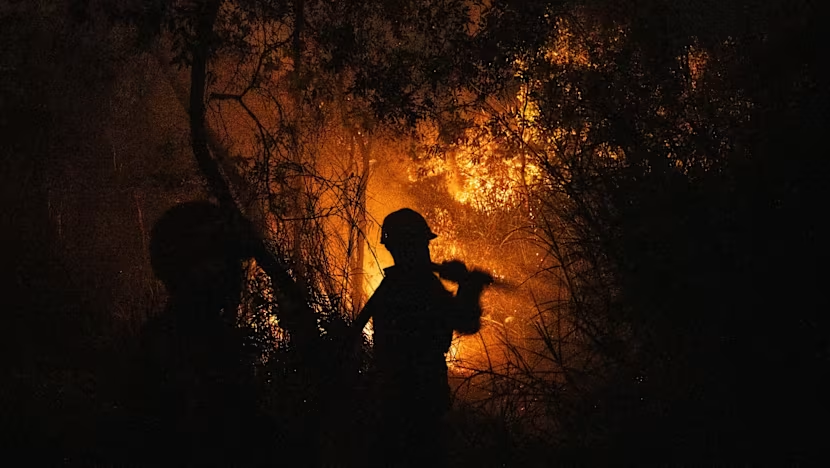
想像一下,付费保护数千公里外的一座森林,结果却看到它毁于大火。你所支付的气候效益也随之灰飞烟灭了吗?
Imagine paying to protect a forest thousands of kilometres away, only to see it go up in flames. Has the climate benefit you paid for gone up in smoke too?
企业购买包括印度尼西亚在内的海外碳信用额,以抵消其运营产生的碳排放。
Companies purchase carbon credits overseas, including from Indonesia, to offset emissions from their operations.
据碳市场数据库 Allied Offsets 的数据显示,该市场持续吸引着关注,去年有来自亚太地区的 1,056 名新买家进入碳信用市场。
The market continues to attract interest, with 1,056 new buyers from the Asia-Pacific region entering the carbon credit market last year, according to carbon market database Allied Offsets.
但随着印尼的山火蔓延至与碳信用项目相关的地区,人们开始质疑这些碳信用额是否仍然有效、释放的碳成本由谁承担,以及现有的保障措施是否足够。企业为什么要购买碳信用额以及如何购买?
But with Indonesia's wildfires reaching areas linked to carbon credit projects, questions are emerging over whether those credits remain valid, who bears the cost of the carbon released, and whether existing safeguards are sufficient. Why and how do firms buy carbon credits?
碳信用额允许企业通过支付在其他地方减少或清除碳排放的费用,来补偿航空、航运和制造业等活动产生的碳排放。
Carbon credits allow companies to compensate for emissions generated by activities such as air travel, shipping and manufacturing, by paying for emissions reductions or removals elsewhere.
一个碳信用额代表从大气中减少或清除的 1 吨温室气体排放量。
One carbon credit represents 1 tonne of greenhouse gas emissions reduced or removed from the atmosphere.
例如,森林保护项目可以通过防止森林砍伐以及树木和土壤中储存碳的释放来产生碳信用额。其他项目则通过清除大气中已经存在的二氧化碳来获得碳信用额。
Forest conservation projects, for instance, can generate credits by preventing deforestation and the release of carbon stored in trees and soil. Other projects earn credits by removing carbon dioxide already in the atmosphere.
在这些碳信用额出售之前,必须对节约的碳排放量进行计算和独立核实。
Before these credits can be sold, the emissions saved must be calculated and independently verified.
与通过用清洁能源替代化石燃料来减少排放的项目不同,森林项目面临着额外的风险:树木和土壤中储存的碳随后可能会通过火灾或森林砍伐释放出来。森林火灾会一笔勾销碳信用额吗?
Unlike projects that reduce emissions by replacing fossil fuels with cleaner energy, forest projects face an additional risk: Carbon stored in trees and soil can later be released through fires or deforestation. Do forest fires wipe out the credit?
当受保护的森林燃烧时,其植被和土壤中储存的碳可能会被释放回大气中,这可能会抵消该项目获得信用额所实现的部分减排量。
When a protected forest burns, carbon stored in its vegetation and soil can be released back into the atmosphere, potentially undoing some of the emissions savings that the project was credited for delivering.
然而,一场火灾并不会自动使一个项目先前发行的所有碳信用额全部失效。专家必须首先确定破坏程度以及实际上释放了多少碳。
However, a fire does not automatically invalidate all the carbon credits previously issued by a project. Experts must first determine the extent of the damage and how much carbon has actually been released.
虽然卫星图像可以识别火灾热点和烧毁区域,但它们可能无法捕捉到破坏的全部程度,特别是火灾可以在地下持续燃烧的泥炭地。
While satellite images can identify fire hotspots and burnt areas, they may not capture the full extent of the damage, particularly in peatlands where fires can continue burning underground.
国际排放交易协会(IETA)亚太区总监比约恩·方登(Bjorn Fonden)表示,评估火灾的影响需要超越可见的破坏,以确定该项目是否实现了预期的气候效益。
Mr Bjorn Fonden, Asia-Pacific director at the International Emissions Trading Association (IETA), said assessing a fire's impact requires looking beyond the visible damage to determine whether the project has delivered its intended climate benefits.
他表示:“当我们审视火灾时,我们提出的问题不仅仅是树木是否仍然立着,而是该项目是否阻止了本会发生的排放。”
"When we look at the fires, the question we ask is not simply are the trees still standing, but if the project prevented emissions that otherwise would have happened," he said.
他补充说,独立核查人员必须进行科学的实地测量,包括评估有多少地下泥炭和生物量被烧毁。
He added that independent verifiers must conduct scientific field measurements, including assessing how much underground peat and biomass has burnt.
这些调查结果随后被用于确定先前获得信贷的碳减排量是否已被逆转。
These findings are then used to establish whether previously credited emissions savings have been reversed.
受火灾影响的项目在随后几年中可能会产生较少的新信贷。如果火灾释放了与已经发行的信贷相关的碳,可能还需要对损失进行赔偿。碳信贷购买者如何受到保护?碳信贷项目使用的主要保障措施之一是一种被称为缓冲池的安排。
A project affected by fire may generate fewer new credits in subsequent years. If the fire releases carbon associated with credits already issued, the loss may also need to be compensated for. How are carbon credit buyers protected? One of the main safeguards used by carbon credit programmes is an arrangement known as a buffer pool.
在该系统下,森林项目产生的一部分信贷被扣留不出售,而是放入一个共享储备中。
Under this system, a portion of the credits generated by forest projects is withheld from sale and placed in a shared reserve.
这些信贷充当了针对包括野火、洪水和其他灾害在内的不可预见事件的保险。
These credits act as insurance against unforeseen events, including wildfires, floods and other disasters.
当发生逆转时——这意味着先前被阻止释放到大气中的碳被重新释放回大气中——缓冲池中的信贷可以被注销,以补偿经核实的损失。
When a reversal occurs – meaning carbon previously prevented from being released from the atmosphere is released back into it – credits from the buffer pool can be cancelled to compensate for the verified loss.
这旨在补偿碳损失并维护已经发行的信贷的完整性,尽管它无法消除灾害释放的排放。
This is designed to compensate for carbon losses and preserve the integrity of credits already issued, although it cannot undo the emissions released by a disaster.
国际排放交易协会(IETA)的方登(Mr Fonden)表示:“缓冲池不仅仅来自一个项目,而是来自全球数百个项目。”
“The buffer pool is there not just from one project, but from maybe hundreds of projects around the world,” said IETA’s Mr Fonden.
他说:“因此,在某个特定项目发生逆转的情况下,可以用没有火灾或其他逆转风险的其他项目的成果来进行补充。”然而,该系统的有效性取决于是否预留了充足的信用额度来弥补损失。灾害会压垮这些保障措施吗?
“So, in the case of a reversal in one specific project, that can be complemented by results from other projects that do not have fire or other reversal risks.”However, the system’s effectiveness depends on whether sufficient credits have been set aside to cover losses. Could disasters overwhelm the safeguards?
尽管缓冲池旨在管理损失,但人们越来越担心它们是否能够经受住日益频繁和严重的野火考验。
While buffer pools are designed to manage losses, concerns are growing over whether they can withstand increasingly frequent and severe wildfires.
气候变化正在许多森林地区加剧极端火灾条件的风险,这可能会使多个碳信用项目同时遭受破坏。
Climate change is raising the risk of extreme fire conditions in many forested regions, potentially exposing multiple carbon credit projects to damage at the same time.
如果在相对较短的时间内多片大面积森林被烧毁,释放出的碳可能会超过储备中可用的信用额度。
If several large forests burn within a relatively short period, the carbon released could exceed the credits available in reserve.
科学家们质疑现有的缓冲池是否充分考虑了此类风险,特别是由于历史火灾模式可能不再能可靠地预测未来的情况。那么,谁来决定必须预留多少信用额度呢?
Scientists have questioned whether existing buffer pools adequately account for such risks, particularly as historical fire patterns may no longer reliably predict future conditions. So, who decides how many credits must be set aside?
来自碳评级公司西尔维拉(Sylvera)的本·拉特伯里(Mr Ben Rattenbury)表示,碳信用标准通常要求项目根据项目类型及其风险,将发行的一定比例信用额度贡献给缓冲池。
Mr Ben Rattenbury from carbon ratings firm Sylvera said carbon crediting standards typically require projects to contribute a percentage of their issued credits to buffer pools, depending on the project type and its risks.
他说:“比方说,(可能是)5%,或者对于某些项目类型而言可能会更高,要求来自特定项目的信用额度进入缓冲池。”
“Let's say (it could be) 5 per cent, or for some project types it might be higher, of the credits from a specific project required to go into the buffer pool,” he said.
他补充说:“至于谁来决定缓冲池中的信用额度数量是否充足,这将是信用标准制定机构的责任。”一些非政府组织和其他市场观察人士也会对这些安排进行审查。
“In terms of who decides how adequate the volume of credits in the buffer pool is, this would be the responsibility of the crediting standards.”Some non-governmental organisations and other market observers also scrutinise the arrangements, he added.
一些标准制定机构已经更新了其风险计算方法,以更好地应对极端天气和其他威胁。
Some standards have updated their risk calculations to better account for extreme weather and other threats.
但挑战依然存在:如果火灾风险的增长速度超过了旨在应对这些风险的储备,该系统可能会面临资金缺口。碳信用额能帮助防止火灾吗?专家表示,出售碳信用额获得的收入也有助于防止火灾。
But the challenge remains: If fire risks increase faster than the reserves intended to cover them, the system could face a shortfall. Can carbon credits help prevent fires? Experts say revenue from selling carbon credits can also help prevent fires.
这些项目产生的资金可以支持森林巡逻、消防队伍和预警系统,使当局和当地社区能够在火灾蔓延之前进行探测并作出反应。在泥炭地地区,这笔资金还可以用于维持水位和防止土壤变干。
Funds generated by these projects can support forest patrols, firefighting teams and early-warning systems, allowing authorities and local communities to detect and respond to fires before they spread. In peatland areas, the money can also be used to maintain water levels and prevent the soil from drying out.
这一点尤为重要,因为泥炭地储存了数千年来积累的大量碳。当泥炭地被排干或变干时,它们将极易发生火灾,这种火灾会在地下阴燃并释放大量温室气体。
This is particularly important because peatlands store substantial amounts of carbon accumulated over thousands of years. When drained or dried out, they become highly vulnerable to fires that can smoulder underground and release large quantities of greenhouse gases.
然而,这些措施的有效性因项目而异,因此潜在买家在投资前评估风险至关重要。
However, the effectiveness of these measures varies between projects, making it important for prospective buyers to assess the risks before investing.
碳清除初创公司CarbonSynk的联合创始人张漪雯(音)表示:“在(着手)开展项目之前,你需要通过卫星图像、或者针对可能发生这些野火的地方的历史和前瞻性数据来进行尽职调查,并或许应避开这些地方。”
“Before (embarking) on a project, you need to do due diligence, either via satellite images or historical and forward-looking data for places likely to have these wildfires happening, and perhaps avoid those places,” said Ms Zhang Yiwen, co-founder of carbon removal startup CarbonSynk.
她还强调了与当地社区和农民合作以解决导致火灾风险的做法的重要性,因为此类措施有助于防止人类活动破坏森林的长期保护。
She also highlighted the importance of working with local communities and farmers to address practices that contribute to fire risks, as such measures can help prevent human activities from undermining the long-term protection of forests.
尽管印尼发生了火灾,但对该国碳信用额的需求依然保持相对稳定。
Despite the fires in Indonesia, demand for the country’s carbon credits has remained relatively steady.
总部位于新加坡的碳交易所“气候影响X”(Climate Impact X)首席执行官朱爱仪(音)表示,该公司平台上涉及印尼碳信用额的交易活动一直保持相对稳定。
Ms Oi-Yee Choo, CEO of Singapore-based carbon exchange Climate Impact X, said trading activity involving Indonesian credits on the company's platform has remained relatively stable.
她对亚洲新闻台(CNA)表示:“到目前为止,我们还没有看到对交易产生任何影响。(火灾)并没有特别损害我们平台上印尼碳汇交易的深度,需求也没有发生显著转移。”
“So far, we haven’t seen any impact on trading. (The fires) haven’t particularly hurt the depth of the sales of the Indonesian credits on our platform and the demand hasn't significantly shifted away,” she told CNA.
森林碳汇能够为保护工作提供资金,并有助于保护原本可能面临砍伐或退化的生态系统。但它们的价值最终取决于其所代表的减排量能否长期维持。
Forest carbon credits can finance conservation efforts and help protect ecosystems that might otherwise face deforestation or degradation. But their value ultimately depends on whether the emissions reductions they represent can be sustained over time.
对于购买森林碳汇的企业来说,问题已不再仅仅是一个项目能否在今天保护一片森林,而是它们为之付费的气候效益能否经受住未来火灾的考验。
For companies buying forest carbon credits, the question is no longer simply whether a project can protect a forest today, but whether the climate benefits they are paying for can withstand the fires of tomorrow.
希望我们解释某期节目或某个话题?请发电子邮件至digitalnews。您的提问可能会成为我们网站上的一篇报道。
Want an issue or topic explained? Email us at digitalnews Your question might become a story on our site.