一具埃及木乃伊的遗骸可能被归还埃及,此前因伦理顾虑,该遗骸已被撤出展示。
Remains of an Egyptian mummy could be returned to Egypt after they were removed from display over ethical concerns.
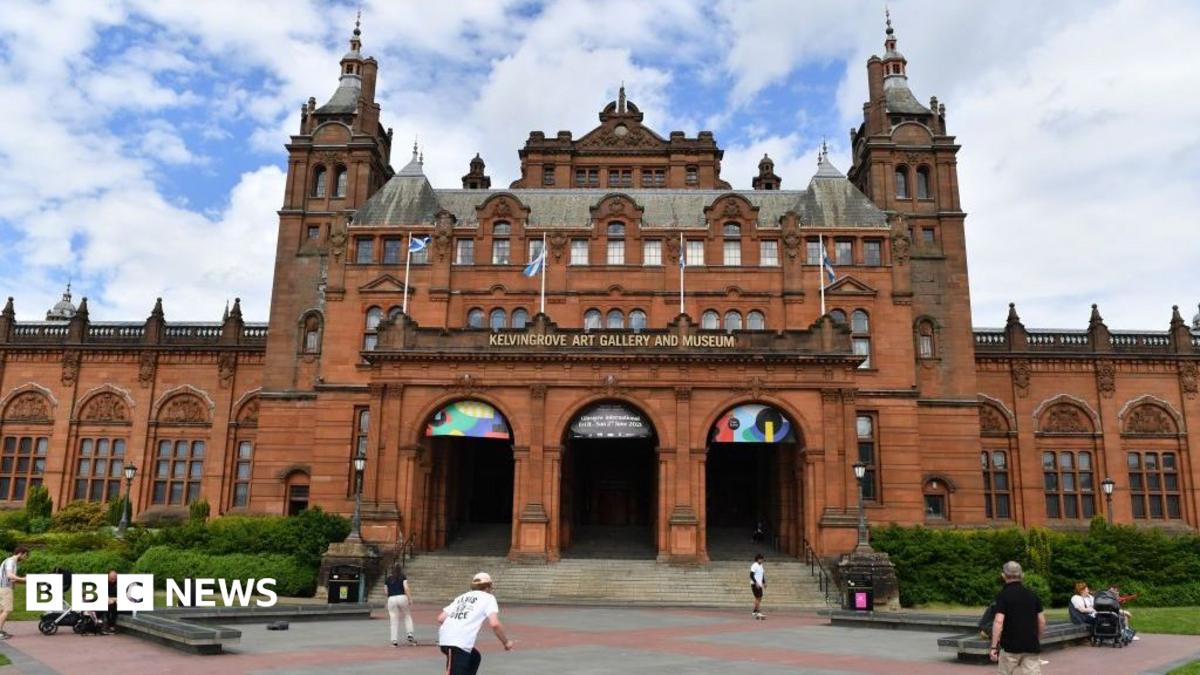
《星期日邮报》报道称,“埃及当局”已要求归还祭司内赫特的木乃伊尸体,该尸体上个月已在凯尔文格罗夫艺术博物馆和博物馆撤出公众视野。
The Sunday Post newspaper reported "Egyptian authorities" have asked for the repatriation of the mummified corpse of the priest Nekht, which was taken out of public view at Kelvingrove Art Gallery and Museum last month.
此举是在国际博物馆协会(Icom)修订其职业道德准则之后发生的,该准则建议维护人类遗骸的“固有尊严”。
It came after the International Council of Museums (Icom) revised its code of ethics, recommending the "inherent dignity" of human remains be upheld.
运营该博物馆的格拉斯哥生活公司确认,已收到将内赫特遗骸送回埃及的请求。
Glasgow Life, which operates the museum, confirmed it had received a request to send the Nekht remains back to Egypt.
该组织决定撤下装有内赫特遗骸的彩绘棺椁,原因是“缺乏死者本人或其后裔的同意”。
The organisation decided to remove the painted coffin containing the remains of Nekht in the "absence of consent from the deceased individual or their descendants".
据信内赫特生活在公元前1985年至公元前1797年之间,其遗骸于20世纪初在中埃及的贝尼哈桑发掘中被发掘出来。这些遗骸于1923年被捐赠给格拉斯哥市。
Nekht is thought to have lived at some point between 1985 and 1797BC and was excavated at Beni Hasan in Middle Egypt during digs carried out in the early 20th century. The remains were donated to the city of Glasgow in 1923.
去年位于吉萨金字塔附近、占地120英亩的大埃及博物馆(GEM)开馆后,要求归还埃及文物的呼声和网络请愿书层出不穷。
There have been repeated calls and online petitions for the return of Egyptian artefacts following the opening of the 120-acre Grand Egyptian Museum (GEM) near the pyramids of Giza last year.
该博物馆被描述为世界上最大的考古博物馆,收藏了超过10万件文物,包括少年法老图坦卡蒙完整墓葬的所有出土文物。
It is described as the world's largest archaeological museum, containing more than 100,000 artefacts including the entire contents of the intact tomb of boy king Tutankhamun.
格拉斯哥生活公司的一位发言人表示:“我们在过去几天收到了将内赫特遗骸归还埃及的请求。”该组织无法确认请求具体来自何方,但补充称其拥有“完善的”文物归还请求处理流程。大埃及博物馆已被联系置评。
A spokesperson for Glasgow Life said: "We have received a request in the last few days to repatriate the Nekht remains to Egypt." The organisation could not confirm where the request had come from but added it has a "well-established" process for repatriation requests. GEM has been contacted for comment.
格拉斯哥的亨特里安博物馆也用特制纺织品覆盖了谢普-恩-荷尔女士的遗体,以防止参观者看到。
The Hunterian Museum in Glasgow also covered Lady Shep-En-Hor's body in a specifically designed textile to protect it from being seen by visitors.
她华丽的石棺自1820年以来几乎持续展出,将继续公开展示,作为“晚期古埃及丧葬艺术的精美杰作”。
Her ornate sarcophagus, which has been on display almost continuously since 1820, will remain on public view as a "fine work of late period ancient Egyptian funerary art".
谢普-恩-霍尔女士从未被从棺椁中取出,但在过去50年里曾接受过X光和CT扫描。
Lady Shep-En-Hor has never been removed from the coffin, but has been X-rayed and CT scanned in the last 50 years.
凯尔文格罗夫博物馆和亨特里安博物馆表示,这些决定是在重新评估其对逝者的照护责任后作出的。
Kelvingrove and the Hunterian Museum said the decisions followed a reassessment of their duty of care towards the deceased.
两家博物馆此前均表示,如果收到某个国家或机构的请求,将考虑归还这些遗骸。
Both museums previously stated they would consider the repatriation of the remains should they receive an approach from a country or institution.
6月修订的《国际博物馆协会守则》规定,博物馆应“维护人类遗骸固有的尊严,并促进对其重要性的尊重”。
The Icom code, which was revised in June, states museums should "uphold the inherent dignity of human remains and promote respect for their significance".
守则补充道:“关于这些项目和藏品的决定,应在已知的情况下,与其源头的后裔或社区合作作出。”
It adds: "Decisions about these items and collections should be made in collaboration with descendants or communities from which they originate, if known."