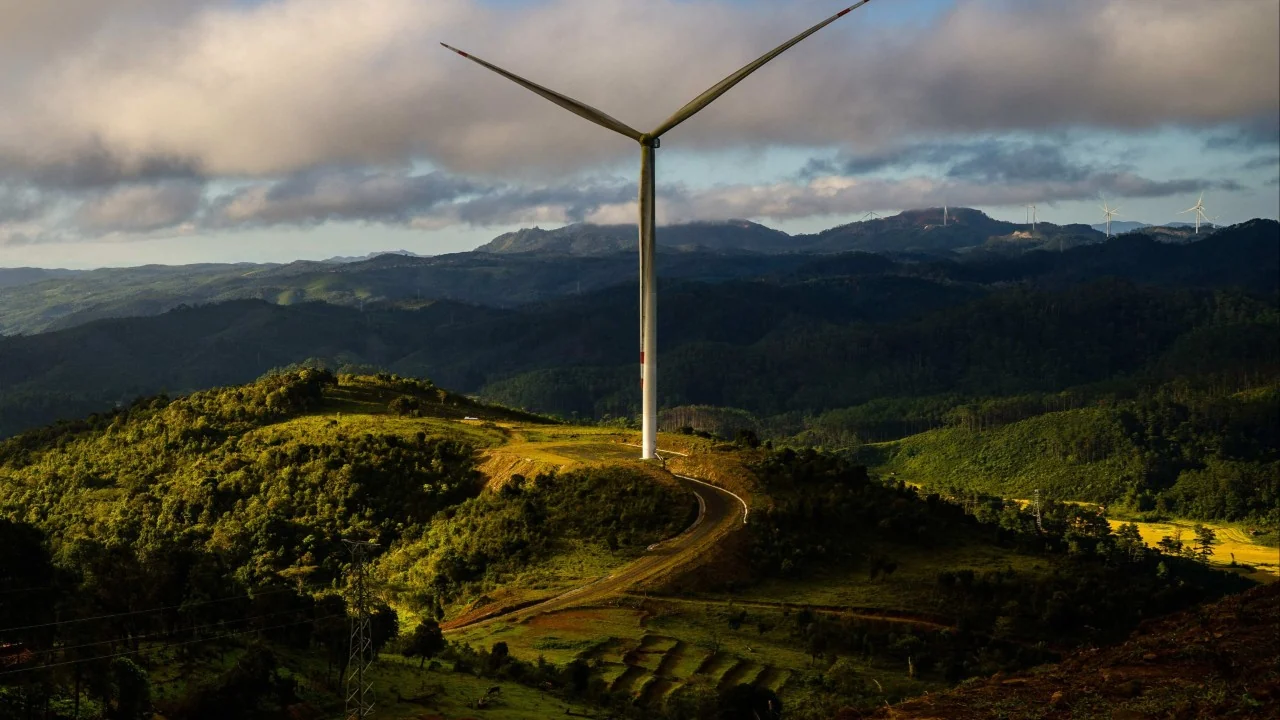
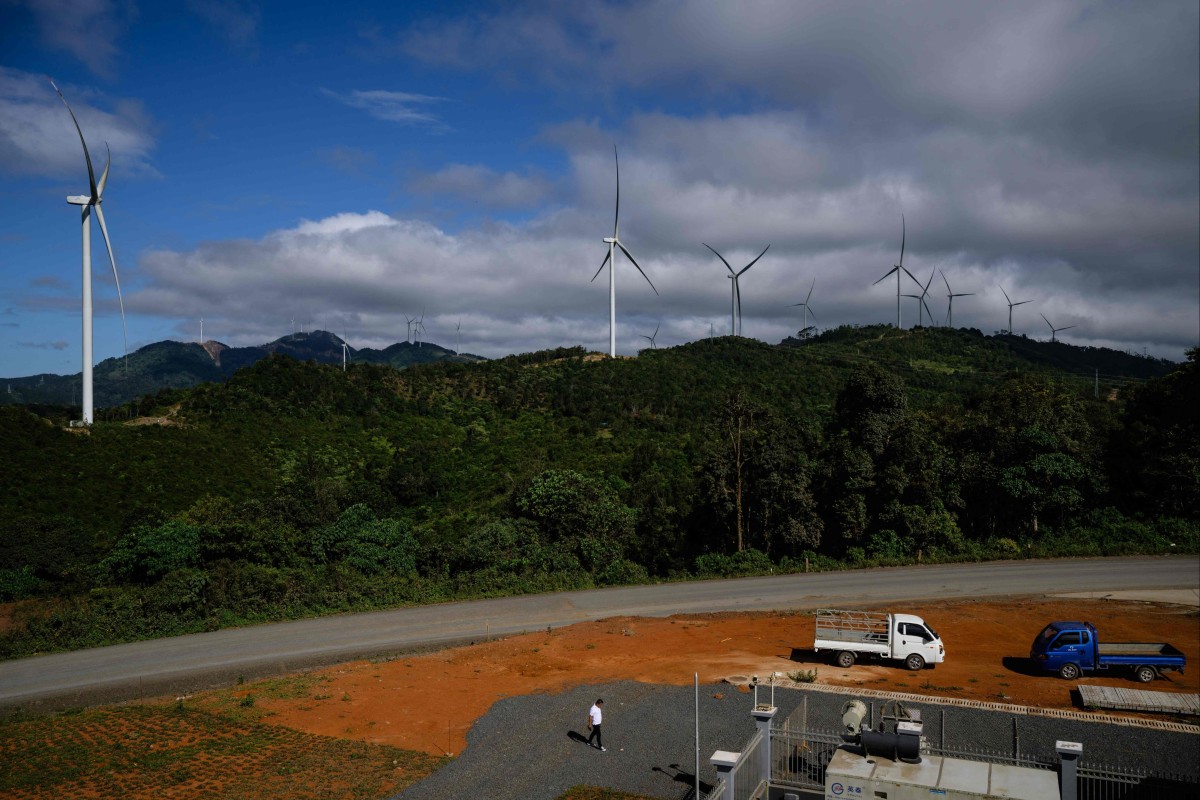
从老挝南部郁郁葱葱的山脊线上拔地而起,133台中国建造的风力涡轮机助力越南强劲增长,并代表了该地区为实现能源多元化而掀起的热潮。
Rising from verdant ridge lines of southern Laos, 133 Chinese-built wind turbines help power Vietnam’s surging growth and represent part of a regional rush to diversify energy sources.
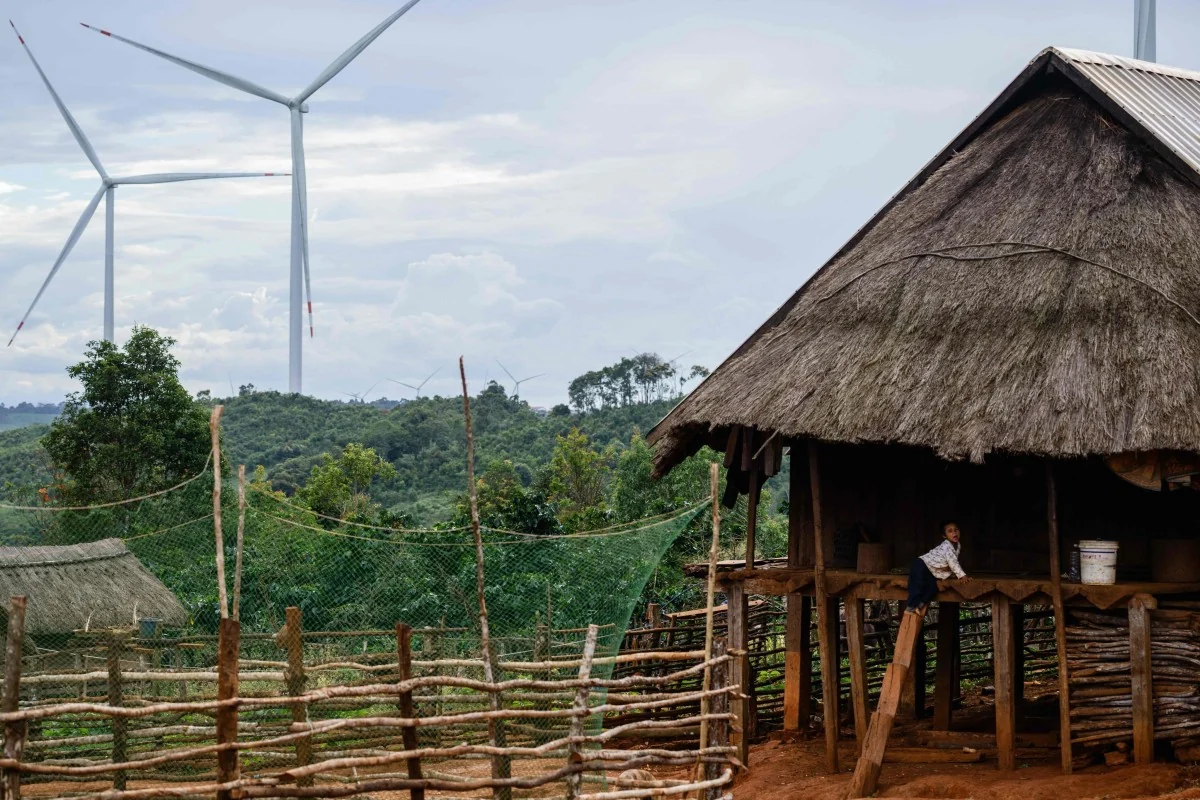
“景色很美。它们比树还高,”23岁的Toukta Phonsala在Dak Wai村的木质干栏式房屋内说道,怀里的婴儿正蹦蹦跳跳。
“The view is beautiful. They’re bigger than trees,” 23-year-old Toukta Phonsala said inside her wooden stilt house in Dak Wai village, her baby bouncing on her lap.
近年来,水电大坝在东南亚大量兴建,但旱季发电量会下降,批评者痛惜其生态影响。
Hydroelectric dams have proliferated across Southeast Asia in recent years, but production drops off in the dry season and critics lament the ecological impacts.
专家表示,风电现在即将腾飞,并指向老挝装机容量600兆瓦的季风电力项目,该项目于2025年8月开始运营,被视为一个可融资的案例研究。
Experts say wind is now set to take off, and point to Laos’ 600-megawatt Monsoon Wind Power Project, which began operating in August 2025, as a bankable case study.
该项目占地面积相当于新加坡大小,耗资约9.5亿美元,是亚洲首个跨境风电项目,也是东南亚最大的风电场。
Spanning an area the size of Singapore, the around US$950-million scheme is the first cross-border wind project in Asia and the largest wind farm in Southeast Asia.
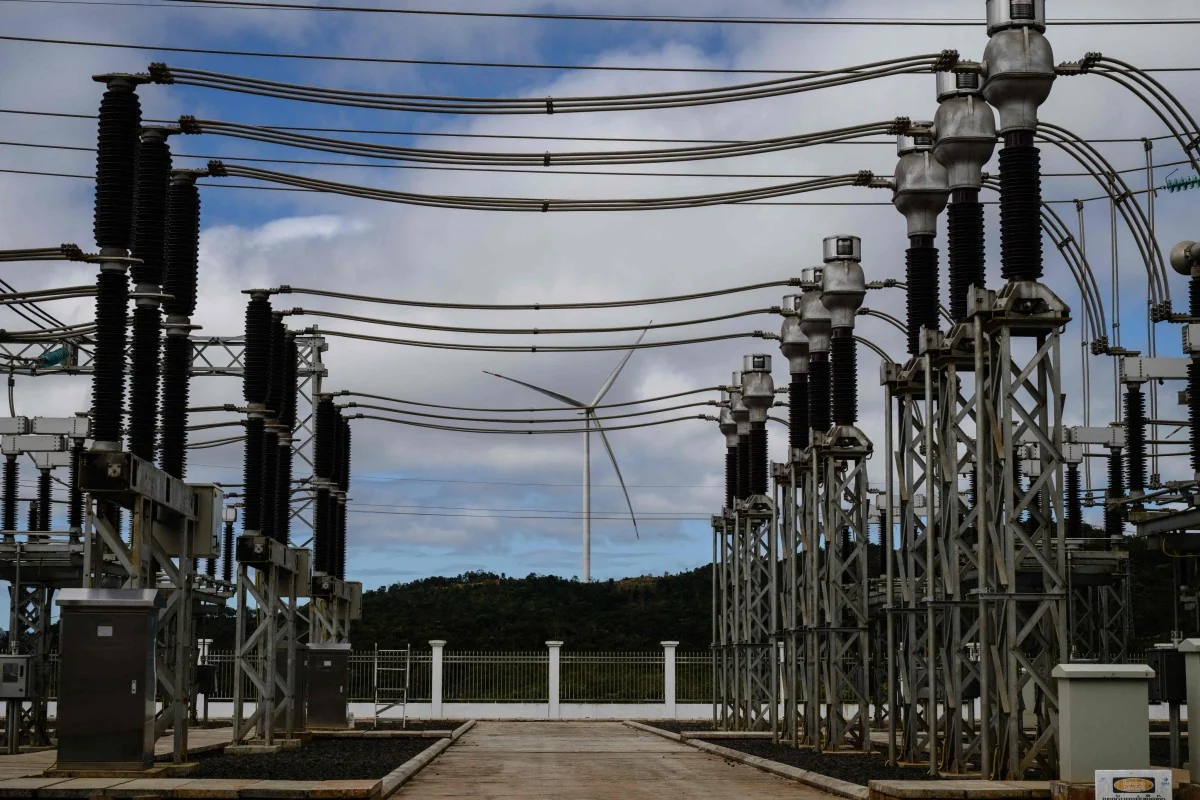
由一家中国国企建设、泰国主导的财团所有,它通过专用输电线路将电力专门出售给越南国家电网。
Built by a Chinese state firm and owned by a Thai-led consortium, it sells electricity exclusively to Vietnam’s national grid via dedicated transmission lines.
作为制造业中心,越南是东南亚增长最快的经济体,早已从其最贫穷的邻国老挝进口水电。
Manufacturing hub Vietnam, Southeast Asia’s fastest-growing economy, was already importing hydropower from Laos, its poorest neighbour.
但“经济性正向风电倾斜”,非营利组织EnergyLab Asia技术项目负责人Tristan Bellingham表示。
But “the economics are moving in favour of wind”, said Tristan Bellingham, technical programme lead at non-profit EnergyLab Asia.
“类似于20到30年前的水电,现在有点抢着去争取特许权和新风电项目的开发权,”他说。
“Similar to hydro 20 to 30 years ago, there’s a bit of a rush on to secure concessions and development rights” for new wind projects, he said.
老挝已拥有90座水电站,邻国还有数十座,留下的最佳选址已所剩无几。
Laos already hosts 90 hydropower plants and there are dozens more in neighbouring nations, leaving few optimal sites remaining.
Bellingham表示,其他风电场现在正“沾季风项目的光”,一位老挝官员指出,全国有10到15个项目正在开发中。
Bellingham said other wind farms were now riding “the coattails of Monsoon”, with one Laos official pointing to 10 to 15 projects under development nationwide.
对于Toukta、与她同住的18名家庭成员,以及居住在涡轮机附近的其他稻农和咖啡农来说,季风项目带来了新道路,并改善了清洁水和医疗的获取。然而,它给她的社区带来的却不是电力。
For Toukta, the 18 family members she lives with and other rice and coffee farmers residing near the turbines, Monsoon has brought new roads and improved access to fresh water and healthcare. What it has not brought to her community, however, is power.
居民表示,由于老挝自身的电力基础设施陈旧,且国有电力公司负债累累,暴风雨天气下仍会遭遇停电。尽管如此,通塔仍为老挝能向国外输送电力而感到高兴。“利于发展,能带来繁荣,”她说。对越南而言,该项目提供了一个可靠且成本更低的能源来源。
Residents say they still experience outages during heavy storms, as Laos’ own electricity infrastructure is outdated and the state utility is heavily in debt. Still, Toukta is glad Laos can send power abroad. “It’s better for development and can bring prosperity,” she said. For Vietnam, the project offers a reliable source of less costly energy.
2023年曾发生严重停电,因干旱削减了水电供应,政府去年9月警告,由于规划电力项目延期且需求增加,明年起面临电力短缺风险。
There were severe blackouts in 2023 when drought cut into hydropower supply, and the government warned in September of the risk of electricity shortages from next year due to delays in planned power projects and increasing demand.
印支能源合作伙伴公司董事总经理托马斯·雅各布森表示,通过季风风电项目,“风电以比越南在本地采购风电低得多的价格出售给越南”。
Through Monsoon, “wind power is being sold significantly cheaper to Vietnam than what Vietnam is buying wind power for locally”, said Thomas Jakobsen, managing director at Indochina Energy Partners.
他估计,越南国家电力公司(EVN)向季风项目支付的电价约为每千瓦时6美分,比越南国内电价低2至4美分。
He estimated state utility Electricity Vietnam (EVN) was paying Monsoon about six cents per kilowatt-hour – two to four cents less than the Vietnamese rate.
季风风电、越南国家电力公司及该项目的财务安排方亚洲开发银行(ADB)的代表,在上周的媒体参访活动中拒绝透露电价。
Representatives of Monsoon Wind, EVN and the Asian Development Bank (ADB), the Monsoon project’s financial arranger, declined to share the rate during a press tour last week.
据越南国家电力公司国家电力传输总公司官员宁春协称,该项目也是越南实现2050年净零排放目标的关键。
The project is also key to Vietnam reaching net-zero emissions targets by 2050, according to Ninh Xuan Hiep, an official at EVN’s National Power Transmission Corporation.
他在越南首都河内的一座变电站表示,到2030年,从老挝进口的电力将相当于越南总装机容量(即最大可能发电量)的近10%。
At a substation in the Vietnamese capital Hanoi, he said that by 2030, Laos imports would equal nearly 10 per cent of Vietnam’s total installed capacity – its maximum possible production.
据总经理纳鲁特·博阿卡琼透露,季风风电计划将装机容量增加1000兆瓦,并致力于确保部分新增电力在老挝国内使用。
Monsoon Wind plans to boost capacity by 1,000 megawatts and is working to ensure some of this additional power is used inside Laos, according to general manager Narut Boakajorn.
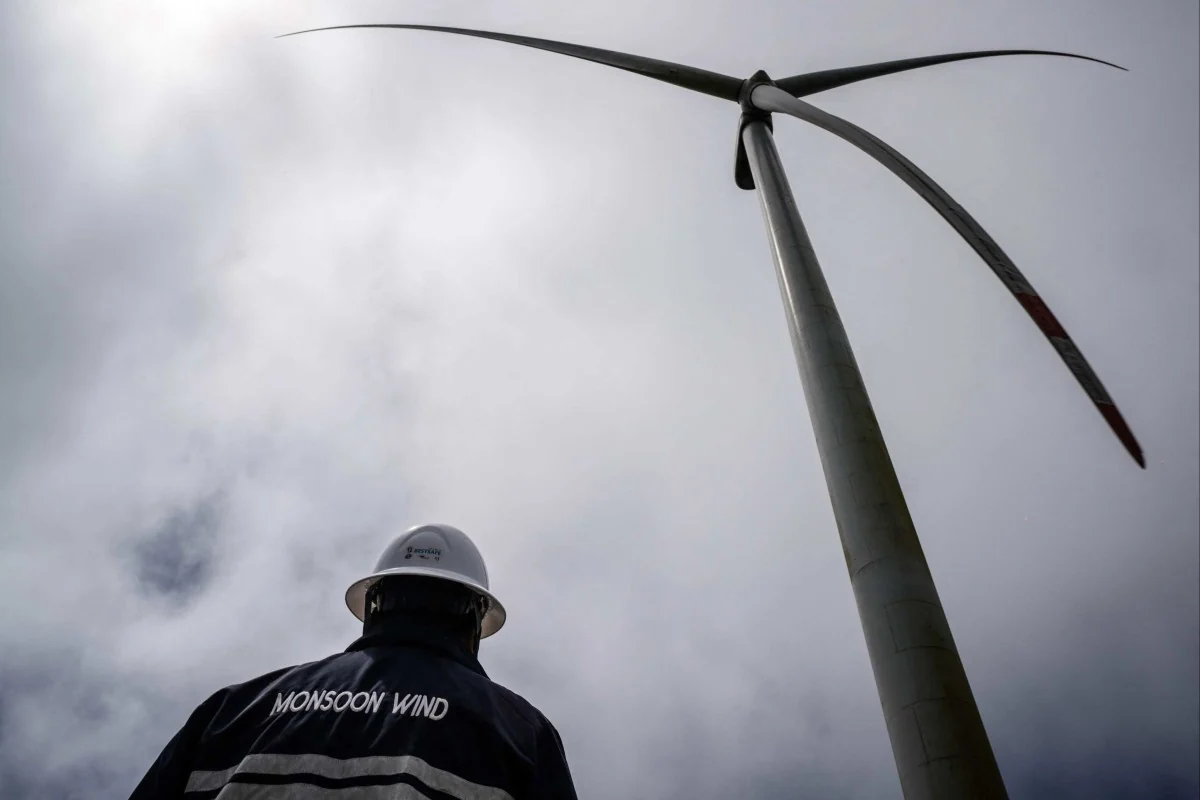
“老挝拥有丰富的自然资源”——风能、水能和太阳能,纳鲁特在一台高110米风力涡轮机旋转的叶片下接受法新社采访时表示。
“Laos has so much natural resources” – wind, hydro and solar, Narut told Agence France-Presse in an interview held below the spinning blades of a 110-metre-high turbine.
“并非许多国家都能在同一地点拥有所有优质的可再生能源。老挝拥有独特优势。”据纳鲁特称,政府将在25年的合同期内获得1.8亿美元收益,其中包括税收以及社区发展和环境保护基金。
“Not many countries have all the good renewable energy in the same place. Laos has something unique.”The government is set to reap US$180 million over the 25-year contract period, including taxes and community development and environmental protection funds, according to Narut.
他坚称,没有人因该项目被迫搬迁——尽管在共产主义国家老挝,公开异议受到严格限制。
He insisted nobody was forced to relocate because of the project – although public dissent is severely restricted in communist Laos.
他说,已解决1600起投诉,主要来自要求赔偿施工对农作物造成影响的农民。
He said 1,600 grievances logged, mainly from farmers requesting compensation for construction impacts on their crops, were resolved.
在风力涡轮机的阴影下,23岁的农民丰坎·森索法表示,为本国生产的电力输送到邻国——同样是一个共产主义国家——而感到自豪。“因为越南和老挝像兄弟一样。他们互相帮助。”
In the shadow of the turbines, 23-year-old farmer Phonekhan Sengsopha said he was proud that electricity produced in his country was being sent to its neighbour, also a communist nation. “Because Vietnam and Laos are like brothers. They help one another.”