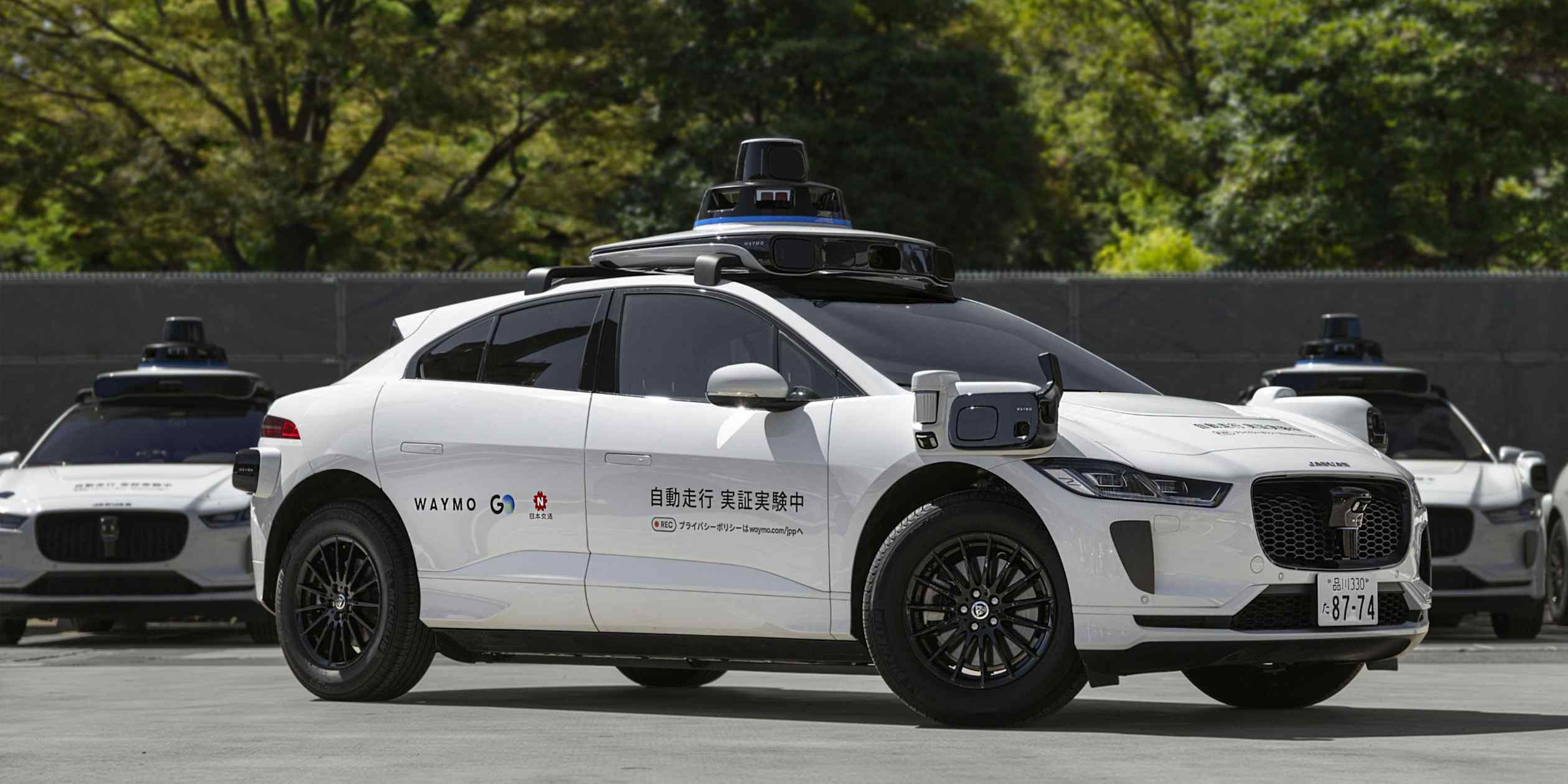
东京 —— 日本正考虑修订其汽车安全认证标准,将针对没有方向盘、刹车和油门踏板的自动驾驶车辆的既定规则纳入其中,以鼓励自动驾驶出租车等尖端车辆的量产。
TOKYO -- Japan is considering revising its auto safety certification standards to include established rules for self-driving vehicles that lack steering wheels as well as brakes and accelerator pedals, to encourage mass production of autonomous taxis and other cutting edge vehicles.
此次修改将涵盖4级自动驾驶车辆(可在特定条件下自主运行)和5级自动驾驶车辆(完全自主)。政府迄今一直以个案方式向此类车型授予安全认证。
The change would cover Level 4 self-driving vehicles, which can operate autonomously under certain conditions, and Level 5 vehicles, which are fully autonomous. The government has so far granted safety certification to such models on an individual basis.
国土交通省下属的一个工作小组将于周三的会议上讨论此事。该认证将适用于12月开始生产的车辆。
A working group under the Ministry of Land, Infrastructure, Transport and Tourism will discuss the matter at a meeting Wednesday. The certification would apply starting with vehicles produced in December.
自动驾驶车辆不需要方向盘、踏板、后视镜或驾驶员监测系统等人工控制装置。取消这些装置将降低生产成本,并为车企提供更大的车内空间。
Autonomous vehicles do not require human controls such as steering wheels, pedals, rear-view mirrors or driver monitoring systems. Removing these would lower production costs and give automakers more interior space to work with.
作为安全措施,出租车、巴士等载客车辆仍须进行使用人体模型的碰撞测试。货运车辆无需进行此类测试,但政府将要求制造商确保在系统发生故障时能够避免事故。
As a safety measure, passenger vehicles such as taxis and buses will still have to undergo collision tests with human-shaped dummies. Such tests will not be needed for vehicles for transporting cargo, but the government will require manufacturers to ensure that accidents can be avoided in the event of a system malfunction.
联合国世界车辆法规协调论坛(WP.29)在6月的会议上就无人驾驶车辆的安全标准达成一致。随着这些国际标准预计于12月获批,日本国土交通省拟根据日本国内法修订国内安全标准。
The United Nations' World Forum for Harmonization of Vehicle Regulations (WP.29) agreed on safety standards for driverless vehicles at a June meeting. Alongside the expected adoption of these international standards in December, Japan's transport ministry intends to revise domestic safety standards based on Japanese law.
美国并非提供各国认证互认的关键WP.29协定的缔约方,却是4级自动驾驶车辆开发和商业化的领跑者。特斯拉于9月开始提供其Cybercab(一款没有方向盘和踏板的4级车辆)的乘车服务。
The U.S., which is not party to a key WP.29 agreement that provides for mutual recognition of approvals among countries, is a leader in the development and commercialization of Level 4 autonomous vehicles. Tesla in September began offering rides with its Cybercab, a Level 4 car without a steering wheel or pedals.
日本政府设定目标,到2030财年,让至少1万辆具备L4级自动驾驶能力的巴士和出租车上路行驶。
The Japanese government has set a goal of having at least 10,000 buses and cabs capable of Level 4 autonomous driving on the roads by fiscal 2030.
“我们希望通过让量产更容易,来朝着普及目标迈进,”国土交通省一名代表表示。
"We want to move toward our adoption target by making mass production easier," a transport ministry representative said.