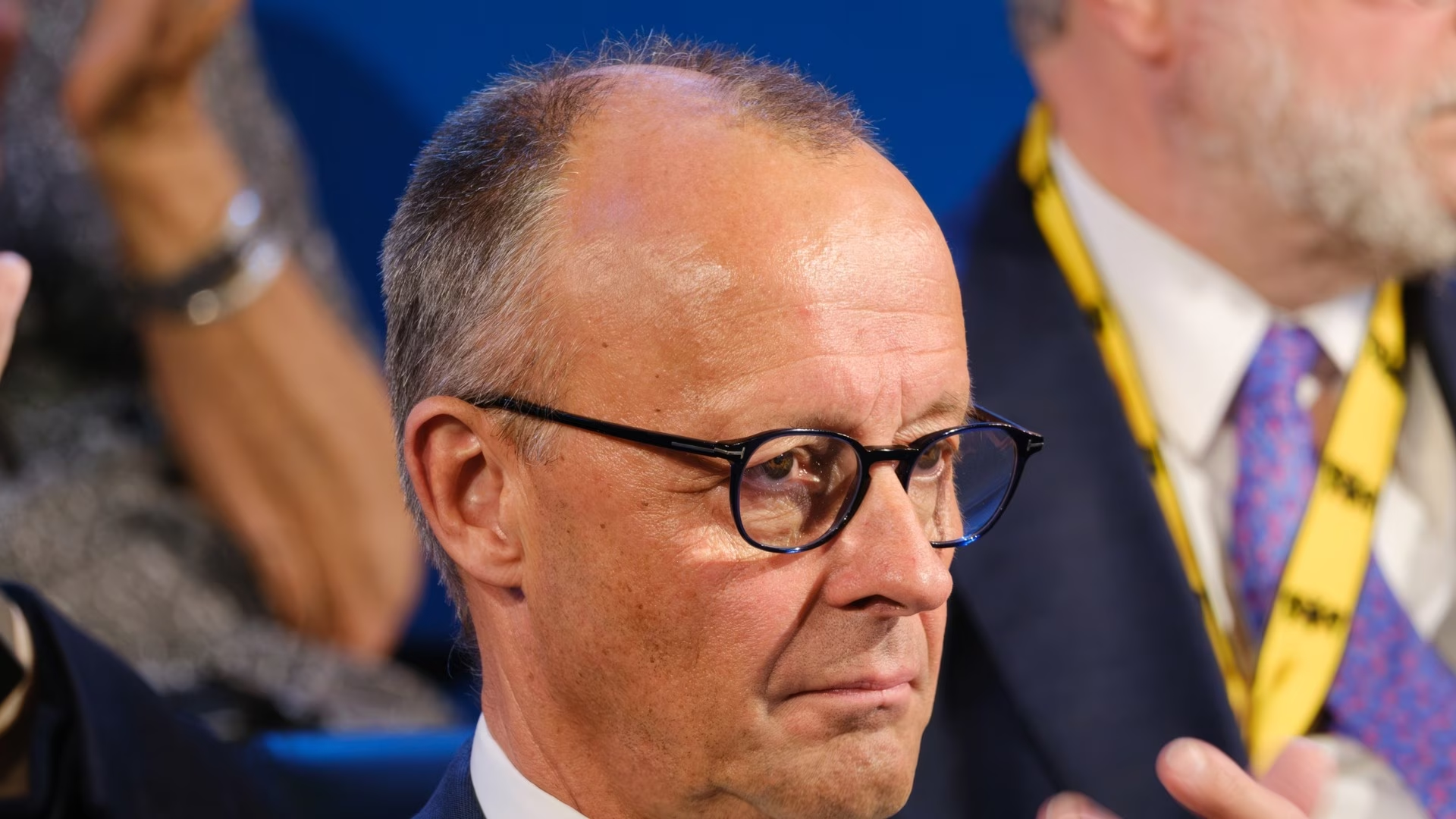
据路透社报道,德国总理弗里德里希·梅茨周一表示,德国和欧洲必须加快建立自身的人工智能技术,否则将面临依赖外部供应商的风险。
Germany and Europe must move faster to build their own AI technology or risk becoming dependent on outside providers, German Chancellor Friedrich Merz said on Monday, according to Reuters.
梅茨在柏林举行的人工智能会议上表示,数字主权“是一个真正的生存问题”,德国必须“不惜一切代价,避免完全依赖第三方”。他指出,随着人工智能在经济中普及,不掌握该技术的国家将越来越依赖掌握该技术的国家。
Speaking at an AI conference in Berlin, Merz called digital sovereignty “a truly existential question” and said Germany must “at all costs, avoid becoming entirely dependent on third parties.”As AI spreads across the economy, countries that do not control the technology will increasingly rely on those that do, he argued.
他说,德国的雄心应该是从硬件到软件,在整个供应链上开发和运营自身的技术。
Germany’s ambition, he said, should be to develop and operate its own technology across the entire supply chain, from hardware to software.
梅茨承认,要达到这一目标需要“巨大的技术和组织努力”。这一问题已成为其政府议程的核心部分。自去年上任以来,梅茨承诺加速德国经济的数字化转型,并设立了专门的数字事务部。
Friedrich Merz acknowledged that reaching that point would require “an enormous technological and organisational effort.”The issue has become a defining part of his government’s agenda. Since taking office last year, the chancellor has pledged to accelerate the digital transformation of the German economy and established a dedicated ministry for digital affairs.
他的政府还承诺要赶上在数字化方面进展更快的欧洲国家,包括荷兰和丹麦。德国于2018年采用了首个国家人工智能战略,但至今尚未将这一早期起步转化为明确优势。
His government has also promised to catch up with European countries that have moved faster on digitalisation, including the Netherlands and Denmark. Germany adopted its first national AI strategy in 2018, but it has yet to translate that early start into a clear advantage.
路透社援引伊福经济研究所的调查结果报道称,德国仍未准备好充分从人工智能热潮中获益。该评估指出,德国高科技部门规模相对较小,数字公共服务薄弱,存在技能短缺,且该国仍继续依赖纸质流程。
The Ifo economics institute found that Germany is still not ready to benefit fully from the AI boom, Reuters reported. Its assessment pointed to a relatively small high-tech sector, weak digital public services, skills shortages, and the country’s continued reliance on paper-based processes.
梅茨还在寻求德国以外的合作伙伴。在对新加坡、日本和韩国进行为期五天的访问后,他表示德国希望与志同道合的政府合作,并点名了加拿大和法国。他与法国总统埃马纽埃尔·马克龙一年前在柏林举办了一场关于欧洲数字主权的峰会。
Merz is also looking for partners beyond Germany. Following a five-day trip to Singapore, Japan and South Korea, he said the country wanted to work with like-minded governments, naming Canada and France. He and French President Emmanuel Macron hosted a summit on European digital sovereignty in Berlin a year ago.
投资承诺也开始成形。据经济部称,在上个月举行的一次峰会上,包括亚马逊和英伟达在内的公司加入了总额超过2250亿欧元的承诺。德国还计划到2030年将其人工智能算力提高四倍。
Investment commitments are beginning to take shape, too. At a summit last month, companies including Amazon and Nvidia joined pledges worth more than €225bn, according to the economy ministry. Germany also aims to quadruple its AI computing power by 2030.
这篇讲话发表之际,欧洲正就谁控制支撑经济的技术展开更广泛的辩论,与此同时,布鲁塞尔正在重写其技术规则手册,以期与美国竞争。
The speech comes amid a wider European debate over who controls the technology underpinning the economy, as Brussels rewrites its tech rulebook in an effort to compete with the US.