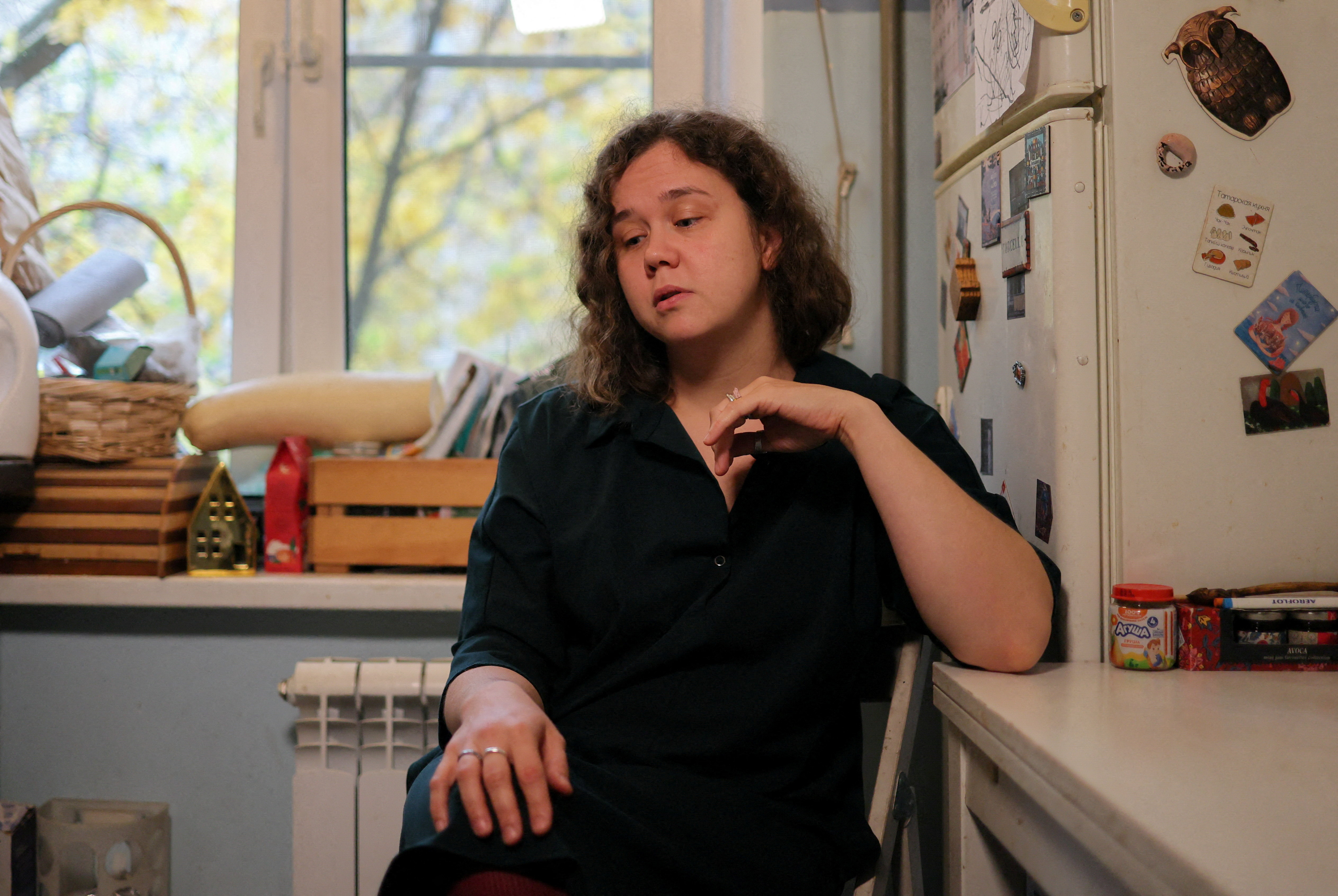
在俄罗斯首都莫斯科,历史教师波琳娜·伊布拉吉莫娃收到一张超过她半个月工资的公用事业账单时,感到震惊。
In the Russian capital Moscow, history teacher Polina Ibragimova was shocked when a utility bill arrived that amounted to more than half her monthly pay.
起初,这位34岁的两个孩子的母亲以为一定是孩子们在热气腾腾的浴缸里玩水太久。随后她逐行查看账单,发现了真正的罪魁祸首:公用事业收费的大幅上涨。
At first, the 34-year-old mother of two thought her children must have spent too long splashing around in a steaming bath. Then she read the bill line by line and discovered the real culprit: a sharp increase in utility tariffs.
公用事业账单上涨之际,俄罗斯正艰难应对战时经济引发的通货膨胀,紧张的劳动力市场和更高的军费开支进一步加大了物价压力。对于伊布拉吉莫娃这样的家庭来说,这些压力在每月账单和日常开支中日益明显。
The rise in utility bills comes as Russia grapples with inflation fuelled by a wartime economy, with a tight labour market and higher military spending adding to price pressures. For households such as Ibragimova's, those strains are increasingly visible in monthly bills and day-to-day expenses.
自2022年乌克兰战争爆发以来,俄罗斯的公用事业账单已上涨超过50%,仅今年就上涨了13%以上,加剧了当局视为经济最大问题的通货膨胀。
Utility bills in Russia have risen more than 50% since the start of the war in Ukraine in 2022 and more than 13% this year alone, adding to inflation that authorities regard as the economy's biggest problem.
“这让人很不舒服。我们确实能感受到,”伊布拉吉莫娃说。她目前正考虑多收一名学生上私人课程,以支付更高的开支。
"This was unpleasant. We can really feel it," said Ibragimova, who is now considering taking on an additional student for private lessons to cover the higher costs.
自今年夏天以来,她的公用事业账单已上涨约四分之一,达到1.2万卢布(150美元)——这意味着她通常约为月薪一半的预支工资已无法覆盖这笔费用。
Her utility bill has climbed by about a quarter since the summer to 12,000 roubles ($150) — meaning her salary advance, which is typically around half of her monthly pay, no longer covers the cost.
俄罗斯人习惯于供暖、水和电费的年度上涨,这些上涨旨在跟上通货膨胀。联邦政府提供指导意见,而俄罗斯各地区的当局决定最终的涨幅。
Russians are accustomed to annual increases in tariffs for heating, water and electricity, which are intended to keep pace with inflation. The federal government provides guidance, while authorities across Russia's regions determine the final increases.
然而,今年的涨价被推迟到10月1日,即9月议会选举之后,这有助于使投票免受公众对家庭开支上涨的愤怒影响。
This year's rise, however, was delayed until October 1, after September's parliamentary elections, helping shield the vote from public anger over higher household costs.
这一推迟意味着地区当局随后批准了多年来一些最大幅度的涨价,以帮助公用事业公司赶上通货膨胀。
The delay meant regional authorities subsequently approved some of the steepest increases in years to help utility companies catch up with inflation.
涨价不仅正在紧缩普通俄罗斯人的钱包,也引发了人们对央行控制通胀和降低高企关键利率(目前为14%)能力的担忧,高利率正在扼制经济。
The price hikes are not only straining the wallets of ordinary Russians but also raising concerns about the central bank's ability to control inflation and reduce high key interest rates, currently at 14%, which are stifling the economy.
去年央行以降低经济增长为代价压低了通胀率,但今年乌克兰无人机袭击炼油厂引发了新一轮物价上涨,这次是由汽油成本上升推动的。
The central bank brought the inflation rate down last year at the cost of slowing down economic growth, but this year Ukrainian drone attacks on refineries have led to a new wave of price growth, this time driven by rising petrol costs.
在10月23日决定维持利率不变后,行长纳比乌林娜警告称,涨价将推高居民通胀预期,后者已升至两年高点,是利率决策的关键指标。
Following a decision to keep rates unchanged on October 23, Governor Elvira Nabiullina warned that the hike would push up household inflation expectations, already at a two-year high and a key indicator in rate decisions.
经济学家德米特里·波列沃伊表示:“有此类关税投入,以4%为通胀目标变得更具挑战性,需要更严格的货币政策立场。”他指的是央行的长期通胀目标。
"Targeting 4% inflation becomes an even more challenging task with such tariff inputs, requiring a more stringent monetary stance," said economist Dmitry Polevoy, in reference to the central bank's long-term inflation target.
尽管得益于丰富廉价的天然气用于供暖和发电,俄罗斯公用事业费用仍低于欧洲大部分地区,但尽管近期工资实现两位数增长,平均工资也远低于欧洲。
Although Russian utility costs remain lower than in much of Europe because of abundant cheap natural gas used for heating and power generation, average wages are also far lower despite recent double-digit pay growth.
涨价加剧了食品通胀,迫使伊布拉吉莫娃等人以越来越有创意的方式精打细算家庭开支。
The hikes compound food inflation, prompting people like Ibragimova to stretch household budgets in increasingly creative ways.
“我感觉自己像个苏联时代的家庭主妇,”她说,描述道她现在把一只鸡切成比以前更多的份,以让饭菜管得更久。涨价也招致了通常支持克里姆林宫的政界人士的批评。
"I feel like a Soviet-era housewife," she said, describing how she now cuts a chicken into more portions than before to make meals go further. The tariff increases have also drawn criticism from politicians usually supportive of the Kremlin.
共产党领袖根纳季·久加诺夫——该党在议会中拥有仅次于执政党统一俄罗斯党的第二大派系——在大选后的一次会议上向总统普京抱怨涨价。
Gennady Zyuganov, leader of the Communist Party, which still holds the second-largest faction in parliament after the ruling United Russia party, complained to President Vladimir Putin about the hike during a meeting after the election.
久加诺夫称,他在莫斯科一套苏联时代公寓的公用事业账单超过3万卢布,超过了俄罗斯平均养老金。
Zyuganov said his own utility bill for a Soviet-era apartment in Moscow exceeded 30,000 roubles, more than the average Russian pension.
议会议长维亚切斯拉夫·沃洛金表示,一些地区的涨幅过高,并呼吁检察官和反垄断监管机构介入,管控“那些毫无节制、毫无良知的人”。此次涨价对小型企业造成了又一次打击,这些企业已经受到增税的影响,而政府正设法弥补因军费开支增加而不断扩大的预算赤字。
Parliament speaker Vyacheslav Volodin said some regional increases were excessive and called on prosecutors and the anti-monopoly watchdog to intervene and control "people who have no restraint and no conscience." The hikes have dealt another blow to small businesses, already affected by tax increases as the government seeks ways to cover the growing budget deficit driven by increased military spending.
莫斯科一家酒吧的经理阿纳斯塔西娅·扎波捷耶娃说:“水电费上涨对最近开业的企业尤其痛苦,因为同时还伴随着其他费用的增加。”
"The utility fee hikes are particularly painful for businesses that have recently opened, as they are accompanied by other increases," said Anastasia Zapoteeva, manager of a bar in Moscow.