瑞恩·克拉菲(Ryan Claffey)是新美国安全中心(CNAS)印太安全项目的研究助理。“云”实际上并不在天上。它通过铺设在洋底的光缆运行。
Ryan Claffey is a research assistant with CNAS's Indo-Pacific Security Program. The "cloud" is not, in fact, in the sky. It runs through fiber-optic cables along the ocean floor.
这些光缆承载了超过99%的洲际数据流量,每天促进价值超过10万亿美元的金融交易。然而,中国正在对连接美国与菲律宾、台湾等关键盟友及伙伴的海底光缆发动灰色地带战争。需要采取协调一致的盟友应对措施来阻止这一行径。
These cables carry more than 99% of intercontinental data traffic and facilitate more than $10 trillion in financial transactions every day. Yet China is waging gray-zone warfare against cables that connect the U.S. to critical allies and partners like the Philippines and Taiwan. A coordinated, allied response is needed to stop it.
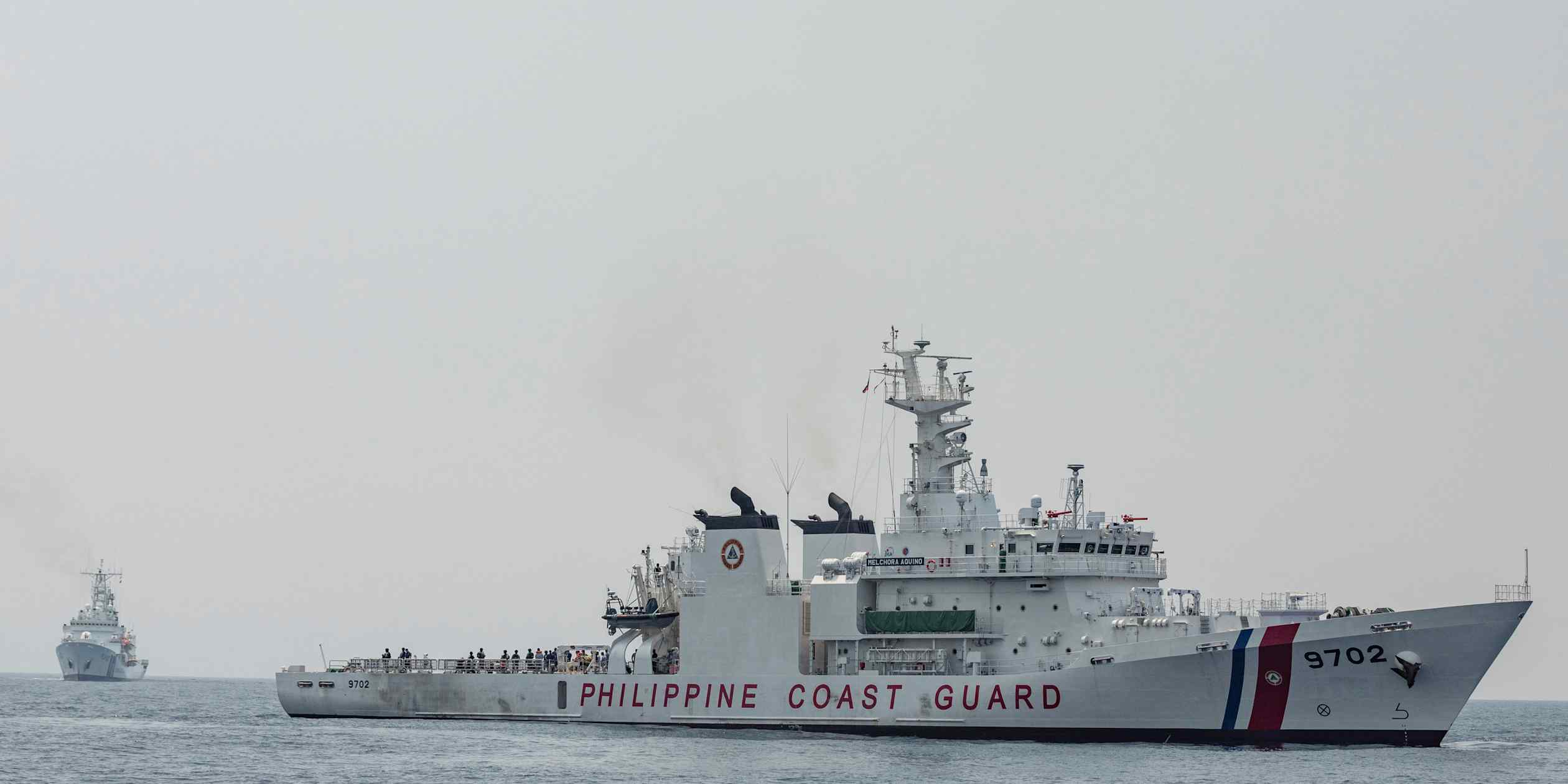
9月,菲律宾海岸警卫队发现在巴坦群岛省伊特巴亚特西北37海里(68.5公里)处的海缆路线附近游荡的一艘中国科考船。该船对反复的无线电呼叫置之不理,广播了虚假的自动识别系统(AIS)位置,并机动规避菲律宾海岸警卫队的执法。10月1日,海岸警卫队部署了其最大船只对这艘中国船只进行质询。
In September, the Philippine Coast Guard detected a Chinese research vessel loitering near cable routes 37 nautical miles (68.5 kilometers) northwest of Itbayat in Batanes province. The ship ignored repeated radio calls, broadcast a false automatic identification system (AIS) position and maneuvered to evade Philippine Coast Guard enforcement. On Oct. 1, the coast guard deployed its largest vessel to challenge the Chinese ship.
尚无确凿案例表明中国蓄意切断了菲律宾的海缆。然而,中国正在增加巴坦群岛附近的巡逻,中国媒体声称巴坦群岛属于中国,并且在菲律宾水域发现了回收的中国水下无人机。8月,台湾海岸警卫队发现一艘中国船只在太平洋光纤网络(简称PLCN)上方游荡,该网络是一条连接加利福尼亚与台湾和菲律宾、在美国建造的海缆系统,在吕宋岛东海岸登陆。
No confirmed case has shown China deliberately severing a Philippine cable. However, China is increasing patrols near Batanes, Chinese media is asserting that Batanes is part of China, and underwater Chinese drones have been recovered in Philippine waters. In August, Taiwan's coast guard caught a Chinese vessel loitering above the Pacific Light Cable Network, or PLCN, a U.S.-built cable system connecting California to Taiwan and the Philippines that comes ashore on Luzon's eastern coast.
菲律宾发生蓄意切断海缆事件的可能性很高。中国对台湾实施的水下蓄意破坏表明了菲律宾可能面临的境地。
A deliberate cable cut in the Philippines is a serious possibility. China's subsea sabotage against Taiwan shows what the Philippines could face.
2023年2月,中国船只切断了连接台湾马祖岛与本岛仅有的两条海底光缆。1.3万名居民失去了六周的互联网连接,不得不依靠微波无线电维持上网。
In February 2023, Chinese vessels severed the only two cables linking Taiwan's Matsu Islands to the main island. The 13,000 residents lost internet access for six weeks and had to rely on microwave radio to stay online.
2025年早些时候,又有两艘中国船只在台湾附近切断了电缆。第一艘船关闭了其自动识别系统(AIS),并以另一个名字重新出现。第二艘船在其船体和自动识别系统上使用了不同的名称,并向当局报假身份。中国国务院台湾事务办公室发言人陈斌华将第一起事件称为“一般的海上事故”。然而,这两艘船更改身份的做法是企图混淆归属的明目张胆之举——这是典型的灰色地带战术。
In early 2025, two more Chinese-owned ships severed cables near Taiwan. The first vessel switched off its AIS and reappeared under a different name. The second used different names on its hull and AIS and misidentified itself to authorities. Chen Binhua, China's Taiwan Affairs Office spokesperson, called the first incident a "common maritime accident." However, both vessels' identity changes were blatant attempts to confuse attribution -- classic gray-zone warfare.
为了威慑此类蓄意破坏,台湾正在扩大巡逻范围,开发微波和卫星备用系统,并公布其电缆及电缆登陆站的路线和位置。但即使是现在绕开中国、沿台湾东海岸延伸的PLCN电缆,也依然容易遭到破坏。
To deter such sabotage, Taiwan is expanding patrols, developing microwave and satellite backups, and distributing the routes and locations of its cables and cable landing stations. But even PLCN, which now runs away from China along Taiwan's eastern coast, remains vulnerable to sabotage.
对PLCN等共享系统的破坏可能会中断美国、台湾和菲律宾之间的通信,从而妨碍它们在危机中进行协调的能力。
Damage to shared systems like PLCN could disrupt communications among the U.S., Taiwan and the Philippines, hampering their ability to coordinate in a crisis.
台湾的韧性就是菲律宾的韧性。菲律宾的韧性就是美国的韧性。美国及其盟友无法阻止每一起海底电缆破坏事件。但它们可以防止一处电缆中断导致整个国家断网。
Taiwanese resilience is Philippine resilience. And Philippine resilience is American resilience. The U.S. and its allies cannot prevent every case of cable sabotage. But they can prevent a cable cut from taking whole countries offline.
一系列疑似有中国或俄罗斯参与的海底电缆断裂事件发生在台湾附近和波罗的海。(照片由NTT世界工程海洋公司提供)这需要在三个领域采取行动:监控、应对和韧性。
A series of undersea cable cuts suspected of Chinese or Russian involvement have occurred near Taiwan and in the Baltic Sea. (Photo courtesy of NTT World Engineering Marine) That requires action in three areas: monitoring, response and resilience.
首先,美国、日本、澳大利亚和菲律宾——即“小四方”(Squad)——应共享情报、开展联合巡逻,并建立一个可疑船只的共享观察名单。在政治上可行的地方,已经在大力汇编自身观察名单的台湾,应通过技术、海岸警卫队和情报渠道被纳入其中。
First, the U.S., Japan, Australia and the Philippines -- the "Squad" -- should share intelligence, conduct joint patrols and develop a shared watchlist of suspicious ships. Wherever politically feasible, Taiwan, which is already compiling its own watchlist, should be included through technical, coast guard and intelligence channels.
“小队”应汇集来自沿海雷达与声呐、卫星影像及巡逻机的实时数据,并让盟友舰艇、无人机和无人驾驶车辆检查关键路线。在配备正确设备的情况下,光纤电缆可以利用商业化的分布式声传感技术来探测船只和潜艇,从而帮助保护电缆路线。
The Squad should pool real-time data from coastal radar and sonar, satellite imagery and patrol aircraft, and have allied ships, drones and unmanned vehicles inspecting key routes. With the right equipment, fiber-optic cables can use commercial, distributed acoustic sensing technology to detect ships and submarines, helping protect cable routes.
随着中国建设自身的“水下长城”以追踪盟友的水下活动,华盛顿应深化与日本、台湾和菲律宾的合作,扩大整个第一岛链的监视范围,特别是在宫古海峡、巴士海峡和台湾海峡等海上战略要地附近。
As China builds its own "Underwater Great Wall" to track allied undersea activity, Washington should deepen cooperation with Japan, Taiwan and the Philippines to expand surveillance across the First Island Chain, particularly near maritime choke points like the Miyako, Luzon and Taiwan straits.
其次,“小队”应对攻击美国或盟友所有电缆的行为施加后果。回应措施应从外交和经济制裁到海军行动不等。如果发现有船只干扰电缆,该船应立即被扣押,其所有者将受到制裁,船员将被逮捕。北京在采取行动前必须了解其代价。
Second, the Squad should impose consequences for attacking a U.S.- or ally-owned cable. Responses should range from diplomatic and economic penalties to naval action. If a vessel is caught interfering with a cable, it should be immediately impounded, its owners sanctioned and its crew arrested. Beijing must understand the costs before it acts.
第三,盟友必须建设韧性。“小队”应加固登陆站、为地理上独立的路线提供资金、与值得信赖的供应商合作、储备备用电缆和设备,并寻求卫星备用方案。
Third, allies must build resilience. The Squad should harden landing stations, finance geographically separate routes, partner with trusted vendors, stockpile spare cable and equipment and pursue satellite backups.
菲律宾信息与通信技术部(DICT)正在实现连接多元化,使其远离中国阻挠电缆项目并骚扰修理船只的南海。菲律宾信息与通信技术部约240公里长的吕宋绕行路线(Luzon Bypass)允许太平洋方向的电缆(如PLCN)通过陆地在吕宋岛传输数据,从而绕过争议水域。
The Philippines' Department of Information and Communications Technology (DICT) is diversifying connections away from the South China Sea, where China has obstructed cable projects and harassed repair ships. The DICT's roughly 240-km Luzon Bypass lets Pacific-facing cables like PLCN carry data across Luzon by land, bypassing contentious waters.
谁来建设这些网络同样重要。菲律宾在陆地上使用过华为,在海上使用过华海通信。然而,这些系统虽然更具经济实惠性,但如果它们让菲律宾的网络暴露在中国的监视之下,就绝非划算。来自美国、日本和法国的可信赖供应商可以降低这些风险。
Who builds these networks matters, too. The Philippines has used Huawei on land and HMN Tech at sea. Yet these systems, while more affordable, are no bargain if they expose Philippine networks to Chinese surveillance. Trusted suppliers from the U.S., Japan and France can reduce those risks.
华盛顿及其盟友还应该投资扩大商用海底光缆修理船的数量。随着中国国有航运巨头中远集团利用其船只上的隐蔽设备监视外国军队,了解谁拥有和运营光缆修理船应当成为一项国家安全优先事项。
Washington and its allies should also invest in expanding the number of commercially available cable-repair ships. As China's state-owned shipping giant COSCO uses concealed equipment aboard its ships to spy on foreign militaries, knowing who owns and operates cable-repair ships should be a national security priority.
韧性的最后一层是卫星备份。低地球轨道和地球静止轨道卫星可以在危机中维持基础通信,但它们无法以相当的成本匹配海底光缆的容量。随着中国开发针对卫星的地面和太空武器,盟友们需要将卫星和光纤结合起来使用。
The final layer of resilience is satellite backups. Low Earth orbit and geostationary satellites can preserve essential communications in a crisis, but they cannot match subsea cables' capacity at cost. As China develops ground- and space-based weapons to target satellites, allies need a mix of satellites and fiber.
美国的利益显而易见。这些电缆将美国与其盟友和伙伴连接起来,传输着整个经济体和军队赖以运转的数据。
The American interest is clear. These cables connect the U.S. to its allies and partners, carrying the data that entire economies and militaries depend on.
如果中国控制了这些电缆以及它们穿过水域——从自由的商业流通到美国在冲突中支持盟友的能力,一切都将变得日益岌岌可危。
If China controls these cables -- and the waters through which they run -- everything from the free flow of commerce to America's ability to support allies in a conflict becomes increasingly precarious.
这种共同的物理连接意味着光缆的韧性——以及光缆安全——是一项集体责任。海底光缆是数字生命线。美国及其盟友必须在和平时期保护它们,以便在危机中保持连接。
That shared physical connection means cable resilience -- and cable security -- are a collective responsibility. Subsea cables are digital lifelines. The U.S. and its allies must protect them in peacetime to stay connected in crisis.