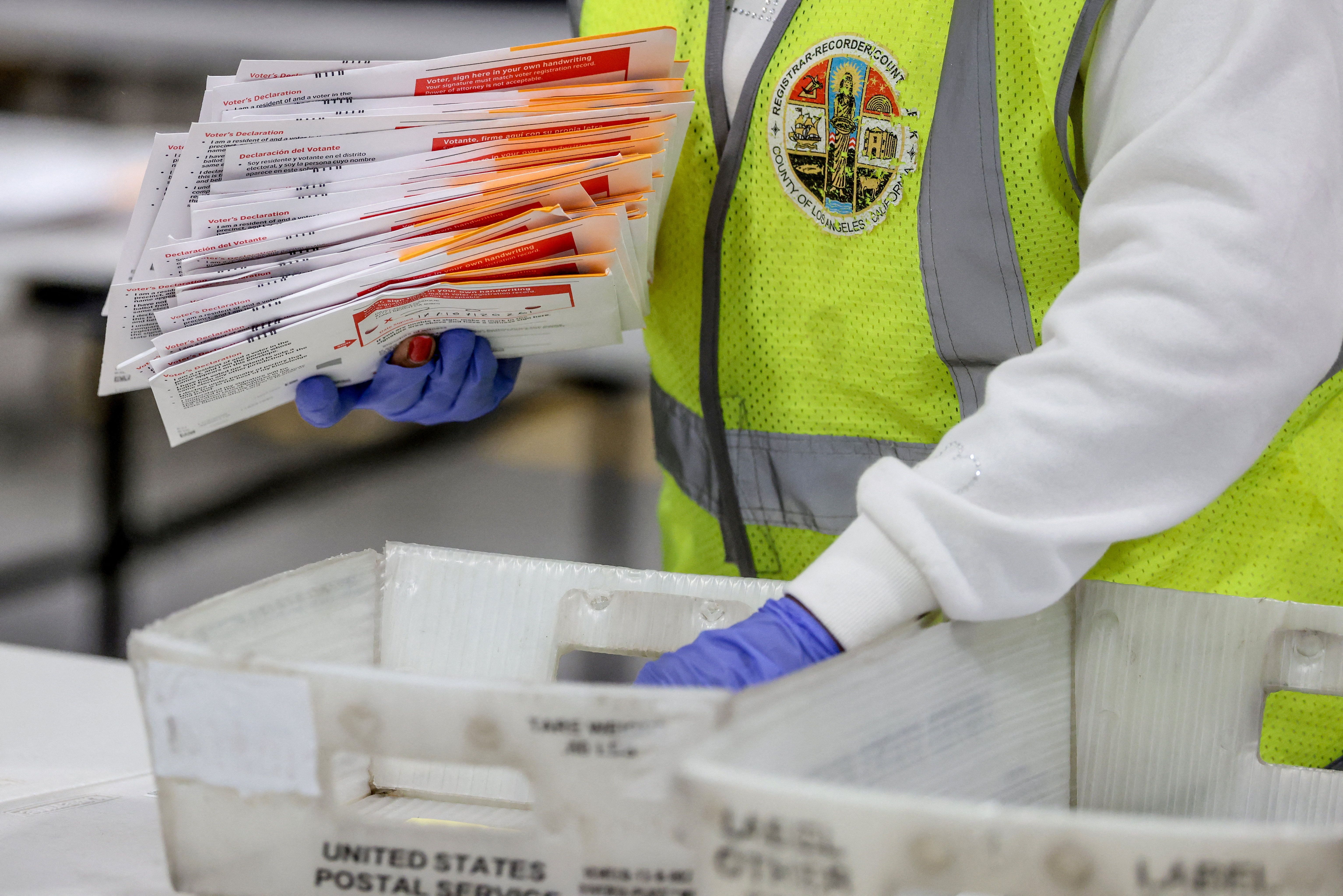
美国的全国选举日是一场两年一度的喧嚣大于信号的狂欢。这是公众对电视和网络新闻关注度最高的一天,其热度可与战争、自然灾害和世界杯决赛相媲美。数亿人紧盯着电视和 YouTube,在社交媒体上喋喋不休、分析不止。媒体公司——包括我们——当然会陪伴在您身边,在我们这里,那就是提供卓越的分析和深思熟虑的下午直播。
National election days in the United States of America are biennial festivals of noise over signal. This is the day of maximal public attention to television and online news, on par with wars and natural disasters and the World Cup finals. Hundreds of millions of people are watching TV and YouTube closely, chattering and analyzing on social media. Media companies — like ours — will be there to keep you company, of course, in our case with superb analysis and a thoughtful afternoon livestream.
然而:没有哪一天像这一天这样,废话的音量如此压倒新信息的数量。
And yet: There’s no other day where the volume of nonsense so outweighs the quantity of new information.
在网站、社交媒体,甚至有线电视新闻还没要求记者不间断播出的旧式印刷新闻时代,选举日是一段轻松时光。政治记者可以睡懒觉,吃顿长午餐,甚至去看场电影。下午,你会顺道去个投票站搞点“B 版素材”——一些现场色彩和一两句模棱两可的引语,以便给早版报道充实篇幅。“选民在上西区 87 号公立学校门前排起了长龙,投下手中的选票。‘这儿可真挤啊,’70 岁的鲍勃·史密斯说。” 就是那种东西。
In the old days of print journalism, before websites, social media, and even cable news required that reporters broadcast nonstop, Election Day was a blast. Political reporters could sleep late, have a long lunch, even catch a movie. In the afternoon, you’d drop by a polling place for a little “B-matter” — some color and an ambiguous quote or two to bulk out a story in the early edition. “Voters lined up around the block at P.S. 87 on the Upper West Side to cast their ballots. ‘It sure is crowded here,’ said Bob Smith, 70.”
现代选举日媒体内容包含三样东西:关于有多少人在投票的轶事;关于舞弊和骗局的轶事;以及很久以后才出来的结果。
That sort of thing.
早期投票趋势、以及关于在稳红或稳蓝选区排队有多长的报道,很诱人拿来当数据点——但出了名地具有误导性。你只能投一次票,票投得早并不比周二站在队伍里晚投更管用。
The modern Election Day media contains three things: anecdotes about how many people are voting; anecdotes about chicanery and hoaxes; and, long after that, results. Early voting trends and stories about how long the lines are in reliably red or blue districts are tempting to use as data points — but are notoriously misleading.
还有各种轶事。其中不可避免的一点是,美国某个地方的投票机将处于崩溃边缘。网红大V们将会对此大肆炒作。特别是X平台,现在极力通过奖励互动来吸引流量。一段显示宾夕法尼亚州或亚利桑那州某台机器似乎拒绝接受某位候选人选票的视频——无论是真是假——都是获取互动的绝佳素材。当你看到这些帖子时,请记住,美国的选举系统是高度分散、安全且基本处于离线状态的,而且这类传闻每年都会流传。
You can only vote once, and it doesn’t count more if it comes in early, rather than if you wait until Tuesday to stand on line. Then there are the anecdotes. One, inevitably, will be that a voting machine somewhere in the US is on the brink. The influencers will be all over it. X, in particular, is now hyper-charged to reward engagement. A video — real or manipulated — of a machine in Pennsylvania or Arizona appearing to refuse to accept votes for one candidate is engagement gold.
还会出现关于投票站受干扰或恐吓的暗示和谣言。两党都有最强烈的动机去夸大任何类似的事情,这既是为了在情况属实的情况下作为早期预警,无论如何也是为了激励选民。这是一个全球现象:以色列和巴西最近的选举也充斥着大量广为流传的不当行为指控——在以色列的选举中是关于对阿拉伯选民的外国资助,在巴西则是关于投票站关闭时间过晚——这些指控在第二天不再相关时便烟消云散了。
When you see these posts, remember that the US election system is wildly decentralized, secure, and largely offline, and that this story circulates every year. There will also be hints and rumors of poll-site interference or intimidation. Both parties have a maximal incentive to play up anything like this, both as an early warning in case it’s real, and to motivate voters in any case.
当然,媒体公司也有各自的动机来让你保持关注。电视和直播上将会有不间断的讨论小组,分析人士会重复对数日前民调的分析,到了下午,出口民调的数据将会显示拉美裔选民正在大量投票,或者经济是一个重大议题。(这些出口民调的分析在很大程度上既无用,又经常在选举结束后的几天内被修正,但它们填补了节目空档。)因此,选举日是个睡懒觉、看电影(如果你还没看的话),当然还有……观看我们直播的好日子。
This is a global phenomenon: Recent elections in Israel and Brazil were marked by wildly viral claims of misconduct — foreign funding of Arab voters in Israel’s case, polls being kept open too late in Brazil’s — that evaporated the next day when they were no longer relevant. Media companies, of course, have our own incentives to keep you engaged. There will be nonstop panels on TV and livestreams, analysts repeating analysis of days-old polls, and — come afternoon — figures from exit polls suggesting that Hispanics are voting in large numbers, or that the economy is a major issue. (These exit poll analyses are both largely useless and often corrected in the days after the election, but they fill the air.) So, Election Day is a good day to sleep late, see (if you haven’t yet), and, of course … watch our livestream.
随后,当美东时间下午6点投票开始结束时,新闻便随之而来:数字开始涌现,取代了之前的闲聊。紧随其后的,往往还有诉讼。
Then when the polls start closing at 6 pm EST, the news arrives: Numbers start rolling in to replace the chatter. And, on their heels, often, litigation.
如果特朗普政府像一些人猜测的那样,在选举日采取行动干扰投票,那么可能会有实质性的新闻需要关注。
There could be substantive news to follow if the Trump administration acts to disrupt voting on Election Day, as some suspect will happen.
据《ProPublica》报道,一群民主党州官员和选民权益倡导者“一直在策划如果确实出现真正的联邦干预时该如何应对。该组织已经对政府特工试图强占投票设备或选票时的反应进行了‘战争推演’。”
A group of Democratic state officials and voting rights advocates “have been planning how to respond if, indeed, there is real federal interference. The group has ‘war-gamed’ how to react if government agents attempt to commandeer voting equipment or ballots,” ProPublica reports.