在2020-21年疫情放大的所有恶性政治习俗中,提前投票名列前茅。将选民投票时间从单日约12小时扩展至长达六周的法律,几乎摧毁了美国共和国最伟大的传统之一:选举日。
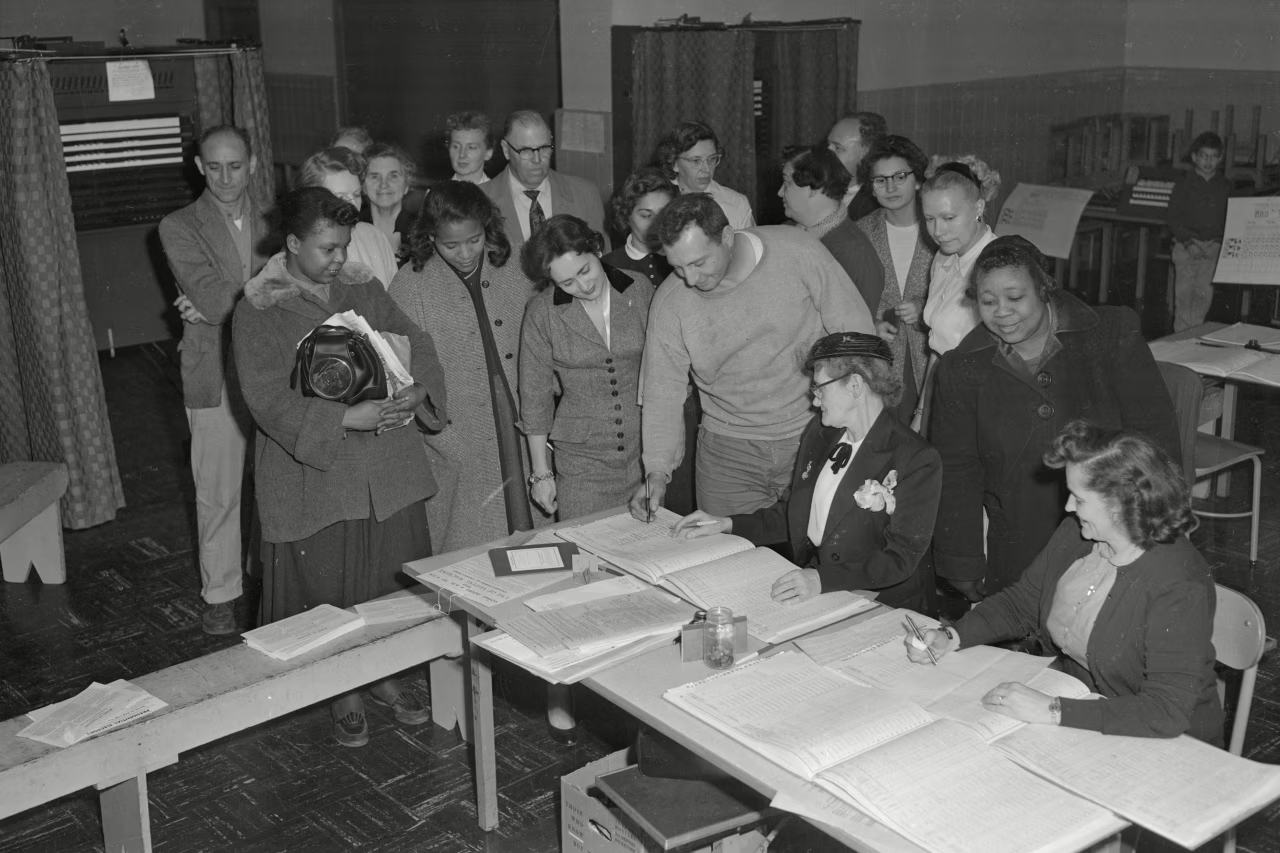
Of all the malign political customs supercharged by the 2020-21 pandemic, early voting ranks near the top. Laws expanding the time voters can cast ballots from roughly 12 hours on a single day to periods of up to six weeks have nearly destroyed one of the great traditions of the American republic: Election Day.
大约100年来,从20世纪初到21世纪初,美国人几乎完全在同一天投票。这一习俗提供了分歧中团结的绝佳典范。在共和国早期以及19世纪的各种方式中,法律为驻扎海外的军人和居住在偏远地区的公民提供了提前投票的便利。现代提前投票提供的则是另一种东西:便利。
For about 100 years, from the early 20th century to the early 21st, Americans voted almost wholly together. The custom offered a splendid example of unity in division. In the early republic and in various ways through the 19th century, laws accommodated early votes for servicemen stationed abroad and citizens living in remote locales. Modern early voting offers something different: convenience.
始于20世纪80年代,少数州,特别是加利福尼亚州,开始尝试这样一种理念:选民无需理由——如就读大学、预先安排的旅行、服兵役——即可在选举日前投出选票。个人对便利的追求就足以成为理由。提前投票的趋势是让投票变得更容易这一更大努力的一部分,这项努力几乎完全由民主党主导。例如,1993年的《机动选民法》要求各州向申请或更新驾照、或申请公共援助的合格人员提供选民登记材料。
Beginning in the 1980s, a few states, notably California, began experimenting with the idea that voters didn’t need an excuse—college attendance, prearranged travel, military duty—to cast their ballots before Election Day. A desire for personal expedience would satisfy. The trend toward early voting was part of a larger effort, almost exclusively a Democratic one, to make voting easier. The 1993 Motor Voter Act, for example, required states to offer voter-registration materials to eligible people who apply for or renew their driver’s license or apply for public assistance.
到2016年,约40%的选民提前投票。在公共卫生当局警告我们在投票站排队危及生命(尽管抗议种族主义不知为何却不危及生命)后,疫情期间多数选民提前投票;2022年约半数选民提前投票;2024年这一比例达到60%。
By 2016 about 40% of voters cast their ballots early. A majority did so during the pandemic after public-health authorities warned us that standing in line at the polls endangered our lives, although protesting racism somehow didn’t. About half the electorate voted early in 2022; 60% did so in 2024.
不同立场的社会批评家经常哀叹这样一个事实:美国人作为一个国家不再一起做任何事情了。我们不再看同样的电视节目和电影。我们不再读同样的书籍、杂志和报纸。超级碗大概是唯一一件大多数美国人同时知晓并参与的事情,甚至连这也变成了关于中场表演是否得体的年度争吵。
Social critics of various leanings have frequently lamented the fact that Americans don’t do anything as a country anymore. We don’t watch the same TV shows and movies. We don’t read the same books and magazines and newspapers. The Super Bowl is about the only thing that happens with most Americans’ simultaneous awareness and engagement, and even that has turned into an annual quarrel about the halftime show’s propriety.
现在,我们大多也不再一起投票了。对于大多数人来说,那种与同胞美国人一起排队、表达对谁应代表选区、辖区或州的意愿的感觉已经消失了。
Now we mostly don’t vote together, either. Gone for a majority is the feeling of standing in line with fellow Americans and registering a sense of who should represent the precinct, district or state.
认为投票需要最大程度便利的想法,久而久之导致了这样的认知:漫长的投票队伍是失败甚至更糟情况的证据。克里斯托弗·希钦斯曾在《名利场》指控约翰·克里在2004年赢得了俄亥俄州,从而赢得了总统职位。他的证据主要在于俄亥俄州甘比尔的民众遇到了异常漫长的等待时间。佐治亚州州长候选人斯泰西·艾布拉姆斯通过宣扬黑人美国人在前往投票站的路上遇到的障碍比白人更多这一虚假说法,让自己成了一个小名人。这些以及其他1000次对选举日的攻击,让在选举日以外的任何一天投票成了一种美德。
The idea that casting a ballot requires maximum convenience lent itself over time to the belief that long voting lines are evidence of failure or worse. Christopher Hitchens once alleged in Vanity Fair that John Kerry won Ohio and thus the presidency in 2004. His evidence consisted largely of the fact that people in Gambier, Ohio, encountered unusually long wait times. Stacey Abrams, a candidate for Georgia governor, made herself a minor celebrity by promoting the bogus claim that black Americans meet with more obstacles on the way to the voting booth than do whites. These and 1,000 other attacks on Election Day have made a virtue of voting on any other day.
但排队投票的经历——当所有人在同一天去投票站时更可能发生——提供了一堂关于公民生活的小课。你的邻居可能不会为你的候选人投票,但你们依然和平共处。共和党人和民主党人在排队等待剥夺对方政党权力、并领取一张“我已投票”贴纸作为奖励时,彼此相互尊重。2020年代的年轻美国人可以从这种感觉中受益。
But the experience of standing in line to vote, far more likely to happen when everyone goes to the polls on the same day, affords a little lesson in civic life. Your neighbors may not pull the lever for your candidate, but you live with them peacefully all the same. Republicans and Democrats regard each other respectfully as they wait in line to deprive each other’s parties of power and receive an “I voted” sticker as a reward. Young Americans in the 2020s could profit from that feeling.
另一理由为何要在选举日投票,而不是提前投票:你可以在选举前几周了解很多关于候选人的信息。回想去年弗吉尼亚州的情况。2025年10月3日,Audrey Fahlberg 在《国家评论》上披露,民主党提名的州总检察长候选人 Jay Jones 曾向其政治对手发送疯狂短信。他暗示其中一名对手“应该被两枪射中头部”,并希望另一名对手的“孩子会死亡”。这些言论显然不适合州总检察长。然而,提前投票已于9月19日开始。Jones 可能仍然赢得了选举,但胜差不到227,097票。
Another reason to vote on Election Day, not before: You can learn a lot about a candidate in the weeks before an election. Recall what happened in Virginia last year. On Oct. 3, 2025, Audrey Fahlberg revealed in National Review that Jay Jones, the Democratic nominee in the race for attorney general, had sent deranged texts about his political adversaries. One opponent, he suggested, deserved “two bullets to the head.”He hoped another’s “children would die.”That such sentiments didn’t befit an attorney general was obvious. But early voting had begun on Sept. 19. Mr. Jones may have won his election anyway, but by fewer than 227,097 votes.
今年提供了多次可能后悔提前投票的机会。根据2022年通过的宪法修正案,密歇根州允许提前现场投票,最晚可在选举前九天——今年是10月24日——尽管某些地区提供更宽松的窗口。提前投票的密歇根选民并未知晓周末的戏剧。民主党提名人 Abdul El‑Sayed 对已在八月初选中击败的 Haley Stevens 进行了一次无意义的攻击,而 Stevens 女士则宣布支持共和党人 Mike Rogers。
This year offers multiple opportunities for regretted early votes. By a constitutional amendment passed in 2022, Michigan offers early in-person voting no later than nine days before an election—this year, Oct. 24—though some areas offered a wider window. Michiganders who voted early weren’t privy to the weekend’s drama. Democratic nominee Abdul El-Sayed took a pointless shot at Haley Stevens, whom he defeated in the August primary, and Ms. Stevens announced her endorsement of Republican Mike Rogers.
大多数已经在密歇根州投票的人,可能不会因为这场戏剧而想要改投。El‑Sayed 对以色列的仇恨,是他与 Stevens 女士争执的原因,众所周知。但超过70万人投票支持 Stevens 女士而非 El‑Sayed,且并非不可能有相当数量的人在周末决定不再在大选中投票给初选赢家。但如果他们已经投票,那就只能接受结果。
Probably most who’ve already pulled the lever in Michigan wouldn’t find a reason in this drama to wish they had voted otherwise. Mr. El-Sayed’s hatred of Israel, the reason for this spat with Ms. Stevens, is well-known. But more than 700,000 people voted for Ms. Stevens against Mr. El-Sayed, and it isn’t inconceivable that some significant number of them decided over the weekend that they wouldn’t vote for the primary’s winner in the general election. But if they had already voted, too bad.
2026 年迄今最重磅的爆料发生在阿拉斯加的参议院竞选中。合格选民可于 10 月 19 日投出首张选票(阿拉斯加采用复杂的排序复选制)。提前投票者已完成投票。八天后,《纽约时报》发表报道,详述了一项据称由民主党提名人玛丽·佩尔托拉及其团队实施的计划,意在招募一名与共和党现任参议员丹·沙利文同名的搅局候选人。
By far the weightiest revelation in 2026 occurred in Alaska’s Senate race. Eligible voters could cast their first ballots (Alaska uses the complicated ranked-choice system) on Oct. 19. Early voters got their business out of the way. Eight days later, the New York Times published a story detailing a scheme, allegedly carried out by Democrat nominee Mary Peltola and her staff, to recruit a spoiler candidate with the same name as Republican incumbent Dan Sullivan.
一些民主党评论员试图辩称,假如确系佩尔托拉团队所为,这仅属轻微舞弊,并无严重过错。我对这种说法持怀疑态度,但将等待阿拉斯加道德法规给出更明确的解释。不过,佩尔托拉女士否认参与该阴谋这一事实,带来的政治后果有别于法律后果。并非不可能,一些本意欲投票给佩尔托拉的选民会认为,良心不允许他们投票给一位(a)招募虚假候选人、以荒唐手段诱骗选民投错人,且(b)反复撒谎隐瞒此事的候选人。
A few Democratic pundits have tried to suggest that the Peltola operation, assuming that’s what it was, amounts to a minor bit of chicanery and nothing egregiously culpable. Count me skeptical of that claim, but I’ll await more definitive explanations of Alaska ethics laws. The fact that Ms. Peltola denied having any part in the machination, however, presents political consequences separate from legal ones. The possibility doesn’t seem remote that some appreciable sum of would-be Peltola voters decided they couldn’t in good conscience vote for a candidate who (a) recruited a bogus candidate in a harebrained attempt to deceive voters into voting for the wrong guy, and (b) repeatedly lied about it.
但若这些恪守良知的阿拉斯加选民已在 10 月 19 日至 28 日期间投了佩尔托拉的票,那就无法更改了。没有重来的机会。
But if such conscientious Alaskans had already cast their ballots for Ms. Peltola between Oct. 19 and Oct. 28, too bad. No do-overs.
《时报》报道刊出时,已有约 4.1 万阿拉斯加人完成现场投票,约 1.6 万人寄回邮寄选票。在人口约 74 万的阿拉斯加,这是一个庞大数字。对比 2022 年参议院竞选,穆尔科斯基参议员在首轮以 2015 票优势击败最接近竞争对手,在第三轮以 18796 票优势获胜。
By the time the Times story ran, around 41,000 Alaskans had already voted in person, and some 16,000 had returned mail-in ballots. That’s a big number in Alaska, population roughly 740,000. Compare the 2022 Senate race, in which Sen. Lisa Murkowski defeated her nearest competitor in the first round by 2,015 votes and won in the third round by 18,796 votes.
也许如今人们不再改变主意,也不再后悔自己的选择。但如果除正式获准缺席投票者外的所有人都等到11月3日才行使选举权,阿拉斯加选民去投票时所拥有的认知将比前4.1万名在提前投票首周投票的人更多。耐心等待终有回报,这并非头一遭。斯韦姆撰写本报“失序的共和国”专栏。
Maybe these days people don’t change their minds or regret their choices. But if everybody excluding officially excused absentee voters had waited to exercise the franchise until Nov. 3, Alaskans would go to the polls with more intelligence than 41,000 of them had in the first week of early voting. Not for the first time, patience receives its reward. Mr. Swaim writes the Journal’s Unruly Republic column.