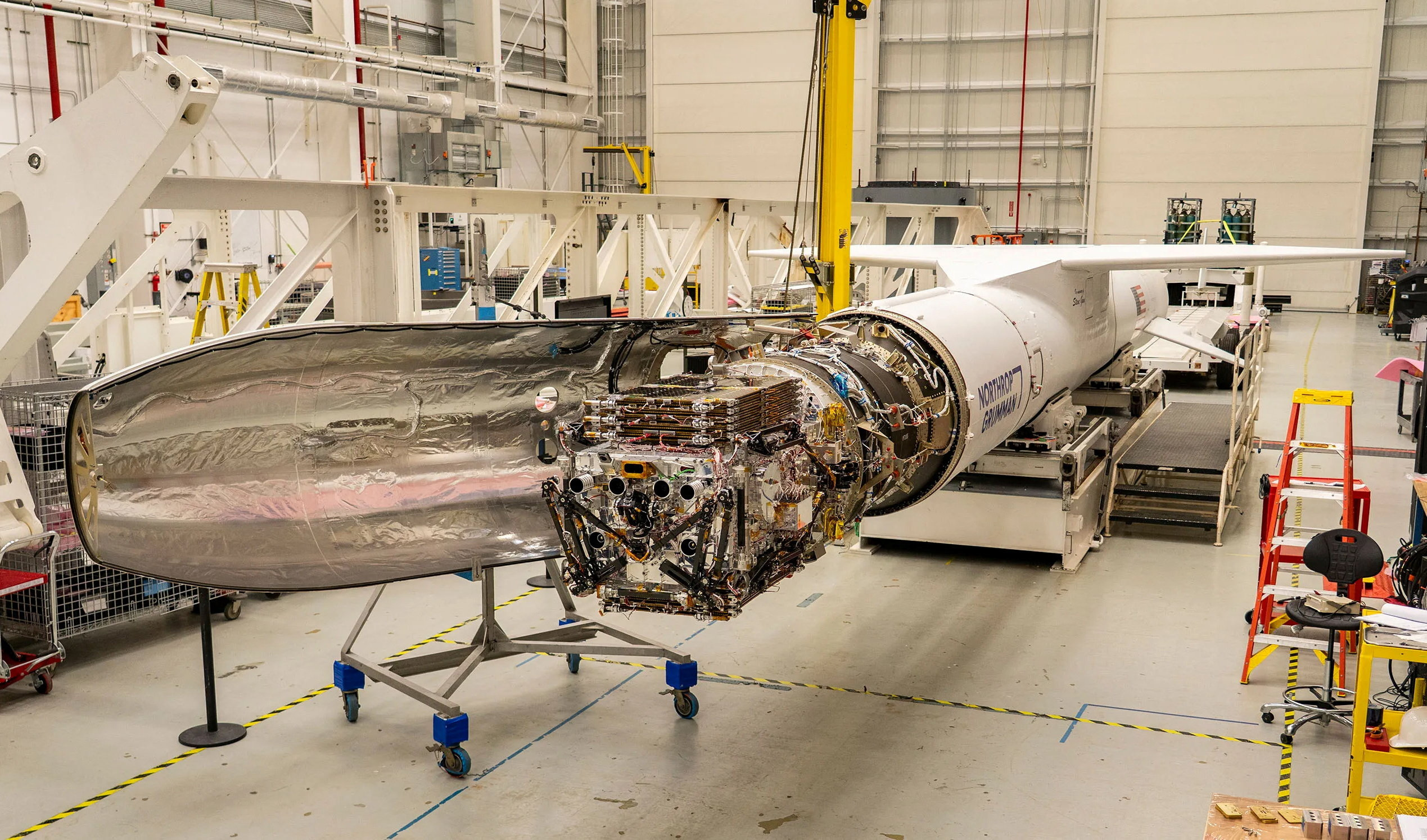
美国宇航局一颗老化的卫星望远镜,本应在今年夏天由一艘机器人飞船执行一次失败的救援任务将其带回,该望远镜于周三早些时候正朝着进入地球大气层的火焰重返轨道方向飞去,距离它被发射入轨已近22年。
An aging NASA satellite telescope that a robotic spacecraft was sent to retrieve on a failed rescue mission this summer was headed for a fiery re-entry into Earth's atmosphere early on Wednesday, nearly 22 years after it was launched into orbit.
据美国宇航局称,重量约为3200磅(1452公斤)的尼尔·格雷尔斯·斯威夫特天文台预计将于东部标准时间凌晨3点30分(格林威治标准时间0830分)左右脱离轨道翻滚并在大气层中烧毁,重返大气层后幸存的碎片不太可能威胁人口稠密地区。
The Neil Gehrels Swift Observatory, weighing roughly 3,200 pounds (1,452 kg), was expected to tumble out of orbit and burn up in the atmosphere at about 3:30 a.m. EST (0830 GMT), with fragments surviving re-entry unlikely to threaten populated areas, according to NASA.
美国宇航局在一份在线声明中称,美国太空军估计,任何人在地球上受到伤害的概率为2100分之一。
The US Space Force has put the odds of harm coming to anyone on Earth at one chance in 2,100, NASA said in an online statement.
美国宇航局价值5亿美元的斯威夫特卫星是一款独一无二的多波长空间天文台,自2004年以来一直利用其三台望远镜阵列研究伽马射线暴和其他宇宙现象。这座天文台本身没有推进系统,已在数月内漂向预期的毁灭。
NASA's prized $500 million Swift satellite, a first-of-its-kind multi-wavelength space observatory, has been studying gamma-ray bursts and other cosmic phenomena since 2004, using its array of three telescopes. The observatory, which has no onboard propulsion system of its own, has been drifting toward an expected demise for months.
天文学家曾希望通过某种方式给这颗卫星望远镜“搭个便车”,从而将斯威夫特的任务延长数年。
Astronomers had hoped to extend Swift's mission for a number of years by somehow giving the satellite telescope a lift.
7月,美国宇航局和亚利桑那州初创公司卡塔利斯特发射了一艘名为LINK的专门建造的救援飞船,任务是与斯威夫特会合,抓住卫星并将天文台拖回更高、更可持续的轨道。
In July, NASA and Arizona-based startup Katalyst launched a specially built rescue vehicle called LINK on a mission to rendezvous with Swift, latch onto the satellite and tug the observatory back into a higher, more sustainable orbit.
但LINK飞船本身在进入太空后不久就开始失控旋转,到8月中旬,任务管理人员放弃了努力,认命让斯威夫特继续迎接它的命运。
But the LINK spacecraft itself began spinning uncontrollably soon after reaching space, and by mid-August, mission managers abandoned the effort, resigned to letting Swift continue to meet its fate.
这次中止的救援尝试是美国首次此类任务,其意义更加凸显,因为它是一种新型轨道捕获技术的演示,这项技术被视为中美太空竞赛结果的关键。
The aborted rescue attempt, the first US mission of its kind, took on heightened significance as a demonstration of a new orbital grappling technology seen as pivotal to the outcome of the US-China space race.
LINK计划备受关注,被视为一种关键卫星维护技术的试运行,该技术具有潜在的军事太空双重用途应用。
The LINK effort was closely watched as a trial run of a key satellite-maintenance technology with potential dual-use military space applications.
Katalyst将该任务宣传为一项历史性的壮举,在为期九个月的前所未有的生产进度下,在3000万美元的NASA合同下设计、建造并测试了LINK救援飞行器。
Katalyst touted the mission as a historic endeavor that designed, built and tested the LINK rescue vehicle on an unprecedented nine-month production schedule under a $30 million NASA contract.
Swift于二十多年前发射,旨在探索宇宙中已知最强大的爆炸,即源自遥远星系核心的伽马射线暴。
Swift was launched more than two decades ago to explore the most powerful known explosions in the universe, bursts of gamma-ray radiation emanating from the cores of distant galaxies.
Swift最初设计执行为期两年的主要任务,但运行时间远超预期,观测对象涵盖广泛的宇宙天体,从由超大质量黑洞驱动的星系和发射X射线耀斑的恒星,到穿越我们太阳系的彗星和小行星。
Originally designed for a two-year prime mission, Swift remained in operation far longer with observations of a wide range of cosmic objects, from galaxies powered by supermassive black holes and stars emitting X-ray flares, to comets and asteroids streaking through our own solar system.