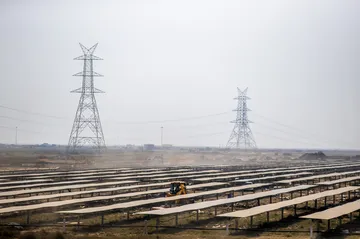
印度计划强制要求电力配电商在购买可再生能源电力时同时购买一定的储能容量,政府旨在遏制清洁能源浪费。
India plans to make it mandatory for electricity distributors to buy some energy storage capacity as part of their renewable purchases, as the government seeks to curb clean power wastage.
电力部秘书潘卡杰·阿加瓦尔周四在新德里举行的印度可再生能源峰会上表示,政策细节(包括配电商须购买多少储能容量)仍在讨论中,政府计划在3月前敲定规则。
Details of the policy, including how much storage distributors will be required to buy, are still being discussed, Power Secretary Pankaj Agarwal said on Thursday. The government plans to finalize the rules by March, he said at the Bharat RE Summit in New Delhi.
该强制令旨在刺激对电池储能的投资,以便在电力过剩时储存多余电力、在供应紧张时释放。太阳能发电在白天达到高峰,风电输出随天气波动,导致电网在某些时段电力过剩、另一些时段短缺。若储能不足,电网运营商可能被迫限制可再生能源出力。
The mandate aims to boost investment in batteries that can store surplus electricity and release it when supplies tighten. Solar generation peaks during the day while wind output fluctuates with weather conditions, leaving the grid with too much power at some times and shortages at others. Without sufficient storage, grid operators can be forced to curtail renewable output.
今年最热月份,印度产生的太阳能电力约有11%因电网限电而损失,而此时电力需求却创下纪录。
About 11% of solar power generated in India during the hottest months this year was lost to grid curtailments, even as demand hit a record.
此举紧随政府周三决定为包括电池、抽水蓄能和新兴技术在内的储能项目提供资本补贴。阿加瓦尔表示,印度目前仅建议可再生能源开发商在项目中配置储能,这一要求现在将变为强制性。
The move follows a government decision Wednesday to offer capital subsidies for energy storage projects, including batteries, pumped hydropower and emerging technologies. India currently has an advisory for renewable energy developers to integrate storage into their projects, and that requirement will now be made mandatory, Agarwal said.
随着电网难以跟上太阳能和风电装机的快速扩张,储能系统对全球能源转型变得日益重要,以实现清洁能源的最优利用。储能有助于更好地利用现有输电线路,减少对新基础设施投资的需求。
Storage systems have become increasingly important for the global energy transition to make optimal use of clean power as grids struggle to keep pace with the rapid expansion of solar and wind fleets. Energy storage can help make better use of existing transmission lines and reduce the need for investment in new infrastructure.