Capital B 气候新闻部 硅谷希望全国各地社区为其数据中心让路。周二,这些社区表达了自己的意见。
Capital B Climate Desk Silicon Valley wants communities across the country to make room for its data centers. On Tuesday, those communities had their say.
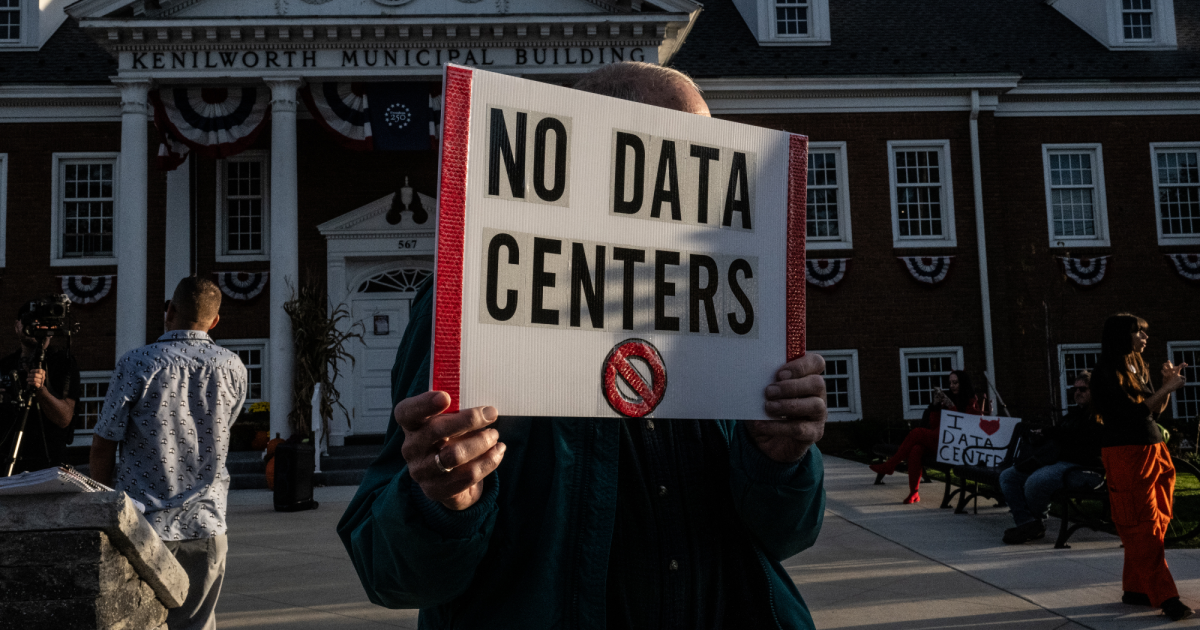
选民在10个州审议了近40项与数据中心相关的投票提案,将中期选举变成一场广泛的公投,把科技行业对电力的需求转化为对政治权力的考验。
Voters considered nearly 40 data center-related ballot measures across 10 states, turning the midterms into a sprawling referendum shifting the technology industry’s demand for power into a test of political power.
在这些投票提案中,只有北达科他州哈伍德的一项被视为科技行业的胜利。在加利福尼亚州、佛罗里达州、伊利诺伊州、堪萨斯州、缅因州、内华达州、新泽西州、俄亥俄州和威斯康星州的其他提案中,选民要么禁止数据中心建设,要么叫停本市所有计划中的设施开发。
Of the ballot measures, just one—in Harwood, North Dakota—counted as a victory for the tech industry. In the other measures, which were voted on in California, Florida, Illinois, Kansas, Maine, Nevada, New Jersey, Ohio, and Wisconsin, voters either banned data center construction or halted the development of all planned facilities in their municipalities.
在伊利诺伊州乔利埃,黑人和拉丁裔居民长期与工业污染作斗争,近80%的选民支持限制数据中心。
In Joliet, Illinois, where Black and Latino residents have long fought industrial pollution, nearly 80 percent of voters moved to restrict data centers.
北佛罗里达州“黑人选民重要”组织的组织者贾米尔·戴维斯今年秋天挨家挨户敲门时,看到了这种对数据中心日益增长的愤怒。他说,在请求人们投票之前,组织者必须倾听塑造他们生活的问题。“几乎每次,公用事业账单、数据中心,都是人们提到的关键问题,”他说。
When Jamil Davis, an organizer with Black Voters Matter in northern Florida, knocked on doors this fall, he saw this growing outrage against data centers. Before asking people to vote, he said, organizers have to listen to the problems shaping their lives. “And almost every time, utility bills, data centers, [are] the key things that people bring up,” he said.
数据中心之争属于反对环境种族主义的更古老的斗争:谁获得工业发展的好处,谁承受其负担?数据中心与水资源枯竭和空气污染等一系列环境问题相关,更可能位于有色人种社区。
The fight over data centers belongs to a much older struggle against environmental racism: Who gets the benefits of industrial development, and who is left to live with its burdens? Data centers, which are connected to a slew of environmental issues like water depletion and air pollution, are more likely to be located in communities of color.
目前反对数据中心的斗争很大程度上源于田纳西州孟菲斯,那里由黑人领导的组织,如“孟菲斯反污染社区”和“年轻、天赋与绿色”,挑战围绕埃隆·马斯克xAI设施的污染问题和缺乏公众监督的现状。11月3日显现出的全国性反对,可能会推进黑人环保活动家几代人以来的诉求:不仅是免受污染侵害,更是在他们社区是否建设产生污染的设施这一问题上拥有实质性的发言权。
Largely, the current struggle against data centers has roots in Memphis, Tennessee where Black-led groups such as Memphis Community Against Pollution and Young, Gifted & Green challenged the pollution and lack of public oversight surrounding Elon Musk’s xAI facility. The national opposition, made clear on November 3, could advance a demand Black environmental activists have pressed for generations: not simply protection from pollution, but a meaningful say in whether the facilities producing it get built in their communities at all.
“他们选择在边缘化和以黑人为主的社区建设数据中心,这是一个环境正义问题,”大卫解释道。数据中心的增长——几乎所有互联网服务,从浏览社交媒体、流媒体观看电视到使用ChatGPT都需要数据中心——也导致全美公用事业价格飙升。
“They’re choosing marginalized and predominantly Black communities to build data centers, and it is an environmental justice issue,” David explained. The growth of data centers, which are needed for virtually every internet service from scrolling social media to streaming TV and using ChatGPT, has also contributed to skyrocketing utility prices nationwide.
超过一半的投票倡议最初是由公民倡议而非民选官员发起的。总体而言,77%的选民否决了数据中心开发。
More than half of the ballot initiatives were first introduced by citizen initiatives rather than elected officials. In all, 77 percent of voters rejected data center development.
在伊利诺伊州乔利埃特,黑人和拉丁裔居民长期以来一直在反抗仓储和卡车运输行业的污染,近80%的选民投票决定限制数据中心。
In Joliet, Illinois, where Black and Latino residents have long fought against pollution from the warehouse and trucking industry, nearly 80 percent of voters moved to restrict data centers.
周三的一项全国民调发现,超过一半的中期选举选民认为人工智能和数据中心是影响其投票的主要或关键因素。
A nationwide poll Wednesday found that more than half of midterm voters considered AI and data centers to be a major or crucial factor in their vote.
一些政治分析人士表示,这些措施的结果也是对唐纳德·特朗普总统的谴责。特朗普誓言要让美国成为“世界人工智能之都”。即使是大多数共和党人也反对在其社区新建数据中心。“简直就是一场政治地震……他们有钱,但我们有人。”
The results of the measures were also a rebuke of President Donald Trump, some political analysts said. Trump has vowed to make America the “AI capital of the world.”Even a majority of Republicans oppose new data center construction in their communities. “This is nothing short of a political earthquake…They had the money, but we had the people.”
Oil Change Action执行董事伊丽莎白·巴斯特表示,选民传递了一个“明确信息”。
Elizabeth Bast, executive director at Oil Change Action, said voters sent a “clear message.”
她说:“他们厌倦了特朗普的化石燃料馈赠议程、非法且不道德的战争,以及不受约束的数据中心扩张,这些让他们的生活成本更高,却填满了大石油和大科技公司的腰包。这届新国会必须倾听选出它的人民的声音。”根据Data Center Resistance组织的数据,科技公司及其盟友在全国范围内的支出比当地公民运动高出约100倍,试图阻挠这些措施。
“They’re fed up with Trump’s agenda of fossil fuel giveaways, illegal and immoral wars, and unchecked data center expansion that makes their lives more expensive while lining the pockets of Big Oil and Big Tech,” she said. “This incoming Congress must listen to the people who elected it.”
埃隆·马斯克单独在2026年美国中期选举中花费4.74亿美元支持共和党人、保守派团体和亲AI候选人,创下单一选举周期个人捐赠者捐款额的历史新高。
Tech corporations and their allies outspent the local citizen campaigns by approximately 100 to 1 nationwide in an attempt to block these measures, according to the group Data Center Resistance.
在加利福尼亚州,根据CalMatters对竞选财务披露的分析,谷歌、Meta和其他大科技利益集团占该州立法竞选所有捐款的至少20%。“简直就是一场政治地震,”Data Center Resistance主任埃德·菲茨杰拉德说。“他们有钱,但我们有人。”在南方各州,科技公司试图通过与当选官员签署保密协议来秘密运作,阻挠公民了解这些设施的重要细节。
Elon Musk alone spent $474 million backing Republicans, conservative groups, and pro-AI candidates during the 2026 US midterm elections, the largest amount ever contributed by an individual donor in a single election cycle. In California, Google, Meta, and other Big Tech interests account for at least 20 percent of all the contributions on the state’s legislative races, according to a CalMatters analysis of campaign finance disclosures. “This is nothing short of a political earthquake,” said Ed FitzGerald, director of Data Center Resistance. “They had the money, but we had the people.”
在阿拉巴马州,环保选民联盟投入30万美元数字广告,针对支持数据中心的共和党人雷特·马奎斯,重点攻击数据中心繁荣直接推高了阿拉巴马州民的公用事业账单。马奎斯最终败给了美国众议员肖马里·菲格斯,这位黑人政治人物的席位因《投票权法案》的弱化而面临威胁。
Across the South, tech companies have attempted to operate in secrecy by entering non-disclosure agreements with elected officials, shielding citizens from learning important details about these facilities. In Alabama, the League of Conservation Voters invested $300,000 in digital ads targeting Rhett Marques, a Republican supporter of data centers, focusing on how the data center boom has directly increased utility bills for Alabamians Marques went on to lose to US Rep. Shomari Figures a Black politician whose position was under threat because of the weakening of the Voting Rights Act.
“这是一场巨大的胜利,尤其是对阿拉巴马州的黑人社区而言,他们的声音曾因州议会和最高法院今年早些时候的种族选区划分企图而面临被压制的境地,”LCV总裁皮特·梅史密斯说。
“This win is a huge victory, especially for Black communities in Alabama whose voice was attempted to be silenced by the racial gerrymandering efforts of the state legislature and Supreme Court earlier this year,” LCV President Pete Maysmith said.