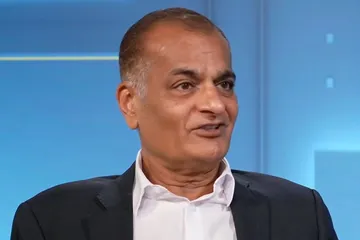
印度应考虑取消对外国人征收的资本利得税,以帮助振兴该国股市,Edelweiss Financial Services Ltd.董事长兼总经理Rashesh Shah表示,这加入了越来越多要求免税以促进资金流入并支撑本币的呼声。
India should consider removing the capital gains tax imposed on foreigners to help revive the country’s stock market, Edelweiss Financial Services Ltd. Chairman and Managing Director Rashesh Shah said, adding to a growing clamor for the exemption to boost inflows and support the local currency.
“我们需要向外国人展示我们欢迎他们,”Shah周五在孟买接受彭博电视台Menaka Doshi和Haslinda Amin采访时表示。“如果印度希望外国投资者回归,希望印度成为外国人良好的长期配置标的,我们应该采取行动,取消对外国人的资本利得税可能是一个更容易的答案。”Shah加入了数十位推动政府免除外国组合投资者就上市股票长期资本利得缴税的人士行列。财政部长Nirmala Sitharaman本周早些时候表示将考虑股票税收变革,但未确认政府是否在考虑修订资本利得税或交易税。
“We need to showcase to the foreigners we want them,” Shah said in an interview with Bloomberg Television’s Menaka Doshi and Haslinda Amin in Mumbai on Friday. “If India wants foreign investors to come back, we want India to be a good permanent allocation for foreigners, we should do something and removing capital gains tax for foreigners might be an easier answer.”Shah joins dozens who are pushing the government to exempt foreign portfolio investors from paying long-term capital gains tax on listed equities. Finance Minister Nirmala Sitharaman said earlier this week that she will consider tax changes on stocks, but stopped short of confirming whether the government was looking at revisions to capital gains or transaction taxes.
持有超过一年的上市股票长期收益税率为12.5%,短期收益税率为20%。
Long-term gains on listed equities held for more than a year are taxed at 12.5%, while short-term gains are levied 20%.
根据彭博汇编的数据,外国投资者持续抛售印度股票,今年以来净流出超过280亿美元。但全球人工智能股票的急剧抛售和油价下跌促使一些海外基金重返市场。数据显示,过去三周外国投资者向印度股市净流入超过50亿美元,帮助推动国内市场反弹近10%。
Foreign investors have been relentless sellers of Indian stocks, with net outflows exceeding $28 billion so far this year, according to data compiled by Bloomberg. But a sharp selloff in global artificial-intelligence stocks and a decline in oil prices have prompted some overseas funds to return to the market. Foreign investors have poured in more than $5 billion into Indian equities over the past three weeks, helping drive a nearly 10% rebound in the domestic market, data show.
Shah表示,油价和任何全球风险规避行情是印度股市最大的风险,但强劲的国内资金流入在此时提供了支撑。
Oil prices and any global risk-off plays are the biggest risks for Indian stocks, Shah said, but added that strong domestic inflows provide support during such times.
沙阿估计,印度共同基金每年可向股票市场投入约400亿至500亿美元,而保险公司和养老基金则可再贡献200亿至250亿美元。他表示,这将转化为每年约600亿至800亿美元的新增国内股票资金流入。沙阿认为,稳定的国内资本供给为企业通过首次公开募股筹集更多资金创造了机遇。
Shah estimates that Indian mutual funds could channel about $40 billion to $50 billion annually into equities, while insurance companies and pension funds could contribute another $20 billion to $25 billion. That would translate into new annual domestic equity inflows of roughly $60 billion to $80 billion, he said. A steady supply of domestic capital has created an opportunity for companies to raise more money through initial public offerings, according to Shah.
沙阿表示,雪绒花集团计划在未来18至24个月内为其资产管理业务进行首次公开募股。集团旗下的雪绒花共同基金管理着价值1.8万亿卢比(约合190亿美元)的资产,美国私募股权公司韦斯特布里奇资本是其主要投资者。集团旗下的EAAA印度另类投资公司在本周通过首次公开募股筹集了120亿卢比后开始交易。
The Edelweiss group is planning an IPO for its asset management business in the next 18 to 24 months, Shah said. Group firm Edelweiss Mutual Fund, which manages assets worth 1.8 trillion rupees ($19 billion), counts US private equity firm WestBridge Capital as a key investor. Group firm EAAA India Alternatives began trading this week following an IPO that raised 12 billion rupees.
他说:“我们希望我们所有的核心业务、保险公司、资产 management(资产管理)最终都能进行首次公开募股并在市场上上市。”
“We want all our underlying businesses, insurance companies, asset management to eventually IPO and get listed in the market,” he said.