德国正在纪念“水晶之夜”发生88周年。1938年11月9日,纳粹发动了针对犹太社区的袭击,犹太教堂、住宅和数千家犹太商铺被毁。
Germany is marking the 88th anniversary of the “Night of Broken Glass,” the Nazi-led attacks on Jewish communities on Nov. 9, 1938, when synagogues, homes and thousands of Jewish businesses were destroyed.
基尔斯滕·格里沙伯 柏林报道 —— 1938年11月9日,乔治·谢菲年仅6岁,母亲让他在家待了三天。当他终于被允许再次外出时,位于柏林一座犹太教堂内的犹太学校已被烧毁,家对面的犹太帽店遭洗劫,隔壁文具店的橱窗被砸碎。
KIRSTEN GRIESHABER BERLIN — George Shefi was just 6 years old on Nov. 9, 1938 when his mother kept him home for three days. When he was finally allowed to go out again, his Jewish school inside a Berlin synagogue had been burned down, the Jewish hat store opposite his home had been looted, and the windows of the stationery shop next door had been smashed.
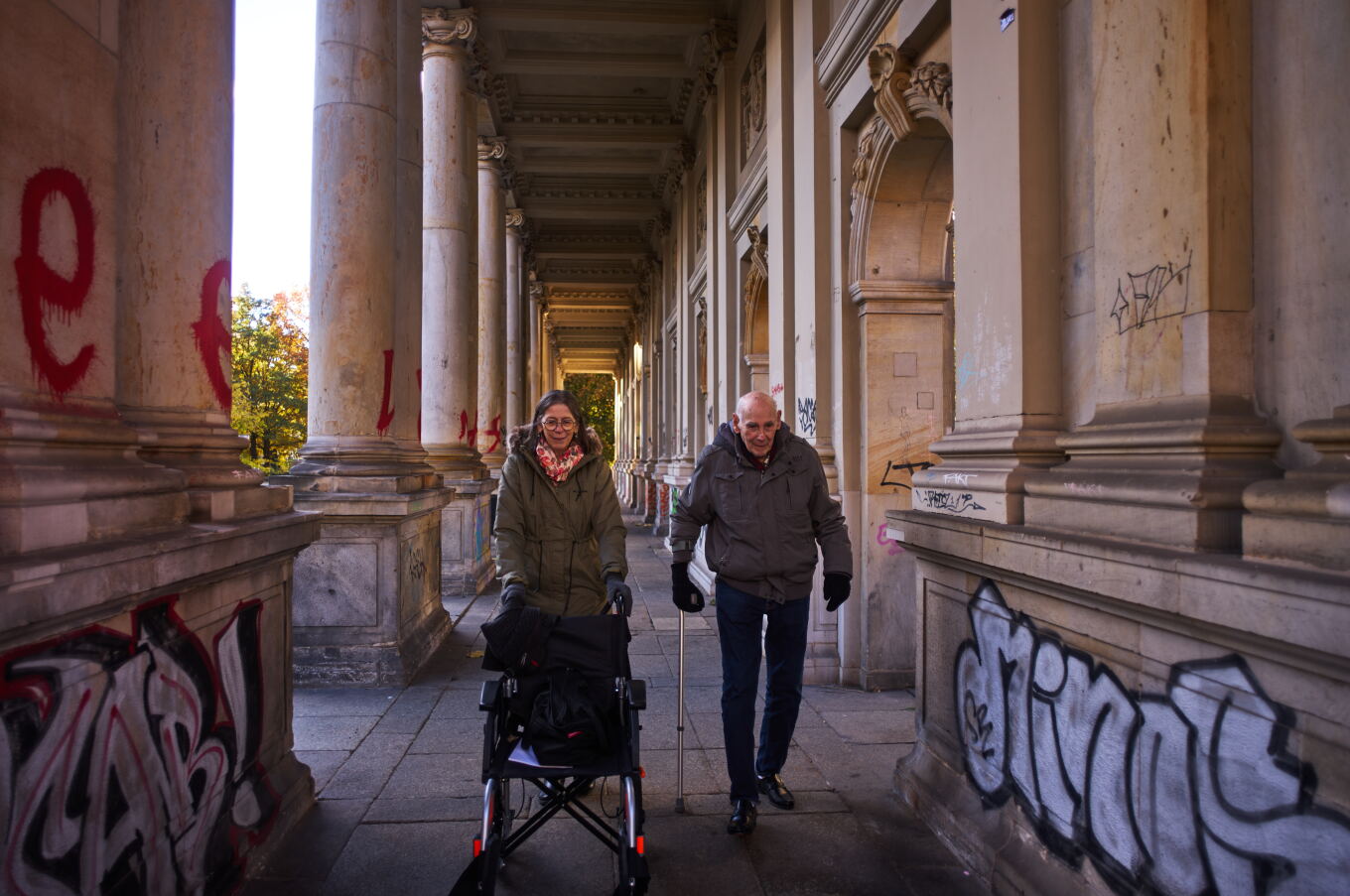
谢菲回忆道,那位犹太店主“试图清理这片狼藉,周围聚集了,我不知道,三四十人,或者五十人左右,在嘲笑、叫嚷、说难听的话”。这是他在最近重访柏林舍讷贝格区的童年故居时讲述的。
The Jewish shop owner “was trying to clean this thing up, and there were, I don’t know, a lot of people, 30, 40, 50, or something, jeering and yelling and saying nasty things,” Shefi recalled during a recent visit to his childhood home in Berlin’s Schoeneberg district.
现年94岁、定居耶路撒冷的谢菲描述了“水晶之夜” —— 纳粹,其中包括许多普通德国人,在德国和奥地利各地恐吓犹太人。据以色列“大屠杀烈士和英雄纪念馆”记载,至少91人遇害,7500家犹太商铺遭破坏,1400多座犹太教堂遭纵火袭击。
Shefi, now 94 and a resident of Jerusalem, was describing Kristallnacht — the “Night of Broken Glass” — when Nazis, among them many ordinary Germans, terrorized Jews throughout Germany and Austria. At least 91 people died and 7,500 Jewish businesses were vandalized. More than 1,400 synagogues were targeted by arsonists, according to Israel’s Yad Vashem Holocaust memorial.
88年后,谢菲作为“水晶之夜”最后的在世见证者之一重返德国首都,分享他的记忆。此时,反犹太主义不仅在德国,而且在全球许多其他国家再次抬头。
Shefi returned to the German capital 88 years later as one of the last living witnesses of Kristallnacht to share his memories at a time when antisemitism is on the rise again not only in Germany but in many other countries around the globe.
历史见证者 谢菲坐在附近公园的一张长椅上,小时候作为犹太儿童他被禁止在此就坐。他说,他让这些痛苦的记忆保持鲜活,是为了帮助防止此类迫害再次发生。
Witness to history Sitting on a bench in a nearby park where he was barred from sitting as a Jewish child, Shefi said he keeps those painful memories alive to help prevent such persecution from happening again.
“我过去像个典型的大屠杀幸存者,恨德国人等等,但大约10年前我得出结论,我跟那些孩子交谈,他们怎么能为80年前发生的事负责呢,”他说。他现在向学生团体和其他德国人讲述他一生的教训。
“I used to be like a regular Holocaust survivor, I hated the Germans and so forth, but about 10 years ago I came to the conclusion how those kids that I speak to, how can they be to blame for what happened 80 years ago,” he said.
“你必须去学习、去研究这段历史,因为你不必为过去发生的事负责,但你将要为五年、十年后将要发生的事负责,”谢菲说。“为此,如果你不了解大屠杀的历史,就无法再防止它发生。”
He now speaks to school groups and other Germans about the lessons of his life.
“水晶之夜”标志着纳粹对犹太人迫害的重大升级。数年后,纳粹正式采纳了他们的“最终解决方案”,抵制、反犹立法和驱逐逐渐让位于系统性的大规模屠杀。六百万欧洲犹太人在大屠杀中遇害。
“You have to learn and study it because you aren’t responsible for what was, but you’ll be responsible in five, 10 years of what’s going to happen,” Shefi said. “And for that, if you don’t know the history of the Holocaust, you can’t prevent it anymore.”A turning point in Nazi persecution Kristallnacht marked a major escalation in the Nazi persecution of Jews. Years later, the Nazis formally adopted their “Final Solution,” as boycotts, antisemitic legislation and expulsions gave way to systematic mass murder. Six million European Jews were killed in the Holocaust.
对谢菲而言,“水晶之夜”也标志着他在德国受庇护的童年走向终结的开始。
For Shefi, Kristallnacht also marked the beginning of the end of his sheltered childhood in Germany.
1939年7月,年仅七岁的他被母亲玛丽·施皮格尔格拉斯安排登上“儿童运输”列车,与其他300名犹太儿童一起被送往英国,以躲避纳粹迫害。他再也没见过母亲。她于1943年被驱逐至奥斯维辛并遇害。
In July 1939, when he was seven, his mother, Marie Spiegelglas, put him on a Kindertransport to England with 300 other Jewish children to save him from Nazi persecution. He never saw her again. She was deported to Auschwitz and murdered in 1943.
谢菲在几个寄养家庭中长大,并在第二次世界大战期间幸存于德国对伦敦的轰炸。他后来移民美国,随后又移居以色列,定居耶路撒冷。在那里,他组建了家庭,经营一家工具店,并担任志愿警察。
Shefi lived with several foster families and survived the German bombing of London during World War II He later immigrated to the United States before moving to Israel and settling in Jerusalem.
纪念反犹暴行 随着德国准备于周一纪念反犹暴行88周年,谢菲向到访柏林的警察讲述了自己的故事,旨在加深他们对大屠杀的理解以及保护犹太社区的责任。
There, he raised a family, ran a tool shop and served as a volunteer police officer.
德国警察工会主席约亨·科佩尔克随行参加,他已将教育警员了解德国犹太人的生活列为优先事项。
Remembering the anti-Jewish pogroms As Germany prepared to mark the 88th anniversary on Monday of the anti-Jewish pogroms Shefi shared his story with police officers visiting Berlin to deepen their understanding of the Holocaust and their responsibility to protect Jewish communities.
“我们注意到,德国许多警察对犹太人的生活一无所知,”科佩尔克告诉美联社。
He joined Jochen Kopelke, chairman of the German Police Union, who has made educating officers about Jewish life in Germany a priority.
他说,警员们保护犹太教堂,但也需要了解当代犹太人的生活,以及警察在第三帝国时期所扮演的角色。
“We have noticed with many police officers in Germany that they do not know anything about Jewish life,” Kopelke told The Associated Press.
“纳粹时代的警察积极参与了大屠杀,参与其中、看守集中营、驱逐民众,”他说。“所有警察都必须了解警察的历史。这就是为什么今天你们必须让警察接触真实世界,而不仅仅是历史过程。”
Officers protect synagogues he said, but also need to understand contemporary Jewish life and the police’s role during the Third Reich.
大屠杀教育与反仇恨斗争 国际“生命行进”组织主席菲利斯·格林伯格·海德曼表示,大屠杀教育对于应对日益高涨的反犹太主义至关重要。该组织每年在奥斯维辛举办纪念活动,并支持打击仇视犹太人的努力。
“The police in the Nazi era actively took part in the Shoah, participated, guarded concentration camps, deported people,” he said. “All policemen have to know the history of the police. And that’s why today you have to bring policemen to the real world in addition to the historical process.”Holocaust education and the fight against hate Holocaust education is essential to combating rising antisemitism, said Phyllis Greenberg Heideman, president of the International March of the Living The group organizes an annual remembrance event at Auschwitz and supports efforts to combat hatred of Jews.
“这是令人生畏的、艰难的,也是我们每个人能做的最重要的事情,”她说,“去斗争、去对抗反犹太主义,以及当今世界面临的一切形式的仇恨。”对谢菲来说,讲述他在纳粹德国的童年经历变得愈发紧迫。
“It’s daunting, it’s difficult, and it’s the most important act any one of us can do,” she said, “to fight and to combat antisemitism as well as all forms of hatred facing the world today.”For Shefi, speaking about his childhood in Nazi Germany has become increasingly urgent.
“我的这一代是最后一代能够讲述发生过什么、而无人能说那不是真的的人。”
“My generation is the last generation that can tell what happened without anybody saying that’s not true.”