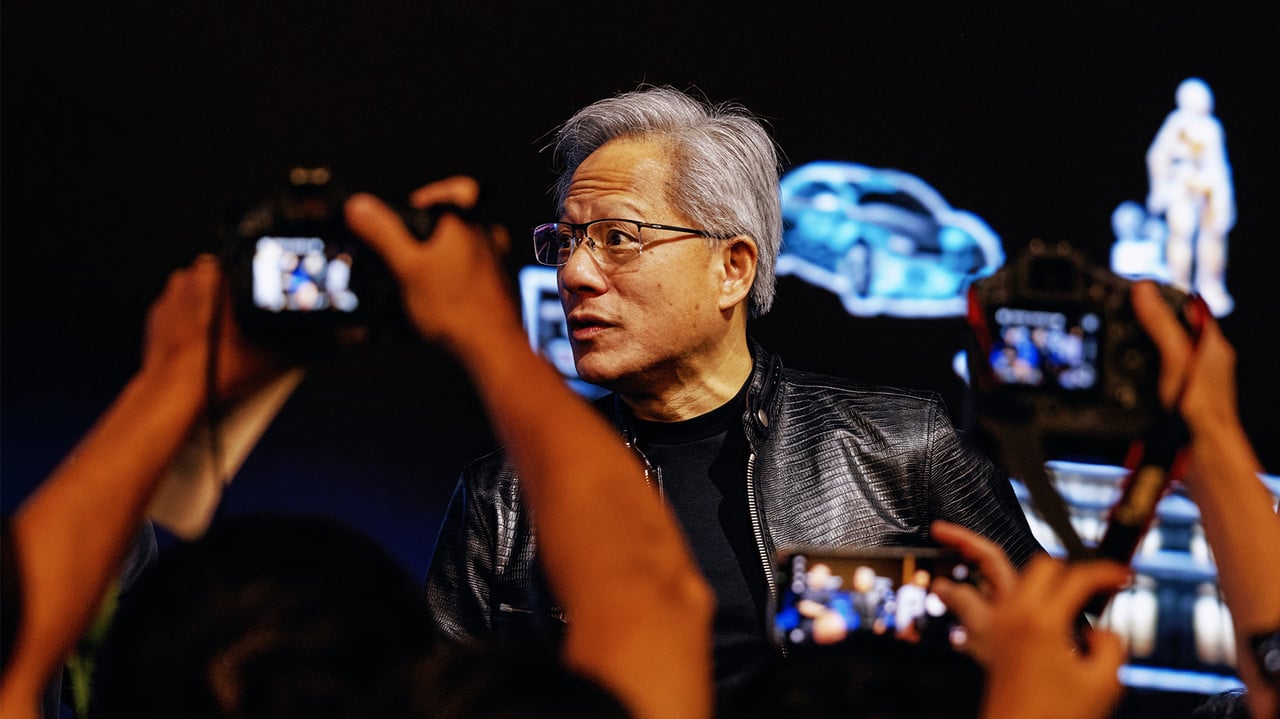
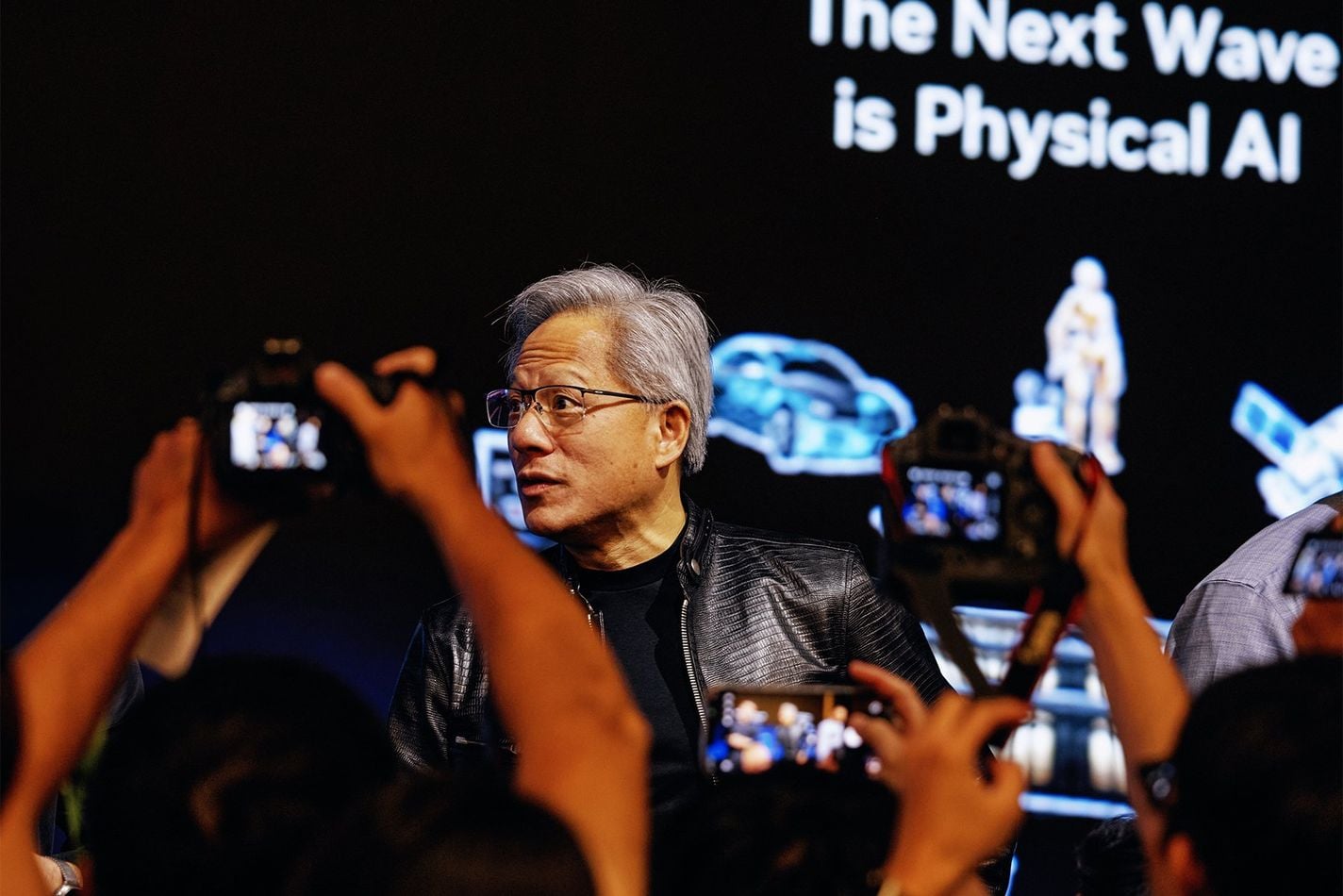
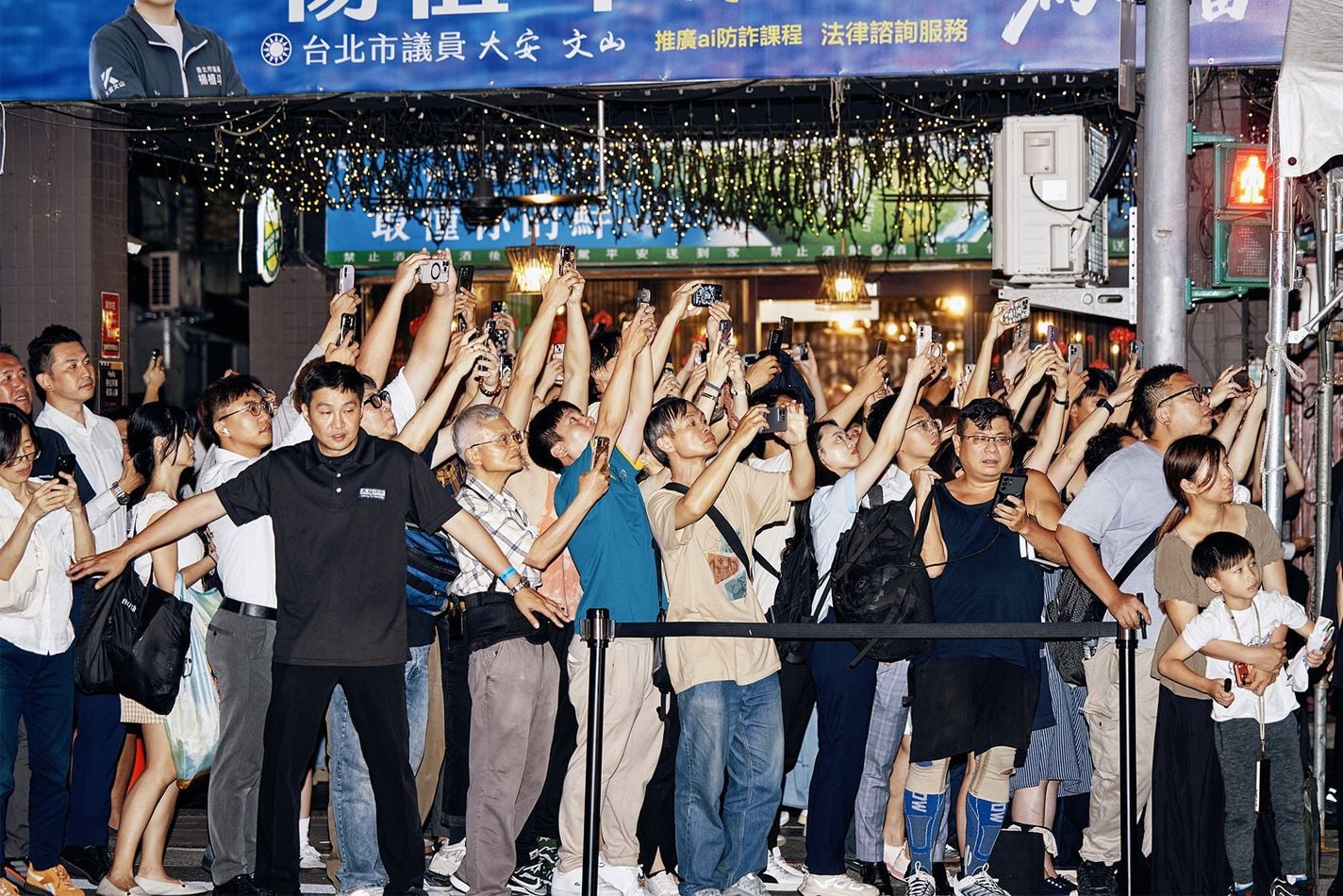
当英伟达掌门人回到家乡台湾,事情变得有点怪异 文/Shailesh Chitnis每年六月的几天里,台湾首都台北会陷入一种狂热。数百人在酷热中挤在餐厅外,只因听到传闻黄仁勋将在那里用餐。每隔几分钟,一辆路过的黑色轿车就会引起一阵骚动。也许他在车里。
When the Nvidia boss returns to his native Taiwan, things get a little weird By Shailesh Chitnis For a few days in June, Taipei, the Taiwanese capital, succumbs to a kind of fever. Hundreds of people throng outside restaurants in the sweltering heat after hearing rumours that Jensen Huang will be dining there. Every few minutes a passing black car prompts a flutter of excitement. Perhaps he is inside.
英伟达这家全球市值最高公司的掌门人,每年夏天都会回到家乡台湾参加亚洲最大的电脑硬件展会——台北国际电脑展。逗留期间,他通常会抽身去路边摊吃东西、四处走走、和人聊天。今年有个晚上,他在饶河夜市悠然穿行,品尝抹茶甜点,还跟烤玉米摊的老板开玩笑说,如果让他插队到队首,他就请队里所有人吃晚餐。
The boss of Nvidia, the world’s most valuable company, comes back to his native Taiwan every summer for Computex, Asia’s biggest computer-hardware conference. During his stay he will typically peel off to eat at street stalls, walk around and chat to people. One evening this year he moved amiably through the Raohe night market, sampling matcha desserts and joking with the owners of a grilled-corn stand that he’d buy dinner for everyone in the queue if they’d let him skip to the front.
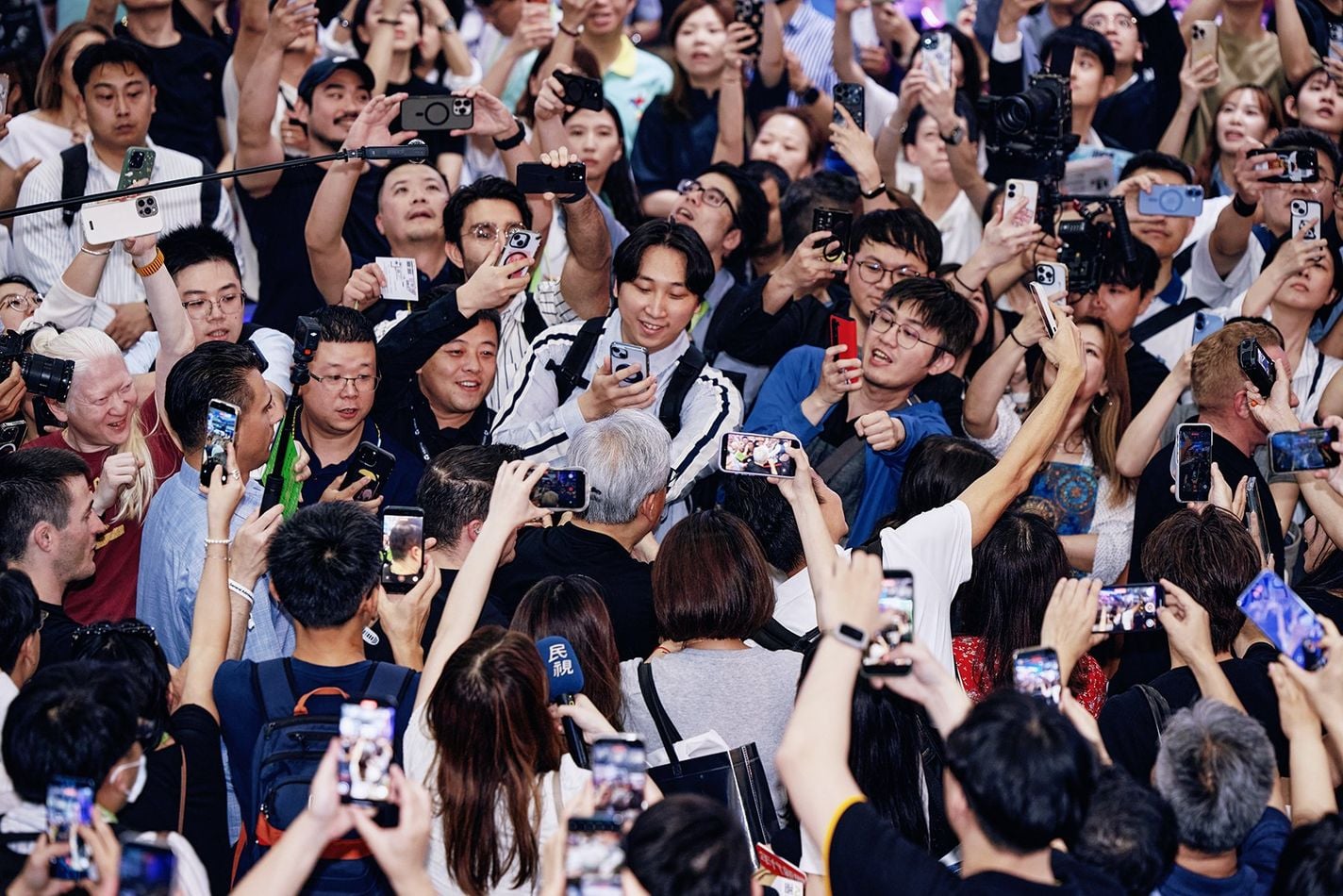
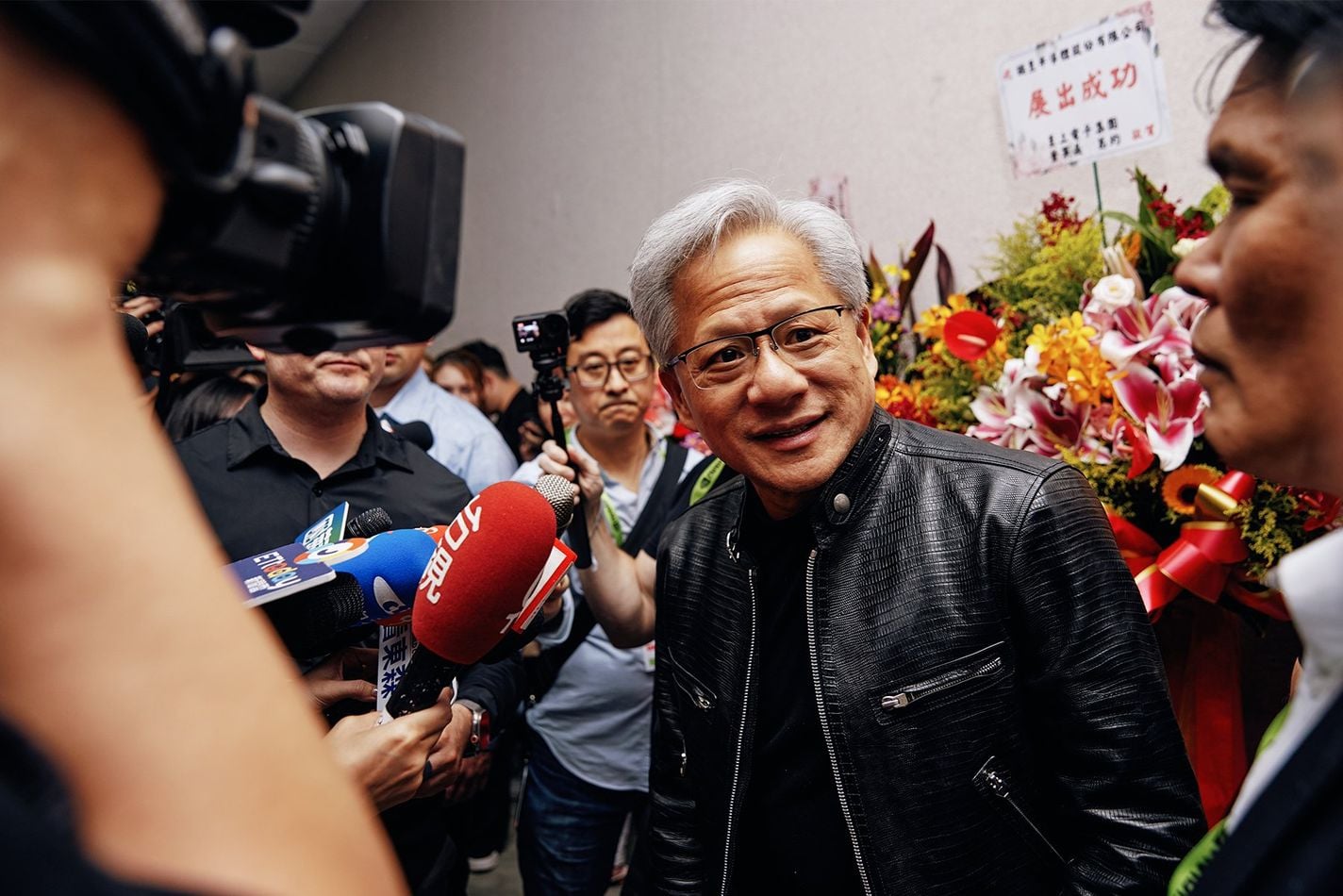
成群的台湾民众跟在他身后,希望能合张影、要个签名,或跟他打个趣。当晚晚些时候,黄仁勋在一家餐厅的厕所瓷砖上写下“Jensen was here”(黄仁勋到此一游)。马上就排起了队:人们想给这件珍贵的“黄仁勋遗物”拍照留念。
Crowds of Taiwanese followed in his wake, hoping for a selfie, an autograph or an exchange of banter. Later that night Huang wrote “Jensen was here” on the tiles of a restaurant toilet. Straight away a queue formed: people wanted to photograph the precious piece of Jensenalia.
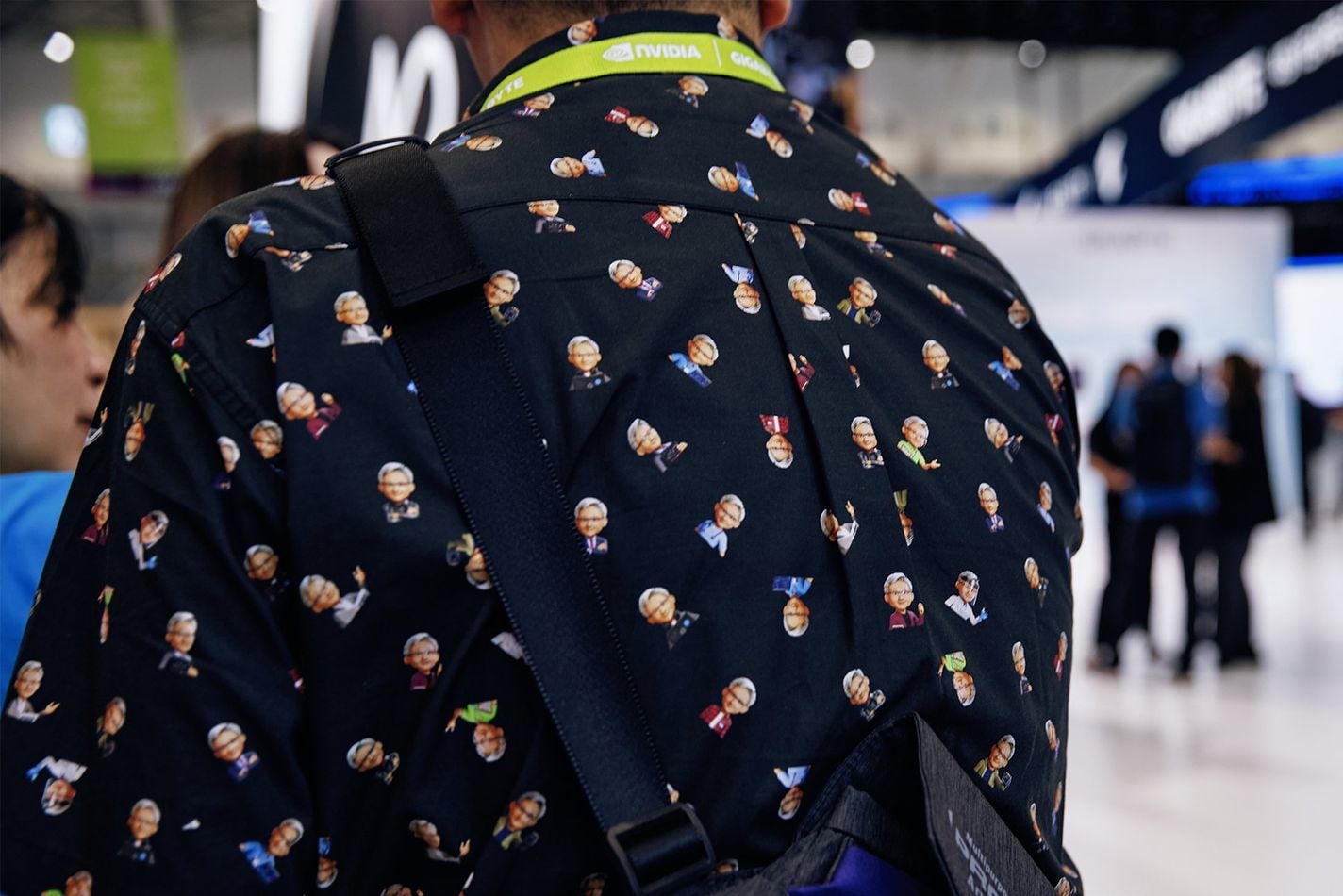
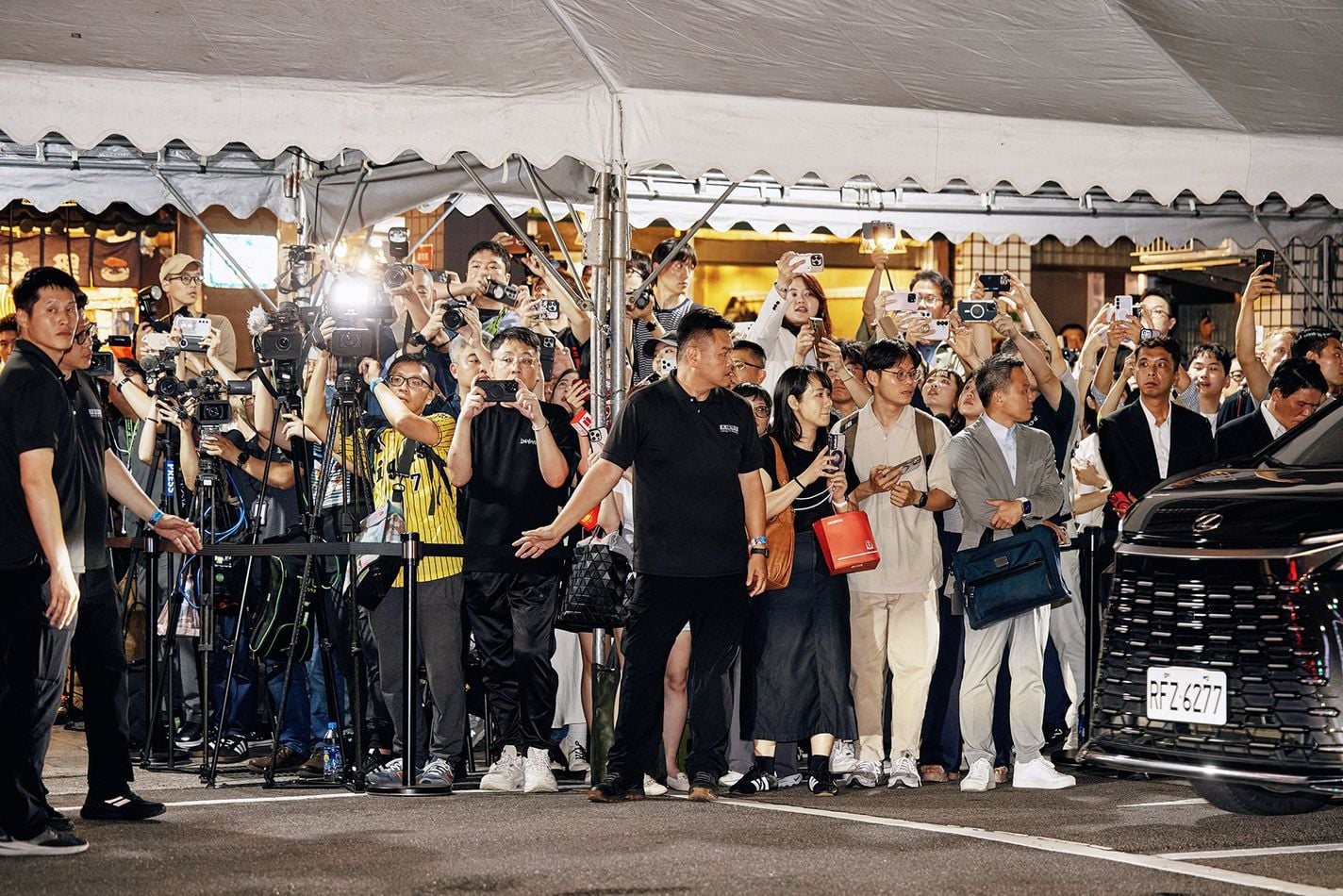
另一个晚上,黄仁勋和几位韩国科技公司的老板去一家餐厅吃饭。他一下车,人群蜂拥而上,手机高高举起;他的安保团队拼命控制拥挤的人群。那些科技高管看起来一脸茫然,仿佛误闯错了场合。相比之下,黄仁勋显得完全自在。他微笑、挥手、配合镜头摆拍,然后走进餐厅消失在人群中。“他的皮肤真好,”我旁边一位粉丝感叹道。人群中有些人穿着印有黄仁勋头像的T恤、挂着印有他头像的钥匙扣,这些周边在会展中心卖得火热。
On another evening Huang went to a restaurant with the bosses of some South Korean technology companies. As he stepped out of the car, a crowd surged forward, phones aloft; his security detail struggled to contain the crush. The technology executives looked bewildered, as though they had accidentally wandered into the wrong event. Huang, by contrast, seemed entirely at ease. He smiled, waved and posed for the cameras before disappearing inside. “His skin is so smooth,” a fan next to me sighed. Some people in the crowd had T-shirts and key rings with Huang’s face on them, which were doing a roaring trade at the convention centre.
“他的皮肤真好,”我旁边的一位粉丝感叹道。在人工智能淘金热中,黄仁勋是那个卖铲子的人。他共同创立的英伟达设计并销售超强大的芯片,提供了全球约三分之二的人工智能算力。世界最大科技公司的老板以及竞相建设本土人工智能基础设施的政府都争相巴结他,以求拿到英伟达备受追捧的处理器。市场为他着迷:这位身穿皮夹克的英伟达掌门人随口一句赞美,就能让一家公司的股价飙升。
“His skin is so smooth,” a fan next to me sighed In the AI gold rush, Huang is the man with the shovels. Nvidia, the company he co-founded, designs and sells the ultra-powerful chips which provide about two-thirds of the world’s AI computing power. Bosses of the world’s biggest technology firms and governments racing to build their own domestic AI infrastructure court him to get their hands on Nvidia’s coveted processors. The markets are in thrall to him: a passing compliment from the leather-jacketed Nvidia boss can send a company’s shares soaring.
但仅凭这一点无法解释黄仁勋在台北引发的狂热。马克·扎克伯格和萨姆·奥特曼也是掌权的科技大佬,但很难想象美国人会排队只为一睹他们的风采,或购买印有他们面孔的T恤(扎克伯格曾形容黄仁勋“就像泰勒·斯威夫特,只不过是科技界的”)。
Yet that alone does not explain the mania Huang excites in Taipei. Mark Zuckerberg and Sam Altman are powerful technology bosses, but it’s hard to imagine Americans queuing for a glimpse of either, or buying T-shirts featuring their faces (Zuckerberg once described Huang as “like Taylor Swift, but for tech”).
这种狂热在台湾被称为“Jensanity”(黄狂热),部分源于本土英雄崇拜。黄仁勋生于台湾,后移民美国,是台湾最伟大的商业成功故事。他还为台湾电子产业做了无与伦比的国际公关,称其为人工智能革命的“震中”。全球大多数先进计算机芯片由一家台湾公司——台积电(TSMC)制造。只有少数政府承认台湾为主权国家,岛内政客希望其在人工智能繁荣中的关键角色能赋予其一定的软实力。
Jensanity, as the fervour is known in Taiwan, is partly local-hero worship. Huang, who was born on the island before emigrating to America, is Taiwan’s greatest business success story. He has also done matchless international PR for the island’s electronics industry, calling it the “epicentre” of the AI revolution. Most of the world’s advanced computer chips are made by one Taiwanese firm, the Taiwan Semiconductor Manufacturing Company (TSMC). Politicians on the island, which only a handful of governments recognise as a sovereign country, hope its critical role in the AI boom will give it a measure of soft power.
这极其必要:中国日益强势的行为意味着,台湾的安全在很大程度上取决于他国保卫它的意愿——尤其是美国。
This is sorely needed: increasingly assertive behaviour from China means that Taiwan’s security rests, to a large extent, on the willingness of others to defend it—especially America.
黄仁勋不仅提升了台湾的知名度,也让许多台湾人变得更富有。“黄仁勋让我的投资组合大增值,”一位在餐厅外等待一睹黄仁勋风采的年轻工程师对我说。台湾加权股价指数——该岛的基准股指——在过去一年里上涨了90%,使其成为全球第五大股市。这波涨幅很大程度上反映了台积电的非凡崛起,台积电为英伟达代工芯片。自2023年以来,这家台湾公司的市值增加了五倍多,达到约2万亿美元,数十家其本地供应商也随之繁荣。
Huang hasn’t just raised Taiwan’s profile; he has also made many Taiwanese a lot richer. “Jensen has been great for my portfolio,” one young engineer waiting for a glimpse of Huang outside a restaurant told me. The TAIEX—the island’s benchmark stock index—has risen by 90% over the past year, making it the fifth-largest stock market in the world. Much of that increase reflects the extraordinary rise of TSMC, which manufactures chips for Nvidia. Since 2023 the Taiwanese firm’s market value has increased more than fivefold, to around $2trn, and dozens of its local suppliers have prospered alongside it.
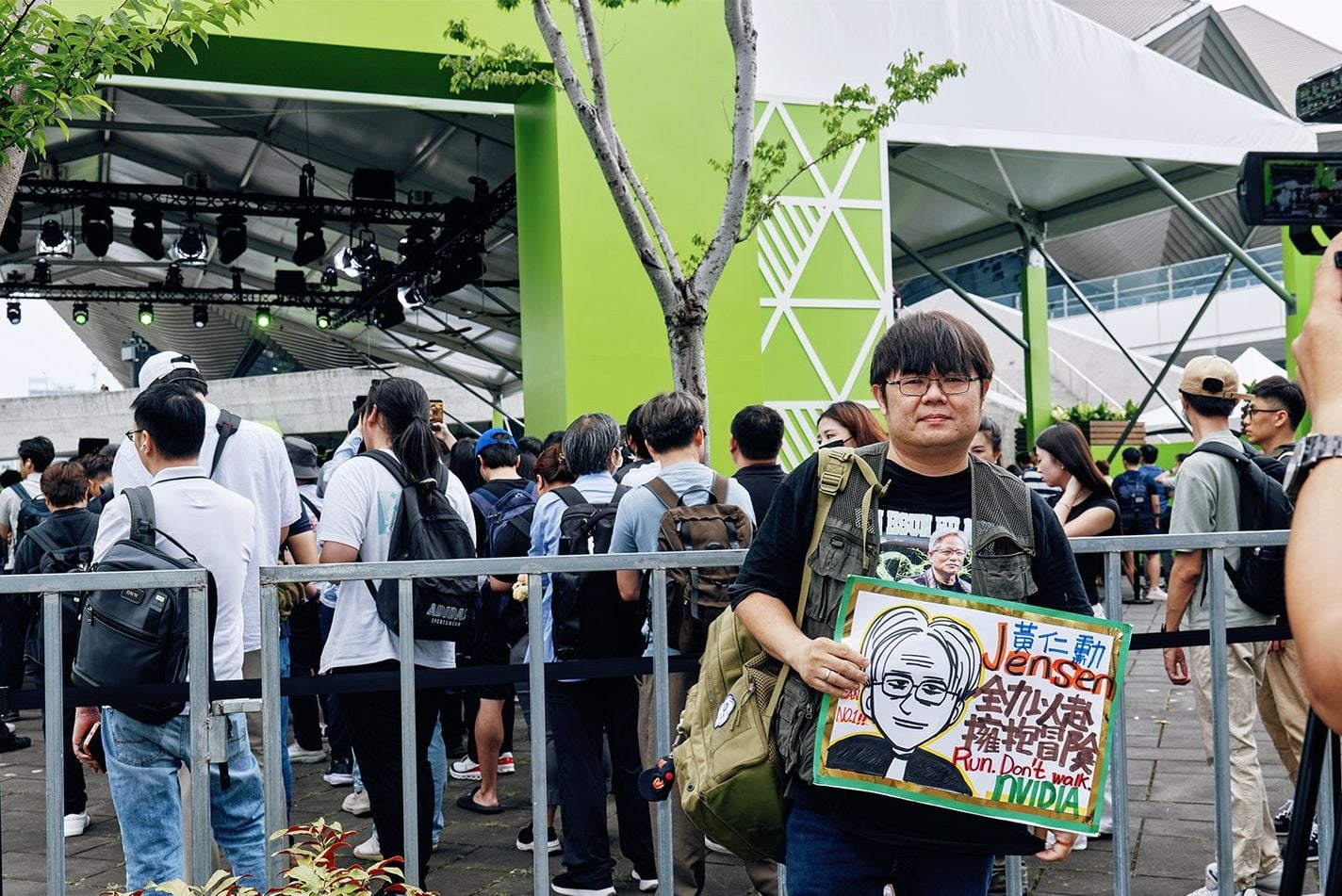
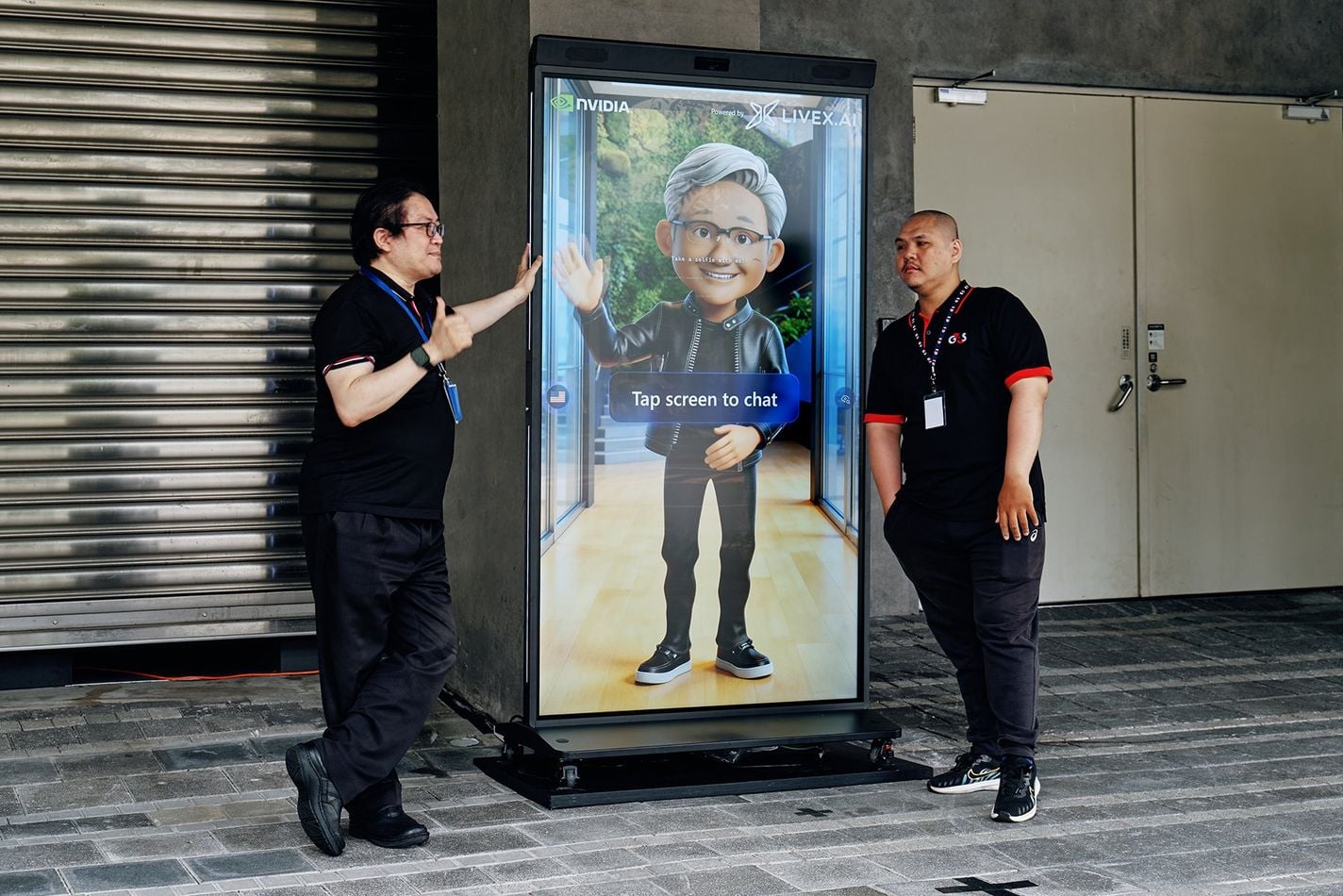
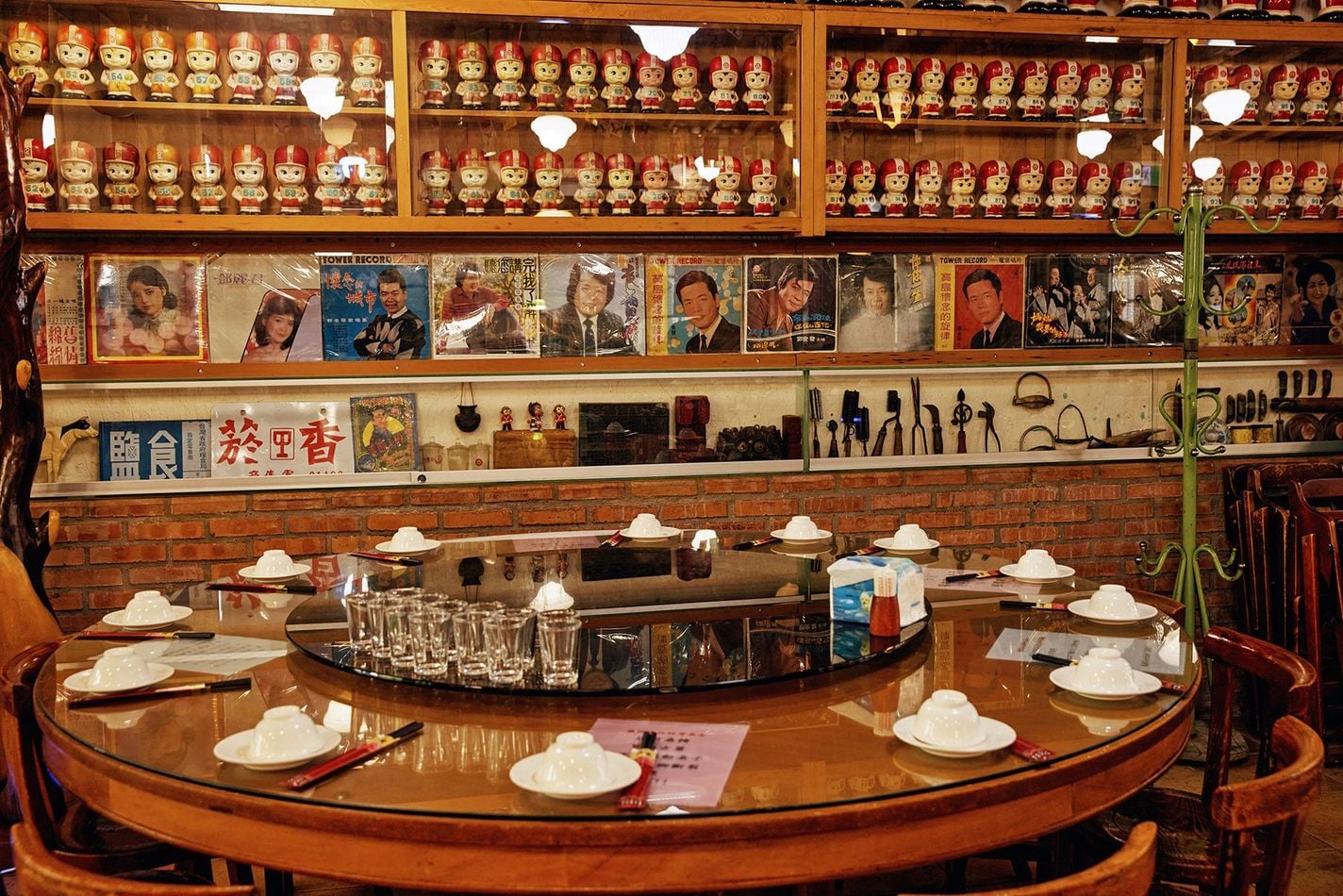
但正如我在跟随黄仁勋三天所观察到的,“黄狂热”也是由英伟达掌门人亲自煽动的。与其他硅谷大佬不同,黄仁勋不遗余力地亲近大众。在台北的一个晚上,他在餐厅与父母用餐时,端着蒸笼包子走出来,分发给在外等候的记者。
But, as I observed over three days shadowing Huang, Jensanity is also stoked by the Nvidia boss himself. Unlike other Silicon Valley heavyweights, Huang goes out of his way to court the public. One evening in Taipei, while dining in a restaurant with his parents, he emerged carrying trays of steamed buns for the journalists waiting outside.
这种公众形象对他的生意有帮助。分析师告诉我,黄仁勋的巨星地位让台湾制造商渴望与他合作,希望他的“星光”能照耀到自己身上。这使英伟达在AI供应链紧张、芯片公司争相追逐制造商(而非制造商追逐芯片公司)的局面下占据优势。今年台北国际电脑展结束后,黄仁勋直接飞往首尔,在啤酒和炸鸡的陪伴下游说韩国存储芯片公司的老板,并被当地电视台拍到跳K-pop舞蹈——动作略显笨拙。台湾人亲切地称黄仁勋为“全民老爸”,绝非偶然。
The public persona is useful to his business. Analysts told me Huang’s rockstar status makes Taiwanese manufacturers eager to work with him, hoping his stardust will rub off on them. That gives Nvidia an advantage when AI supply chains are tight and chip companies are chasing manufacturers, rather than the other way round. After this year’s Computex Huang flew straight to Seoul, where he wooed the bosses of South Korean memory-chip companies over beer and fried chicken, and was filmed by a local TV channel dancing—a little awkwardly—to K-pop. Not for nothing have the Taiwanese given Huang the affectionate nickname, “the People’s Dad”.
近二十年前,当我作为芯片设计师首次参加台北国际电脑展等硬件会议时,这些活动枯燥乏味。社交笨拙的工程师们聚在一起,检查服务器机架,争论散热规格,讨价还价零部件价格。记者们关注的是微软和谷歌,而为大型科技公司的小工具提供动力的台湾芯片制造商在业界之外基本隐形。
When I first attended hardware conferences like Computex nearly two decades ago, as a chip designer, they were dull affairs. Socially awkward engineers gathered to inspect server racks, debate thermal specifications and negotiate component prices. Journalists were interested in Microsoft and Google, and the Taiwanese chipmakers that powered the big tech companies’ gadgets remained largely invisible outside the industry.
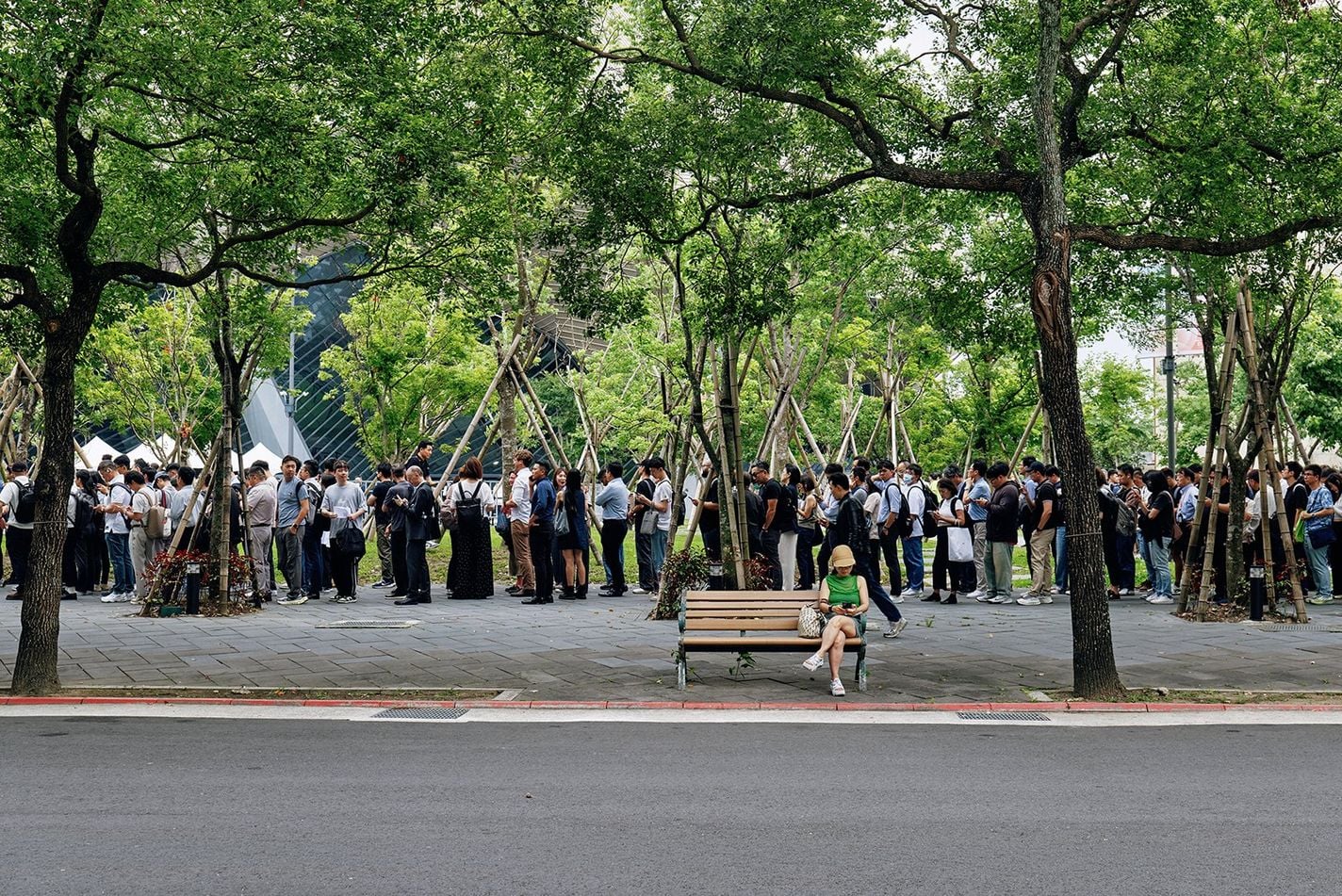
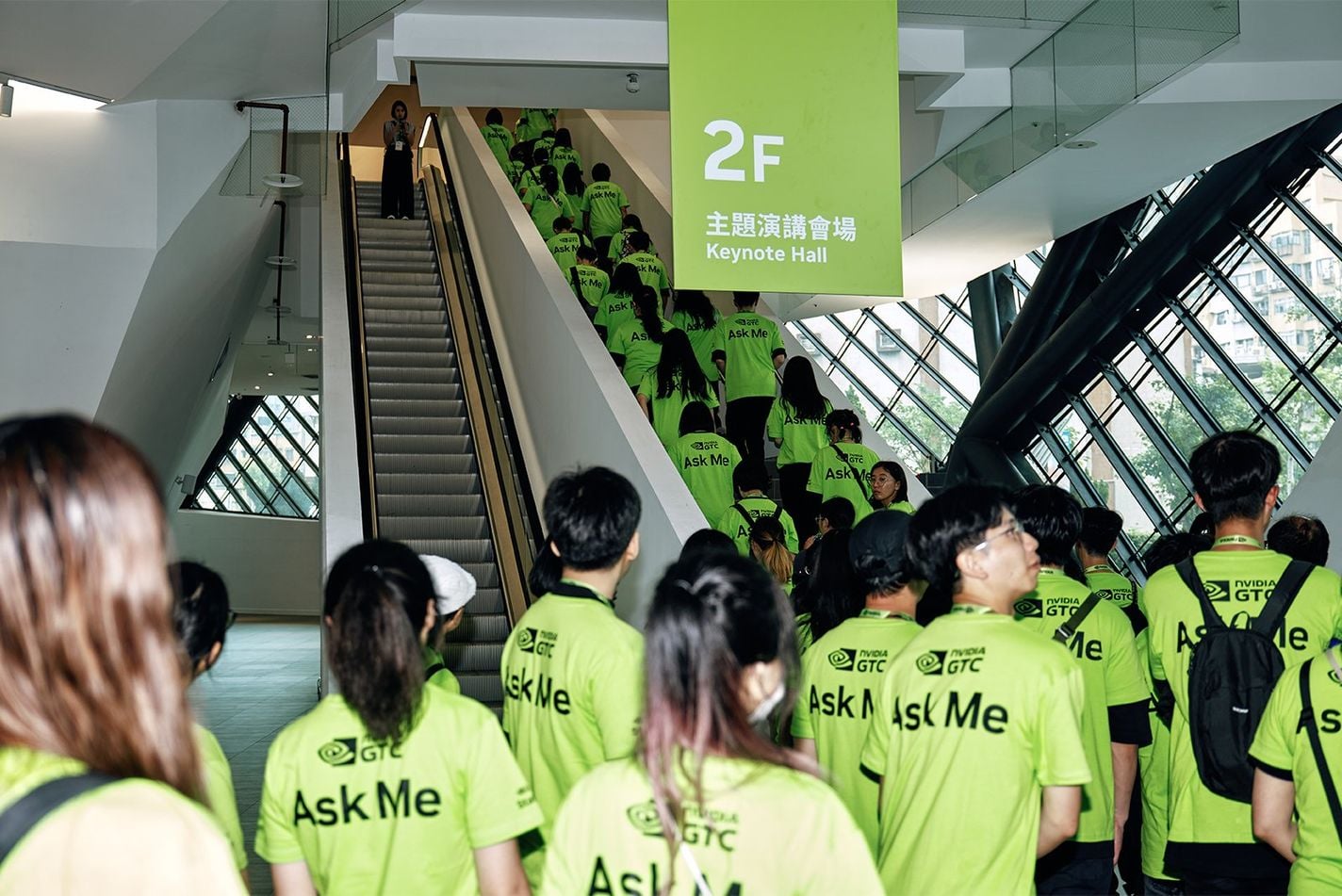
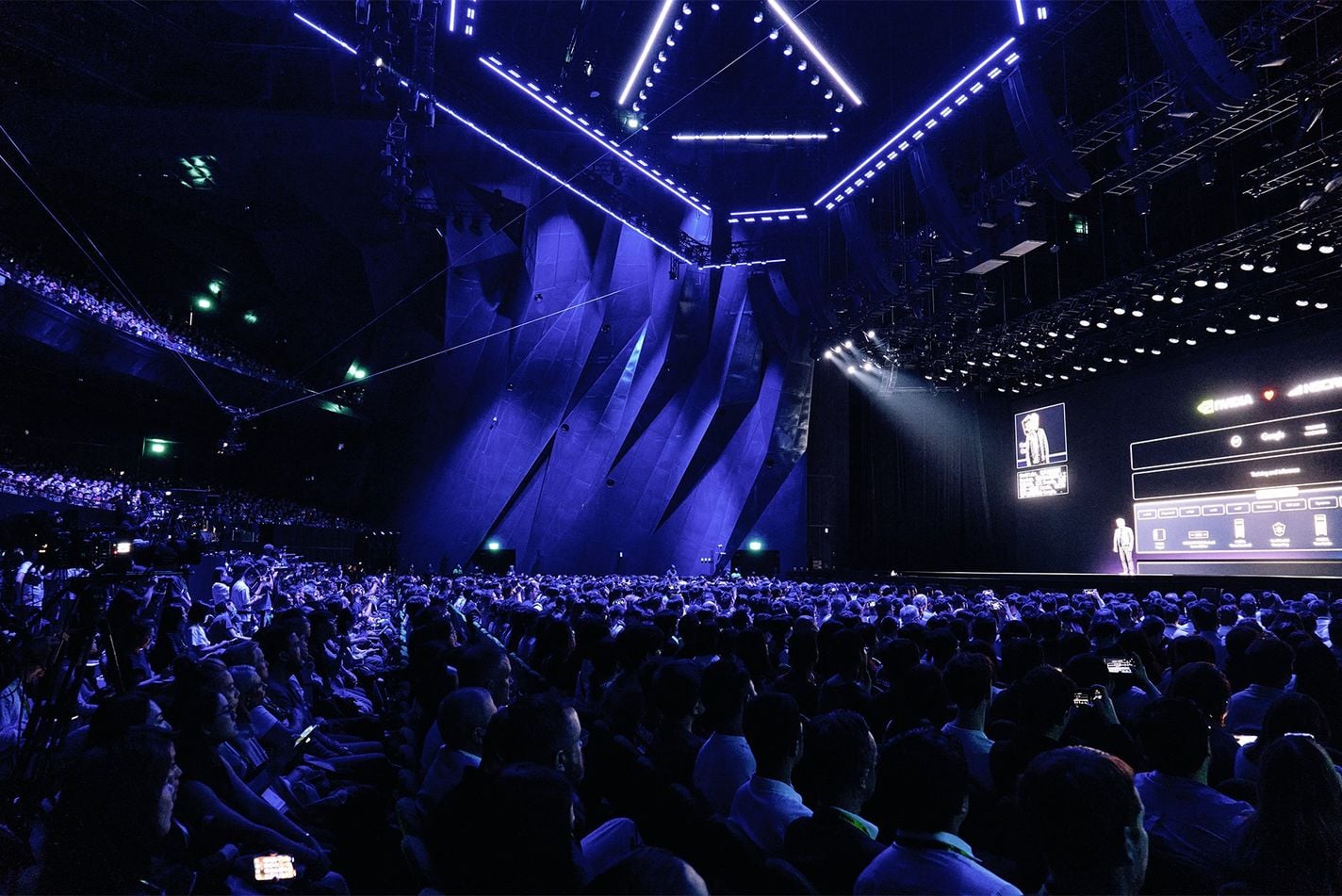
到目前为止,黄仁勋让错综复杂的供应链保持着高效运转。但其他挑战正在堆积。训练前沿AI模型需要惊人的算力基础设施,近年来硬件制造商被推向了聚光灯下。台北国际电脑展的热度显而易见,不仅因为会展中心里飞行的无人机。取代我记忆中那些冷清的展位的是巨大的、霓虹灯闪烁的展馆。人形机器人在过道间穿梭,参展商发放帆布袋和珍珠奶茶。台北国际电脑展现在有了压轴大戏。为进入主会场听黄仁勋演讲而排起的长龙提前数小时就已形成,队伍绵延数千人。
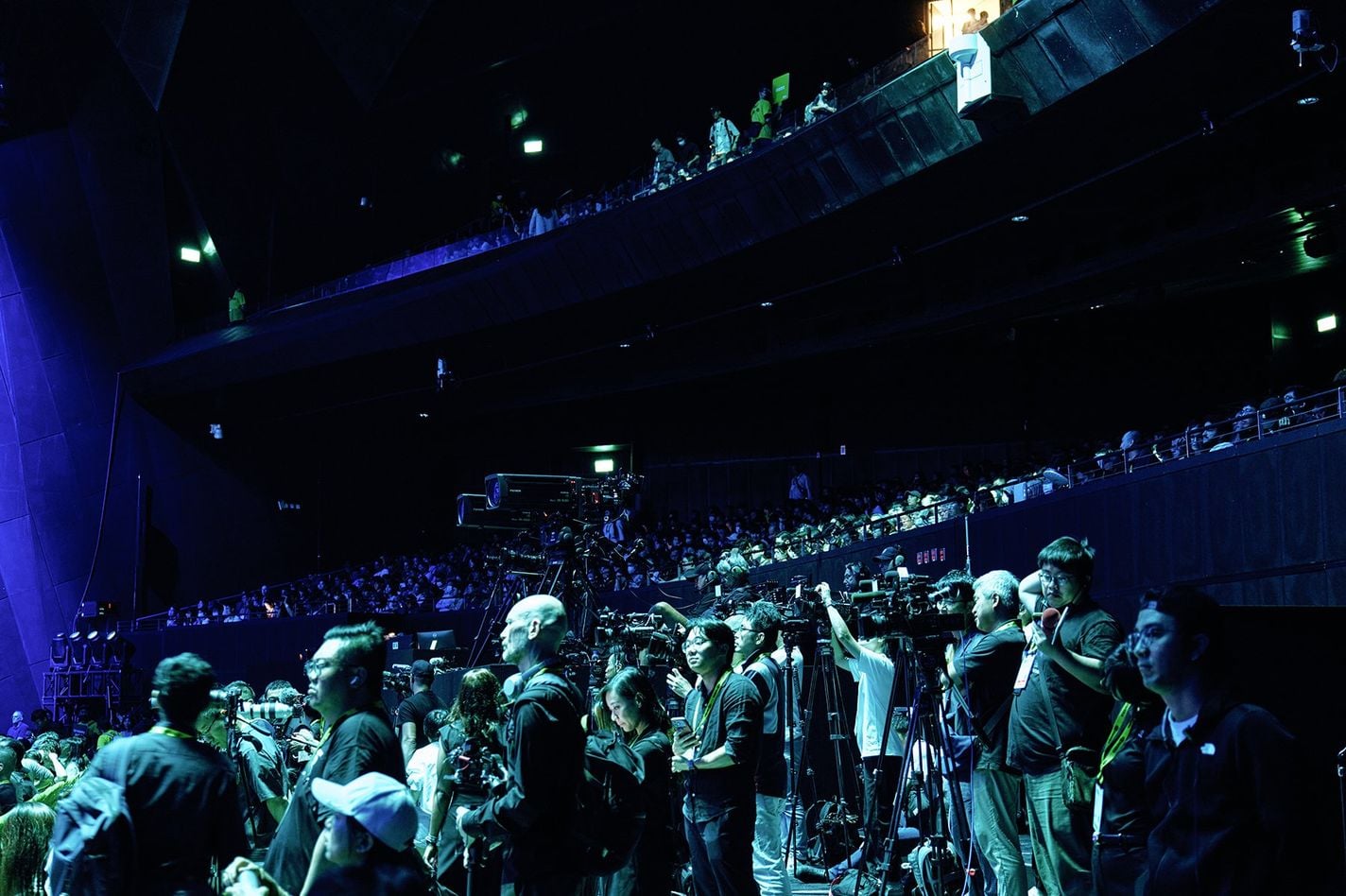
So far, Huang has kept the intricate supply chain humming. But other challenges are mounting But training frontier AI models requires a staggering amount of computing infrastructure, and in the past few years hardware-makers have been thrust into the limelight. The buzz at Computex was palpable, not just owing to the drones flying through the conference centre. Instead of the desultory exhibition stands I remembered, there were giant, neon-lit pavilions. Humanoid robots wandered the aisles, as exhibitors handed out tote bags and bubble tea. Computex now has a headline act. The queue to get into the main conference hall for Huang’s speech began hours beforehand, and stretched thousands-deep.
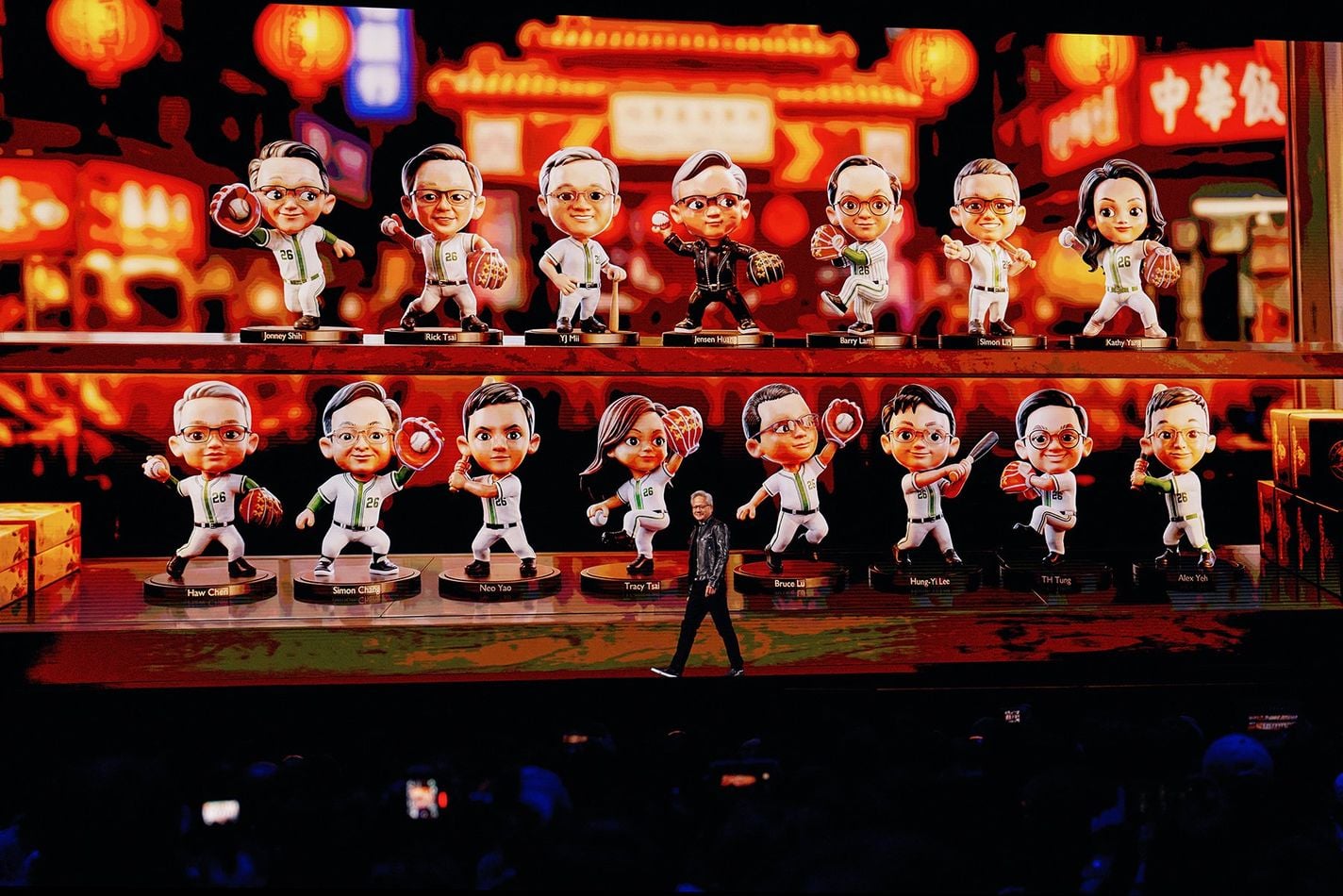
当他终于身穿标志性的黑色皮夹克登台时,全场沸腾。黄仁勋首先感谢了他在台湾的供应商和合作伙伴,身后大屏幕上闪现出惯常的电子制造商标志,暗示他们将获得点名致谢。然而,他点名的第一位“供应商”却是通化夜市的一位水果摊贩。接着是一家当地的饺子馆,随后是一连串其他餐馆。观众们津津乐道。
When he finally appeared on stage in his trademark black-leather jacket, the hall erupted. Huang began by thanking his suppliers and partners in Taiwan, and logos of the usual electronics manufacturers flashed up on the screen behind him, suggesting they were going to get a shout-out. The first “supplier” he name-checked, however, was a fruit seller at the Tonghua night market. A local dumpling shop came next, followed by a succession of other eateries. The audience lapped it up.
黄仁勋走向全球经济舞台中央的历程并不寻常。1963年,他出生于台湾,九岁时与哥哥一同被送往美国,寄住在叔叔家中。叔叔误将肯塔基州的一所感化学校当成了精英寄宿学校,误将两人送了进去。黄仁勋在宿舍过夜,被要求打扫厕所,但因年龄太小无法在该校上课,只能去当地学校就读,在那里他因口音遭到其他孩子霸凌,并被叫作“支那猪”。黄仁勋认为那些岁月磨练了他的意志。
Huang’s journey to the centre-stage of the global economy was an unconventional one. Born in Taiwan in 1963, he was sent to America at the age of nine together with his older brother to live with their uncle. The uncle, mistaking areform school in Kentucky for an elite boarding school, enrolled them there by accident. Huang slept in a dormitory and was expected to clean its toilets, but was too young to go to any classes there. Instead he studied at the local school, where the other children bullied him for his accent and called him a “chink”. Huang has credited those years with toughening him up.
两年后,父母飞往美国与两个儿子团聚,全家定居俄勒冈州。黄仁勋在那里攻读电子工程,随后南下硅谷。1993年,他与两位工程师同事共同创立了英伟达。后来让英伟达声名大噪的图形处理器(GPU)当时主要用于视频游戏,市场竞争激烈。英伟达凭借设计更优秀的芯片,关键在于能更快将产品推向市场,从而确立了统治地位。
Two years after the boys arrived in America, their parents flew out to join them and the family settled in Oregon, where Huang studied electrical engineering before heading south to Silicon Valley. He founded Nvidia in 1993 with two fellow engineers. The chips that would make Nvidia famous, graphics processing units (GPUs), were then a product used mainly for video games, and the market was crowded. Nvidia became dominant by designing better chips and, crucially, getting them to market first.
到2010年代中期,黄仁勋深信人工智能将改变计算领域,而GPU凭借同时执行大量计算的能力,非常适合人工智能模型,将成为其不可或缺的基石。多年来,这一观点属于非主流。人工智能一直被吹捧为下一个风口,但其高光时刻似乎总是姗姗来迟。2022年11月,模型开发商OpenAI发布了ChatGPT。用于训练ChatGPT的英伟达芯片需求激增。英伟达市值在短短三年内从3400亿美元飙升至5万亿美元。
By the mid-2010s, Huang had become convinced that AI would transform computing and that GPUs, whose ability to perform many calculations simultaneously made them well suited to AI models, would become its essential building blocks. For years that was an unorthodox position to take. AI was always touted as the next big thing, but its moment never quite seemed to arrive. In November 2022, OpenAI, a modelmaker, released ChatGPT. Demand for Nvidia’s chips, on which ChatGPT was trained, exploded. Nvidia’s market value climbed from $340bn to $5trn in just three years.
史蒂夫·班农曾称黄仁勋为中国共产党的“影响力代理人”。该公司的成功不仅依赖于巧妙的芯片设计,还取决于管理与供应链合作伙伴关系的能力,以及影响所有参与方的政治环境。软件公司的英雄人物常被描绘为孤独的天才,但硬件制造本质上是一项协作工程。英伟达最新产品 Vera Rubin NVL72 是一套完整的 AI 超级计算机,用于训练和运行大型 AI 模型。它包含 130 万个组件、1000 多颗芯片以及驾驭它们所需的软件。制造一台这样的设备需要数百家供应商、制造商和软件公司通力合作。
Steve Bannon has called Huang an “agent of influence” for the Chinese Communist Party The company’s success rests on more than clever chip design: it’s also dependent on the ability to manage relationships with supply-chain partners, and the political environment which affects them all. Heroes of software companies are often portrayed as lone geniuses, but hardware-making is an inherently collaborative project. Nvidia’s latest product, Vera Rubin NVL72, is a complete AI supercomputer for training and running large AI models. It contains 1.3m components, more than 1,000 chips and the software needed to harness them. Building one requires hundreds of suppliers, manufacturers and software companies to work together.
AI 热潮引发了对这些组件的争夺,黄仁勋工作的很大一部分是确保供应商优先处理英伟达的订单。资金有所帮助。英伟达利用其雄厚的资产负债表与制造商签署了多年期协议。黄仁勋还需要供应商扩大产能。分析人士认为,黄仁勋曾多次推动台积电克服对投资新产能的谨慎态度。
The AI boom has led to a scramble for those components, and a big part of Huang’s job is ensuring that suppliers prioritise Nvidia’s orders. Money helps. Nvidia has used its enormous balance-sheet to sign multi-year deals with manufacturers. Huang also needs his suppliers to make more. Analysts believe Huang has pushed back several times against TSMC’s caution about investing in new capacity.
到目前为止,黄仁勋让这条错综复杂的供应链保持了高效运转。但其他挑战正在累积,其中不乏来自英伟达最大客户的竞争威胁。Alphabet、亚马逊、Meta 和微软各自都在寻求通过开发自家 AI 芯片来减少对英伟达的依赖。与此同时,英伟达的股价已成为投资者对 AI 热潮能持续多久这一情绪的风向标,今年以来已多次下跌。黄仁勋的应对是让英伟达与 AI 的未来绑定得更紧密。他不仅想卖芯片,还想提供行业运行所需的基础设施、软件和 AI 模型。
So far, Huang has kept the intricate supply chain humming. But other challenges are mounting, not least the threat of competition from Nvidia’s biggest customers. Alphabet, Amazon, Meta and Microsoft are each seeking to reduce their dependence on Nvidia by developing their own AI chips. Nvidia’s stock price meanwhile has become a proxy for investor sentiment about how long the AI boom can last, and has dipped several times this year. Huang’s answer is to bind Nvidia even more tightly to the future of AI. Rather than selling only chips, he also wants to provide the infrastructure, software and AI models on which the industry runs.
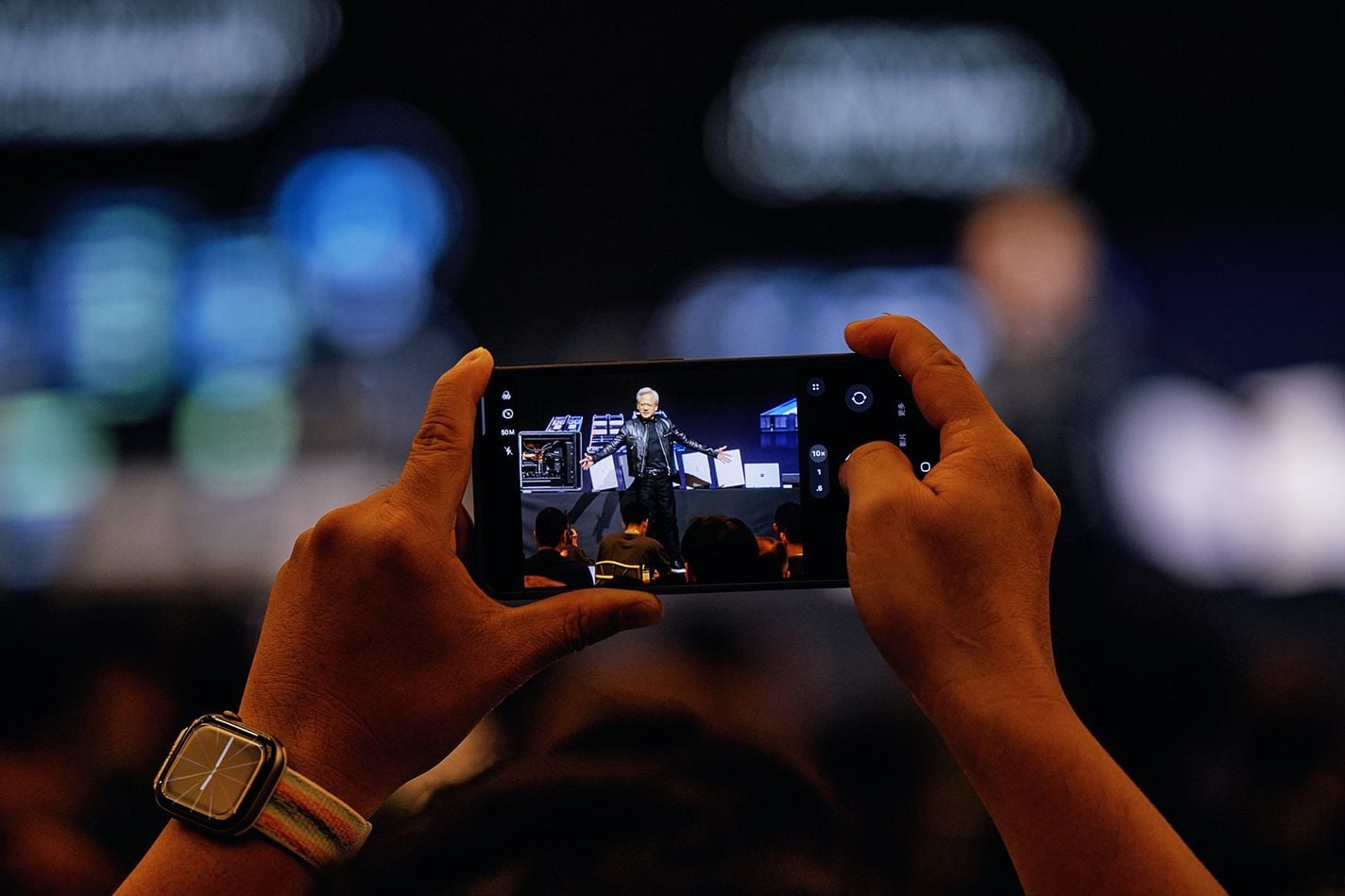
这一战略将需要更多的供应链外交,因此看到黄仁勋在会议期间于展厅里与制造合作伙伴周旋,我并不感到意外。他的工作人员解释说,他特意去拜访供应商的展位,因为他的出现能吸引人群,给供应商带来宣传效应。当他从一个展位走到另一个展位,与工程师和高管交谈、并一路与人击掌致意时,大厅里回荡着“黄仁勋!黄仁勋!”的呼喊声。直到下午晚些时候,他似乎才感到疲惫,在一个展位的地板上盘腿坐下,与一位台湾高管共饮啤酒。数百名粉丝围拢过来,用手机记录下这一刻。
This strategy will require even more supply-chain diplomacy, and I wasn’t surprised to see Huang schmoozing manufacturing partners in the exhibition hall during his time at the conference. His staff explained that he made a point of visiting suppliers’ booths because his presence draws crowds and gives them publicity. Shouts of “Jensen! Jensen!” echoed through the hall as he made his way from stand to stand to chat to engineers and executives, high-fiving people along the way. Only late in the afternoon did he seem to tire, sitting cross-legged on the floor of a booth to share a beer with a Taiwanese executive. Hundreds of fans crowded round to capture the moment on their phones.
主题演讲结束后,我在会议大厅的一间私人会议室里与黄仁勋坐下来交谈。那时他已脱下皮夹克,换上了一件深蓝色棉质夹克。门外,他的工作人员和安保人员忙碌奔波,但黄仁勋看起来平静放松。
After his keynote speech I sat down with Huang in a private room in the conference hall. By then he had shed his leather jacket for a navy cotton one. Outside, his staff and security were bustling about, but Huang seemed calm and relaxed.
当我解释说我想了解的是他本人,而非英伟达时,他看起来略显尴尬。他说自己不习惯谈论自己,并预先道歉,万一回答得不好请见谅。在舞台上他是一位热情洋溢的表演者,但在私下交谈中,他几乎是在低语,语速缓慢、字句斟酌。
When I explained that I wanted to understand him rather than Nvidia, he looked faintly embarrassed. He was uncomfortable talking about himself, he said, and apologised in advance if he did a poor job of answering my questions. On stage he’s an exuberant performer, but in private conversation he almost whispers, speaking in slow, measured sentences.
我问自ChatGPT发布以来,他的生活发生了怎样的变化。硅谷传奇故事中充斥着一夜成名的创始人。黄仁勋的崛起耗时约三十年,这或许让他最终迎来的超级巨星地位显得更加陌生。他坚称,没有什么真正改变。他穿衣风格如故,用他的话说,依然是“一条腿一条腿地穿裤子”。
I asked how his life had changed since the launch of ChatGPT. Silicon Valley lore is full of founders who become celebrities overnight. Huang’s rise has been about three decades in the making, which may have made the transition to superstardom even stranger when it finally came. Nothing, he insisted, had really changed. He dressed the same way and, as he put it, still “puts his pants on one leg at a time”.
分析人士告诉我,黄仁勋的“摇滚明星”地位让台湾制造商渴望与他合作。黄仁勋不仅不得不适应成名,还发现自己身处美国与中国之间的地缘政治争夺之中。自2022年10月以来,美国政府一直试图阻止其对手获得先进计算机芯片。与此同时,英伟达在台湾的供应商面临着中国军事行动日益增长的威胁。黄仁勋突然发现,他需要与世界领导人建立良好关系,尤其是唐纳德·特朗普,他曾游说特朗普放宽芯片出口限制。
Analysts told me Huang’s rock-star status makes Taiwanese manufacturers eager to work with him Huang hasn’t just had to get used to being famous; he has also found himself at the centre of a geopolitical contest between America and China. Since October 2022 the American government has been trying to stop its adversary from obtaining advanced computer chips. Nvidia’s suppliers in Taiwan, meanwhile, live under the growing threat of military action by China. Huang suddenly found he needed to build rapport with world leaders, not least Donald Trump, whom he has lobbied to relax restrictions on chip exports.
与政客打交道并非他的本性,他说。不过,他证明自己擅长将目标转化为政客们感兴趣的语言。他把数据中心重新描述为“人工智能工厂”——这个术语迎合了特朗普对制造业的热情。对于担心依赖美国公司的外国政府,他提出了“主权人工智能”——围绕本土价值观构建的国家基础设施,且主要由英伟达提供动力。
Hanging out with politicians doesn’t come naturally to him, he said. He has nonetheless proved adept at translating his goals into language that appeals to them. He recasts data centres as “AI factories”—a term that appeals to Trump’s enthusiasm for manufacturing. To foreign governments wary of relying on American companies, he has offered “sovereign AI”—national infrastructure built around local values, and largely powered by Nvidia.
5月,他展示了外交手腕,随特朗普前往中国,与国家主席习近平举行峰会。黄仁勋似乎是临时加入随行人员——当特朗普在Truth Social上宣布“伟大的黄仁勋”乘坐空军一号时,许多人感到惊讶。在北京,黄仁勋会见了中国官员,并接受了清华大学顾问委员会的席位,清华大学是中国最负盛名的学府之一。
In May he demonstrated his knack for diplomacy when he joined Trump on a trip to China for a summit with President Xi Jinping. Huang appears to have been a last-minute addition to the entourage—many were surprised when Trump announced on Truth Social that “the Great Jensen Huang” was on board Air Force One. In Beijing Huang met Chinese officials and accepted a seat on the advisory board of Tsinghua University, one of China’s most prestigious institutions.
中国鹰派持怀疑态度。前白宫首席战略学家史蒂夫·班农称黄仁勋是中国共产党的“影响力代理人”,并要求逮捕他。来自马萨诸塞州的民主党参议员伊丽莎白·沃伦表示,黄仁勋游说向中国出售先进人工智能芯片,可能会“加速中国军事力量并削弱美国的技术领导地位”。
China hawks are suspicious. Steve Bannon, a former White House chief strategist, called Huang an “agent of influence” for the Chinese Communist Party and demanded his arrest. Elizabeth Warren, a Democratic senator from Massachusetts, has said that Huang’s lobbying for the sale of advanced AI chips to China could “turbocharge China’s military and undercut American technological leadership”.
然而,对于一位所谓的“讨好中国者”来说,黄仁勋却以公开支持台湾的姿态出现。他说台湾成就了英伟达,并称台湾为他的“商业家园”。英伟达正在台北建设其在美国以外最大的办公室之一,并计划每年投资约1500亿美元。这种平衡术并不总是行之有效——2024年,黄仁勋因将台湾描述为“世界上最重要的国家之一”而激怒了中国(他被迫澄清,自己是在赞扬该岛的电子产业,而非承认台湾为一个国家)。
Yet, oddly, for a supposed China-appeaser, Huang has acted as a public booster for Taiwan. He says Taiwan made Nvidia possible and calls it his “business home”. Nvidia is building one of its largest offices outside America in Taipei and plans to invest around $150bn every year. The balancing act doesn’t always go smoothly—in 2024 Huang angered China by describing Taiwan as “one of the most important countries in the world” (he was forced to clarify that he had been praising the island’s electronics industry rather than recognising Taiwan as a state).
他在Computex(台北国际电脑展)上半开玩笑地对我说,在当今世界做一名AI硬件巨头,“是有史以来最大的沟通工作”。
Being an AI hardware titan in today’s world, he told me wryly at Computex, is “the biggest communications job ever”.
黄仁勋并不单靠魅力让供应商按他的意愿行事。曾与黄仁勋共事数十年的台积电前掌门人蔡力行表示,他也是“严厉驱策型”且“不知疲倦”的。蔡力行将黄仁勋对待供应商关系的方式称为“粗暴的公正”:一种相互理解,即有时一方是对的,有时另一方是错的,但从长远来看,输赢大体会平衡。
Huang doesn’t rely on charm alone to get suppliers to do what he wants. According to Rick Tsai, a former boss of TSMC, who has worked with Huang for decades, he is also “hard driving” and “relentless”. Tsai calls Huang’s approach to the supplier relationship “rough justice”: an understanding that sometimes one side is right, sometimes they are wrong, but over the long term, the wins and losses roughly balance out.
黄仁勋不仅提升了台湾的知名度,还让许多台湾人变得更富有。这种同样的“粗暴的公正”似乎也管辖着英伟达内部的生活。员工表示,黄仁勋对借口缺乏耐心,当事情出问题时,他以挑战当事人而闻名。大约有60人直接向他汇报,对于一位首席执行官来说,这个数字异常之高。他即时且公开地给予反馈,理由是全屋子的人都能从这种残酷的教训中学习。
Huang hasn’t just raised Taiwan’s profile; he has also made many Taiwanese richer This same brand of rough justice appears to govern life inside Nvidia. Employees say Huang has little patience for excuses and is known to challenge people when something is not working. Around 60 people report directly to him, an unusually high number for a chief executive. He gives feedback immediately and publicly, reasoning that the entire room can learn from the bruising.
我偶尔也能看到他不加修饰的风格。在一次新闻发布会上,一名工作人员动作过快,抢先从一位分析师手中拿走麦克风,黄仁勋当场斥责了对方。当BBC记者询问台湾面临的地缘政治风险时,黄仁勋最初给出了一个经过精心排练的回答。记者继续追问,他便开玩笑说,应该有人帮BBC想个新问题。现场响起笑声,但黄仁勋的恼怒显而易见。
I occasionally saw traces of the unfiltered style. At a press conference, Huang rebuked a staffer who moved too quickly to snatch a microphone from an analyst. When a BBC reporter asked about the geopolitical risks facing Taiwan, Huang initially offered a well-rehearsed answer. When the reporter continued to press him he joked that someone should help the BBC come up with a new question. The audience laughed, but Huang’s annoyance was evident.
在英伟达工作了二十多年的工程师、现任副总裁Lebaredian(勒巴雷迪安)表示,外人看黄仁勋的高管团队会议会觉得“惨不忍睹”。大家只谈问题、只谈失败的事;好消息极少被提及。
Rev Lebaredian, an engineer who has worked at Nvidia for more than two decades and is now a vice-president there, said that Huang’s executive team meetings would look “miserable” to an outsider. All the talk is about problems and things that are failing; good news is rarely discussed.
然而据勒巴雷迪安透露,黄仁勋打造了一种文化:员工知道错误会被指出,但不会因此受罚。英伟达的高层领导团队在过去二十年里保持稳定,这在业内实属罕见。他们也获得了丰厚回报。黄仁勋爱吹嘘,他造就的亿万富翁高管比“世界上任何一位CEO”都多。普通员工的日子也过得不错。
Yet according to Lebaredian, Huang has created a culture where employees know that although their mistakes will be called out, they will not be punished for making them. Nvidia’s senior leadership team has remained stable over the past two decades, a rarity in the industry. They have also been well rewarded. Huang likes to boast that he has created more billionaire executives than “any CEO in the world”. Rank-and-file employees have not done badly, either.
当我问黄仁勋是什么驱动着他时,他没有谈殖民其他星球、战胜死亡或重塑人类。他风趣地提到,埃隆·马斯克是位朋友,但两人目标不同。他的目标,他说,更简单:希望员工和合作伙伴过得好。“也许,”他笑着说,“我只是不够有野心。” ■
When I asked Huang what drove him, he didn’t speak about colonising other planets, defeating death or remaking humanity. Elon Musk was a friend, he noted wryly, but they had different goals. His, he said, were simpler: he wanted his employees and partners to do well. “Maybe,” he said with a smile, “I’m just not sufficiently ambitious.” ■