东京讯 日本计划在今年对三份关键安全文件进行修订,将纳入拒止防御,更加强调利用无人机和远程导弹阻止敌方接近,旨在更紧密地与美国政府当前的地区战略保持一致。
TOKYO -- Japan plans to include denial defense in its revisions to three key security documents this year, putting more emphasis on using drones and long-range missiles to halt enemy approaches, aiming to align more closely with the U.S. government's current strategy in the region.
日本政府周二向执政党自民党及其联盟伙伴日本维新会解释了修订框架。拒止防御在2022年上一次修订时未被纳入,当时的首相是岸田文雄。
The government on Tuesday explained its framework for the revisions to the ruling Liberal Democratic Party and its coalition partner, the Japan Innovation Party. Denial defense was not included in the documents when they were last revised in 2022 under then-Prime Minister Fumio Kishida.
东京国际大学国际安全学副教授日向山谅表示,拒止的目的是“防止敌方行动成功”。对日本而言,这可能包括防止在西南部的南西诸岛登陆,该地区是离台湾最近的地区。
The purpose of denial is to "prevent enemy operations from succeeding," said Ryo Hinata-Yamaguchi, associate professor of international security at Tokyo International University. For Japan, this could entail preventing landings on the Nansei Islands in the southwest, the area nearest to Taiwan.
这一变化部分旨在使日本战略与美国总统唐纳德·特朗普政府的战略更加一致。负责亚洲政策的有影响力人物、国防部政策副部长埃尔布里奇·科尔比一直强调拒止威慑概念。
The change is intended partly to bring Japan's strategy more in line with that of U.S. President Donald Trump's administration. Elbridge Colby, undersecretary of defense for policy and an influential figure in Asia policy, has emphasized the concept of deterrence by denial.
美国1月发布的《国家国防战略》讨论沿第一岛链构建“强大的拒止防御”,第一岛链包括冲绳、台湾和菲律宾,部分方式是让该地区的盟友和伙伴加强国防能力。
The U.S. National Defense Strategy released in January discusses building a "strong denial defense" along the first island chain -- which encompasses Okinawa, Taiwan and the Philippines -- in part by having allies and partners in the region bolster their defense capabilities.
日本和美国在中长期战略上达成一致,将使协调行动、装备和部队部署等细节更加容易。
Having Japan and the U.S. on the same page regarding their medium- to long-term strategies will make it easier to coordinate such details as operations, equipment and troop deployments.
日本防卫大臣小泉进次郎10月下旬在菲律宾会见了美国国防部长皮特·赫格塞斯。他们提及了日本的安全文件修订,并讨论了加强拒止防御。
Japanese Defense Minister Shinjiro Koizumi met with U.S. Defense Secretary Pete Hegseth in the Philippines in late October. They touched on Japan's security document revisions and discussed strengthening denial defense.
“在军事规模方面,[日本]不如中国,”日向山口说。“日本的能力有限,关键在于如何有效利用现有资源。”为了增强威慑力,日本将致力于与志同道合的国家建立更有效的伙伴关系。日本计划加深与澳大利亚、韩国和印度的合作,包括保卫经济命脉海上航线。
"In terms of military scale, [Japan] is at a disadvantage to China," Hinata-Yamaguchi said. "Japan's capabilities are limited, and the key is how to make effective use of what it has." To bolster deterrence, Japan will work to build more effective partnerships with like-minded countries. It looks to deepen cooperation with Australia, South Korea and India, including on defending economically vital sea lanes.
这些修订将涉及人工智能等技术创新,认识到国际社会正处于根本性变革时期。文件将列出六项优先事项:外交、国防、经济、技术、情报和人才。
The revisions will touch on such technological innovations as artificial intelligence, recognizing that the international community is in a period of fundamental change. The documents will set out six priorities: diplomacy, defense, economy, technology, intelligence and talent.
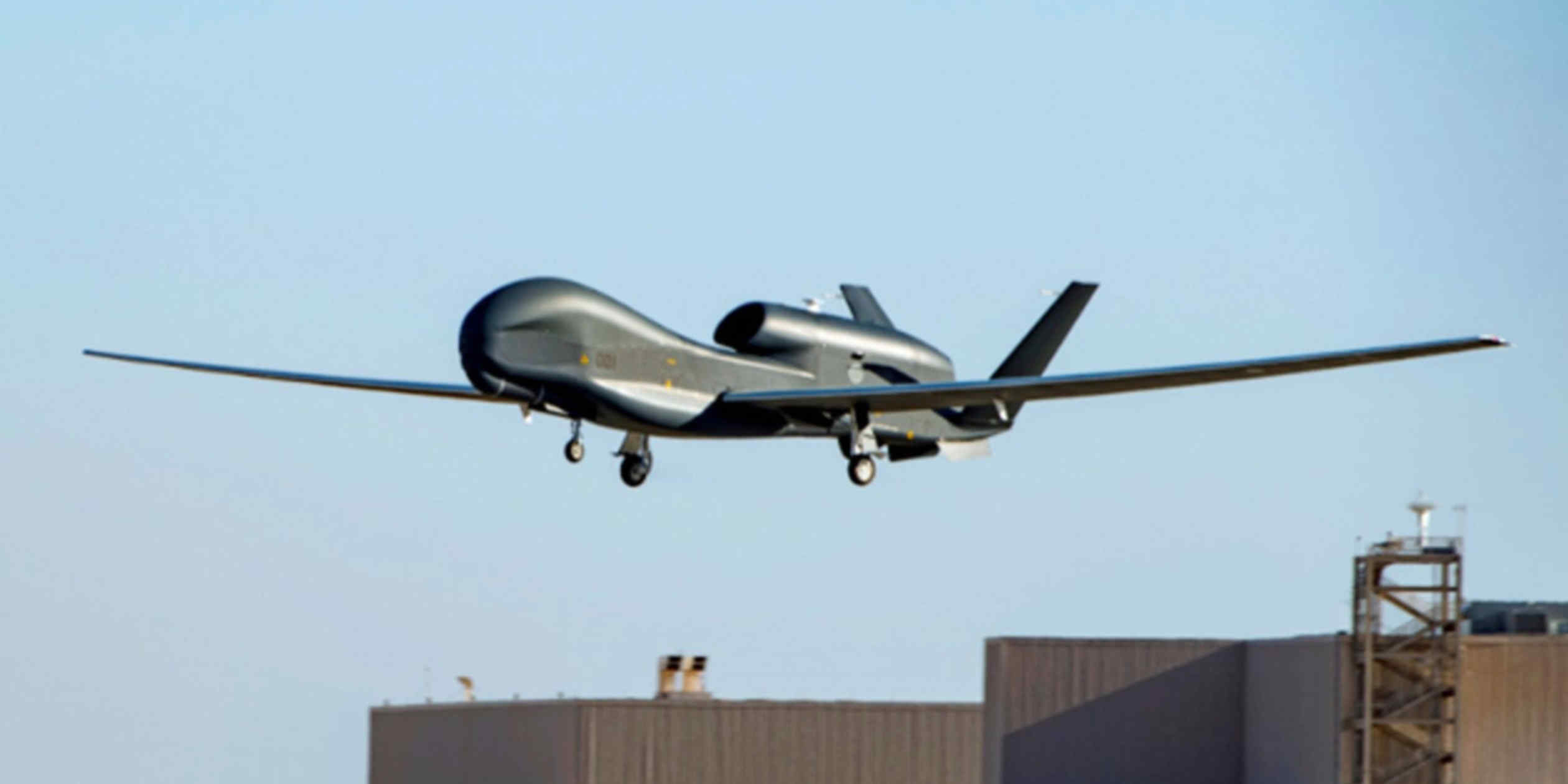
对于自卫队,重点将放在无人机、远程导弹、防空网络和持续作战能力上。日本将储备更多远程导弹,并增加部署地点数量,以提升远程抵御入侵的能力。
For the Self-Defense Forces, the focus will be on drones, long-range missiles, air defense networks and sustainability. More long-range missiles will be stockpiled, and the number of deployment locations increased, to enhance Japan's ability to fend off invasion from a distance.
无人机舰队也将扩大,以减轻平时从事野外监视的人员负担。在紧急情况下,无人机将承担此前由人类执行的任务,从情报收集到攻击,以降低敌方攻击造成人员伤亡的风险。
Drone fleets will also be expanded to ease the peacetime burden on personnel handling surveillance in the field. In emergencies, they will assume roles that had been handled by humans, from information gathering to attack, to reduce the risk of harm from enemy attacks.
日本将致力于增强人工智能,以加快决策速度。该技术被视为美军与自卫队协调的关键。
Japan will work to enhance AI to speed up decision-making. The technology is seen as key to coordination between the U.S. military and the SDF.
日本国防工业的实力对于其在长期冲突中持续作战的能力至关重要。日本计划在平时储备足够的弹药和装备,确保在冲突期间国内生产能迅速提升,并通过出口与志同道合的国家建立关系。
The strength of Japan's defense industry is crucial to its ability to keep fighting through prolonged conflicts. The country will look to stockpile sufficient ammunition and equipment during peacetime and ensure that domestic production can be ramped up quickly in conflicts, as well as build relationships with like-minded countries through exports.
自卫队人员将被视为该国国防的“核心”。日本将扩大招募,确保部队有足够人员,同时整合总部和单位,腾出更多人员投入前线,并推动陆、海、空三军联合作战。自卫队计划与民间医院合作,扩大其无法自行处理的医疗培训。
SDF personnel will be considered the "core" of the nation's defense. Japan will broaden recruiting to ensure that the forces have enough members, while consolidating headquarters and units to free up more personnel for the front lines, and promote integrated operations across the ground, maritime and air branches. The SDF aims to partner with civilian hospitals to expand medical training it cannot handle on its own.