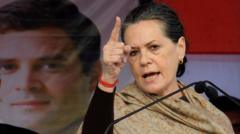
1984年10月31日上午,索尼娅·甘地还是一位年轻的妻子和母亲,住在新德里总理官邸。她正准备洗澡,突然听到花园里传来枪声。
Sonia Gandhi has been one of the most powerful political figures in India's history On the morning of 31 October 1984, Sonia Gandhi was a young wife and mother, living in the prime minister's residence in Delhi. She was about to take a bath when she heard shots ring out in the garden.
她的婆婆、印度总理英迪拉·甘地刚离开去隔壁大楼的办公室。片刻后,她便被两名锡克教保镖刺杀,这是对印度军队早些时候冲入锡克教最神圣的圣地——阿姆利则金庙的报复。
Her mother-in-law, Indira Gandhi, India's prime minister, had just left for her office in an adjoining building. Moments later, she would be assassinated by two of her Sikh bodyguards, in retaliation for the Indian army's storming of the Golden Temple in Amritsar, Sikhism's holiest shrine, earlier that year.
枪声听起来像鞭炮,“但不一样”。孩子们的保姆冲着浴室门狂捶,歇斯底里,手指着花园方向。
The sound was like firecrackers, but "different". The children's nanny came pounding on the bathroom door, hysterical, pointing towards the garden.
索尼娅跑向小路。一辆白色的“安巴萨多”轿车缓缓向她驶来。车里,英迪拉浑身是血,纱丽染红,双眼睁着,脸上挂着索尼娅记忆中惊讶的神情。
Sonia ran towards the path. A white Ambassador car was moving slowly towards her. Inside, Indira lay covered in blood, her sari stained, her eyes open, her face wearing what Sonia remembered as a look of surprise.
“妈,妈”,她想喊。却发不出声音。在医院,她等了几个小时,直到一位医生摇了摇头,证实了她最担心的事。
"Mummy, Mummy," she tried to say. No words came. At the hospital, she waited for hours before a doctor's shake of the head told her what she feared.
磨难并未结束。她的丈夫、英迪拉·甘地的长子拉吉夫·甘地从西孟加拉邦的一个集会赶回,告诉她党内领导人希望他出任总理。
The ordeal did not end there. Rajiv Gandhi, her husband and the elder son of Indira Gandhi, summoned from a rally in West Bengal, arrived to tell her that party leaders wanted him to become prime minister.
索尼娅的反应是愤怒和恐惧。“他们会杀了你;他们也会杀了你!”她恳求道。拉吉夫回答:“他们反正会杀了我。”当晚,在英迪拉的遗体停放在家中时,拉吉夫宣誓就职。
Sonia's response was fury and terror. "They will kill you; they will kill you, too!" she pleaded. Rajiv replied: "They will kill me anyway." That evening, as Indira's body lay at home, Rajiv was sworn in.
这是索尼娅·甘地新回忆录《归属:一段爱的旅程》中最撕心裂肺的段落之一:私人的毁灭与公共生活的压力交织展开。
It is one of the most searing passages in Belonging: A Journey of Love, Sonia Gandhi's new memoir: private devastation unfolding alongside the pressures of public life.
这位长期远离政治的女性,如今成了印度总理的妻子,最终走上国大党领袖位置,带领该党赢得两次大选胜利,成为印度历史上最具影响力的政治人物之一。
The woman who had largely stayed away from politics was now married to India's prime minister, and would eventually find herself at the head of the Congress party, leading it through two general election victories and becoming one of the country's most consequential political figures.
这段文字还预示了另一场毁灭性的损失。1991年,拉吉夫本人遭到暗杀。
The passage also foreshadows another devastating loss. In 1991, Rajiv himself was assassinated.
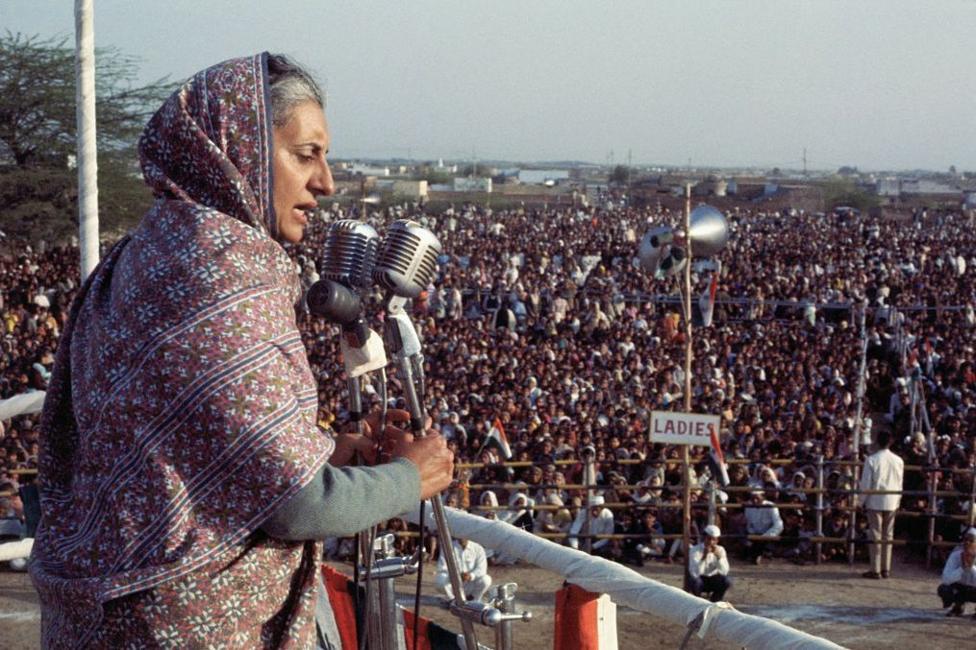
盖蒂图片社 1984年10月,英迪拉·甘地被其锡克教贴身保镖暗杀 对索尼娅而言,随后的岁月以退隐为标志。
Getty Images Indira Gandhi was asssassinated by her Sikh bodyguards in October 1984 For Sonia, the years that followed were marked by retreat.
19岁时,这位来自意大利小镇的年轻女子在英格兰邂逅了印度留学生拉吉夫。这段关系将她带入了一个新的国家和家庭,并与英迪拉建立了深厚的纽带。通过丈夫和婆婆,印度成了她的家。
At 19, a young woman from a small Italian town, she had met Rajiv, an Indian student, in England. Their relationship took her into a new country and family, and a close bond with Indira followed. India became home through her husband and her mother-in-law.
拉吉夫遇害后,即便是她作为纪念信托基金负责人必须出席的公开活动,也成了一种折磨。演讲前,她担心泪水会淹没她。
After Rajiv's killing, even the public appearances required by the memorial trusts she headed became an ordeal. Before speeches, she feared tears would overwhelm her.
当达赖喇嘛询问她是否对丈夫的凶手怀有报复之心时,她回答:“不,我没有,”随即放声大哭。她写道,渐渐地,拉吉夫变成了“我内心的一种存在,而不是一种刺痛的缺席”。
When the Dalai Lama asked whether she felt vengeful towards her husband's killers, she answered, "No, I don't," and burst into sobs. Slowly, she writes, Rajiv became "a presence within me rather than a piercing absence".
但在家庭的重要时刻,悲伤会卷土重来。1995年,在儿子拉胡尔的剑桥大学毕业典礼上,她和孩子们因想到拉吉夫若在世会多么引以为豪而悲痛万分。
But grief returned at family milestones. At her son Rahul's Cambridge graduation in 1995, she and her children were overcome by the thought of how proud Rajiv would have been.
与此同时,政治正在逼近。作为她丈夫家族世代政治载体的国大党,正在失去凝聚力和选举阵地。资深领导人纷纷倒戈,呼吁索尼娅出山的声音愈发高涨。
Politics, meanwhile, was closing in. The Congress party, the political vehicle of her husband's family for generations, was losing cohesion and electoral ground. Senior leaders were defecting, and the calls for Sonia to step in were growing louder.
她最初拒绝了。她写道,她是通过拉吉夫了解政治的:看到了它的成就,也看到了它的“野心与贪婪、虚伪与背叛”。“我一直不喜欢政治,”她写道。政治先夺走了她的婆婆,又夺走了“我一生的挚爱、孩子们的父亲”。
She initially refused. She writes she had seen politics through Rajiv: its achievements, but also its "ambition and greed, hypocrisy and treachery". "I'd always disliked politics," she writes. It had taken first her mother-in-law, then "the love of my life, my children's father".
然而,该党的衰败开始让她感到切身相关。路过英迪拉和拉吉夫的照片时,她被“痛苦与愧疚交织的情绪”所笼罩。她担心,他们曾为之奋斗、以“捍卫印度多元精神”的力量正在抬头:一种在她看来威胁到他们试图捍卫的“世俗与多元愿景”的印度教民族主义正在兴起。
Yet the party's decline began to feel personal. Walking past photographs of Indira and Rajiv, she was seized by "a mixture of pain and guilt". She feared that the forces they had fought to "protect India's pluralistic ethos" were gaining ground: a rising Hindu nationalism that, in her view, threatened the "secular and pluralistic vision" of India they had sought to defend.
国大党领导人辩称,没有她,该党可能会分裂,几乎无力抵抗社群政治。她认为,家族姓氏拥有超越宗教、种姓、语言和地域的吸引力。她表示,这是“最令人信服的论据”。
Congress leaders argued that without her, the party could splinter, leaving little to resist communal politics. The family name, she believed, carried an appeal beyond religion, caste, language and region. This, she says, was "the most compelling argument".
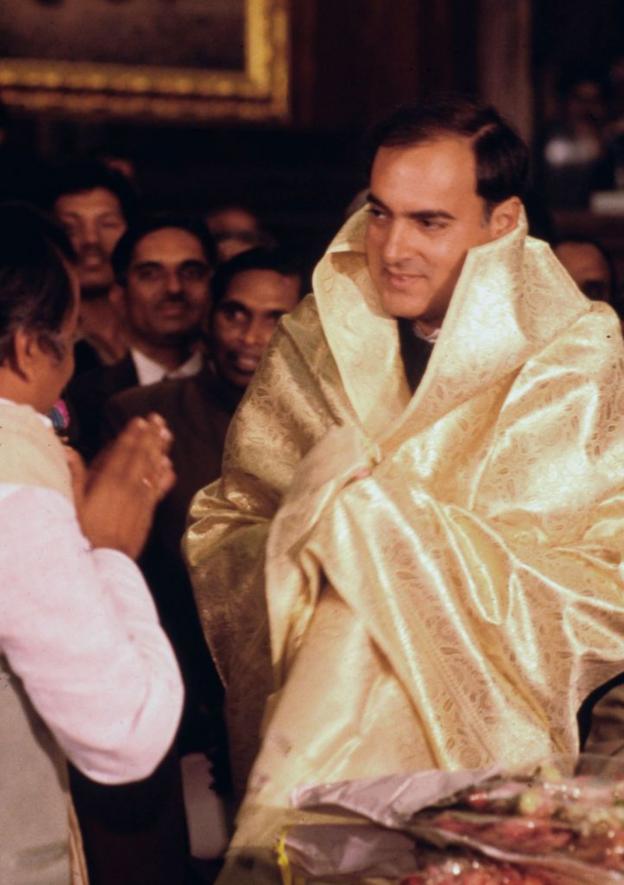
拉吉夫·甘地在母亲去世数小时后宣誓就任印度最年轻的总理。她的疑虑也关乎自身的资历。作为一个局外人,如何能占据由两位杰出人物先后担任的职位?在家里,拉胡尔和普里扬卡担心像失去祖母和父亲那样失去母亲。在一个新年假期前,他们逼出了一句承诺:“趁我们不在的时候,你别干什么傻事。”她表示,“答案”来自《薄伽梵歌》。
Rajiv Gandhi took oath as India's youngest prime minister hours after his mother's death Her doubts were also about her own credentials. How could an outsider occupy a position held by two formidable figures? At home, Rahul and Priyanka feared losing their mother as they had lost their grandmother and father. Before a New Year holiday, they extracted a promise: "Don't you do anything crazy while we're away." The "answer", she says, came through the Bhagavad Gita Though not religious in adult life, Sonia arranged private lessons with a Sanskrit scholar in January 1997. They read the text verse by verse.
尽管成年后并不信教,索尼娅于1997年1月安排了一位梵文学者私下授课。他们逐句研读经文。她写道,其核心信息——履行达尔马(职责/达摩),即责任,而不执着于行动的果报——最终化解了她内心的冲突。
She writes that its central message – to perform one's dharma, or duty, without attachment to the fruits of one's actions – eventually resolved her inner conflict. "I had the answer to my own doubts and questions. I had to step out and go where my duty called.
“我找到了自己疑虑和问题的答案。我必须挺身而出,前往职责召唤的地方。我照做了。”然而,这本回忆录最具戏剧性的政治场景,却发生在七年后,即国大党在2004年大选获胜之后。索尼娅曾领导该党的竞选活动。
And I did." The memoir's most dramatic political scene, however, comes seven years later, after Congress's 2004 election victory Sonia had led the party's campaign. Sonia goes with Manmohan Sing h to meet India's president at the presidential palace in Delhi and formally stake the Congress-led alliance's claim to form a government.
索尼娅同曼莫汉·辛格前往新德里总统府会见印度总统,正式提出国大党领导的联盟组建政府的主张。所有人都以为她将成为总理。她一言不发。
Everyone assumes she will become prime minister. She says nothing. At home, she tells a senior aide she intends to refuse.
回家后,她告诉一位高级助手,她打算拒绝。党工聚集在大门外;资深同僚要求会面。
Party workers gather at the gates; senior colleagues demand a meeting. "You fought the election, you led us," says one.
“你打赢了选举,你带领我们,”一人说道。“人们信任你。你怎么能这样让他们失望?我们的党工会造反的。你以为他们会接受另一位领导人吗?”
"People believed in you. How can you let them down like this?
盟党领袖赶来劝说她。她回忆说,他们将她团团围住,其中一人坚持道:“我们不会接受拒绝。”在巨大压力下,她低声说道:“Theek hai(泰克海,意为‘行吧’/‘好吧’)。”他们将其视为同意,随即开始向她道贺。
Our workers will revolt. You think they'll accept another leader?" Alliance leaders arrive to persuade her. They surround her, she recalls, and one insists: "We will not take no for an answer."
她写道,子女们感到震惊。拉胡尔冲进来:“你答应了?”女儿普里扬卡敦促她不要被迫做决定。
Overwhelmed, she murmurs " Theek hai " - all right. They take it as consent and begin congratulating her. Her children are appalled, she writes.
索尼娅写道,她度过了一个漫长的夜晚,与自己、朋友和家人争论。风险不仅仅是个人层面的。她认为,主要反对党印度人民党(BJP)将继续利用她的外籍出身问题,而接受总理职位将允许这场争议“制造混乱”并损害国家。到了清晨,她想通了。“我已下定决心,我将坚持我的立场,”她告诉拉胡尔。
Rahul storms in: "You said yes?" Her daughter Priyanka urges her not to be forced into a decision. Sonia writes she spends a long night arguing with herself, friends and family. The risk is not merely personal. She believes the main opposition Bharatiya Janata Party (BJP) would continue to exploit her foreign birth and that accepting office would allow the controversy to "create havoc" and hurt the country.
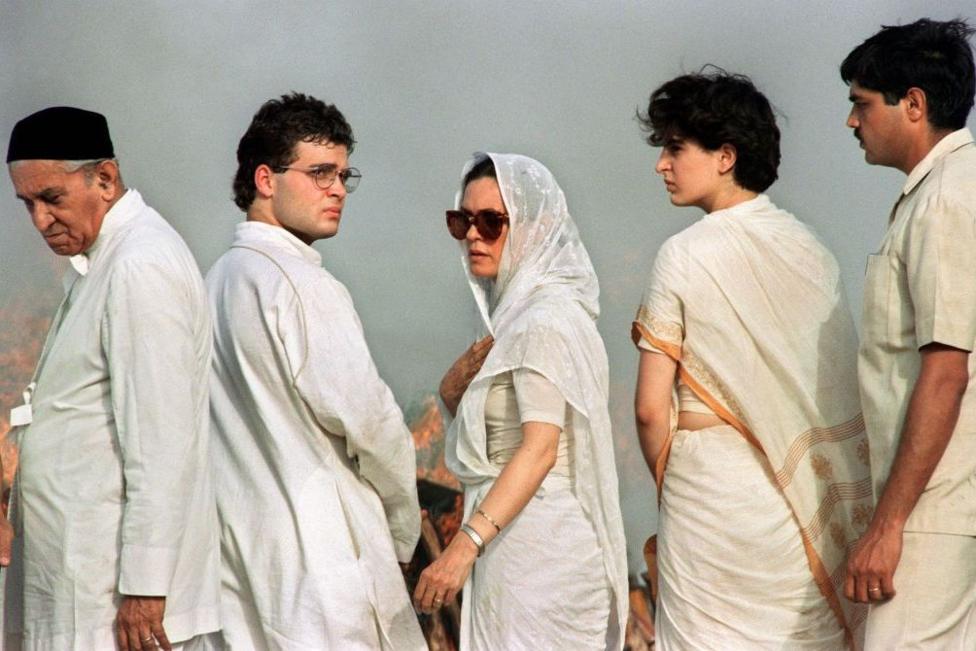
1991年,索尼娅·甘地(中)与女儿普里扬卡、儿子拉胡尔在拉吉夫·甘地葬礼上。她选择了辛格——一位受过专业训练的经济学家和党内人士——并形容他是一位“无可指责”、对治理有“深刻而完备理解”的人。
By morning she is clear. " I've made up my mind I'm going to stick to my stand," she tells Rahul.
当书写从家族记忆转向她认为已经失去的印度时,本书最具揭示力。
Sonia Gandhi (centre), with daughter Priyanka and son Rahul, at the funeral of Rajiv Gandhi in 1991 She chooses Singh, a trained economist and a party member, instead, describing him as a man "above reproach", with a "deep and consummate understanding of governance".
索尼娅表示,当她步入公共生活时,议会政治中“还存在某种体面与礼仪”。
The book is at its most revealing when it turns from family memory to the India she believes has been lost.
政治攻击和严厉措辞并非新鲜事,但她看到掌权者中有一种更强烈的欲望,“去贬低和折磨那些与他们意见不同的人,去恐吓那些他们视为对手的人”。她说,这是更广泛的国际趋势的一部分,即“伴随威权政权的冷酷无情”。
Sonia says that when she entered public life there was "a certain decency and decorum in parliamentary politics". Political attacks and harsh words were not new, but she sees a sharper appetite among those in power "to belittle and torment those who differ from them, to intimidate those they perceive as opponents".
她对印度教民族主义政党印度人民党总理纳伦德拉·莫迪的描绘异常直白。
It is, she says, part of a wider international drift towards "a heartlessness that accompanies authoritarian regimes".
两人“实际上没有真正的接触”,她写道,除了在议会聚会上的正式问候,以及她出院归来时偶尔的寒暄——“Theek hain, aap”(你好吗?)。“他倾向于避开视线,”她说,“避免眼神接触。”
Her portrait of prime minister Narendra Modi of the Hindu nationalist BJP is unusually direct. The two have had "practically no real contact", she writes, beyond formal greetings at parliamentary gatherings and occasional exchanges - "
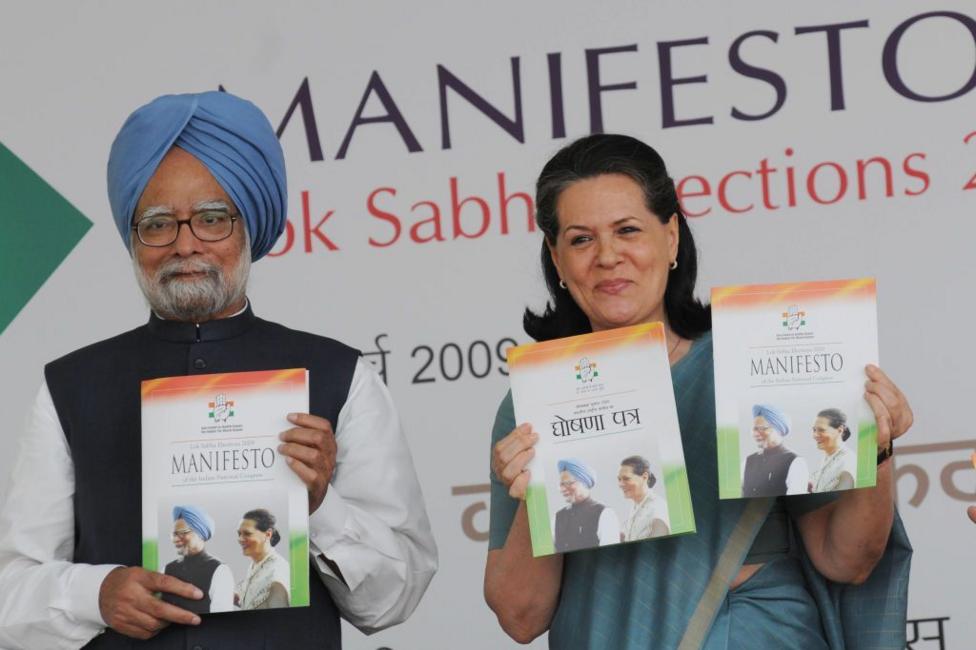
索尼娅·甘地与曼莫汉·辛格,后者是她在国大党2004年重新执政、她本人拒绝出任总理后挑选的总理人选。
Theek hain, aap " ("Are you all right?") - when she returned from hospital.
她写道,莫迪的印度观是由“国民志愿服务团”(RSS)塑造的,“确立了一种原教旨主义,即他的信仰和文化凌驾于一切之上”。他的印度是“等级、秩序与控制”的印度;她的则是“反霸权”的印度,代表“包容、世俗主义与社会正义”。
"He tends to look away," she says, "avoiding eye contact." Sonia Gandhi with Manmohan Singh, whom she chose as prime minister after declining the post herself when Congress returned to power in 2004 Modi's idea of India, she writes, was shaped by the Rashtriya Swayamsevak Sangh (RSS) and "affirmed a fundamentalism in which his faith and culture superseded all others".
在激烈的论战中,她做出了一个引人注目的让步——她说她理解莫迪“对我们这个时代的统治精英感到不自在”。
His is an India of "hierarchy, order, and control"; hers is "an India against hegemony", standing for "inclusiveness, secularism, and social justice".
索尼娅说,她在德里特权阶层的客厅里感到局促不安,那里的政治谈话似乎“与印度的现实相去甚远”。
There is a striking concession amid the polemic - she says she understood Modi's "discomfort with the ruling elite of our times".
她写道,莫迪的出身“未必像他的公关团队”宣称的那样卑微,但他“确实是在RSS内部从一个弱势世界一步步走向权力的”。这是对国大党建制派与莫迪所代表的选民之间存在的社会鸿沟的罕见承认。回忆录还提供了一些索尼娅与世界领导人打交道的片段。
Sonia says she felt uneasy in Delhi's privileged drawing rooms, where political conversation seemed "very far removed from the reality of India". Modi's origins, she writes, "may not be as humble as his PR team" suggests, but he "had certainly worked his way to power within the RSS from an underprivileged world". It is a rare acknowledgement of the social distance between the Congress establishment and the electorate Modi came to represent.
她回忆,弗拉基米尔·普京是个“引人入胜的人物”,曾在圣彼得堡带她乘船游览,沿途指认纪念碑。她说她对普京对地缘政治的掌握以及他“决心恢复俄罗斯往日的强国地位”印象深刻——“那是在乌克兰战争很久以前,一个不同的时代”。
The memoir also offers some glimpses of Sonia's encounters with world leaders. She remembers Vladimir Putin as an "engaging personality" who took her on a boat ride in St Petersburg, pointing out monuments along the way.
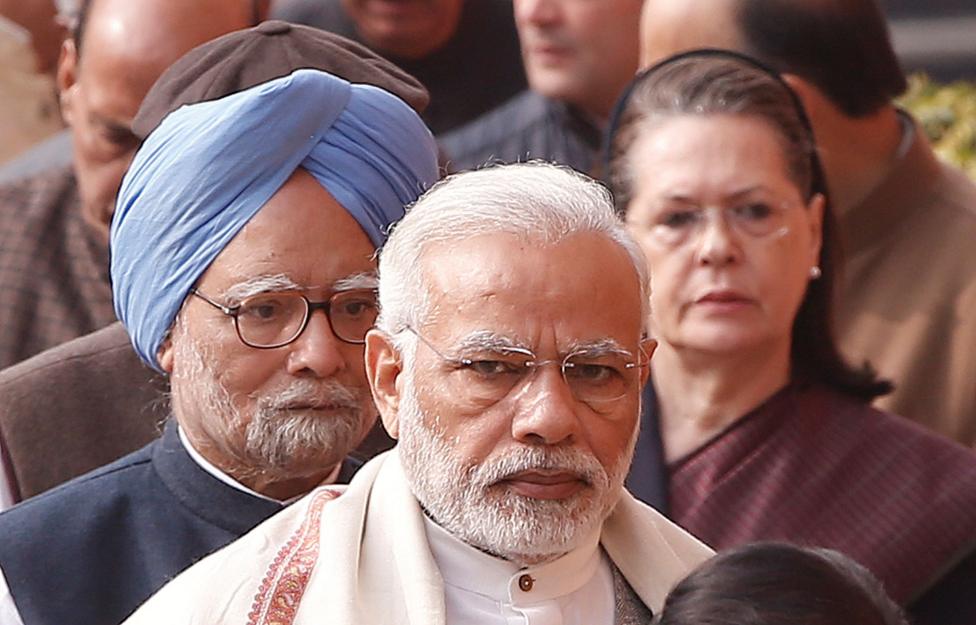
索尼娅·甘地写道,她与莫迪总理(前景者)“实际上没有真正的接触”。
She says she was impressed by his grasp of geopolitics and his "determination to restore Russia to its former powerful status" - "long before the Ukraine war, a different era".
一次较为轻松的会晤涉及法国的尼古拉·萨科齐,他在2008年访印时未携当时的伴侣卡拉·布鲁尼同行,因为两人尚未结婚。
Sonia Gandhi writes that she and PM Modi (foreground) have had "practically no real contact" A more amusing encounter involved France's Nicolas Sarkozy, who arrived in India in 2008 without his then partner Carla Bruni because they were unmarried.
在一场国宴上,印度副总统的妻子兴致勃勃地盘问他何时打算娶她、是否想念她以及是否已定下日期。萨科齐一边在手机上给布鲁尼发短信,一边配合地回答了她的问题。
At a state banquet, the Indian vice-president's wife cheerfully grilled him about when he planned to marry her, whether he missed her and whether a date had been fixed. Sarkozy obligingly answered her questions while messaging Bruni on his phone.
归属感并非一段中立的历史。博福斯炮丑闻重创了拉吉夫·甘地的政府,并缠绕这个家族数十年,书中对此却相对一笔带过。
Belonging is not a neutral history. The Bofors gun scandal, which badly damaged Rajiv Gandhi's government and dogged the family for decades, gets a relatively brief treatment.
这本502页的回忆录,对于国大党自身不光彩的记录则避而不谈。索尼娅大谈对手统治下的政治腐败、虚伪与公共道德沦丧,却基本绕开了国大党执政时期盛行的裙带关系、任人唯亲与腐败文化。书中也鲜少反省该党自身对公众信任流失应负的责任。
The 502-page memoir is less forthcoming about the less flattering aspects of Congress's own record. Sonia has much to say about political corruption, hypocrisy and the decline of public standards under her opponents, but largely sidesteps the culture of patronage, cronyism and corruption that dogged Congress during its years in power. There is little reckoning, either, with the party's own share of responsibility for the erosion of public trust.
她竭力捍卫丈夫和岳母的政治遗产,即便他们建立的政党已陷入长期衰退。她讲述的故事,既关乎承担这一遗产的代价,也关乎一位自称从未想过要过上这种生活的女性。
She is at pains to defend the political inheritance of her husband and mother-in-law, even as the party they built has suffered a prolonged decline. The story she tells is as much about the costs of carrying that inheritance as it is about a woman who says she never wanted the life she ended up leading.
这让回忆录的最后几页笼罩着挥之不去的忧伤。现年79岁的索尼娅是联邦院(议会上院)议员。55岁的拉胡尔是四届下院议员兼反对党领袖;53岁的普里扬卡也是议会议员。
That gives the memoir's final pages an unmistakable melancholy. Sonia, 79, is now a member of the Rajya Sabha, the upper house of parliament. Rahul, 55, is a four-term MP and leader of the opposition; Priyanka, 53, is also a member of parliament.
索尼娅表示,挑战在于历经痛苦与失去、胜利与失败、以及政治所要求的周旋,始终忠于“一个公正而人道的社会”。但她结尾时既非凯歌高奏,亦无确信历史会为她正名的把握。
Sonia says the challenge was to remain faithful to "a just and humane society", through pain and loss, victory and defeat, and the manoeuvring that politics demands. But she ends not with triumph, nor even with the assurance that history will vindicate her.
“此刻我觉得,尽管我竭尽全力,却未能击退我立志要对抗的那些力量。”
"At this moment it seems to me that, although I tried my best, I didn't succeed in beating back the forces I'd set out to fight."