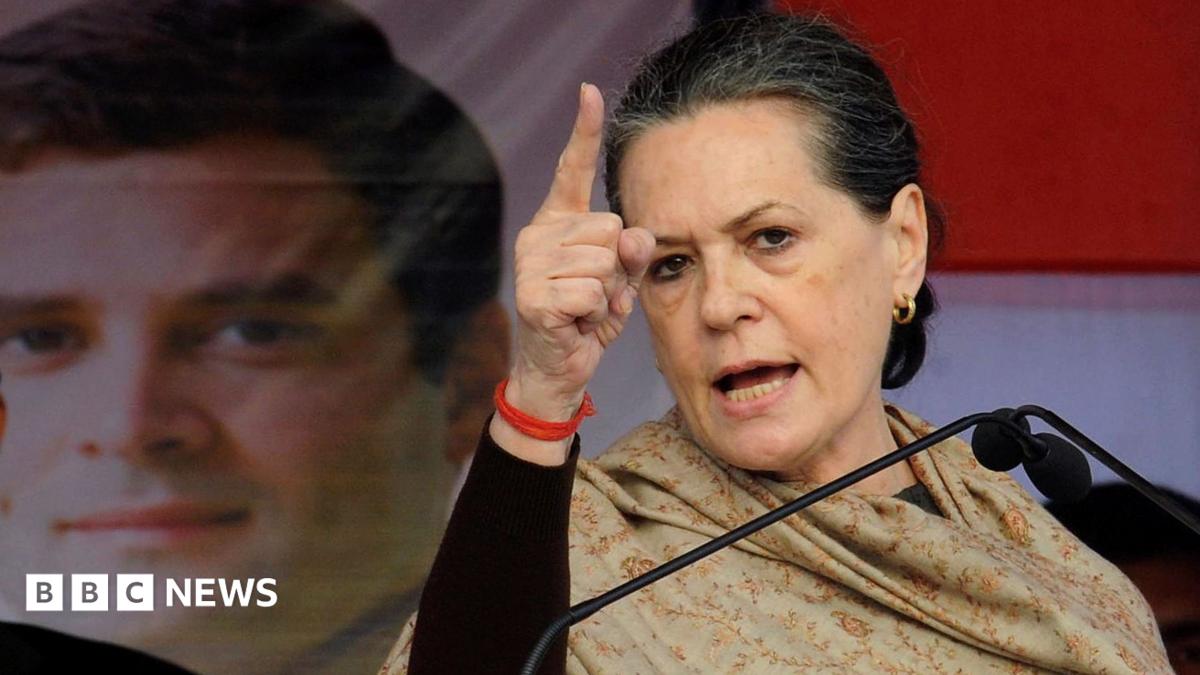
“他们也会杀了你”:索尼娅·甘地在印度政坛的动荡历程索尼娅·甘地一直是印度历史上最具权势的政治人物之一苏提克·比斯瓦斯 印度特约记者2026年11月11日,格林威治标准时间00:26 1984年10月31日上午,索尼娅·甘地还是一位年轻的妻子和母亲,住在新德里的总理官邸。她正准备洗澡,突然听到花园里传来枪声。
'They will kill you too': Sonia Gandhi's turbulent journey in Indian politics Sonia Gandhi has been one of the most powerful political figures in India's history Soutik Biswas India correspondent 11 November 2026, 00:26 GMT On the morning of 31 October 1984, Sonia Gandhi was a young wife and mother, living in the prime minister's residence in Delhi. She was about to take a bath when she heard shots ring out in the garden.
她的婆婆、印度总理英迪拉·甘地刚离开去隔壁大楼的办公室。片刻后,她便被两名锡克教保镖刺杀,这是对印度军队早些时候冲入阿姆利则金庙——锡克教最神圣的圣地——进行清剿的报复。
Her mother-in-law, Indira Gandhi, India's prime minister, had just left for her office in an adjoining building. Moments later, she would be assassinated by two of her Sikh bodyguards, in retaliation for the Indian army's storming of the Golden Temple in Amritsar, Sikhism's holiest shrine, earlier that year.
那声音像鞭炮,但“不同”。孩子们的保姆捶打着浴室门,歇斯底里地指向花园。
The sound was like firecrackers, but "different". The children's nanny came pounding on the bathroom door, hysterical, pointing towards the garden.
索尼娅跑向小路。一辆白色的“安巴萨多”轿车正缓缓向她驶来。车内,英迪拉浑身是血,纱丽染红,双眼睁开,脸上挂着索尼娅记忆中那种惊愕的神情。
Sonia ran towards the path. A white Ambassador car was moving slowly towards her. Inside, Indira lay covered in blood, her sari stained, her eyes open, her face wearing what Sonia remembered as a look of surprise.
“妈,妈”,她想喊出来。却发不出声音。在医院,她等了几个小时,直到一位医生摇了摇头,证实了她最恐惧的事。
"Mummy, Mummy," she tried to say. No words came. At the hospital, she waited for hours before a doctor's shake of the head told her what she feared.
磨难并未就此结束。正在西孟加拉邦参加集会的丈夫拉吉夫·甘地——英迪拉·甘地的长子——被紧急召回,告诉她党内领导人希望他出任总理。
The ordeal did not end there. Rajiv Gandhi, her husband and the elder son of Indira Gandhi, summoned from a rally in West Bengal, arrived to tell her that party leaders wanted him to become prime minister.
索尼娅的反应是愤怒与恐惧交加。“他们会杀了你;他们也会杀了你!”她恳求道。拉吉夫回答:“他们反正会杀了我。”当晚,在英迪拉的遗体停放在家中之际,拉吉夫宣誓就职。
Sonia's response was fury and terror. "They will kill you; they will kill you, too!" she pleaded. Rajiv replied: "They will kill me anyway." That evening, as Indira's body lay at home, Rajiv was sworn in.
这是索尼娅·甘地新回忆录《归属:一段爱的旅程》中最令人心碎的篇章之一:私人的毁灭与公共生活的重压同步展开。
It is one of the most searing passages in Belonging: A Journey of Love, Sonia Gandhi's new memoir: private devastation unfolding alongside the pressures of public life.
这位曾基本远离政治的女性,如今嫁给了印度总理,最终还将发现自己站在国大党的最前沿,带领该党赢得两次大选胜利,成为该国最具影响力的政治人物之一。
The woman who had largely stayed away from politics was now married to India's prime minister, and would eventually find herself at the head of the Congress party, leading it through two general election victories and becoming one of the country's most consequential political figures.
这段文字也预示了另一场毁灭性的失去。1991年,拉吉夫本人遭暗杀身亡。
The passage also foreshadows another devastating loss. In 1991, Rajiv himself was assassinated.
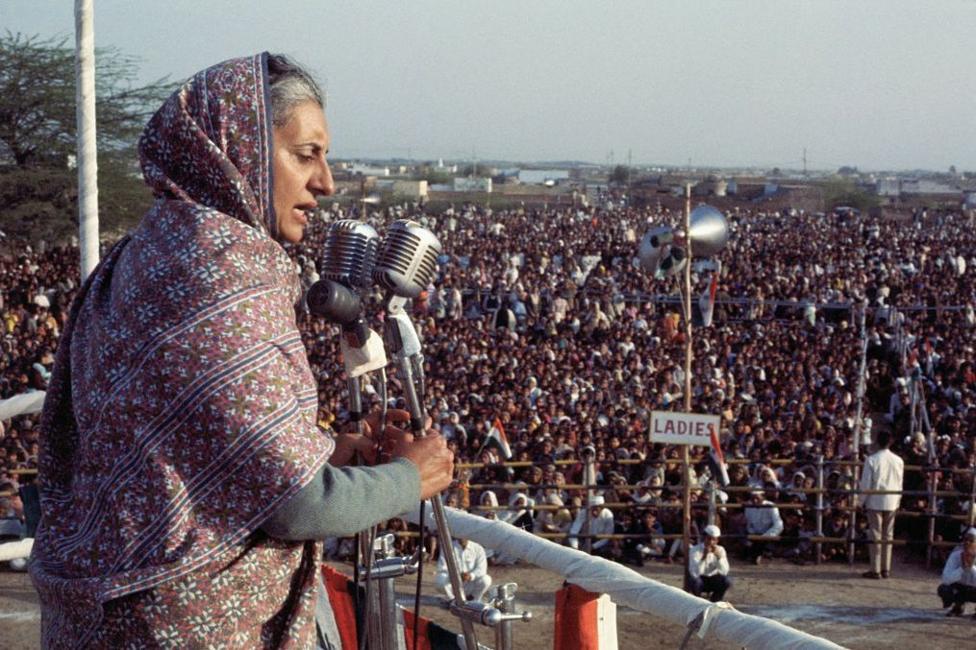
Getty Images 1984年10月,英迪拉·甘地被她的锡克教保镖暗杀。对索尼娅而言,此后的岁月以退隐为标志。
Getty Images Indira Gandhi was asssassinated by her Sikh bodyguards in October 1984 For Sonia, the years that followed were marked by retreat.
19岁时,这个来自意大利小镇的年轻女子在英国邂逅了印度学生拉吉夫。这段感情将她带入一个新的国家和家庭,随后她与英迪拉建立了亲密纽带。通过丈夫和婆婆,印度成了她的家。
At 19, a young woman from a small Italian town, she had met Rajiv, an Indian student, in England. Their relationship took her into a new country and family, and a close bond with Indira followed. India became home through her husband and her mother-in-law.
拉吉夫遇害后,就连她所领导的纪念信托机构要求她出席的公开露面也成了煎熬。演讲前,她担心泪水会将自己淹没。
After Rajiv's killing, even the public appearances required by the memorial trusts she headed became an ordeal. Before speeches, she feared tears would overwhelm her.
当达赖喇嘛问她是否对杀害丈夫的凶手心怀报复时,她回答:“不,我没有。”随即放声痛哭。她写道,慢慢地,拉吉夫变成了“我内心的一种存在,而非一种刺痛的缺席”。
When the Dalai Lama asked whether she felt vengeful towards her husband's killers, she answered, "No, I don't," and burst into sobs. Slowly, she writes, Rajiv became "a presence within me rather than a piercing absence".
但悲伤在家庭的重要时刻再度袭来。1995年儿子拉胡尔在剑桥大学毕业时,想到拉吉夫本该多么骄傲,她和孩子们都难以自持。
But grief returned at family milestones. At her son Rahul's Cambridge graduation in 1995, she and her children were overcome by the thought of how proud Rajiv would have been.
与此同时,政治正步步逼近。国大党作为丈夫家族几代人的政治载体,正逐渐失去凝聚力和选举阵地。资深领导人纷纷倒戈,要求索尼娅出山的呼声越来越高。
Politics, meanwhile, was closing in. The Congress party, the political vehicle of her husband's family for generations, was losing cohesion and electoral ground. Senior leaders were defecting, and the calls for Sonia to step in were growing louder.
她起初拒绝了。她写道,自己曾通过拉吉夫看政治:看到了它的成就,但也看到了它的“野心与贪婪、虚伪与背叛”。“我一直不喜欢政治,”她写道。政治先夺走了她的婆婆,然后又夺走了“我一生所爱、我孩子们的父亲”。
She initially refused. She writes she had seen politics through Rajiv: its achievements, but also its "ambition and greed, hypocrisy and treachery". "I'd always disliked politics," she writes. It had taken first her mother-in-law, then "the love of my life, my children's father".
然而,国大党的衰落开始让她感到切肤之痛。走过英迪拉和拉吉夫的照片时,她心中涌起“痛苦与内疚交织”的情绪。她担心,他们曾为“保护印度多元传统”而抗争的那些势力正在得势:日益高涨的印度教民族主义在她看来威胁着他们力图捍卫的印度“世俗与多元的愿景”。
Yet the party's decline began to feel personal. Walking past photographs of Indira and Rajiv, she was seized by "a mixture of pain and guilt". She feared that the forces they had fought to "protect India's pluralistic ethos" were gaining ground: a rising Hindu nationalism that, in her view, threatened the "secular and pluralistic vision" of India they had sought to defend.
国大党领导人认为,没有她,党可能分裂,届时将几乎没有力量抵抗教派政治。她相信,这个家族姓氏的吸引力超越了宗教、种姓、语言和地域。她说,这才是“最有说服力的理由”。
Congress leaders argued that without her, the party could splinter, leaving little to resist communal politics. The family name, she believed, carried an appeal beyond religion, caste, language and region. This, she says, was "the most compelling argument".
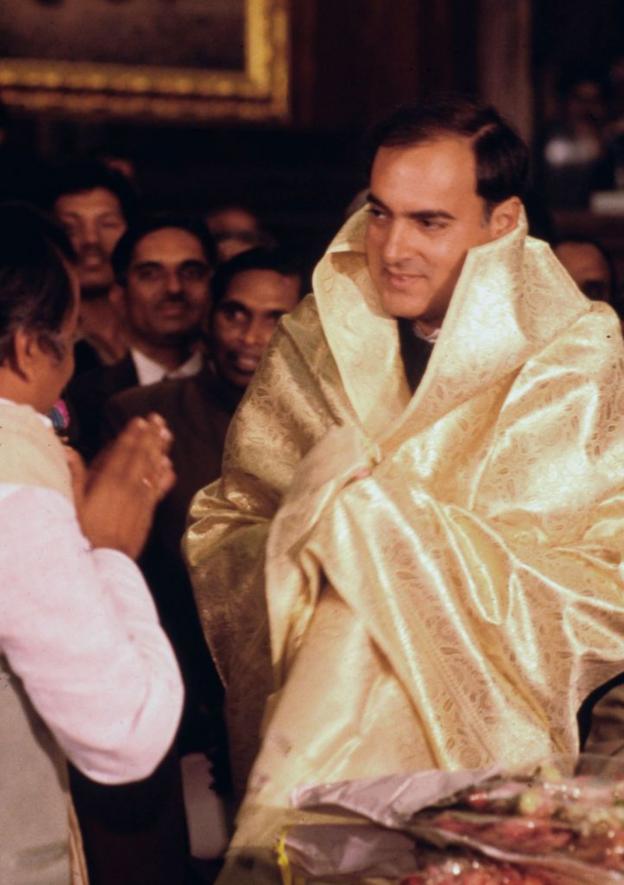
拉吉夫·甘地在母亲遇刺数小时后宣誓就任印度最年轻的总理。她的疑虑也关乎自身资历。一个局外人怎能占据两位杰出人物曾担任的位置?在家中,拉胡尔和普里扬卡担心失去母亲,就像他们失去祖母和父亲一样。在新年假期前,他们逼她作出承诺:“我们不在的时候,你别做什么疯狂的事。”她说,“答案”是通过《薄伽梵歌》传来的。
Rajiv Gandhi took oath as India's youngest prime minister hours after his mother's death Her doubts were also about her own credentials. How could an outsider occupy a position held by two formidable figures? At home, Rahul and Priyanka feared losing their mother as they had lost their grandmother and father. Before a New Year holiday, they extracted a promise: "Don't you do anything crazy while we're away." The "answer", she says, came through the Bhagavad Gita Though not religious in adult life, Sonia arranged private lessons with a Sanskrit scholar in January 1997.
尽管成年后的生活并不虔诚,索尼娅还是在1997年1月安排了一位梵语学者为她私下授课。他们逐节研读经文。她写道,其核心信息——履行自己的达摩(即职责),而不执着于行动的结果——最终化解了她内心的冲突。
They read the text verse by verse. She writes that its central message – to perform one's dharma, or duty, without attachment to the fruits of one's actions – eventually resolved her inner conflict.
“我对自己疑虑和问题有了答案。我必须走出去,前往职责召唤我的地方。我这样做了。”然而,回忆录中最具戏剧性的政治场景发生在七年后,即国大党2004年赢得大选之后。那场选战由索尼娅领导。
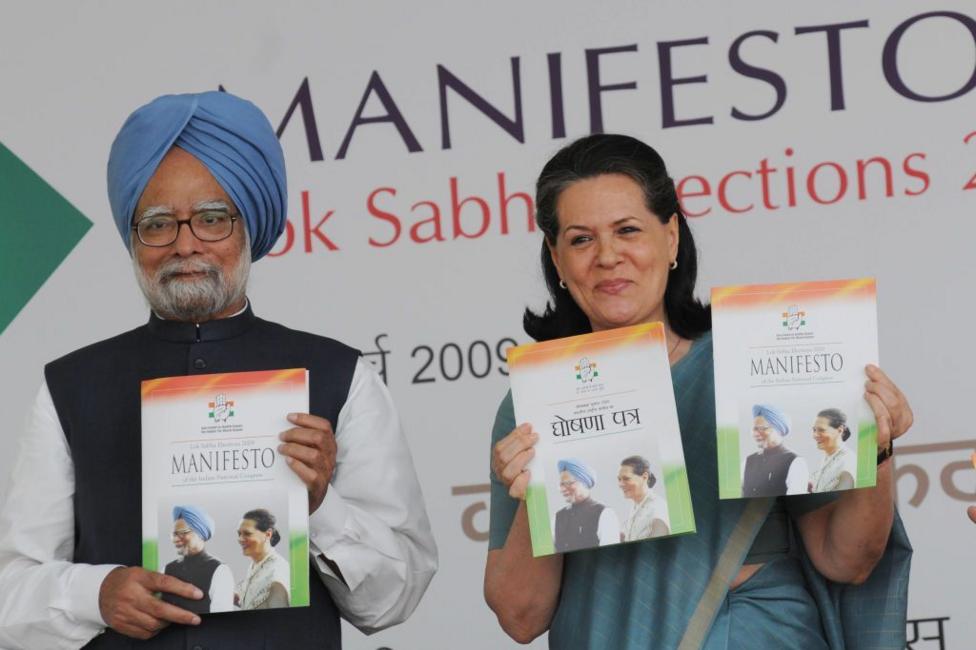
"I had the answer to my own doubts and questions. I had to step out and go where my duty called. And I did." The memoir's most dramatic political scene, however, comes seven years later, after Congress's 2004 election victory Sonia had led the party's campaign.
索尼娅与曼莫汉·辛格一同前往德里总统府觐见印度总统,正式代表国大党领导的联盟提出组建政府的要求。所有人都以为她会出任总理。她一言不发。
Sonia goes with Manmohan Sing h to meet India's president at the presidential palace in Delhi and formally stake the Congress-led alliance's claim to form a government. Everyone assumes she will become prime minister. She says nothing.
在家里,她告诉一位高级助手她打算拒绝。党内工作人员聚集在大门外;资深同僚要求开会。
At home, she tells a senior aide she intends to refuse. Party workers gather at the gates; senior colleagues demand a meeting.
“你打了这场选战,你领导了我们,”其中一人说。“人们信任你。你怎么能这样让他们失望?我们的工作人员会造反的。你觉得他们会接受另一位领导人吗?”
"You fought the election, you led us," says one. "People believed in you. How can you let them down like this? Our workers will revolt. You think they'll accept another leader?"
联盟领导人前来劝说她。她回忆说,他们把她围住,其中一人坚持道:“我们不会接受‘不’字。”她不知所措,低声说了一句“Theek hai”——好吧。他们把这当作同意,开始向她道贺。
Alliance leaders arrive to persuade her. They surround her, she recalls, and one insists: "We will not take no for an answer." Overwhelmed, she murmurs " Theek hai " - all right. They take it as consent and begin congratulating her.
她写道,她的孩子们大为震惊。拉胡尔冲进来:“你答应了?”她的女儿普里扬卡敦促她不要被迫做出决定。
Her children are appalled, she writes. Rahul storms in: "You said yes?" Her daughter Priyanka urges her not to be forced into a decision.
索尼娅写道,她度过了一个漫长的夜晚,与自己、朋友和家人争论。风险不仅仅是个人的。她认为,主要反对党印度人民党(BJP)会继续利用她的外国出生大做文章,而接受公职会让这场争议“造成严重破坏”并伤害国家。到早晨,她已心意坚定。“我已经下定决心,要坚持我的立场,”她告诉拉胡尔。
Sonia writes she spends a long night arguing with herself, friends and family. The risk is not merely personal. She believes the main opposition Bharatiya Janata Party (BJP) would continue to exploit her foreign birth and that accepting office would allow the controversy to "create havoc" and hurt the country. By morning she is clear. " I've made up my mind I'm going to stick to my stand," she tells Rahul.
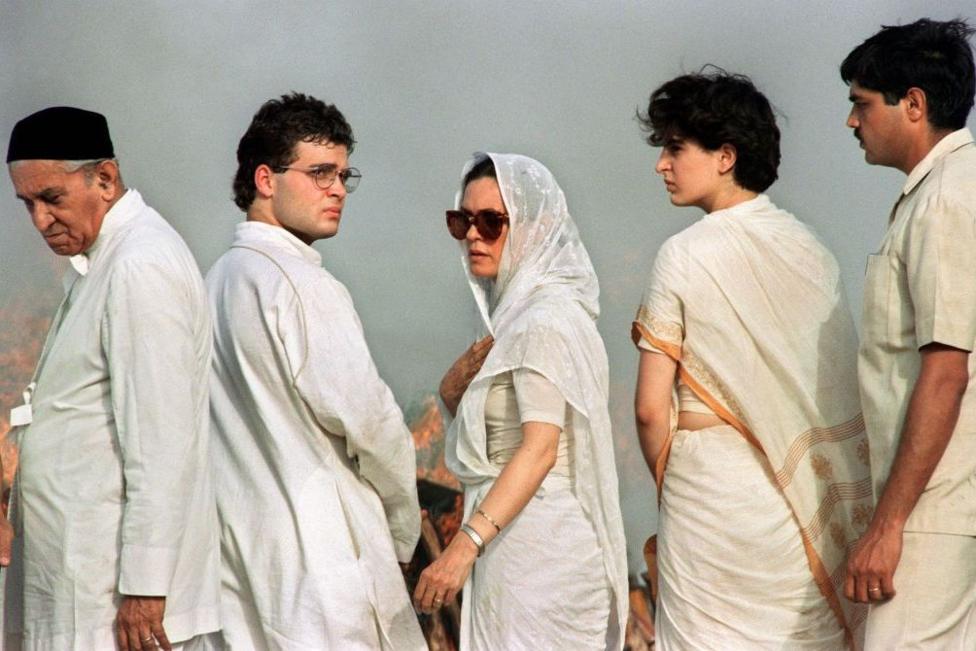
1991年拉吉夫·甘地葬礼上,索尼娅·甘地(中)与女儿普里扬卡和儿子拉胡尔在一起。她转而选择辛格,一位受过训练的经济学家、也是党内成员,称他是一个“无可指摘”的人,对“治理有着深刻而透彻的理解”。
Sonia Gandhi (centre), with daughter Priyanka and son Rahul, at the funeral of Rajiv Gandhi in 1991 She chooses Singh, a trained economist and a party member, instead, describing him as a man "above reproach", with a "deep and consummate understanding of governance".
这本书最能说明问题的部分,是从家族记忆转向她认为已经失去的那个印度。
The book is at its most revealing when it turns from family memory to the India she believes has been lost.
索尼娅说,当她进入公共生活时,议会政治中还有“某种体面和礼仪”。
Sonia says that when she entered public life there was "a certain decency and decorum in parliamentary politics".
政治攻击和尖刻言辞并不新鲜,但她看到掌权者中有一种更强烈的欲望,“要贬低和折磨那些与他们不同的人,恐吓那些他们视为对手的人”。她说,这是更广泛的国际趋势的一部分,正滑向“伴随威权政权而来的冷酷无情”。
Political attacks and harsh words were not new, but she sees a sharper appetite among those in power "to belittle and torment those who differ from them, to intimidate those they perceive as opponents". It is, she says, part of a wider international drift towards "a heartlessness that accompanies authoritarian regimes".
她对印度教民族主义政党印度人民党总理纳伦德拉·莫迪的刻画异常直接。
Her portrait of prime minister Narendra Modi of the Hindu nationalist BJP is unusually direct.
她写道,除了在议会场合的正式问候以及她出院时偶尔的问候——“Theek hain, aap”(“你还好吗?”)——之外,两人“几乎没有任何真正的接触”。“他往往会把目光移开,”她说,“避免眼神交流。”索尼娅·甘地与曼莫汉·辛格。2004年国大党重新执政时,她拒绝出任总理,转而选择辛格担任该职。她写道,莫迪心目中的印度是由国民志愿服务团(RSS)塑造的,“肯定了一种原教旨主义,在这种原教旨主义中,他的信仰和文化凌驾于所有其他信仰和文化之上”。
The two have had "practically no real contact", she writes, beyond formal greetings at parliamentary gatherings and occasional exchanges - " Theek hain, aap " ("Are you all right?") - when she returned from hospital. "He tends to look away," she says, "avoiding eye contact." Sonia Gandhi with Manmohan Singh, whom she chose as prime minister after declining the post herself when Congress returned to power in 2004 Modi's idea of India, she writes, was shaped by the Rashtriya Swayamsevak Sangh (RSS) and "affirmed a fundamentalism in which his faith and culture superseded all others".
他的印度是“等级、秩序和控制”的印度;她的印度则是“反对霸权的印度”,代表“包容、世俗主义和社会正义”。
His is an India of "hierarchy, order, and control"; hers is "an India against hegemony", standing for "inclusiveness, secularism, and social justice".
在这场论战之中有一处引人注目的让步——她说她理解莫迪“对我们这个时代的统治精英的不适”。
There is a striking concession amid the polemic - she says she understood Modi's "discomfort with the ruling elite of our times".
索尼娅说,她在德里特权阶层的客厅里感到不自在,那里的政治谈话似乎“与印度的现实相去甚远”。
Sonia says she felt uneasy in Delhi's privileged drawing rooms, where political conversation seemed "very far removed from the reality of India".
她写道,莫迪的出身“可能不像他的公关团队”所暗示的那样卑微,但他“确实是从一个贫困的世界一路奋斗,在RSS内部攀上了权力”。这是对国大党建制派与莫迪后来所代表的选民之间社会距离的罕见承认。这本回忆录还让人一窥索尼娅与世界领导人的一些接触。
Modi's origins, she writes, "may not be as humble as his PR team" suggests, but he "had certainly worked his way to power within the RSS from an underprivileged world". It is a rare acknowledgement of the social distance between the Congress establishment and the electorate Modi came to represent. The memoir also offers some glimpses of Sonia's encounters with world leaders.
她记得弗拉基米尔·普京是个“很有魅力的人”,曾带她在圣彼得堡乘船游览,沿途指点各处纪念碑。她说,普京对地缘政治的把握以及他“恢复俄罗斯昔日强国地位的决心”令她印象深刻——“那是在乌克兰战争很久之前,一个不同的时代”。
She remembers Vladimir Putin as an "engaging personality" who took her on a boat ride in St Petersburg, pointing out monuments along the way. She says she was impressed by his grasp of geopolitics and his "determination to restore Russia to its former powerful status" - "long before the Ukraine war, a different era".
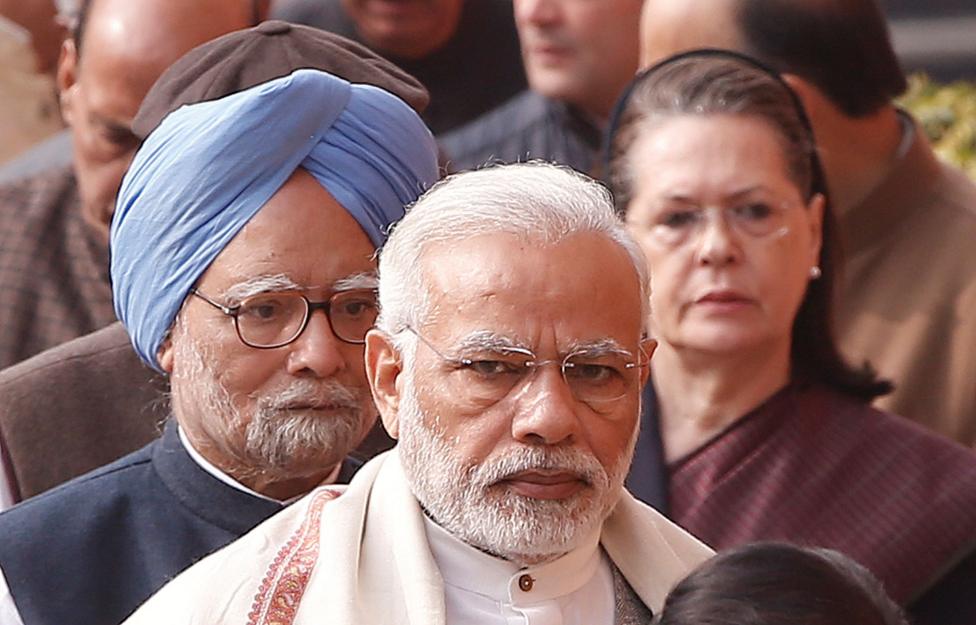
索尼娅·甘地写道,她和莫迪总理(前景)之间“几乎没有任何真正的接触”。一次更有趣的接触涉及法国的尼古拉·萨科齐。2008年萨科齐访问印度时没有带上他当时的伴侣卡拉·布吕尼,因为两人当时尚未结婚。
Sonia Gandhi writes that she and PM Modi (foreground) have had "practically no real contact" A more amusing encounter involved France's Nicolas Sarkozy, who arrived in India in 2008 without his then partner Carla Bruni because they were unmarried.
在一场国宴上,印度副总统的妻子兴致勃勃地盘问他何时打算娶她、他是否想念她、以及日期是否已定。萨科齐一边在手机上给布鲁尼发短信,一边顺从地回答了她的问题。
At a state banquet, the Indian vice-president's wife cheerfully grilled him about when he planned to marry her, whether he missed her and whether a date had been fixed. Sarkozy obligingly answered her questions while messaging Bruni on his phone.
归属感并非一段中立的历史。博福斯炮丑闻重创了拉吉夫·甘地政府,并困扰这个家族数十年,书中对此却相对一笔带过。
Belonging is not a neutral history. The Bofors gun scandal, which badly damaged Rajiv Gandhi's government and dogged the family for decades, gets a relatively brief treatment.
这本502页的回忆录,对于国大党自身不光彩的记录则避而不谈。索尼娅大谈对手统治下的政治腐败、虚伪和公共道德沦丧,却基本绕开了国大党执政期间盛行的裙带关系、任人唯亲和腐败文化。对于国大党自身在公众信任瓦解中应承担的责任,书中也鲜有反省。
The 502-page memoir is less forthcoming about the less flattering aspects of Congress's own record. Sonia has much to say about political corruption, hypocrisy and the decline of public standards under her opponents, but largely sidesteps the culture of patronage, cronyism and corruption that dogged Congress during its years in power. There is little reckoning, either, with the party's own share of responsibility for the erosion of public trust.
她竭力捍卫丈夫和岳母的政治遗产,即使他们建立的政党已陷入长期衰退。她讲述的故事,既关乎承担这一遗产的代价,也关乎一位自称从未想过要过上这种生活的女性。
She is at pains to defend the political inheritance of her husband and mother-in-law, even as the party they built has suffered a prolonged decline. The story she tells is as much about the costs of carrying that inheritance as it is about a woman who says she never wanted the life she ended up leading.
这让回忆录的最后几页笼罩着挥之不去的忧伤。现年79岁的索尼娅是联邦院(议会上院)议员。55岁的拉胡尔是四届下院议员兼反对党领袖;53岁的普里扬卡也是议会议员。
That gives the memoir's final pages an unmistakable melancholy. Sonia, 79, is now a member of the Rajya Sabha, the upper house of parliament. Rahul, 55, is a four-term MP and leader of the opposition; Priyanka, 53, is also a member of parliament.
索尼娅说,挑战在于在痛苦与失去、胜利与失败、以及政治所要求的周旋中,始终忠于“一个公正而人道的社会”。但她结尾时既非凯歌高奏,也没有表达出历史将为她正名的把握。
Sonia says the challenge was to remain faithful to "a just and humane society", through pain and loss, victory and defeat, and the manoeuvring that politics demands. But she ends not with triumph, nor even with the assurance that history will vindicate her.
“此刻我觉得,尽管我竭尽全力,却未能击退我立志要对抗的那些力量。”
"At this moment it seems to me that, although I tried my best, I didn't succeed in beating back the forces I'd set out to fight."