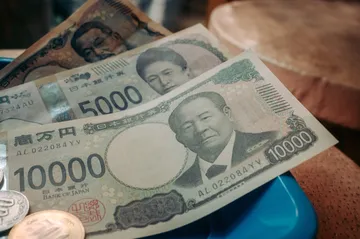
日元徘徊在关键的160日元兑1美元关口附近,令东京决策者面临再度出手支撑货币的压力。
The yen is near the key 160-per-dollar threshold, putting renewed pressure on policymakers in Tokyo to step in and support the currency.
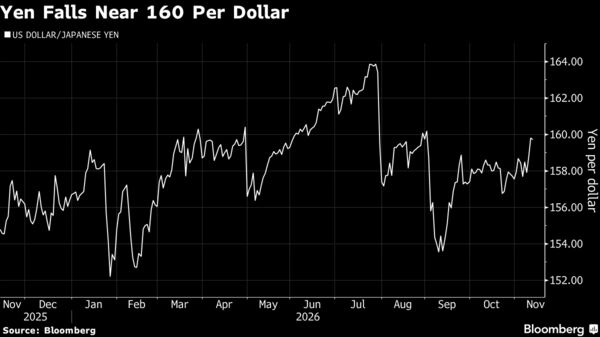
日本货币在隔夜一度下跌多达0.8%至159.94日元兑1美元后企稳,打破了近几周来维持的窄幅震荡区间。此举源于美元因美国通胀数据高于预期而走强,助长了市场押注美联储可能需要进一步加息。
Japan’s currency stabilized after falling as much as 0.8% to 159.94 per greenback overnight, breaking out of the tight range that had prevailed in recent weeks. The move came as the dollar strengthened after hotter-than-expected US inflation fueled bets that the Federal Reserve may need to raise interest rates further.
周四,在日本财务省财务官三村淳表示,他强烈感觉到过去几天外汇走势过快后,日元微涨0.1%至159.63。
The yen edged 0.1% higher to 159.63 on Thursday after Japan’s chief currency official Atsushi Mimura said that he has the strong impression that the last few days’ foreign exchange moves are too fast.
日本央行行长植田和男在央行10月会议维持利率不变后,为进一步加息留有余地,但美联储重启紧缩的前景有再度扩大美日利差、增加日元下行压力的风险。最新的疲软也标志着近几周走势的逆转,当时日元在股市动荡期间恢复了部分传统避险吸引力。
Bank of Japan Governor Kazuo Ueda has kept the door open to further hikes after the central bank held rates steady at its October meeting, but the prospect of renewed Fed tightening risks widening the US-Japan rate differential again and adding to downward pressure on the yen. The latest weakness also marks a reversal from recent weeks, when the currency regained some of its traditional haven appeal during bouts of equity-market turmoil.
澳大利亚联邦银行策略师Carol Kong表示:“美元兑日元的最新反弹凸显了日元多大程度上仍受制于不断变化的美联储预期。即使日本央行加快加息步伐,仍难以在鹰派立场上超越美联储。”
“The latest rally in USD/JPY underscores just how much the yen remains hostage to shifting Fed expectations. Even as the BOJ steps up the pace of rate hikes, it is still struggling to out-hawk the Fed,” said Carol Kong, strategist at Commonwealth Bank of Australia.
她补充道:“若快速突破关键的160关口,将在东京敲响警钟。我们几乎肯定会看到日本官员很快加大对日元疲软的警告力度。”
“A rapid break above the key 160 level would set alarm bells ringing in Tokyo. We will almost certainly see Japanese officials ramp up their warnings against the yen weakness soon,” she added.
虽然政府官员强调,触发干预的是汇率变动的速度和无序程度,而非任何特定水位,但跌破160可能考验他们的容忍度。市场观察人士将该水位视为日本当局潜在的“红线”,今年早些时候跌破该水位曾引发干预。
While government officials have emphasized it’s the speed and disorderliness of currency moves rather than any specific level that triggers intervention, a breach of 160 could test their tolerance. Market watchers have viewed the level as a potential line in the sand for Japanese authorities, with moves past that level prompting intervention earlier this year.
东京和华盛顿于7月下旬实施了自1998年以来的首次联合干预以支撑日元,此前该货币跌至1980年代以来的最低水平,令做空日元者面临的风险加大。这个亚洲国家在夏季期间三次干预货币市场以撑起日元,期间累计斥资15.4万亿日元(约合964亿美元)。
Tokyo and Washington in late July conducted their first joint intervention to support the yen since 1998 after the currency tumbled to its lowest since the 1980s, raising the stakes for anyone betting against the yen. The Asian nation intervened in the currency market three times over the summer to prop up the yen, spending a total of ¥15.4 trillion ($96.4 billion) over the period.
9月,美国总统唐纳德·特朗普在纽约与日本首相高市早苗会晤时,对日元疲软表示担忧。财务大臣片山沙月和美国财政部长斯科特·贝森特均已表示,如有必要愿意再次干预。
In September, US President Donald Trump expressed concern about the weakness of the yen during a meeting with Japanese Prime Minister Sanae Takaichi in New York. Finance Minister Satsuki Katayama and US Treasury Secretary Scott Bessent have both signaled a willingness to intervene again if necessary.
贝森特多次表达对日元走强的支持,并实际上向交易员发出挑战,考验其决心;片山则警告投机者,她已准备好在必要时再次在货币市场采取行动。
Bessent has repeatedly voiced support for a stronger yen and has effectively challenged traders to test his resolve, while Katayama has warned speculators that she was prepared to take action in the currency market again if needed.