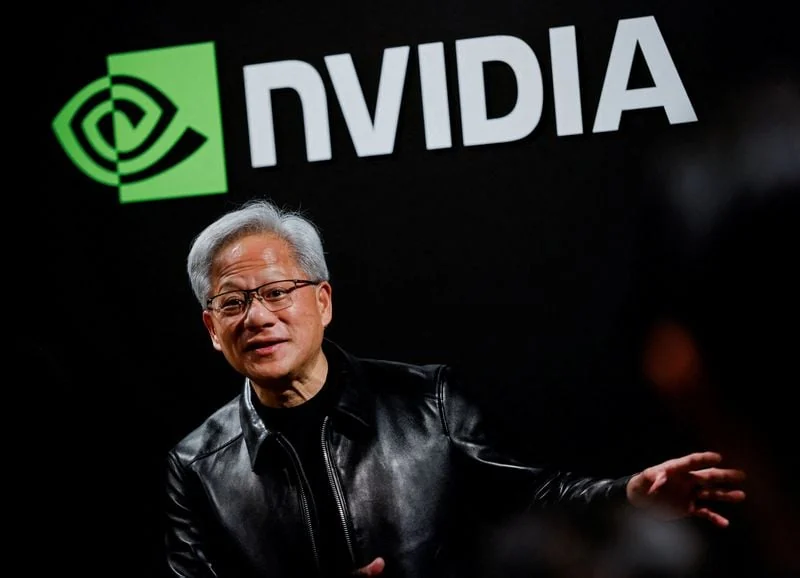
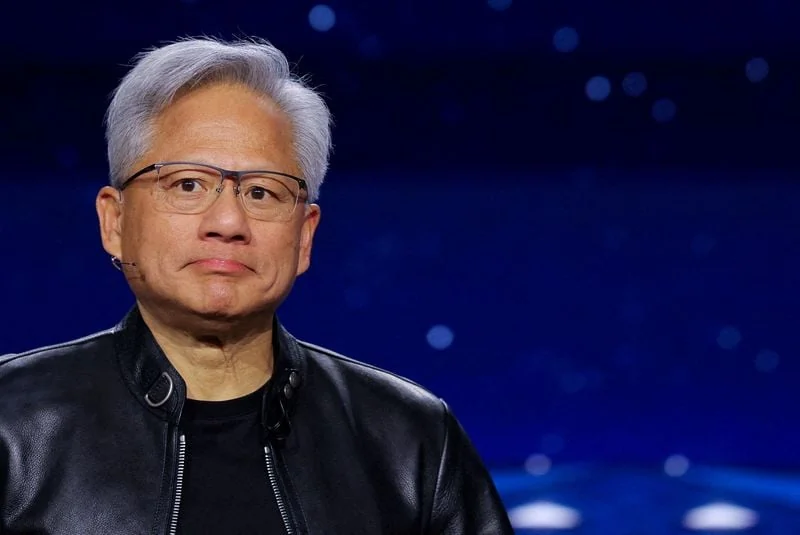
Investing.com -- 黄仁勋已辞去英伟达公司(纳斯达克代码:NVDA)首席执行官一职,杰富瑞集团表示,此举凸显地缘政治风险加剧,可能导致美国对向中国出口人工智能芯片实施更严格的限制。
Investing.com -- Jensen Huang has resigned as CEO of Nvidia Corp (NASDAQ:NVDA), a move that Jefferies says points to increasing geopolitical risks that could lead to stricter US restrictions on AI chip exports to China.
据杰富瑞集团称,美国商务部正准备最终确定规则,以防止中国公司在东南亚远程获取先进人工智能芯片。《MATCH法案》也可能在民主党控制的国会下更快推进。特朗普可能面临越来越大的压力,不得不放行这些措施。
The US Department of Commerce is preparing to finalize rules that would prevent Chinese companies from remotely accessing advanced AI chips in Southeast Asia, according to Jefferies. The MATCH Act could also move forward more quickly under the Democrat-controlled Congress. Trump may face growing pressure not to block these measures.
黄仁勋在对华政策上的观点曾与特朗普的路线一致。黄仁勋反对对向中国出口人工智能芯片实施管制,理由是此类限制将推动中国加快创新,并给美国带来竞争。特朗普2025年决定废除拜登的《人工智能扩散规则》,反映了类似的信念,即美国技术的更广泛采用将使美国在全球拥有更多杠杆作用。
Huang’s views on China policy had been aligned with Trump’s approach. Huang opposed export controls on AI chips to China, arguing that such restrictions would push China to innovate faster and create competition for the US. Trump’s 2025 decision to abandon Biden’s AI Diffusion Rule reflected a similar belief that wider adoption of US technology would give the US more leverage globally.
黄仁勋的离职发生在民主党赢得中期选举之后。围绕黄仁勋的丑闻引发了人们对出口管制中两个漏洞的关注:执法失效导致多达24万颗英伟达人工智能芯片流向中国,以及中国公司通过由中国控制实体运营的“新云”在东南亚获取先进英伟达芯片。
Huang’s departure comes after Democrats won the midterm elections. The scandal surrounding Huang has brought attention to two gaps in export regulations: enforcement failures that allowed up to 240,000 Nvidia AI chips to be diverted to China, and Chinese companies accessing advanced Nvidia chips in Southeast Asia through neoclouds operated by China-controlled entities.
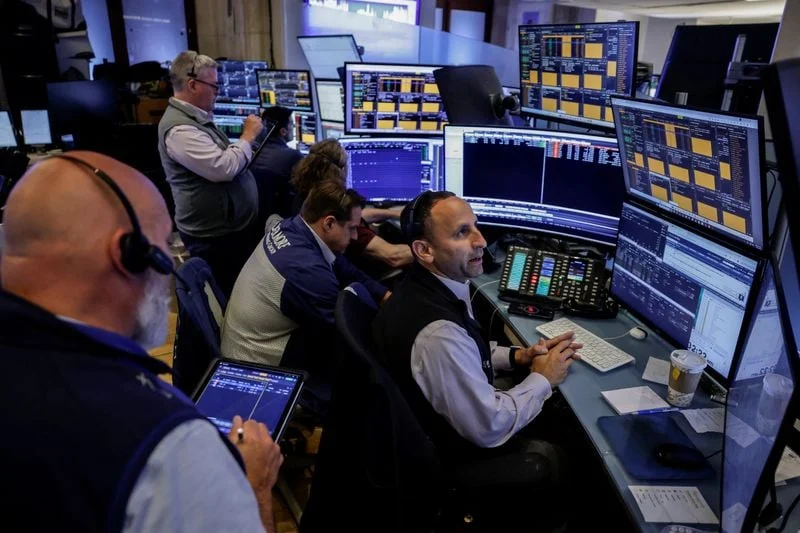
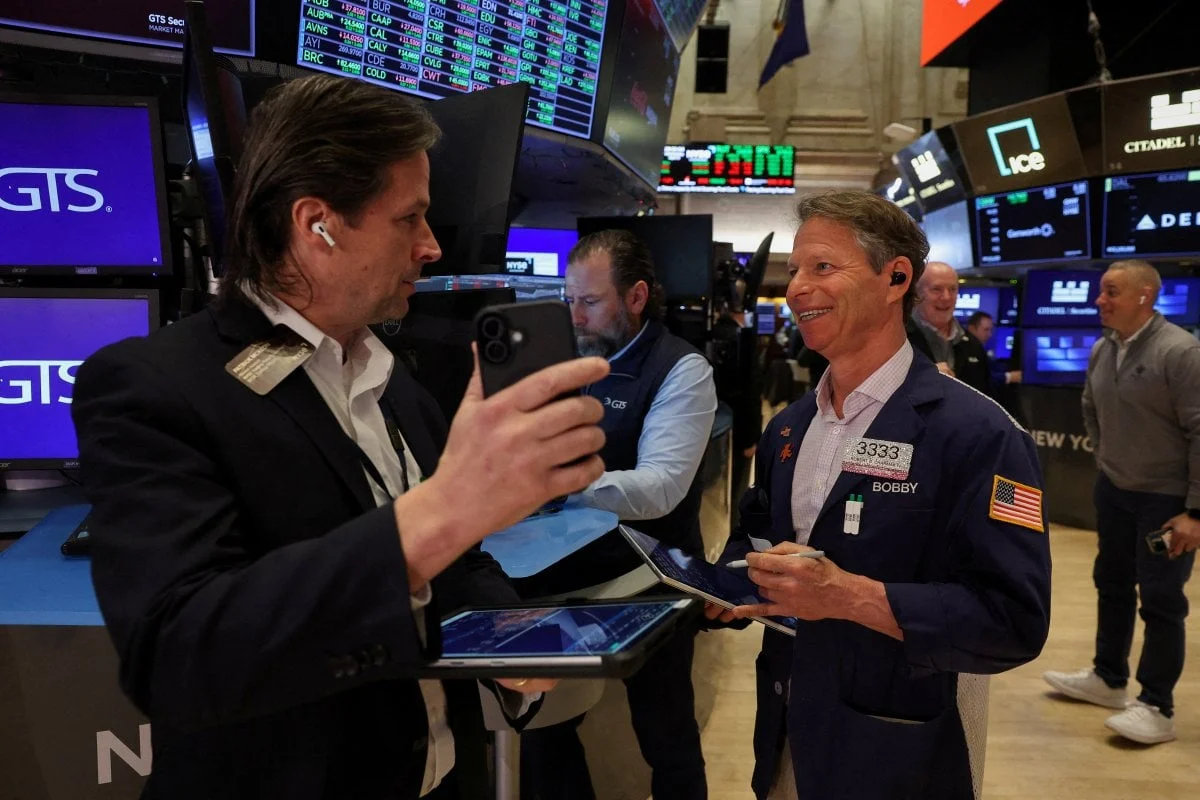
据《The Information》报道,商务部正在最终确定一项规则,将禁止中国公司在东南亚获取先进人工智能芯片。该规则将禁止包括新加坡、马来西亚、印度尼西亚和泰国在内的七个国家的公司向中国公司提供GPU租赁或云服务。这些公司将需要向工业与安全局披露客户详细信息。
The Department of Commerce is finalizing a rule that would block Chinese firms from accessing advanced AI chips in Southeast Asia, according to The Information. The rule would prohibit companies in seven countries, including Singapore, Malaysia, Indonesia and Thailand, from offering GPU leasing or cloud services to Chinese companies. These companies would need to disclose customer details to the Bureau of Industry and Security.
据杰富瑞集团与华盛顿智库的对话,美国政府运营的美国人工智能芯片位置追踪系统建设工作正在完成中。
Work is being completed on a location tracking system for US AI chips that would be operated by the US government, according to Jefferies’ conversations with Washington think tanks.
杰富瑞维持对中国半导体加工设备制造商中微公司(ACMR)和北方华创(AMEC)的积极看法,理由是逻辑芯片和存储芯片晶圆厂产能扩张将带来多年增长。
Jefferies maintains its positive view on Chinese semiconductor processing equipment makers ACMR and AMEC, citing multi-year growth tied to foundry capacity expansion in logic and memory.
本文在人工智能辅助下生成,并经编辑审核。详情请参阅我们的条款与条件。
This article was generated with the support of AI and reviewed by an editor. For more information see our T&C.