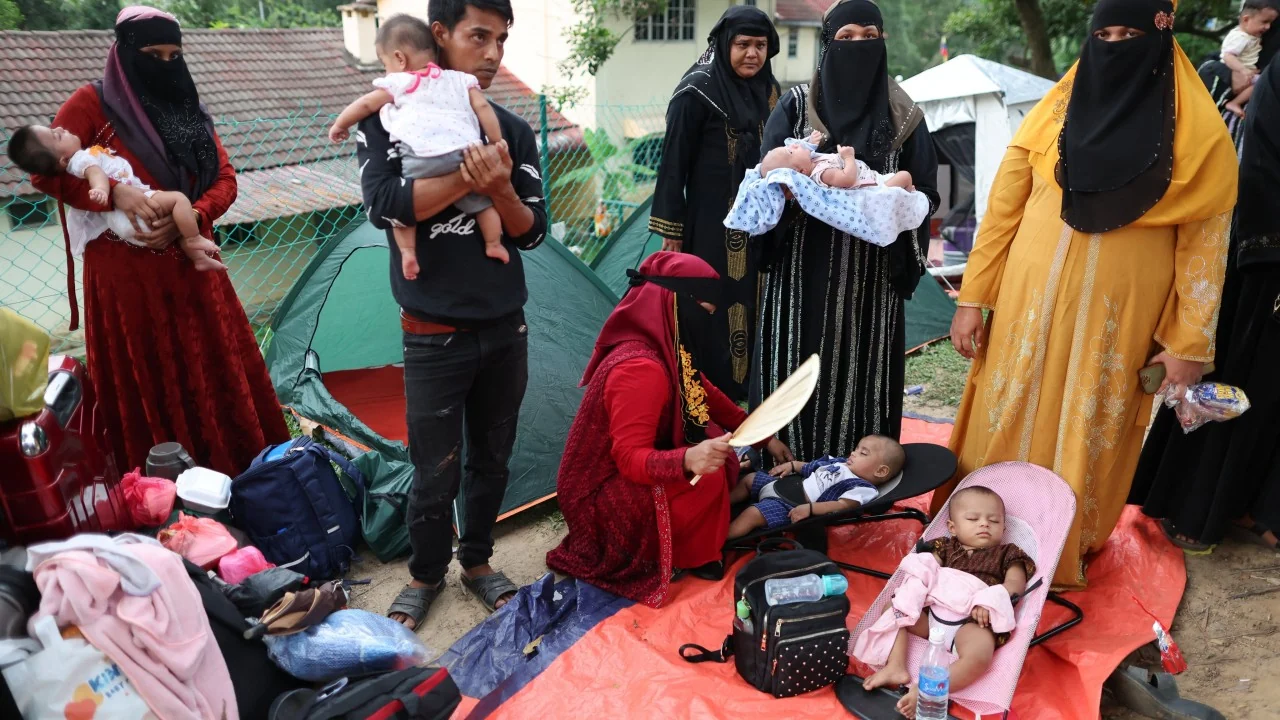
马来西亚计划允许已登记难民合法工作,令长期依赖不稳定非正规就业维生的难民群体燃起希望,尽管泰国的经验表明,这一举措只是解决方案的一部分。
Malaysia’s plans to allow registered refugees to work legally have raised hopes among their communities that have long relied on precarious informal employment to survive, even as Thailand’s experience suggests that such a move is only part of the solution.
据报道,泰国去年推出的一项计划下,已有数千名难民从事正规工作。至于马来西亚的举措,难民权益倡导者表示,要使其奏效,将需要明确的登记程序和工作场所保障措施。
Thailand has reportedly thousands of refugees taking up formal jobs under a scheme introduced last year. As for Malaysia’s initiative, refugee advocates say it will need clear registration procedures and workplace safeguards to make it work.
10月30日,马来西亚内政部表示,难民可在其难民登记文件计划(DPP)下获准有条件地从事正规就业。该系统于今年1月推出,旨在向难民发放文件、核实身份并确定其身份地位。
On October 30, Malaysia’s home ministry said refugees could be granted conditional access to formal employment under its refugee registration document programme, known as DPP, a system introduced in January to refugees, verify their identities and determine their status.
内政部称,就业将是临时性的、受限的,并需联邦政府批准,并补充说,该安排旨在解决劳动力短缺问题,同时优先考虑马来西亚工人。内政部强调,DPP登记并不自动赋予工作权利,也不提供获得永久居留权或公民身份的途径。
Employment would be temporary, restricted and subject to federal approval, the ministry said, adding that the arrangement was intended to address labour shortages while prioritising Malaysian workers. It stressed that DPP registration did not automatically confer the right to work or offer a pathway to permanent residency or citizenship.
根据泰国的计划,获登记并居住在泰缅边境难民营的难民可获准在难民营外合法就业,这种做法作为该地区可能的榜样而受到关注。
Under its programme, Thailand allows registered refugees living in camps along its border with Myanmar to take up legal employment outside the camps, an approach that has drawn attention as a possible model for the region.
6月,联合国难民署运营助理高级专员Raouf Mazou在路透社的一篇报道中被引述说:“如果它(泰国模式)在这里奏效,将对该地区产生影响。”该报道指出,马来西亚和孟加拉国是可能从该倡议中汲取经验的国家。
In June, Raouf Mazou, assistant high commissioner for operations at UNHCR, was quoted in a Reuters report saying that “if it [Thailand’s model] works here, it will have an impact on the region”. The report identified Malaysia and Bangladesh as countries that could draw lessons from the initiative.
拥有人道主义工作、传播和社区倡导经验的罗兴亚难民Nur Sadek表示,马来西亚的计划为目前没有合法工作途径的难民提供了获得更稳妥就业的前景。
Nur Sadek, a Rohingya refugee who has experience in humanitarian work, communications and community advocacy, said Malaysia’s plan offered the prospect of more secure employment for refugees who currently had no means of working legally.
他说,文件方面的不确定性持续限制着机会,削弱了难民与雇主谈判的能力。
Uncertainty over documentation continued to limit opportunities and weaken refugees’ ability to negotiate with employers, he said.
“即使你符合某个职位的资格,雇主也可能因为你的文件问题而不愿雇佣你。这意味着人们有时不得不接受低于其资历的工作,或在保护非常有限的行业工作,”努尔·萨德克说。
“Even when you are qualified for a position, employers may be reluctant to hire you because of your documentation. This means that people sometimes have to accept jobs below their qualifications or work in sectors where they have very limited protection,” Nur Sadek said.
马来西亚难民研究者蔡慧茵表示,泰国的经验为难民就业所需的实际安排提供了借鉴,包括政府机构、雇主、人道主义组织和难民主导团体之间的协调。
Chuah Hui Yin, a Malaysian refugee researcher, said Thailand’s experience offered lessons in practical arrangements needed for refugees to work, including coordination between government agencies, employers, humanitarian organisations and refugee-led groups.
根据马来西亚内政部的说法,资格将仅限于2023年1月1日前已在该国的难民,联合国难民署的文件不会自动使某人具备资格。
According to Malaysia’s home ministry, eligibility would be limited to refugees who were in the country before January 1, 2023, and documentation from the UN refugee agency would not automatically qualify someone.
内政部将DPP卡归类为移民法下的临时特别通行证,附带条件且可能被撤销。
The ministry classifies the DPP card as a temporary special pass under immigration laws, subject to conditions and possible withdrawal.
根据内政部长赛夫丁·纳苏迪安·伊斯梅尔于10月27日提交的书面国会答复,持卡人的活动范围限于指定区域,跨州移动需要移民局批准。他们的卡片必须每年更新一次。
Cardholders’ movements are limited to designated zones, with travel between states requiring the immigration department’s permission, according to a written parliamentary reply on October 27 by Home Minister Saifuddin Nasution Ismail. Their cards must be renewed annually.
努尔·萨德克说,对于试图了解该计划如何运作的难民来说,基本信息仍然匮乏。
For refugees trying to understand how the programme would work, basic information remains scarce, Nur Sadek said.
“据我所知,我没有遇到任何来自罗兴亚社区、已获得DPP文件的人,”他说。
“As far as I know, I have not encountered anyone from the Rohingya community who has received DPP documentation,” he said.
他补充说,人们不清楚如何申请、谁符合资格,以及何时能在拘留中心外进行登记,并呼吁建立透明的申请程序,并提供难民能听懂的语言版本信息。
People were unsure how to apply, who would qualify and when registration would be available outside detention centres, he added, calling for transparent application procedures and information in languages to help refugees understand.
副总理阿末扎希于10月26日表示,该计划仍处于第一阶段,涵盖被关押在移民局羁押中心的人员,未来不久可能延伸至居住在羁押中心外的持有联合国难民署卡者。
Deputy Prime Minister Ahmad Zahid Hamidi said on October 26 that the programme remained in its first phase, covering people held in immigration depots, and could extend to UNHCR cardholders living outside the depots “in the near future”.
副外长鲁卡尼斯曼·阿旺·沙乌尼于11月3日在国会表示,“自1月以来约有147名难民已完成登记”,并归因于政府人手短缺。
On November 3, Deputy Foreign Minister Lukanisman Awang Sauni said in parliament that “about 147 refugees had been registered since January”, citing a shortage of government staff.
由公民社会联盟“终止羁押网络”(EDN)进行的一项研究将DPP描述为数十年来马来西亚难民治理最重大的转变。该研究建议公布DPP程序,并向居住在社区中的寻求庇护者开放登记。
A study by a civil society coalition, the End Detention Network (EDN), has described DPP as the most significant shift in Malaysian refugee governance in decades. It recommended publishing DPP procedures and opening registration to asylum seekers living in the community.
蔡女士表示,她的理解是DPP主要作为一项登记行动运作,而相关权利仍不明确。她补充说,若缺乏坚实的法律依据,有关安排可能会被更改或撤回。
Chuah said her understanding was that DPP functioned primarily as a registration exercise, while the associated rights were still unclear. Without firm legal grounding, arrangements could be changed or withdrawn, she added.
蔡女士说,将就业合法化可减少为生存而从事非正规工作的难民遭受剥削的情况,但她质疑这些难民是否会轻易信任由移民当局主导的程序——他们将移民当局与逮捕和羁押联系在一起。
Formalising work, Chuah said, could reduce exploitation among refugees who turned to informal work to survive, but she questioned whether they would easily trust a process administered by immigration authorities they associated with arrest and detention.
此外,合法就业只是保护的一个方面,仅靠收入无法解决入学、医疗费用或其法律地位等其他障碍。“我认为生计只是整体保护的一个部分,”她说。
Moreover, legal employment was only one aspect of protection, and income by itself would not resolve other barriers like schooling, medical bills or their legal status. “I think livelihood is only really, like one part of overall protection,” she said.
努尔·萨德克表示:“对许多难民而言,举报雇主剥削或拖欠工资不仅仅是一个就业决定。这也可能引发对其移民身份和人身安全的担忧。”他呼吁提供书面合同、公平工资以及无需冒被羁押风险即可举报虐待的渠道,并让工人能够更换雇主。EDN的研究同样建议允许在雇主间流动、落实可强制执行的劳工保护以及获得救济途径。
Nur Sadek said: “For many refugees, reporting an employer for exploitation or unpaid wages is not simply an employment decision. It can also raise concerns about their immigration status and personal safety.”He called for written contracts, fair wages and a way to report abuse without risking detention, and for workers to be able to change employers. The EDN study similarly recommends mobility between employers, enforceable labour protections and access to remedies.
联合国难民署(UNHCR)在一份声明中说,截至9月10日,已有超过6000名来自缅甸的难民在泰国“进入劳动力市场”,距离曼谷允许长期滞留难民工作已过去一年。今年发放的身份证件还让难民得以使用银行和电信服务。
In a UNHCR statement, over 6,000 refugees from Myanmar had “entered the workforce” in Thailand by September 10, a year after Bangkok allowed long-staying refugees to work. Identity cards issued this year also opened access to banking and telecommunications.
“工作权是基础,而非终点,”联合国难民署亚太地区主任海京俊(Hai Kyung Jun)说。
“The right to work is the foundation, not the finish line,” said Hai Kyung Jun, UNHCR’s regional director for Asia and the Pacific.
非营利组织“边境联盟”(The Border Consortium,简称TBC)执行总监莱昂·德·里德马滕(Leon de Riedmatten)引用泰国就业部门的数据称,目前有超过7000名难民在难民营外工作并养家糊口。里德马滕将过去一年描述为“历史性且压倒性积极的进步”,此前难民已有数十年没有合法工作权。
Leon de Riedmatten, executive director of the non-profit The Border Consortium (TBC), cited figures from Thailand’s department of employment showing that there were over 7,000 refugees currently working outside the camps and supporting their families. De Riedmatten described the past year as a “historic and overwhelmingly positive step forward” after decades without a legal right to work.
他说,一些难民因对工作或住宿不满,或因其他劳资纠纷,已辞职返回难民营。此后许多人已找到新雇主并恢复工作。
Some refugees had left their jobs and returned to camp because they were unhappy with the work or accommodation, or over other employment-related disputes, he said. Many had since found new employers and resumed working.
他说,准入仍不均等,未获泰国内政部登记的难民无法参与,且女性难民机会较少,因为许多工作集中在建筑和农业领域。
Access remained uneven, he said, as refugees without the Thai interior ministry’s registration could not participate, and female refugees had fewer opportunities because many jobs were in construction and agriculture.
他指出:“但许多雇主仍不知情,他们其实可以合法雇佣难民。”并提到难民营居民中包括教师、医护人员和行政人员。
“Yet many employers are still unaware that they can legally hire refugees at all,” he said, noting that camp residents included teachers, health workers and administrators.
里德马滕欢迎各部委于11月6日提出的修改建议,即允许在设有难民营的县内工作,并将就业许可期限从一年延长至两年。他说,在离家更近的地方工作将特别有助于女性和承担照护责任的人。
De Riedmatten welcomed changes proposed by ministries on November 6 to allow work within the districts holding the refugee camps and extend permission for the employment period from one year to two. Working closer to home would particularly help women and people with care responsibilities, he said.
目前,边境联盟仍向超过1.5万名难民提供每月食物援助,其中包括老年人以及因残疾或慢性病无法工作的人。
Currently, TBC still provides monthly food help to more than 15,000 refugees, including older people and those unable to work because of disabilities or chronic illness.
德·里德马滕警告说,不应直接将泰国与马来西亚进行比较,因为两国的难民群体处于不同的境况之中。
De Riedmatten cautioned against drawing direct comparisons between Thailand and Malaysia, whose refugee populations lived under different circumstances.
蔡女士指出,马来西亚的难民已经在非正式部门工作,而不像泰国的难民那样拥有以营地为基础的援助体系。
Chuah noted that refugees in Malaysia were already working informally, without the camp-based aid system available to those in Thailand.
她说,这两个国家在向难民开放就业方面似乎也有不同的优先考量。
The two countries also appeared to have different priorities in opening employment to refugees, she said.
蔡女士认为,泰国的政策部分是由劳动力需求驱动的,其中包括2025年边境冲突期间柬埔寨移民工人的离开。她表示,人道主义资金缩减以及难民将在该国长期停留的认知也是因素。
Chuah viewed Thailand’s policy as driven partly by labour demand, including the departure of Cambodian migrant workers during the 2025 border conflict. Shrinking humanitarian funding and recognition that refugees would remain in the country long-term were also factors, she said.
“就马来西亚而言,关键在于安全,”蔡女士说,并指向官方关于管控、遣返和重新安置的表述。“[在泰国,]解决办法不是把他们送回去。但对马来西亚来说,我们仍然认为,好吧,解决办法是他们总有一天会回去。”她说,无论动机如何,政策都需要考虑到难民的家庭和社区联系。如果正式就业提供的额外保障很少,难民就看不出有什么理由离开非正规经济。
“For Malaysia, it’s about security,” Chuah said, pointing to official messaging on control, repatriation and resettlement. “[In Thailand,] the solution is not to send them back. But for Malaysia, we still think like, OK, the solution is they will go back one day.”Whatever the motive, she said, policies needed to factor in the family and community ties of refugees. If formal employment offered little additional security, refugees could see little reason to leave the informal economy.
“最简单的办法,实际上就是看有多少人报名,以及有多少人留下来,”她说。
“The easiest way is really just to look at how many people sign up for it and how many people stay,” she said.
努尔·萨德克表示,他将根据工作稳定性、工资、合同和救济渠道来评判该计划,而不是看注册人数。
Nur Sadek said he would judge the programme by job stability, wages, contracts and access to remedies rather than the number of registrations.
“如果难民被绑定在一个雇主身上,无法离开虐待性的工作场所,那么正式就业可能会无意中造成另一种形式的脆弱性,”他说。
“If a refugee is tied to one employer and cannot leave an abusive workplace, then formal employment could unintentionally create another form of vulnerability,” he said.