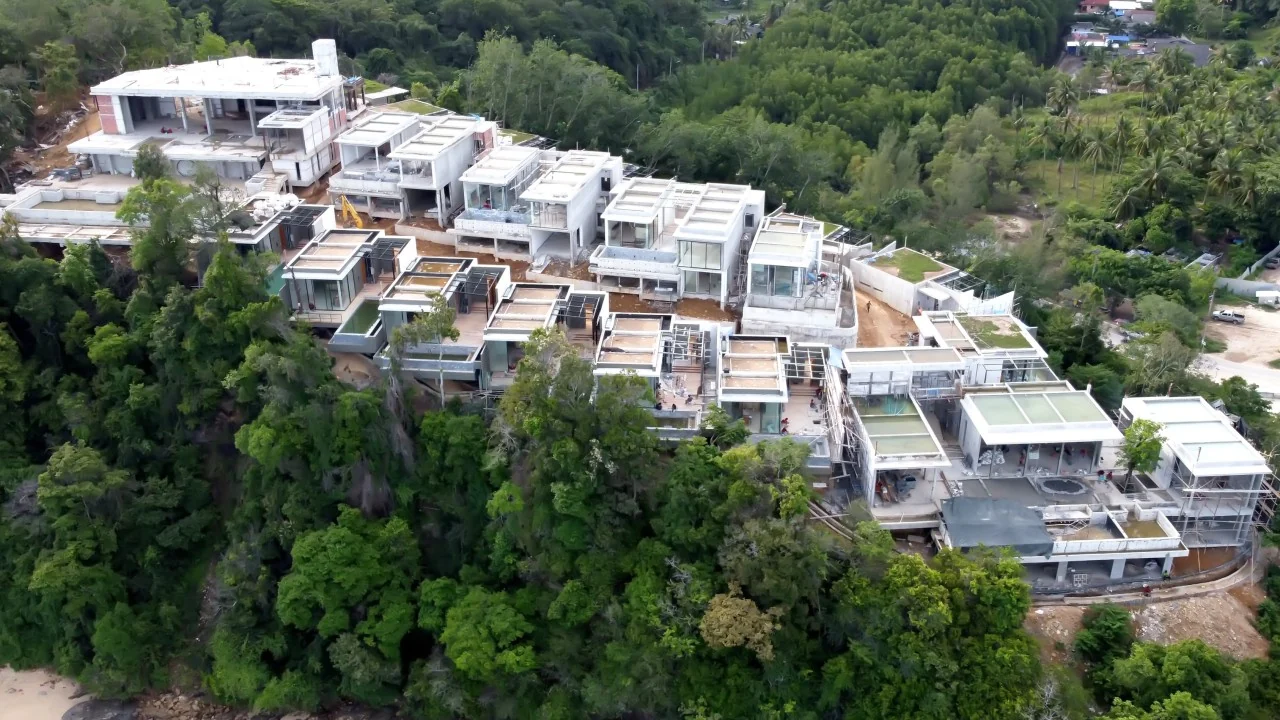
越来越多自以为在泰国拥有房产的外国人发现,他们从未在法律上真正拥有过这些房产。
A growing number of foreigners who thought they owned a home in Thailand are discovering they never legally did.
这东南亚国家为期一年的打击非法外国人持有房产行动,已导致没收、逮捕和起诉。
A year-long crackdown on illegal foreign property ownership in the Southeast Asian nation has led to confiscations, arrests and prosecutions.
“外面充满了困惑、恐惧和失眠之夜,”英国人布莱恩·兰斯登说,他因在社交媒体上就此事发表冷静客观的解读而成为值得信赖的声音。
“There’s a lot of confusion, fear and sleepless nights going on out there,” said Brian Ramsden, a Briton who has become a trusted voice on social media for his measured explainers on the subject.
“有人被迫在12个月内出售房产,”他告诉《本周亚洲》。“其他人则被夺走了房子。” “外面充满了困惑、恐惧和失眠之夜” 布莱恩·兰斯登,Lawyers for Expats Thailand 泰国法律禁止外国人拥有土地。除非获得特定的投资豁免,否则他们也不能持有泰国公司的多数股权。
“Some people are having to sell their properties within 12 months,” he told This Week in Asia. “Others have had their houses taken away.”There’s a lot of confusion, fear and sleepless nightsBrian Ramsden, Lawyers for Expats Thailand Thai law bars foreigners from owning land. They also cannot hold a majority of a Thai company unless they have a specific investment exemption.
几十年来,标准的变通办法是所谓的“代持公司”,由会计师、律师、开发商和中介设立并推销。这些用于购买土地的空壳公司,会将一名泰国合伙人列为持股51%的多数股东,尽管对方未出资、不领薪、也没有真实利益。
For decades, the standard workaround was a so-called nominee company, set up and marketed by accountants, lawyers, developers and agents. These shell companies, which were used to buy the land, would list a Thai partner as the 51 per cent majority owner, despite them putting in no money, drawing no salary and having no real stake.
泰国当局大约一年前开始拆除这些非法的代持结构。6月,商业部宣布,有140名会计师因涉及2040家外资关联公司而接受调查。
Thai authorities have been dismantling these illegal nominee structures for about a year. In June, the Commerce Ministry announced that 140 accountants were under investigation in connection with 2,040 foreign-linked companies.
据称,仅一名会计师就持有212家公司的股份,价值2.47亿泰铢(约合730万美元)。
One accountant alone was said to hold shares in 212 companies, worth 247 million baht (US$7.3 million).
官方表示,打击目标是那些在泰国定居、通过别墅、公寓、餐厅和酒吧洗白诈骗和贩毒所得的大手大脚的外国罪犯——他们挤占了当地人的居住空间,改变了偏远岛屿原本宁静的风貌。
Officially, the target of the crackdown is free-spending foreign criminals who have taken up residence in Thailand to launder the proceeds of scams and drugs through pool villas, condominiums, restaurants and bars – pricing out locals and changing the character of quiet outlying islands.
但许多被卷入这场大规模执法行动的人根本不知道自己触犯了法律。一些长期居住者被告知他们已全权购买土地,或拥有可自动续租长达 60 年的 30 年租约。这两种情况实际上均不被允许。
But many of those caught up in the dragnet had no idea that they had broken the law. Some long-term residents were told they had bought land outright, or had a 30-year lease that would renew automatically for up to 60 more years. Neither is actually permitted.
在泰国,外国人可持有长达 30 年的登记租赁权,或全权拥有公寓单元,前提是外国人总持有比例不超过建筑物可售楼面面积的 49%。
Foreigners in Thailand may hold a registered lease of up to 30 years, or own condominium units outright, provided total foreign ownership does not exceed 49 per cent of the building’s saleable floor area.
“一直以来,在泰国购买房产都有完全合法且安全的途径,无需借用名义人,”Ramsden 说。他是 Lawyers for Expats Thailand(一家法律服务机构)的外事总经理。
“There have always been perfectly legal and safe ways to buy a property in Thailand without a nominee,” said Ramsden, who is the general manager of foreign affairs at Lawyers for Expats Thailand, a legal services provider.
他的手机每隔几分钟就会响起新的焦急咨询。咨询者涵盖将毕生积蓄投入泰国房产的退休人员,以及当局称其投资几乎或完全没有法律依据的企业主。
His phone pings every few minutes with another new anxious inquiry. They run the gamut from retirees who sank life savings into Thai properties to business owners whose investments authorities say have little or no legal basis.
“一些人是睁着眼睛进入的,”Ramsden 说。“另一些人则不知道自己在做什么。”位于芭提雅的 Victor Law Group 管理合伙人 Victor Wong 表示,外国投资者面临的主要风险是发现他们自以为拥有的法律保护“从一开始可能就根本不存在”。
“Some people entered it with their eyes open,” Ramsden said. “Others did not know what they were doing.”Victor Wong, managing partner at Victor Law Group in Pattaya, said the main risk to foreign investors was discovering that the legal protections they thought they had might “never have existed in the first place”.
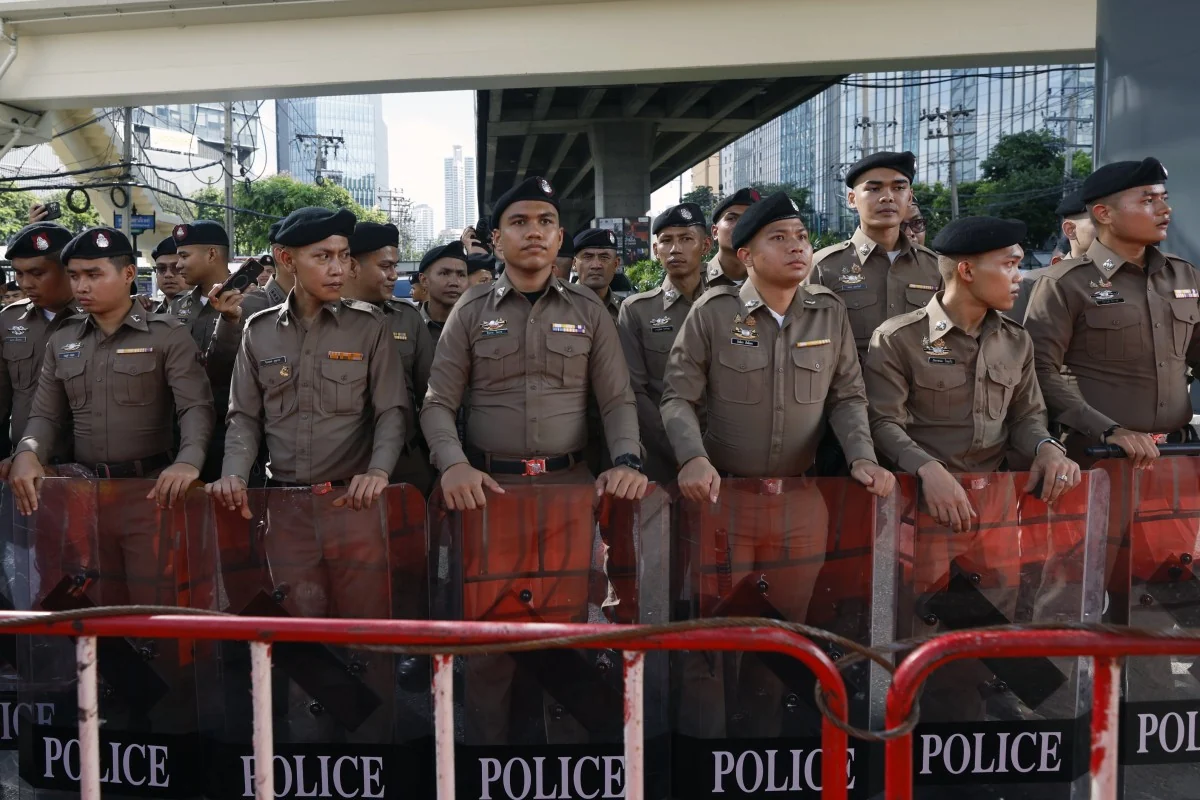

“泰国有权执行其法律,维护其房产和企业所有权制度的完整性,”他说,同时敦促对无意中触犯法律的买家给予灵活处理。
“Thailand has every right to enforce its laws and protect the integrity of its property and business ownership systems,” he said, while urging flexibility for buyers who inadvertently fell foul of the law.
“打击行动不应被解读为泰国对外国投资关闭大门的信号。而应被理解为:外国投资必须透明、真实且在法律上可持续。”对于那些偏离正轨的人来说,好的选择寥寥无几:一种是以大幅折扣快速出售,另一种是由合法的泰国实体收购土地并将房产租回。
“The crackdown should not be interpreted as a message that Thailand is closed to foreign investment. It should be understood as a message that foreign investment must be transparent, genuine and legally sustainable.”For those who strayed off the straight and narrow, there are few good options: a quick sale at a steep discount is one, or a buyout by a legal Thai entity that can own the land and lease the property back.
关于退休人员因善意购房而面临财务破产的轶事比比皆是,外籍人士论坛上关于在泰国购房是否真的可行的疑问此起彼伏。
Anecdotes abound of retirees facing financial ruin after buying in good faith, as questions ricochet across expatriate forums asking whether buying property in Thailand is actually viable at all.
打击行动降低了需求。一位芭提雅房产中介因话题敏感要求不具名,她表示,急售房源正以白菜价涌入市场。
The crackdown has cooled demand. One Pattaya agent, who asked not to be named because of the topic’s sensitivity, said distressed properties were hitting the market at bargain-basement prices.
“现在买家不着急,”她说。“我认为很多开发商会因此破产。”她表示,高杠杆的建商往往依赖“期房”销售,即买家在房屋建成前付款,以资助后续建设。许多此类开发商现在正感受到压力。
“Right now, buyers are not in a hurry,” she said. “I think a lot of developers will go bankrupt because of this.”Heavily leveraged builders often depended on “off-plan” sales, she said, in which buyers paid for homes before they had been built to fund future construction. Many of these developers are now feeling the strain.
数万名外国公民在芭提雅拥有公寓。业内人士警告,即使那些符合49%外资持股上限的楼盘,现在也可能面临更严格的审查。
Tens of thousands of foreign nationals own condos in Pattaya. Industry observers warn that even those buildings complying with the 49 per cent ownership limit could now face stricter checks.
整个东南亚地区,其他政府也在审查代持安排,因为疫情以来外资如潮水般涌入该地区,引发了公众怨气。
Across Southeast Asia, other governments are also scrutinising nominee arrangements, as public resentment builds over the deluge of foreign capital that has washed over the region since the pandemic.
在巴厘岛,当局已开始打击用于规避印度尼西亚禁止外国人拥有永久产权禁令的代持安排。2月,当地政府依据一项针对代持持有的规定,叫停了农业用地的转换。同一个月,当地媒体报道,大约有10500块土地处于此类非法安排之下。
In Bali, authorities have begun to move against nominee arrangements used to bypass Indonesia’s ban on foreign freehold ownership. In February, the local government stopped conversions of agricultural land under a rule targeting nominee holdings. That same month, local media reported that roughly 10,500 parcels of land were held under such illegal arrangements.
查处难度较大,该度假岛土地局局长4月承认,代持安排通常只有在所有权纠纷发生时才会浮出水面。
Detection has been difficult, with the resort island’s land agency chief acknowledging in April that nominee arrangements typically only came to light once ownership disputes arose.
在越南,一份住房法草案将允许外国人继续在现有楼盘配额下购买公寓,但禁止他们购买别墅和联排别墅等独立着地住宅——这是一项旨在消除着地开发项目相关监管灰色地带的收紧措施。
In Vietnam, a draft housing law would allow foreigners to continue buying condominiums under existing building quotas, but bar them from buying individual landed houses such as villas and town houses – a tightening aimed at eliminating regulatory grey areas surrounding landed developments.
Savills Vietnam住宅销售及私人办公室主管胡英(Huong Do)建议外国买家在支付定金或签署任何合同承诺前,“完成全面尽职调查”,即进行独立的法律和财务审查。
Huong Do, head of residential sales and private office at Savills Vietnam, advised foreign buyers to “complete comprehensive due diligence”, meaning independent legal and financial checks, before paying a deposit or entering into any contractual commitment.
她表示,在法律可能迅速变化、执法往往不彻底的快速变动房地产市场中,责任在于买家确保该房产在法律上确实可供其购买。
In fast-moving property markets where laws could change quickly and enforcement was often patchy, the onus was on buyers to make sure that a property was actually available to them under the law, she said.
她补充道:“从泰国及其他国际市场得到的一个更广泛的教训是,投资者不应依赖非正式所有权结构、代持安排,或假设法律的解释和执行将保持不变。”随着泰国收紧管控,邻国马来西亚有望受益。
“A broader lesson from Thailand and other international markets is that investors should not rely on informal ownership structures, nominee arrangements or the assumption that the interpretation and enforcement of legislation will remain unchanged,” she added. As Thailand tightens the screws, neighbouring Malaysia stands to gain.
外国人可在马来西亚以自己的名义购买住宅物业——包括永久产权土地——但须符合最低价格门槛,并获得各州政府单独批准,这独立于长期运行的“马来西亚第二家园计划”(MM2H)居留项目。
Foreigners can buy residential property in Malaysia – including freehold land – in their own names, subject to minimum price thresholds and approval from individual state authorities, independent of the long-running “Malaysia My Second Home” (MM2H) residency programme.
马来西亚第二家园顾问协会会长、WellHome MM2H创始人刘安东尼(Anthony Liew)表示,这使得代持所有权不再是主要问题。
Anthony Liew, president of the Malaysia My Second Home Consultants Association and founder of WellHome MM2H, said this made nominee ownership less of an issue.
他说:“马来西亚始终欢迎外部直接投资,”并指出限制主要仅涉及农业用地和马来保留地。
“Malaysia always welcomes direct investment from outside,” he said, noting that restrictions largely covered only agricultural land and Malay reserve land.
MM2H是一项长期居留签证,旨在吸引外国退休人员和家庭。刘安东尼表示,马来西亚的国际学校——他称之为“通往海外深造的垫脚石”——增加了该国的吸引力。
MM2H is a long-stay residency visa aimed at attracting foreign retirees and families. Liew said Malaysia’s international schools, which he called “a stepping stone” towards further studies overseas, had added to its appeal.
该国旅游、艺术及文化部副部长周全满(Chiew Choon Man)于9月表示,该计划在2024年10月至今年8月期间收到7,650份申请,创造88.5亿令吉(约21.7亿美元)的经济价值——其中超过50亿令吉来自房产购买。
Chiew Choon Man, the country’s deputy tourism, arts and culture minister, said in September that the programme had received 7,650 applications between October 2024 and August this year, generating 8.85 billion ringgit (US$2.17 billion) in economic value – more than 5 billion ringgit of it in property purchases.
他表示,大多数申请人来自中国大陆、台湾、香港和新加坡,紧随其后的是美国。
Most applicants came from mainland China, Taiwan, Hong Kong and Singapore, followed closely by the United States, he said.
根据2024年推出的修订规则,申请人现在必须拥有价值60万令吉(约14.72万美元)至200万令吉的房产,分别对应该计划的入门级银牌层级(提供可续签的五年签证)和白金层级(附带可续签的20年签证)。
Under revised rules introduced in 2024, applicants are now required to own property worth between 600,000 ringgit (US$147,200) for the programme’s entry-level silver tier, offering a five-year renewable visa, and 2 million ringgit for the platinum tier, which comes with a 20-year renewable visa attached.
2014年申请MM2H许可的美国退休人员安德鲁·泰勒表示,该计划早期的负担得起以及马来西亚较低的生活成本,曾让他得以在60岁退休。但他表示,如今高达相当于100万美元的定存要求和高昂的中介费,已将中等收入外籍人士拒之门外。
American retiree Andrew Taylor, who applied for an MM2H permit in 2014, said the scheme’s earlier affordability and Malaysia’s lower cost of living had allowed him to retire at 60. But today, fixed deposits ranging up to the equivalent of US$1 million and steep agent fees had priced out middle-income expats, he said.
“我现在负担不起参加这个计划了,”经营一个关于在马来西亚退休的YouTube频道的泰勒说。“他们似乎只想要富有的申请人,而不考虑即使是不那么富有的申请人也为马来西亚经济做出贡献。”
“I could not afford to enter the programme now,” said Taylor, who runs a YouTube channel about retiring in Malaysia. “They only seem to want wealthy applicants now and don’t consider how even less wealthy applicants contribute to the Malaysian economy.”