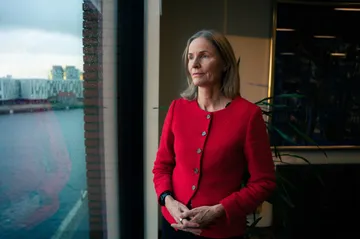
丹麦央行一位官员表示,像丹麦这样灵活的劳动力市场,是应对人工智能带来的颠覆性冲击的一大关键优势。
Flexible labor markets such as Denmark’s are a key advantage in weathering disruption from artificial intelligence, according to a central bank official there.
这位北欧国家处于欧洲采用该技术的前沿,其模式被证明在缓冲对整体就业的影响方面起着关键作用。丹麦央行副行长西格内·克罗格斯特鲁普上周在接受采访时表示。
The Nordic country at the vanguard of Europe’s adoption of the technology has a model that is proving pivotal in cushioning the impact on overall employment, Signe Krogstrup, a deputy governor, said in an interview last week.
“在丹麦雇佣和解雇都很容易——也存在一种跳槽文化,”她说。“这将帮助企业快速调整劳动力以适应人工智能,并更好地利用它,但也将帮助那些身处将变得多余的行业或岗位的人们,帮助他们更容易找到新工作。” 这项技术将如何改变全球经济,已成为当今决策者面临的最紧迫课题之一。
“It’s easy to hire and fire in Denmark — there’s also a culture of changing jobs,” she said. “It will help companies quickly adapt their workforce to AI and make better use of it, but it also will help people that are in sectors or jobs that will become redundant, it will help them find more easily new jobs.”The question of how the technology will transform global economies has turned into one of the most pressing matters of the age for policymakers.
这使丹麦成为一个观察样本。去年,丹麦的人工智能采用率在欧盟中最高,当地42%的企业使用该技术,而整个欧盟集团的平均水平为20%。
That makes Denmark a test case. Its AI adoption rate was the European Union’s highest last year, with 42% of companies there using the technology compared with an average of 20% across the bloc.
除了拥有较高水平的IT技能外,该国劳动力市场还结合了灵活性与经济保障,被称为“灵活保障模式”。克罗格斯特鲁普表示,这一制度有助于加快人工智能的采用,并且随着技术改变企业所需的工作组合,其重要性将日益凸显。
Aside from a high level of IT skills, the country also has a combination of flexibility and financial security in the job market, known as the flexicurity model. That system has helped speed AI take-up and will become increasingly important as the technology changes the mix of jobs companies need, said Krogstrup.
“这是我们成为快速采用者的部分原因,因为我们能够轻松地在工作场所调整技能,”她说。“在未来,当这一转型带来的扭曲或许甚至更大时,它也将变得极其重要。” 克罗格斯特鲁普表示,相比之下,就业制度更僵化的经济体将发现这一转型更为艰难。
“It’s a part of the reason why we’re quick adopters, because we are able to adapt skills easily in the workplace,” she said. “It’s also going to be hugely important in the future when there is perhaps even more distortions coming from this transition.”By contrast, economies with more rigid jobs regimes will find the shift harder, Krogstrup said.
“在许多国家,劳动力市场的灵活性远低于丹麦——我认为这将是一个挑战,”她指出。“我确实认为,我们总体上应高度关注劳动力市场灵活性,以应对即将到来的这一转型。”克罗格斯特鲁普补充道,除了丹麦经济中工作的灵活性,该国还为失业者提供了安全网,并保障了受教育和再培训的机会,这些也是该模式的其他重要特征。
“In many countries, labor-market flexibility is much lower than Denmark — I think that will be a challenge,” she observed. “I do think we should have a strong focus in general on labor market flexibility for weathering this transition coming.”Along with the nimble nature of work in Denmark’s economy, the country also has a safety net for the unemployed along with access to education and retraining, other important attributes of the model, Krogstrup added.
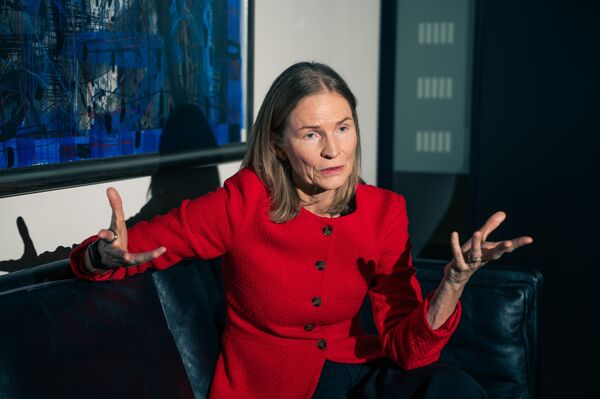
“我们需要劳动力市场灵活性,但对于我们在欧洲拥有的社会模式而言,还需要将其与获得收入支持相结合,”她说。
“You need labor market flexibility, but for the social models that we have in particular in Europe, you also need to combine that with access to income support,” she said.
央行近期的研究发现,AI的采用已在拖慢丹麦企业的招聘步伐,对年轻和高学历工人的影响尤为明显。这尚未反映在整体就业数据中,表明工人们在依然强劲的劳动力市场中正在别处找到工作。
Recent research by the central bank found that AI adoption is already slowing hiring at Danish companies, impacting particularly younger and highly educated workers. That hasn’t shown up yet in overall employment numbers, suggesting workers are finding jobs elsewhere in a still-strong labor market.
克罗格斯特鲁普表示,该机构预计,至少到2028年底,该技术不会实质性地影响主要宏观数据,尽管某些群体中可能仍存在“局部失业”现象。
The institution doesn’t foresee the technology materially affecting headline data through at least the end of 2028, even if there may still be “pockets of unemployment” among some groups, Krogstrup said.
与此同时,她认为,对于刚步入职场的人来说,给予尽可能多的帮助以使其为转型做好准备至关重要。
In the meantime, she sees it as crucial that those starting out in the world of work are given as much help as possible to be ready for the transition.
“企业,或许政府也需要思考,如何确保年轻人获得第一份工作、学习技能,并为未来的劳动力市场做好准备,这将非常重要,”克罗格斯特鲁普说。
“It’s going to be really important for companies and maybe also for governments to think about, how do we make sure that young people get their first jobs and learn and become ready for the labor market going forward?”Krogstrup said.