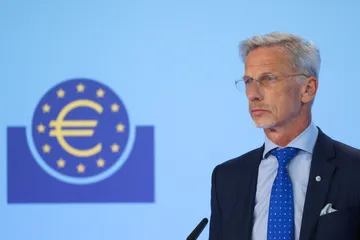
欧洲央行副行长鲍里斯·武伊契奇表示,人工智能的迅速扩张和高企的公共债务目前对欧元区的金融稳定性构成了最大风险。
Rapid expansion of artificial intelligence and elevated public debt pose the biggest risks to financial stability in the euro zone at present, according to European Central Bank Vice President Boris Vujcic.
武伊契奇周一在法兰克福表示,全球股市中的人工智能估值依然偏高,重新定价的风险有所增加。他说,美国中期选举之后的修正“虽然得到了控制,但也提醒人们必须保持谨慎”。
AI valuations in global stock markets remain stretched and the risk of a repricing has increased, Vujcic said Monday in Frankfurt. The correction following the US mid-term elections, “although contained, serves as a reminder to remain cautious,” he said.
然而他表示,人工智能对整个金融体系稳定带来的风险“现在源于一系列其他因素”,并列举了“外部资金从股权市场向债务市场的扩张、风险敞口集中、人工智能普及加速以及潜在的网络攻击”。在“欧元金融周”开幕式上,武伊契奇还强调了大西洋两岸主权债务脆弱性的加剧,通胀担忧更是雪上加霜。
However “AI-related risks to system-wide stability now stem from a range of additional factors,” he said, listing also “the expansion of external funding from equity to debt markets, concentration of exposures, quickening AI adoption and potential cyberattacks.”At the opening of Euro Finance Week, Vujcic also stressed the heightened fragility of sovereign debt on both sides of the Atlantic, compounded by inflation concerns.
这些言论提前透露了欧洲央行半年一度的《金融稳定评估报告》。该报告将于两天后发布,将评估针对银行的威胁,这些银行是这个拥有21个成员国的欧元区企业融资的关键来源。迄今为止,该地区的经济表现出奇地强劲,经受住了伊朗战争和债券收益率上升等逆风的考验。
The comments offer a preview of the ECB’s twice-yearly Financial Stability Review, which is due in two days and will assess threats to the banks that are the key source of corporate funding in the 21-nation euro area. The region’s economy so far has weathered headwinds like the Iran war and rising bond yields surprisingly well.
由于通胀率达到欧洲央行2%目标的两倍,在由中东战事推高能源成本而进行的两次四分之一个百分点的降息(注:原文为move,此处根据上下文指调整,译为:两次四分之一个百分点的行动)之后,官员们暗示12月将再次加息。投资者预计2027年还将进一步收紧政策。
With inflation running at double the ECB’s 2% target, officials are signaling another interest-rate hike in December following two quarter-point moves since the fighting in the Middle East sent energy costs soaring. Investors expect more tightening in 2027.
武伊契奇表示,经济“表现出奇地强劲”,并在第三季度继续扩张。同时,核心通胀大体保持稳定,他说,“工资在现阶段尚未表现出实质性的反应”。
Vujcic said the economy is “remarkably resilient” and continued to expand in the third quarter. At the same time, underlying inflation has remained broadly stable and “wages are not showing a material response at this stage,” he said.
武伊契奇表示:“总体而言,最近的能源价格走势可能会推高通胀,而信心减弱和借贷成本上升则会通过拖累经济增长来对此进行部分遏制。”
“Overall, recent energy-price developments may push inflation higher, while weaker confidence and rising borrowing costs should partially contain this by weighing on growth,” Vujcic said.
这位克罗地亚官员表示,在地缘政治逆风和“高企”的金融稳定风险背景下,必须保持银行部门的韧性,并针对非银行金融机构予以加强,包括强化欧盟层面的监管。v他表示,尽管欧洲需要更多基于市场的融资,“非银行机构发挥更大的作用,必须伴随着更强大的全系统保障措施”。
Against a backdrop of geopolitical headwinds and “elevated” financial stability risks, it’s essential to preserve the resilience of the banking sector and strengthen it for non-banks, including enhanced EU-level supervision, the Croatian official said. While Europe needs more market-based finance, “a larger role for non-banks must go hand in hand with stronger system-wide safeguards,” he said.
武伊契奇说,这也适用于私人信贷。“尽管目前的风险似乎可控,但鉴于透明度有限、与银行和保险公司的互联互通日益加深以及潜在的流动性错配,私人信贷的快速增长值得密切关注。”
This also applies to private credit, Vujcic said. “While risks currently appear contained, the rapid growth of private credit warrants close monitoring, given limited transparency, growing interconnectedness with banks and insurers, and potential liquidity mismatches.”