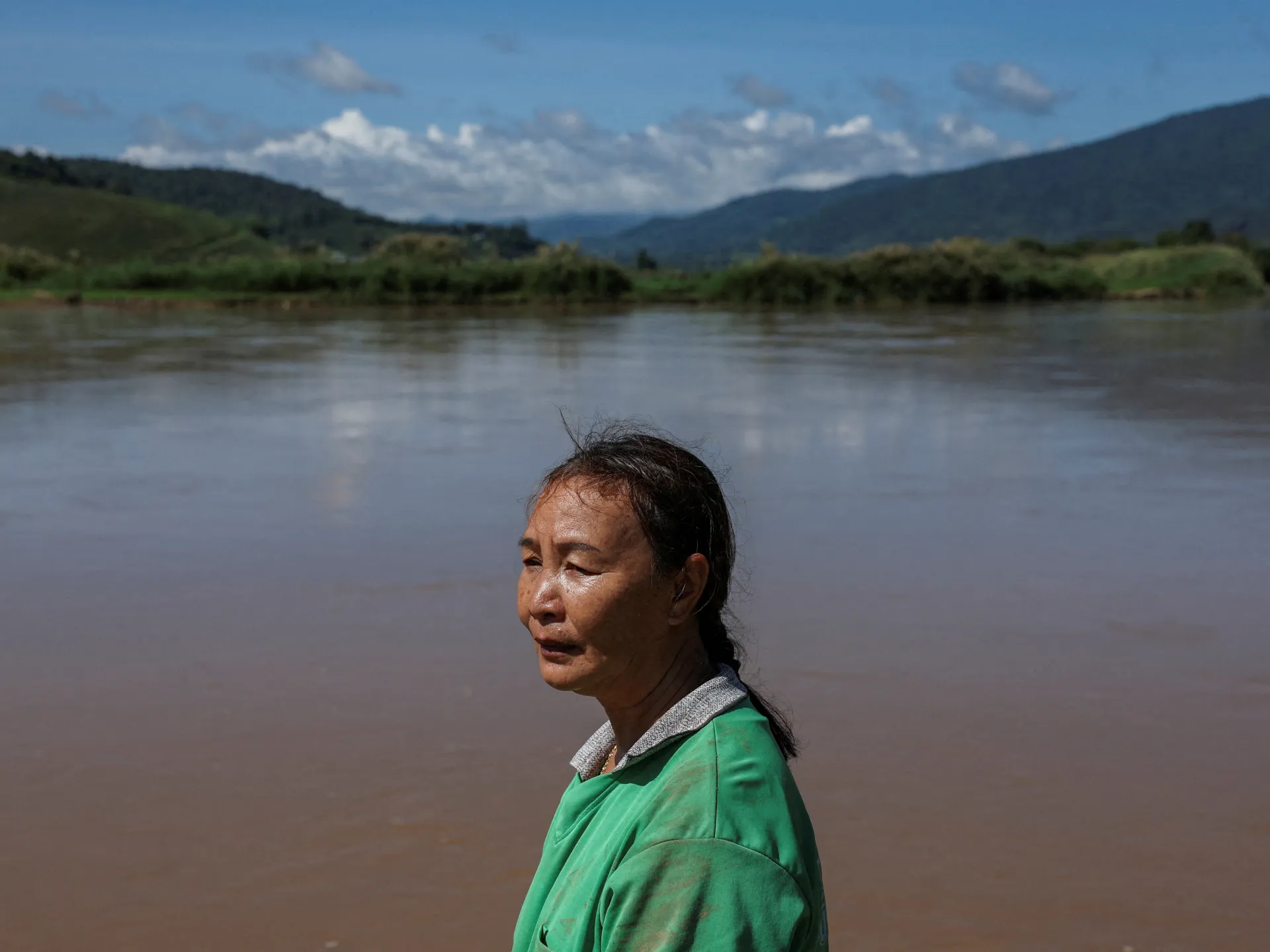
泰国政府部门已紧急为北部超过2万户家庭提供洁净水源,此前在供水中发现与缅甸稀土矿开采有关的砷含量超标。
Thai government authorities have raced to provide clean water for more than 20,000 households in northern Thailand after unsafe levels of arsenic, linked to rare earth mining operations in Myanmar, were found in the water supply.
据政府副发言人拉莉达·佩尔斯维塔纳透露,首相阿努廷·查恩维拉库尔在周二晚间下令,各政府机构寻找替代水源,并密切监测清迈省的自来水质量。
Prime Minister Anutin Charnvirakul late on Tuesday ordered government agencies to find alternative water sources and closely monitor tap water quality in the province of Chiang Rai, according to deputy government spokeswoman Lalida Persvivatana.
本月,清迈省湄赛县靠近缅甸边境的14个村庄的数千户家庭的自来水供应被暂停,因官员发现当地自来水厂的砷含量超出安全限值30倍。
Tap water supplies to thousands of homes in 14 villages in Mae Sai district near the Myanmar border were suspended this month after officials found arsenic levels in the local waterworks to be 30 times over the safe limit.
政府部门还在湄赛河(湄公河的支流)的未处理水中发现砷污染,浓度为饮用水限值的25倍。
Government authorities also found arsenic contamination in untreated water from the Sai River, a tributary of the Mekong River, at 25 times the limit for drinking water.
当局已调派两辆卡车为居民提供洁净饮用水,政府亦在考虑使用其他河流水源。稀土矿开采被指责为罪魁祸首泰国那空流大学的研究人员上周表示,化学分析和卫星模型追踪到湄赛河中大量含砷沉积物来源于缅甸境内的金矿开采。
Authorities have deployed two trucks to supply residents with clean drinking water, while the government is also considering alternative river water sources. Rare earth mining in Myanmar blamed Researchers at Naresuan University said last week that chemical analysis and satellite modelling traced much of the arsenic-laden sediment in the Sai River to gold mining operations across the border in Myanmar.
在缅甸叛军控制的地区,稀土矿开采激增,向中国加工厂供货,被指导致泰国水系(包括湄公河)出现有毒重金属水平。
A surge in rare earth mining in rebel-held pockets of Myanmar supplying Chinese processing plants is being blamed for toxic levels of heavy metals in Thai waterways, including the Mekong River.
缅甸长期的内战使得自然资源(包括用于智能手机、风力发电机和电动汽车的稀土元素)被无监管地开采。
Myanmar’s longrunning civil war enables unregulated exploitation of natural resources, including rare earth elements used in smartphones, wind turbines and electric vehicles.
泰国外交部长西哈萨克·普昂凯托在上周访问缅甸并会见政府官员时,提出湄赛河污染“急剧”上升的问题。
Thai Foreign Minister Sihasak Phuangketkeow raised the issue of what he said was a “dramatic” increase in pollution in the Sai River during a visit last week to Myanmar to meet government officials.
他将其归咎于“矿业废水”,并称这是“一件需要紧急关注的紧迫事项”。
He blamed “wastewater from mining”, adding that it was an “urgent matter that needs urgent attention”.
泰国政府表示,也已与北京就此事进行了讨论,研究人员称,缅甸许多采矿业务由中国运营。
The Thai government says it has also discussed the issue with Beijing, with researchers saying many of the mining operations in Myanmar are Chinese-run.
人们担心污染正随水流远至湄公河下游,这条河流支撑着跨越数国的数百万人口生存。
There are fears the pollution is being washed far down the Mekong River, a waterway supporting millions of people across several countries.
泰国官员称,在10月对东北部廊开府(与老挝接壤)的177名受检者进行检测时,发现17人的尿液中含有砷。
Thai officials said arsenic had been found in the urine of 17 out of 177 people tested in October in the northeastern province of Nong Khai, on the border with Laos.