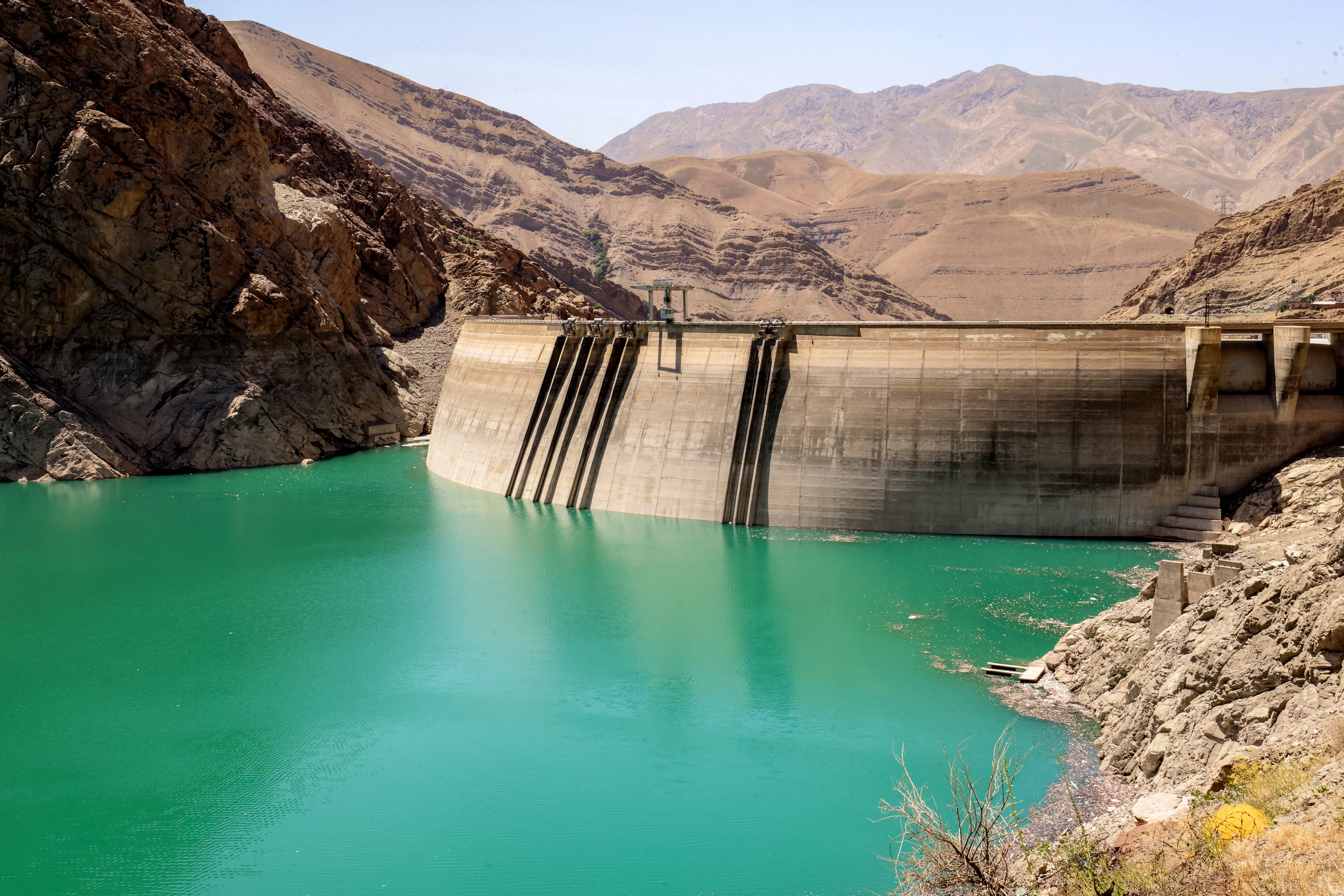
《纽约时报》一篇报道暗示伊朗部分水坝和水利基础设施可能是为支持该国导弹计划而建,引发强烈反弹,评论人士警告该报道可能有助于为进一步袭击民用设施提供借口。
A New York Times (NYT) story suggesting that some of Iran’s dams and water infrastructure may have been built to support the country’s missile programme has sparked fierce backlash, with commentators warning the report could help justify further attacks on civilian facilities.
争议出现之际,华盛顿正威胁对伊朗重启军事行动。此前数月的战争已导致伊朗能源设施、桥梁、水利基础设施及其他民用场所受损。
The controversy comes as Washington threatens renewed military action against Iran, following months of war that have already left the country’s energy facilities, bridges, water infrastructure and other civilian sites damaged.
伊朗外交部发言人伊斯梅尔·巴加埃在X平台发帖称:“这些试图将伊朗水坝与导弹基地联系起来的毫无根据的指控,是又一场恶意运动的例证,目的是制造宣传和安全借口,为攻击一国关键基础设施辩护。”该报为其报道辩护,坚称报道准确反映了其专家的观点。
“The baseless allegations seeking to link Iran’s dams to missile bases constitute yet another example of a malicious campaign to manufacture propaganda and security pretexts aimed at justifying attacks on a country’s vital infrastructure,” Iranian Foreign Ministry spokesperson Esmaeil Baghaei said in a post on X. The newspaper has defended its reporting, insisting it accurately represented the views of its experts.
然而,该报援引的多位专家公开质疑这项调查的推论,对水坝与军事设施之间存在关联这一说法背后的证据提出疑问。
However, several experts quoted by the publication have publicly challenged the implications of the investigation, questioning the evidence behind the proposed link between dams and military installations.
这场争议还让人回想起《纽约时报》在2003年美国入侵伊拉克前的报道,当时该报记者的报道助推了有关萨达姆·侯赛因据称拥有大规模杀伤性武器的说法,而这些说法后来被证明毫无根据。
The controversy has also revived memories of the NYT’s reporting in the lead-up to the 2003 US invasion of Iraq, when the paper’s journalists helped amplify claims about Saddam Hussein’s alleged weapons of mass destruction that later proved unfounded.
《纽约时报》报道了什么?这篇报道于周二发表,标题为《战争或可解开伊朗水坝长期之谜:为何建造目的不明》,探讨伊朗庞大的水坝、管道和调水工程网络是否可能与其地下导弹计划有关。
What did the NYT report say? Published on Tuesday, the story, headlined “War May Answer Longtime Riddle of Iranian Dams Built for No Clear Reason”, examined whether Iran’s extensive network of dams, pipelines and water-transfer projects could be connected to its underground missile programme.
报道援引研究人员的说法称,他们观察到水坝位置与美以空袭目标地点之间存在地理上的相似性。
The report cited researchers who observed geographical similarities between the locations of dams and sites targeted by US and Israeli air strikes.
据报道,纽约时报采访的一些水利和军事专家得出结论认为,“水利项目可能是为支持该国军事扩张而开发的”。
According to the report, some of the water and military experts the NYT spoke to concluded that the “water projects may have been developed to support the country’s military buildup”.
几个月来,@ErikaSolomon和我一直在调查一个问题:为什么伊朗在水资源危机中仍不断扩建大坝和调水工程?
For months, @ErikaSolomon and I have investigated a question: Why does Iran keep expanding dams and water-transfer projects amid a water crisis?
专家指出了一个引人注目的重合:军事设施分布与之重叠。难道某些水利项目是为支持伊朗的军事扩张服务的?…… pic.twitter.com/QFWEchVr75
Experts point to an intriguing overlap with military sites. Could some water projects have served to support Iran’s military buildup?… pic.twitter.com/QFWEchVr75
— Sanam Mahoozi (@SanamMahoozi) 2026年11月16日
— Sanam Mahoozi (@SanamMahoozi) November 16, 2026
不过,该报自身也承认,“鉴于伊朗导弹计划的保密性,其与伊朗雄心勃勃、延续数十年的水利基础设施建设计划之间的任何联系仍属推测。但一些专家认为证据极具暗示性。”
However, the newspaper itself acknowledged, “Given the secrecy surrounding Iran’s missile program, any connection between it and Iran’s ambitious, decades-old initiative to develop water infrastructure remains speculative. But some experts find the evidence highly suggestive.”
为何该报道引发反弹?批评者担心,将大坝描绘为可能服务于军事目的,可能为攻击数百万平民赖以生存的基础设施提供借口。
Why is the report causing a backlash? Critics fear that portraying dams as potentially serving military purposes could provide a justification for attacking infrastructure essential to millions of civilians.
自2月28日以来,美以对伊朗的袭击已损坏石油设施、发电厂、水库、桥梁、医院及其他民用基础设施。
US-Israeli attacks on Iran since February 28 have damaged oil facilities, power plants, water reservoirs, bridges, hospitals and other civilian infrastructure.
美国总统唐纳德·特朗普多次威胁进一步袭击,上周表示关键伊朗基础设施可能在三天内被摧毁。
US President Donald Trump has repeatedly threatened further attacks, saying last week that key Iranian infrastructure could be destroyed within three days.
政治分析人士拉米·库里称纽约时报的报道“令人不安”,称这证实了他对美国主流媒体“在美国以色列对伊朗的犯罪袭击中充当帮凶”的担忧,“正如几十年前伊拉克战争期间和加沙持续进行的种族灭绝中所发生的那样”。
Political analyst Rami Khouri called the NYT report “troubling”, saying it reaffirmed his concerns about US mainstream media being “complicit in the US-Israeli criminal attacks on Iran, just as it was during the war on Iraq decades ago and the ongoing genocide in Gaza”.
“当‘推测性的’、‘暗示性的’、‘可能已经发展出’、‘可能揭示’、‘怀疑’和‘长期谜团’等条件性词汇出现的频率超过任何确凿的、基于证据的事实时,这就是不可信、动摇不定的新闻业的明显标志。”
“The telltale sign of non-credible wobbly journalism is when conditional words like ‘speculative’, ‘suggestive’, ‘may have developed’, ‘may shed light’, ‘suspect’, and ‘long-term riddle’ occur more often than any definitive, evidence-based facts.”
库里说,这“并非确凿且经核实的报道”,而是“另一次试图为美以寻找任何理由对伊朗实施更多战争罪行(通过攻击关键基础设施)提供支持的尝试”。他补充道:“美国主流新闻业的又一个悲哀日子。”
Khouri said it was “not definitive and verified reporting” and “another attempt to support the US-Israeli urgency to find any reason to carry out more war crimes against Iran” by attacking critical infrastructure. “Another sad day for US mainstream journalism,” he added.
为什么这篇报道站不住脚?除了读者和评论员的网上批评,报道中引用的专家本人也出来反驳报道的某些方面。
Why is the story falling apart? Aside from online criticism from readers and commentators, experts cited in the story have themselves come out against aspects of the report.
报道引用的专家之一、联合国大学水资源研究所所长、伊朗前高级环境官员卡韦·马达尼质疑报道的推理。他写道:“推测不是证据。空间邻近性不是因果关系。”
Kaveh Madani, director of the United Nations University’s water institute and a former senior Iranian environmental official, one of the experts cited in the story, challenged the report’s reasoning. “Speculation is not evidence. Spatial proximity is not causality,” he wrote on X.
“甚至那些攻击伊朗的人都没有提出将大坝与导弹联系起来的指控!这种还原论式的、博人眼球的叙事是不负责任的新闻业,可能给民用水利基础设施带来危险后果。《纽约时报》理应做得更好。”
“Even those who attacked Iran have not made such claims linking dams to missiles! This reductionist, sensational narrative is irresponsible journalism with potentially dangerous consequences for civilian water infrastructure. The New York Times should know better.”
马达尼还质疑该报声称有七位专家支持其分析。“我是文中被引用的人之一,但我的评论与大坝或导弹毫无关系!”他补充道。
Madani also questioned the newspaper’s claim that seven experts had supported its analysis. “I’m one of the people quoted in the article, but my comments had nothing to do with dams or missiles!” he added.
你们声称“准确引用”了研究和分析的那七位专家是谁?
Who are the seven experts whose research and analysis you claim to have “accurately cited”?
他们的研究和分析在哪里可以找到?他们到底得出了什么结论?
Where can we find that research and analysis? What exactly did they conclude?
我是文中被引用的人之一,但我的评论与大坝或导弹毫无关系! https://t.co/IzEIYKxLJv
I’m one of the people quoted in the article, but my comments had nothing to do with dams or missiles! https://t.co/IzEIYKxLJv
— Kaveh Madani (@KavehMadani) 2026年11月17日
— Kaveh Madani (@KavehMadani) November 17, 2026
汉堡工业大学水安全专家尼马·肖克里的研究在该调查中占据显著位置,他也发布了澄清声明。
Nima Shokri, a water-security expert at Hamburg University of Technology, whose research featured prominently in the investigation, also issued a clarification.
“大坝靠近军事目标,并不能说明这些大坝建设的初衷,也不能为攻击它们提供理由,”他在X平台上写道。文章中引用的第三位研究人员也呼应了肖克里的观点。
“The proximity of dams to military targets does not establish why those dams were built, nor does it justify attacks on them,” he said on X. A third researcher quoted in the article echoed Shokri’s comments.
加州大学欧文分校水资源专家阿米尔·阿加库查克在X平台上转发了肖克里的帖子,写道:“我完全同意[肖克里的观点]。”
“I fully agree [with Shokri],” Amir Aghakouchak, a water expert at the University of California, Irvine, wrote on X, sharing Shokri’s X post.
“大坝和水利基础设施对平民生活至关重要,绝不能成为军事攻击的目标。无论其位置或潜在战略意义如何,其在供水、粮食安全、能源和环境可持续性方面的主要作用绝不能被忽视。保护这些关键资源应当是优先事项,而不应受政治或冲突影响。”
“Dams and water infrastructure are essential to civilian life and must never become targets of military attacks. Regardless of their location or potential strategic significance, their primary roles in water supply, food security, energy, and environmental sustainability must not be overlooked. Protecting these critical resources should be a priority, regardless of politics or conflict.”
我完全同意。大坝和水利基础设施对平民生活至关重要,绝不能成为军事攻击的目标。无论其位置或潜在战略意义如何,其在供水、粮食安全、能源和环境…… https://t.co/8xNjLg7LwD
I fully agree. Dams and water infrastructure are essential to civilian life and must never become targets of military attacks. Regardless of their location or potential strategic significance, their primary roles in water supply, food security, energy, and environmental… https://t.co/8xNjLg7LwD
— Amir AghaKouchak (@AmirAghaKouchak) 2026年11月16日
— Amir AghaKouchak (@AmirAghaKouchak) November 16, 2026
该报拒绝了其调查可能为军事攻击提供借口的指控。发言人妮可·泰勒表示:“我们关于伊朗大坝的报道准确引用了七位伊朗环境与军事事务国际专家的研究和分析。”
The newspaper rejected accusations that its investigation could provide a pretext for military attacks. “Our report on Iranian dams accurately cited research and analysis by seven international experts on Iran’s environment and military presence,” spokesperson Nicole Taylor said.
她补充说,《纽约时报》记者旨在解释伊朗的基础设施投资以及美以袭击对平民的影响。泰勒说:“将独立报道描述为暴力借口是危险的。”
She added that the NYT’s journalists had sought to explain Iran’s infrastructure investment and the effects of US and Israeli attacks on civilians. “Framing the independent reporting as a pretext for violence is dangerous,” Taylor said.
该报道的合著者之一萨南·马胡齐表示:“无论是我本人还是我们的报道,都不支持或为针对大坝或其他基础设施的袭击辩护。”
One of the story’s co-authors, Sanam Mahoozi, said that “neither I nor our report endorses or justifies attacks on dams or other infrastructure”.
“作为一名记者,我欢迎严谨、建设性的批评,但我希望一些用户能根据实际撰写的内容,公正地评价这篇报道,”她在X平台发帖称。该报道由伊拉克和伊朗分社社长埃里卡·所罗门合写。
“As a journalist, I welcome rigorous, constructive criticism, but I hope some users will critique the report fairly, based on what was actually written,” she posted on X. The story was co-written with Erika Solomon, the NYT bureau chief for Iraq and Iran.
伊朗方面有何回应?伊朗外交部长阿巴斯·阿拉格齐将这些指控斥为“废话”,指责他所暗示的亲以色列媒体在宣扬让人联想到2003年美国入侵伊拉克前夕的叙事。
What has Iran said? Iranian Foreign Minister Abbas Araghchi dismissed the allegations as “rubbish”, accusing what he suggested was pro-Israel media of promoting narratives reminiscent of the run-up to the 2003 US invasion of Iraq.
“请免除我们这种伊拉克战争式的宣传,尤其是上面全是以色列的指纹,”他在X平台发帖写道。
“Spare us the Iraq War-style propaganda, especially with Israeli fingerprints all over it,” he wrote on X.
伊朗议会议长兼首席谈判代表穆罕默德·巴盖尔·卡利巴夫指责该报为进一步袭击民用基础设施铺平道路。
Iran’s parliament speaker and chief negotiator, Mohammad Bagher Ghalibaf, accused the newspaper of preparing the ground for further attacks on civilian infrastructure.
“新规则:靠近美以基地的任何大坝、港口或发电厂都是两用设施。我们将一贯且公平地适用你们的逻辑,”他在X平台发帖称。
“New rule: Any dam, port, or power plant near a US or Israeli base is dual-use. We’ll apply your logic consistently and even-handedly,” he posted on X.
为下一轮针对民用基础设施的行动做准备,他们的“专家”告诉《纽约时报》:“伊朗导弹基地附近的大坝属于两用设施。”好啊。新规则:靠近美以基地的任何大坝、港口或发电厂都是两用设施。我们将一贯且公平地适用你们的逻辑。 https://t.co/ynpDMvgLSV
Prepping the next round on civilian infra, their “experts” tell NYT: “dams near Iran’s missile sites are dual-use.”Cool. New rule: Any dam, port, or power plant near a US or Israeli base is dual-use. We’ll apply your logic consistently and even-handedly. https://t.co/ynpDMvgLSV
— 穆罕默德·巴盖尔·卡利巴夫 | MB Ghalibaf (@mb_ghalibaf) 2026年11月17日
— محمدباقر قالیباف | MB Ghalibaf (@mb_ghalibaf) November 17, 2026
为何人们质疑《纽约时报》的公信力?这场争议重燃了对该报在美国领导的入侵伊拉克前报道的广泛批评,当时关于萨达姆·侯赛因据称拥有大规模杀伤性武器的指控帮助建立了公众对战争的支持。
Why are people questioning the NYT’s credibility? The controversy has revived widespread criticism of the newspaper’s reporting before the US-led invasion of Iraq , when claims about Saddam Hussein’s alleged weapons of mass destruction helped build public support for war.
《纽约时报》前记者朱迪思·米勒是其中一名记者,她的报道放大了有关伊拉克武器项目的说法,这些说法后来被证明毫无根据。
Judith Miller, a former NYT journalist, was among the reporters whose coverage amplified claims about Iraq’s weapons programmes that subsequently proved unfounded.
2002年9月,米勒参与撰写了一篇报道,称伊拉克加大了对核武器的追求力度,并援引美国官员的话称,巴格达正在寻求用于铀浓缩的铝管。
In September 2002, Miller co-authored a report claiming Iraq had intensified its pursuit of nuclear weapons, citing US officials who alleged that Baghdad was seeking aluminium tubes for uranium enrichment.
前副总统迪克·切尼援引该报关于铝管的报道,为乔治·W·布什政府针对伊拉克的指控提供支持。这些说法后来被推翻。
Former Vice President Dick Cheney cited the newspaper’s reporting on aluminium tubes to bolster President George W Bush’s administration’s case against Iraq. The claims were later discredited.
2003年3月伊拉克战争打响两个月后,米勒参与撰写了一篇报道,称美国情报机构已得出结论,在伊拉克发现的两辆神秘拖车是“生产武器用病菌”的移动装置。
Two months after the invasion of Iraq began in March 2003, Miller co-authored a report citing that US intelligence agencies had concluded that two mysterious trailers found in Iraq were mobile units to “produce germs for weapons”.
然而,美国对伊拉克开战一年后,《纽约时报》承认其战前报道存在严重缺陷,包括依赖寻求政权更迭的伊拉克叛逃者和流亡者。“我们发现了若干报道不够严谨的事例,”该报称。
However, a year after the US war on Iraq began, the NYT acknowledged serious shortcomings in its reporting on the build-up to war, including its reliance on Iraqi defectors and exiles seeking regime change. “We have found a number of instances of coverage that was not as rigorous as it should have been,” it said.