蒂芙尼·斯坦利 发布:2026-11-19T00:06:20Z 美国天主教主教呼吁为人工智能设立护栏,因为天主教会寻求在技术进步的同时保护人类。
TIFFANY STANLEY Published: 2026-11-19T00:06:20Z U.S. Catholic bishops are calling for guardrails on artificial intelligence as the Catholic Church seeks to protect humanity while technology advances.
他们正在遵循教宗利奥的引领,后者曾表示人工智能是当今人类面临的最大挑战。他的首部通谕《光荣的人性》呼吁对人工智能进行强有力的监管。
They are following Pope Leo’s lead, who has said that AI is humanity’s biggest challenge today. His first encyclical , “Magnifica Humanitas” (Magnificent Humanity), called for robust AI regulation.
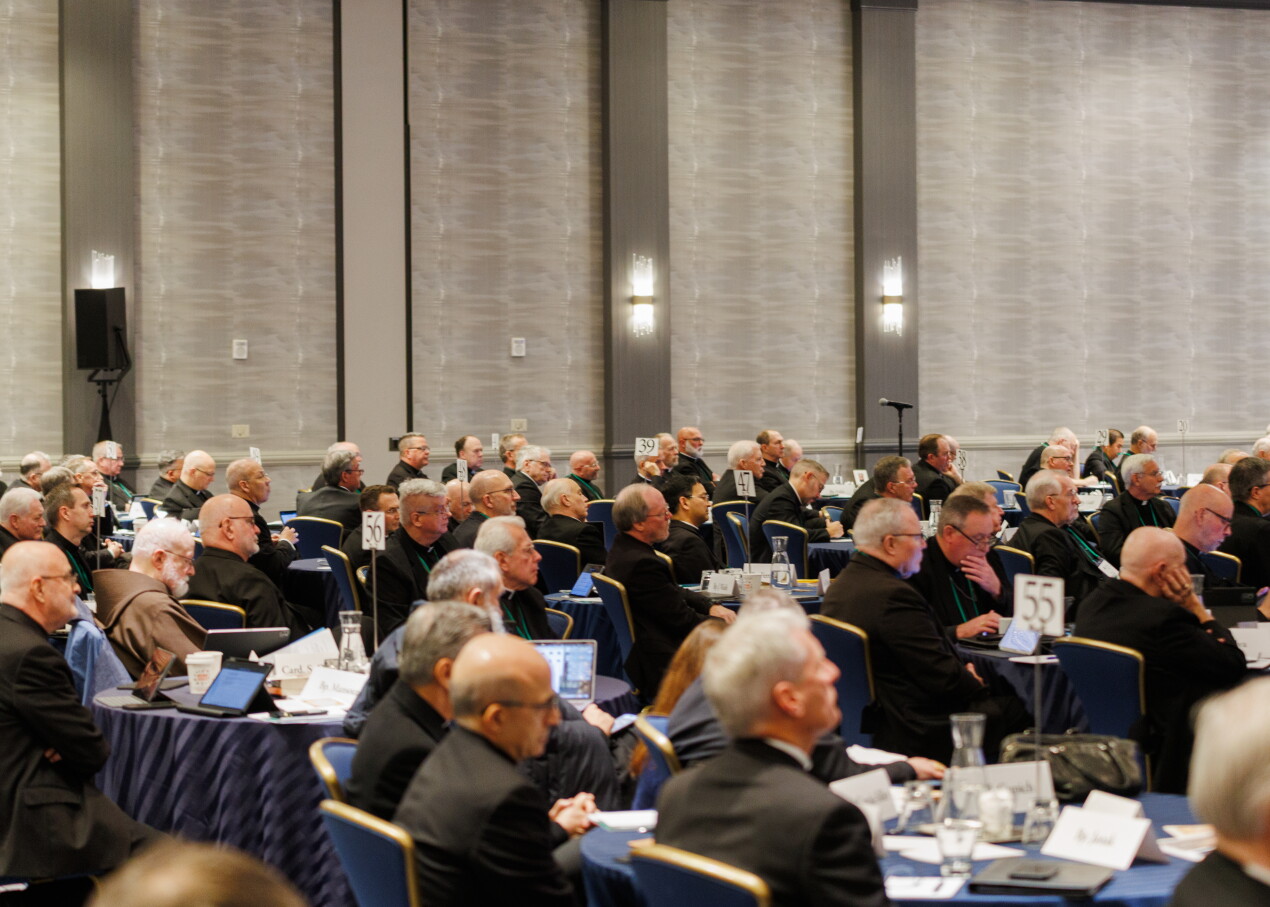
加利福尼亚州圣何塞教区主教奥斯卡·坎图周三在美国天主教主教会议年度秋季大会上对同僚发言时,强调了美国教会处于有利位置可发挥的独特作用。坎图主教来自硅谷教区,主持该会议新成立的专注于维护人类尊严的人工智能工作组。
Bishop Oscar Cantú of San Jose, California, emphasized the unique role the U.S. church is well-positioned to play when he addressed his colleagues at the U.S. Conference of Catholic Bishops’ annual fall gathering Wednesday. From his Silicon Valley diocese, Cantú chairs the conference’s new AI task force focused on preserving human dignity.
“培会拥有硅谷无法设计制造的东西:关于人、真理和共同利益的两千多年智慧,”坎图说。
“The Church possesses something that Silicon Valley cannot engineer: over 2,000 years of wisdom on the human person, on truth, and on the common good,” Cantú said.
主教们一直在与科技公司高管和政治领袖会面讨论人工智能,其中大部分是在美国开发的。坎图在巴尔的摩的会议上告诉与会者,该工作组将帮助游说立法者为“人工智能的开发和使用设立明确护栏”。该小组“将继续监测劳动影响并为工人发声”。主教们特别关注年轻人对人工智能的使用。该工作组希望成为最佳实践和人工智能素养的信息交换中心。
The bishops have been meeting with tech company executives and political leaders to discuss AI, much of which is developed in the U.S. Cantú told the gathering in Baltimore that the task force will help lobby lawmakers for “clear guardrails on the development and use of AI.”The group “will continue monitoring labor impacts and advocating for workers.”Bishops are particularly concerned about young people’s use of AI. The task force hopes to become a clearinghouse on best practices and AI literacy.
“培会的贡献在于坚持:每个拥有人固有尊严,这是任何算法都无法衡量、任何市场都无法定价的,”坎图说。
“The Church’s contribution is to insist that every human being possesses inherent dignity that no algorithm can measure and no market can price,” Cantú said.
主教们还批准了对其投资准则的更新,这些准则被其他天主教机构和投资者所采用。准则规定,主教会议“将不投资于那些设计、开发或制造未能维护人类尊严的人工智能技术的公司。”
The bishops also approved updates to their investing guidelines, which are used by other Catholic institutions and investors. The guidelines say the conference “will not invest in companies that design, develop or manufacture AI technologies that fail to safeguard the dignity of the human person.”
作为其人工智能投资准则更新的一部分,美国天主教主教会议表示,将鼓励公司保护儿童免受网络剥削,并为“因自动化而失业的工人提供支持”。随着公司高管们对人工智能的破坏潜力敲响警钟,并辩论开发符合道德的良性模型的必要性,他们越来越多地寻求宗教领袖的意见。
As part of its AI investment updates, the USCCB said it will encourage companies to protect children from online exploitation and offer “support for workers displaced by automation.”As company executives sound the alarm about AI’s destructive potential and debate the need to develop morally good models, they are increasingly seeking input from religious leaders.
美国天主教主教会议主席、俄克拉荷马城总主教保罗·库克利周二在新闻发布会上表示,人工智能“只是人类智慧的微弱倒影,而人类智慧是由天主创造的。我们是按照天主的肖像和模样被创造的;引导和纠正它是我们的责任。”美国天主教大学生物伦理学教授查尔斯·卡莫西是主教们人工智能特别工作组的三位学术顾问之一。
Archbishop Paul Coakley of Oklahoma City, the president of the USCCB, said during a news conference Tuesday that artificial intelligence is “a faint reflection of human intelligence, which is created by God. We’re created in God’s image and likeness; it’s ours to guide and correct.”Charles Camosy, a bioethics professor at the Catholic University of America, is one of three academic consultants for the bishops’ AI task force.
“我主要带来一系列与医疗保健相关的担忧,特别是在我们利用所谓的人工智能改善结果的同时,如何让人类始终处于医疗保健关系的中心,”卡莫西在一份声明中说。根据天主教医疗协会的数据,美国每七位患者中就有一位以上每天在天主教医院接受治疗。
“I mostly bring a set of concerns related to healthcare and especially keeping human beings in the center of healthcare relationships, even as we use so-called artificial intelligence to improve outcomes,” Camosy said in an More than one in seven patients in the U.S. are treated each day at Catholic hospitals, according to the Catholic Health Association.
“如果他们在问主教们懂不懂技术,他们说我们不懂很多是对的,”坎图在主教会议最近制作的一段视频中说。“但我们在快速学习。”
“If they’re asking what do bishops know about technology, they’re right in saying we don’t know much,” Cantú said in a recent video produced by the conference. “But we’re learning quickly.”Associated Press religion coverage receives support through the AP’s collaboration with The Conversation US, with funding from Lilly Endowment Inc. The AP is solely responsible for this content.