东京 —— 今年,中国车企在39个国家的新车销量市场份额超过日本竞争对手,在14个市场实现反超,得益于油价飙升背景下电动汽车销售强劲。
TOKYO -- Automakers from China control a larger share of new-vehicle sales than their Japanese competitors in 39 countries, having taken the lead in 14 markets this year on brisk sales of electric vehicles amid soaring oil prices.
日本品牌在54个国家仍占据更大份额,但德国和巴西等地已被中国竞争对手超越。
Japanese brands still hold a larger share in 54 countries, though Germany and Brazil are among the places where Chinese rivals went ahead.
美国研究公司Mobility Global研究了1月至9月的销售数据,不含部分大型车辆。虽然数据集总共覆盖150个国家和地区,但日中车企市场份额的对比是在有厂商具体销售数据的93个国家中进行的。
U.S. research firm Mobility Global studied sales figures for January to September, excluding some large vehicles. Though the total data set covers 150 countries and regions, the market shares of Japanese and Chinese automakers were compared in 93 countries where manufacturer-specific sales data was available.
中国品牌领先日本竞争对手的39个市场,包括正在大力转向电动汽车的国家——如挪威、瑞典和新加坡——以及正在深化与中国关系的国家,如伊朗和俄罗斯。
The 39 markets in which Chinese brands led Japanese rivals included countries experiencing a strong shift toward EVs -- such as Norway, Sweden and Singapore -- and those deepening ties with China, like Iran and Russia.
中国车企今年在奥地利、比利时、德国、意大利、荷兰、葡萄牙、斯洛文尼亚、西班牙、巴西、韩国、伊拉克、科威特、阿拉伯联合酋长国和突尼斯实现反超。其中在九个市场,日本车的市场份额下降。
Chinese automakers went ahead this year in Austria, Belgium, Germany, Italy, the Netherlands, Portugal, Slovenia, Spain, Brazil, South Korea, Iraq, Kuwait, the United Arab Emirates and Tunisia. In nine of those, the market share of Japanese cars declined.
这14个市场中有八个在欧洲。在欧洲最大市场德国,中国品牌合计份额上升2个百分点至6%,而日本车企下降1个百分点至5%。中国最大车企比亚迪在那里取得巨大进展。
Eight of those markets are in Europe. In Germany, the largest European market, the combined share held by Chinese brands rose 2 percentage points to 6% while Japanese carmakers declined 1 point to 5%. China's largest automaker, BYD, made huge strides there.
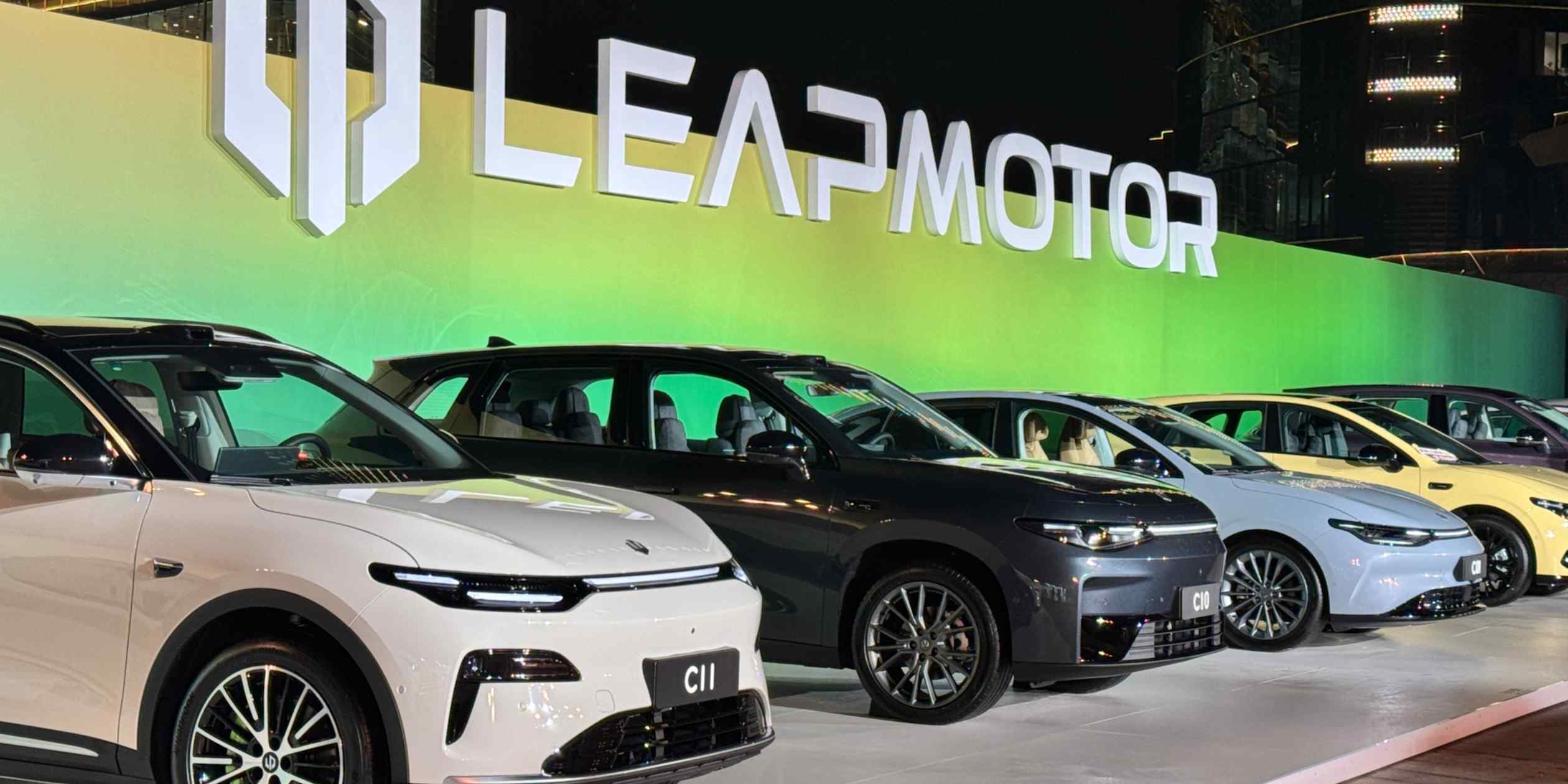
在意大利,中国市场份额激增6个百分点至12%,由初创企业零跑汽车带动。据行业协会报告,零跑汽车1至9月在意大利的电动汽车销量增长十倍。这家初创企业已与Stellantis合作,后者拥有菲亚特等意大利车企,双方正在建设销售网络。消费者在4月于巴西圣保罗比亚迪展厅内观看车辆。
In Italy, the Chinese market share surged 6 points to 12%, driven by startup Leapmotor Technology. Leapmotor's EV sales in Italy for January-September climbed elevenfold, an industry group reports. The startup has partnered with Stellantis, which owns Italian automakers such as Fiat, and they are building a sales network. Consumers look at BYD vehicles at the automaker's showroom in Sao Paulo, Brazil, in April.
在巴西,中国品牌市场份额增加10个百分点至19%。比亚迪销量增长,其当地工厂于2025年投产。
In Brazil, Chinese brands logged a 10-point gain in market share to 19%. Sales grew for BYD, which brought a local factory onstream in 2025.
中国车企正受益于电动汽车日益普及以及燃油车需求下降。美国和以色列在2月下旬对伊朗的袭击引发国际原油价格大幅上涨。
Chinese automakers are benefiting from the growing popularity of EVs and the declining demand for gasoline-powered cars. The U.S. and Israeli attack on Iran in late February sparked a sharp rise in crude oil prices.
随着国内竞争加剧,中国车企正寻求海外机遇并扩大电动汽车出口。今年前九个月,其海外销量同比增长51%,达到434万辆。
With domestic competition intensifying, Chinese automakers are seeking opportunities overseas and expanding their EV exports. Their overseas sales increased by 51% to 4.34 million units in the first nine months of the year.
日本车企在东南亚长期占据的统治地位正在动摇。在泰国,日本品牌份额下降8个百分点至56%,而中国品牌份额上升11个百分点至32%,差距较一年前缩小近20个百分点。在印度尼西亚差距缩小16个百分点,在菲律宾缩小7个百分点。
The long-held dominance of Japanese manufacturers in Southeast Asia is wavering. In Thailand, the share for Japanese brands fell 8 points to 56%, while Chinese cars gained 11 points to 32%, narrowing the gap by nearly 20 points from a year earlier. The gap shrank by 16 points in Indonesia and 7 points in the Philippines.
整个东南亚地区,日本品牌份额下降6个百分点至54%,中国汽车份额上升7个百分点至18%。
Across Southeast Asia, Japanese brands fell 6 points to 54%, while Chinese autos rose 7 points to 18%.
但日本汽车在54个国家的销量仍超过中国同行。它们在28个国家保持整体第一市场份额,主要集中在东南亚、非洲和中东,其中16个国家份额超过50%。相比之下,中国汽车在19个国家占据第一市场份额。
But Japanese cars still outsell Chinese counterparts in 54 countries. They also hold the overall top market share in 28 nations, mainly in Southeast Asia, Africa and the Middle East, surpassing 50% in 16 of them. In comparison, Chinese cars hold the top market share in 19 countries.
在美国这一全球第二大汽车市场(仅次于中国),得益于混合动力车需求,日本车份额上升1个百分点至32%。在全球第三大市场印度,日本车以44%份额保持领先地位。然而,美国和印度被公认为中国竞争对手难以进入的市场,而在其他地区日本车份额正在流失。新车销量减少导致工厂产能利用率下降、盈利能力恶化,还冲击售后金融和零部件等服务——失去的市场份额很难夺回。
In the U.S., the world's second-largest automobile market after China, Japanese cars gained 1 point in market share to 32%, driven by demand for hybrid vehicles. In India, the world's third-largest market, Japanese cars maintained their leading position with a 44% However, the U.S. and India are known as difficult markets for Chinese competitors to enter, and Japanese cars are losing share elsewhere. Fewer new-car sales lead to lower factory utilization rates and worsening profitability, in addition to hurting after-sales services such as finance and replacement parts -- and recovering lost market share is difficult.