东京 —— 日本的年底预算谈判正暴露出一个艰难抉择:在削减消费税和按原计划大幅增加防卫开支之间做出选择。
TOKYO -- Japan's year-end budget talks are exposing a hard choice between cutting the consumption tax and increasing defense spending as much as originally planned.
防卫省估算,2027财年至2031财年的防卫开支将达70万亿至80万亿日元(约合4390亿美元至5010亿美元)。但政府内部有声音呼吁顾及预算约束。目前讨论正在进行,旨在将这一数字降至50万亿日元至60万亿日元区间。
The Ministry of Defense has estimated spending of 70 trillion to 80 trillion yen ($439 billion to $501 billion) for fiscal 2027 to fiscal 2031. But there are calls in the government to make considerations for budget constraints. Discussions are underway toward lowering the figure to the 50 trillion yen-to-60 trillion yen range.
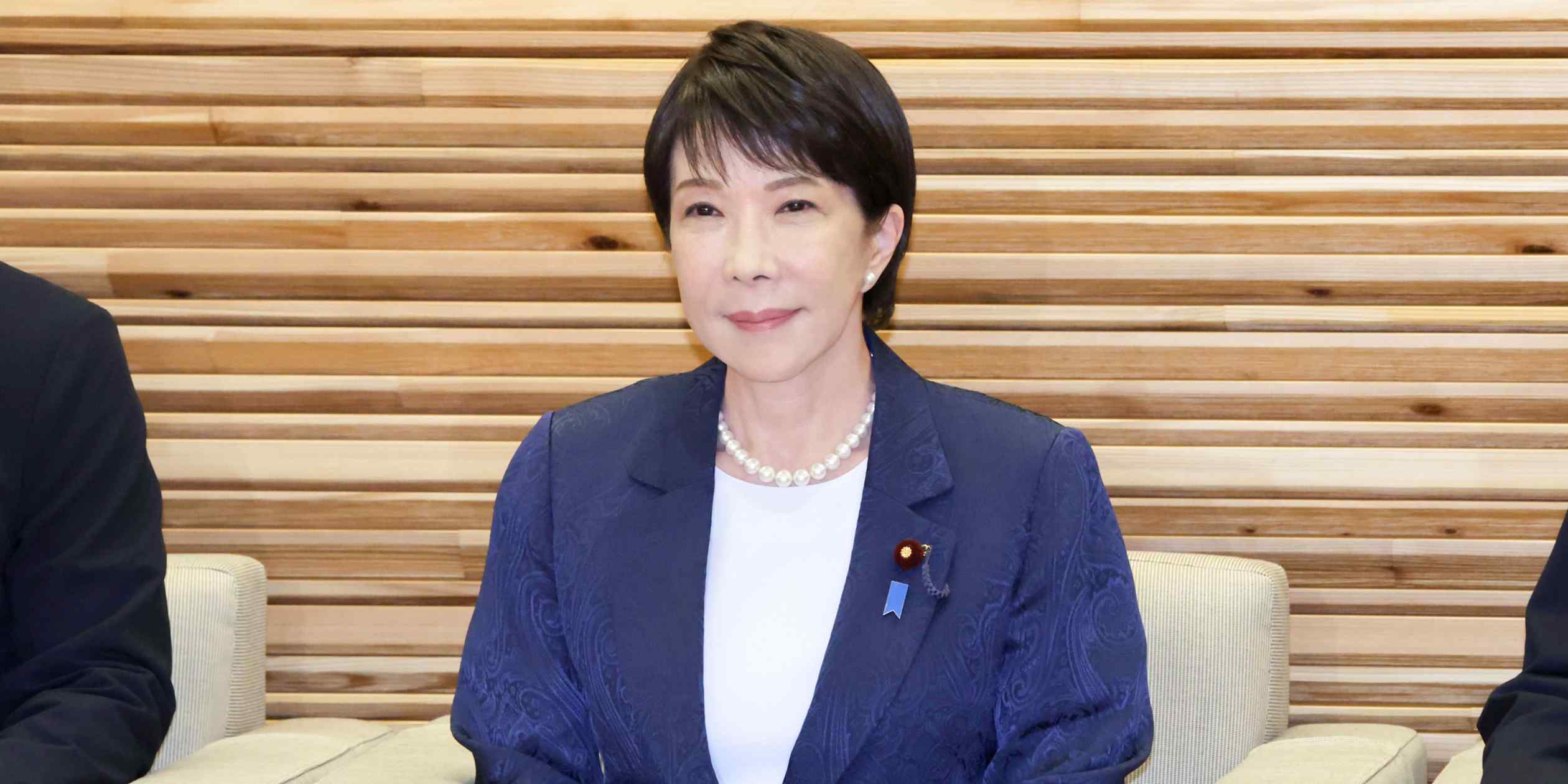
关于防卫开支,“我们将在充分考虑财政可持续性的前提下推进讨论”,首相高市早苗周四对记者表示。
On defense spending, "we'll proceed with discussions while giving full consideration to fiscal sustainability," Prime Minister Sanae Takaichi told reporters Thursday.
“我们不会从一个固定金额着手,而是将基于具体且现实的考量,累积必要的能力和项目”,高市说。
"We won't start with a fixed amount but rather will build up the necessary capabilities and projects based on concrete and realistic considerations," Takaichi said.
防卫省的开支计划与暂时将食品消费税从8%降至1%所需的资金形成对立。这一减税大约需要10万亿日元。
The ministry's spending plan is pitted against the funding needed to temporarily lower the consumption tax on food to 1% from 8%. Roughly 10 trillion yen is needed for the tax reduction.
“消费税减税被赋予最高优先级,这将对其他政策产生影响”,高市领导的执政党自由民主党一位高级官员表示。
"The consumption tax cut is being given top priority, and this will have repercussions on other policies," said a senior official in Takaichi's ruling Liberal Democratic Party.
增长投资是政府议程的另一支柱,与消费税减税和增加防卫开支并列。预计到2040财年,将通过公私合作投入约370万亿日元。仅在2027财年预算要求中,就在这一领域分配了12万亿日元。
Growth investment is another leg in the government's agenda, along with the consumption tax cut and stepped-up defense spending. Around 370 trillion yen is expected to be spent via public-private partnerships through fiscal 2040. For the fiscal 2027 budget request alone, 12 trillion yen is being allocated on this front.
11月初,高市表示,日本银行加速抛售交易所交易基金(ETF)的收益将用于投资关键经济安全领域。“实现通向进一步增长的经济良性循环是适当的”,她说。
In early November, Takaichi said proceeds from the Bank of Japan's accelerated sales of exchange-traded funds would be used to invest in key economic security areas. "It's appropriate to realize a virtuous economic cycle that will lead to further growth," she said.
与此同时,自民党内部也出现了一系列要求进一步增加防卫费的呼声。自民党安全保障调查会的一位干部表示:“压缩额度‘无法切实强化防卫力’。”
Meanwhile, there have been a series of calls from within the LDP for further increases in defense spending. Reining in the allocation "would not realistically strengthen our defense capabilities," said a senior official on the party's Research Commission on Security.
日本维新会作为自民党的在野联合伙伴,其安全保障调查会会长前原诚司周五在党内会议上表示:“至少需要70万亿日元的基础额算。”
"A base of at least 70 trillion yen is necessary," said Seiji Maehara, chair of the same commission in the Japan Innovation Party, the LDP's junior coalition partner, at a party meeting Friday.
外界担心防卫费增加将伴随增税。提高法人税的提议在政府和自民党内部依然存活。
There are concerns that an increase in defense spending will be accompanied by tax hikes. A proposal to raise corporate taxes has been kept afloat in the government and the LDP.
亲近防卫界的自民党议员往往非常重视财政纪律。自民党安全保障调查会的多名成员对降低消费税表达了谨慎态度。该调查会会长滨田靖一表示:“防卫预算‘一定需要有财源’。”
LDP members aligned with the defense sector tend to focus heavily on fiscal discipline. Several members of the party's Research Commission on Security have expressed caution about lowering the consumption tax. "There must certainly be a source of funding for the [defense] budget," said Yasukazu Hamada, who chairs the commission.