欧盟周三宣布计划设立一项最高达500亿欧元的基金,以推动人工智能和量子计算发展,同时推出新规则,在公共合同中优先考虑欧盟企业。该集团旨在2030年前成为量子技术领域的世界领导者,避免进一步落后于美国和中国。
The European Union announced plans on Wednesday for a fund of up to €50 billion to boost artificial intelligence and quantum computing, alongside new rules favouring EU companies for public contracts. The bloc aims to lead the world in quantum technology by 2030 and avoid losing further ground to the United States and China.
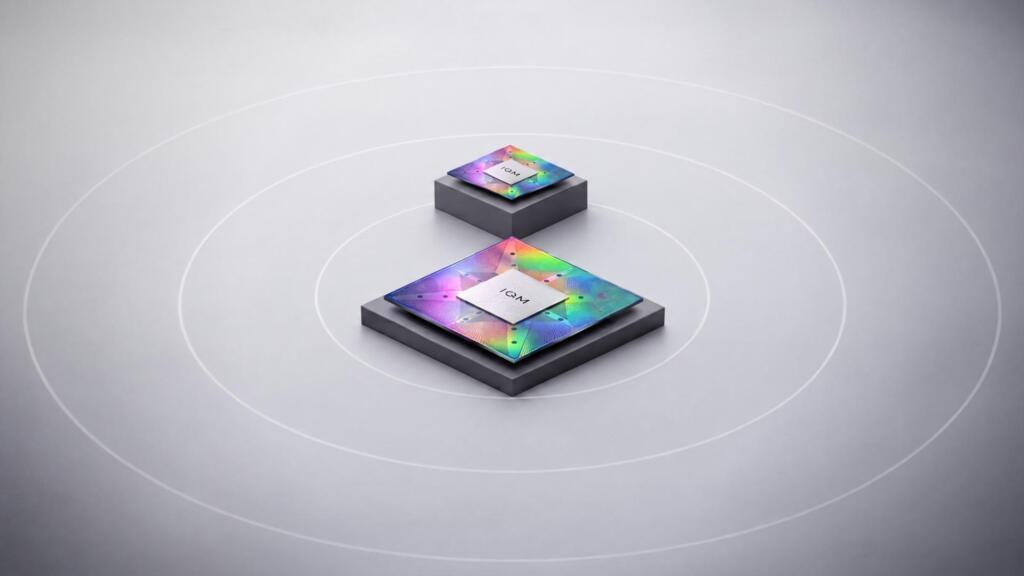
芬兰公司IQM开发并制造量子计算机,图为其量子计算芯片示意图。欧盟宣布设立500亿欧元技术基金计划,寻求在2030年前成为量子计算领域的全球领导者。© Business Wire“我们想要建立一只基金,目前的目标规模是500亿欧元,”欧盟技术事务主管亨娜·维尔库宁在斯特拉斯堡欧洲议会的新闻发布会上表示,称其为“足够的起步点”。
这只主权技术股权基金还将支持欧洲为保持自主能力和经济安全所需的其他关键技术。
An illustration of quantum computing chips from IQM, a Finnish company that develops and builds quantum computers. The EU has announced plans for a €50 billion technology fund as it seeks to become a global leader in quantum computing by 2030. © Business Wire “We want to build a fund and our target scale is now €50 billion,” EU technology chief Henna Virkkunen told a press conference at the European Parliament in Strasbourg, calling it a “sufficient starting point”. The Sovereign Tech Equity Fund would also support other critical technologies that Europe needs to stay self-reliant and economically secure.
量子计算利用支配原子乃至更微小粒子的物理定律,解决某些问题的速度远超传统计算机。
Quantum computing uses the laws of physics that govern atoms and even smaller particles to solve certain problems much faster than traditional computers.
欧盟预期的益处包括新药研发、更早的医学诊断、高效电池和更安全的军事通信。该技术甚至可能加速人工智能发展。
New medicines, earlier medical diagnoses, highly efficient batteries and more secure military communications are among the benefits the EU expects. The technology could even speed up AI development.
尽管前景广阔,量子计算也带来网络安全风险——包括破解保护数字数据的加密代码的能力。
Despite this promise, quantum computing also carries cybersecurity risks – including the ability to break the codes that protect digital data.
“量子技术将塑造工业、安全和创新的未来,并将对我们的社会产生深远影响,”维尔库宁说。“欧洲需要现在就加速。”
“Quantum technologies will shape the future of industry, security and innovation, and they will have a profound impact on our societies,” Virkkunen said. “Europe needs to accelerate now.”
Mistral掌门人否认法国AI公司是马克龙的“个人项目”
优先考虑欧盟企业欧洲在人工智能开发、芯片和云计算方面落后于美国和中国。
Priority for EU companies Europe trails the United States and China in AI development, chips and cloud computing.
担心美国企业可能利用所谓的“熔断开关”让其产品在欧洲停止运行,促使欧盟开发自己的替代方案。
Concerns that US firms could use so-called kill switches to stop their products working in Europe have pushed the EU to develop its own alternatives.
草案立法称,拟议的《量子法案》将把某些公共合同限制为由欧盟控制的企业承接,因为量子技术可能对安全和欧盟的战略利益产生影响。
The proposed Quantum Act would restrict certain public contracts to EU-controlled businesses because of the possible impact of quantum technology on security and the bloc's strategic interests, the draft legislation said.
欧盟委员会表示:“这并非要求每个组件都必须在欧盟制造的全面规定。”
“This is not a blanket requirement that every component be manufactured in the EU,” the European Commission said.
草案称,与欧盟建立双向伙伴关系的国家的企业也可竞标这些合同。
Companies from countries that have two-way partnerships with the EU could also bid for these contracts, the draft said.
维尔库宁表示,欧洲在量子领域仍对与“志同道合的国际伙伴”合作持开放态度。
Europe remains open to working with “like-minded international partners” in the quantum field, Virkkunen said.
欧盟成员国和欧洲议会将在未来几个月就草案立法进行谈判,然后才能成为法律。
EU member states and the European Parliament will negotiate the draft legislation over the coming months before it can become law.
民主党中期选举获胜威胁美国关键州数据中心繁荣
争夺私人投资欧盟委员会表示,全球约三分之一的量子公司位于欧盟。
Race for private investment Around a third of the world's quantum companies are based in the EU, the Commission said.
去年,欧盟在量子技术方面的公共资金达到86亿欧元,而美国为53亿欧元,中国为136亿欧元。
Public funding for quantum technology in the EU reached €8.6 billion last year, against €5.3 billion in the United States and €13.6 billion in China.
欧洲是量子研究的世界领导者,但在将这些工作转化为商业机会方面落后。
Europe is a world leader in quantum research but lags behind in turning that work into business opportunities.
维尔库宁表示,欧洲量子初创企业仅吸引了全球5%的私人资金,而美国占50%。
European quantum start-ups attract only 5 percent of global private funding, compared with 50 percent in the United States, Virkkunen said.
她说:“由于成员国之间支持的碎片化,以及与美国和中国相比获得私人资本的机会较少,我们的产业生态系统很脆弱。”(通讯社供稿)
“Our industrial ecosystem is fragile due to fragmented support across the member states and also lower access to private capital compared to USA and China.”(with newswires)