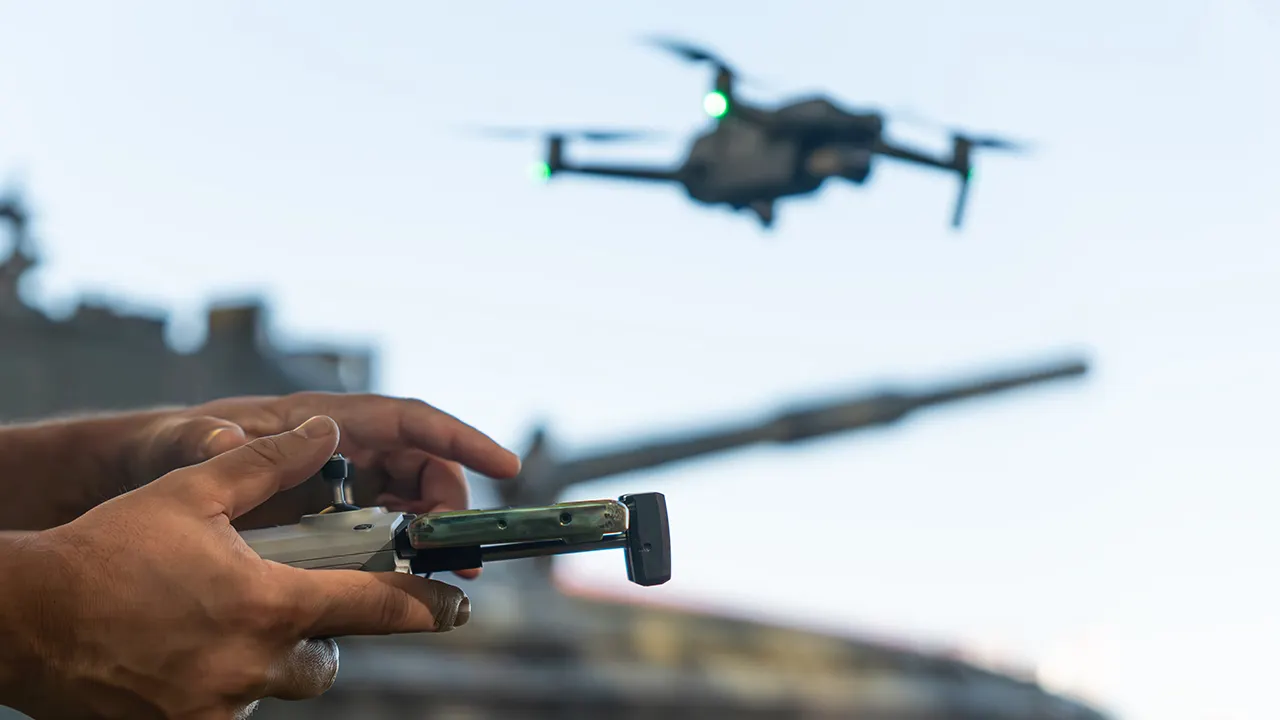
在技术发展的迅速发展中,美国陆军的新领导层正在寻求停止使用人工智能和其他工具,因为这些工具迫使该部门同时进行太多的转型。
Amid a rapid rise in technological developments, the U.S. Army’s new leadership is looking to pull back on using artificial intelligence and other tools it feels forced the branch to transform too much all at once.
将军担任代理参谋长的陆军副参谋长克里斯托弗·拉内夫(Christopher LaNeve)周一概述了在经过多年无人机、人工智能和其他新兴技术实验后,他希望如何缩小该军种的全面现代化进程。
Gen. Christopher LaNeve, the Army vice chief serving as acting chief of staff, outlined on Monday how he hopes to narrow the service’s sweeping modernization push after years of experimentation with drones, artificial intelligence and other emerging technology.
“有很多很多的动作,”拉内夫告诉一小群记者。“这几乎就像一切都在同时发生转变。“你不可能让自己成为最好的机动旅指挥官,”拉内夫说。
"There was a lot, a lot of motion," LaNeve told a small group of reporters. "It was almost like everything was being transformed at once." "You can't AI yourself to be the best maneuver brigade commander out there," LaNeve said.
陆军转型计划迅速将新技术推向编队,并鼓励全面实验。陆军领导人认为这一努力加速了变革,但周一承认,其广度在整个部队中引发了巨大的活动。
The Army Transformation Initiative pushed new technology rapidly into formations and encouraged experimentation across the board. Army leaders credited that effort with accelerating change but acknowledged Monday that its breadth created enormous activity across the force.
美国内部的激光革命,军队接近大战场突破该部门现在正准备推出“陆军如何战斗”,这是一个新框架,旨在将多年的实验转化为一套更有针对性的决策,该决策涉及军种将优先考虑什么技术、它在陆军编队中的位置以及部队将如何组织和支出未来战争。
INSIDE AMERICA'S LASER REVOLUTION AS THE MILITARY NEARS BIG BATTLEFIELD BREAKTHROUGH The branch is now preparing to unveil "How the Army Fights," a new framework intended to turn years of experimentation into a more focused set of decisions about what technology the service will prioritize, where it belongs in Army formations and how the force will organize and spend for future wars.
新蓝图指出:“陆军不能也不应该同时实现一切现代化。”“答案是有重点的现代化。"
"The Army cannot and should not modernize everything at once," the new blueprint states. "The answer is focused modernization."
中士陆军少校迈克尔·韦默说,通过技术推动进行的实验产生了必要的学习,但他坚持认为,陆军已经到了需要“放弃粉笔线,真正开始做出一些决定”的地步。“这些决定包括哪些技术值得投资,它们属于陆军编队的哪里,以及哪些战区优先考虑-服务承认它无法同时改变一切。陆军领导人尚未透露什么将被搁置。
Sgt. Maj. of the Army Michael Weimer said experimentation through the technology push produced necessary learning, but insisted that the service had reached a point where it needed to "drop the chalk line and actually start making some decisions." Those decisions include which technologies warrant investment, where they belong in Army formations and which theaters take priority — with the service acknowledging it cannot afford to transform everything simultaneously. Army leaders aren't yet saying what will fall by the wayside.
当被问及随着服务部门缩小焦点,“剪辑室地板上”还剩下什么时,拉内夫说,“我不确定我们是否准备好说我们现在正在削减什么。“但有一项投资正在毫无疑问地转移到前线。
Asked what was being left "on the cutting room floor" as the service narrows its focus, LaNeve said, "I'm not sure we're prepared to say what we're cutting out now." But one investment is moving unmistakably to the front of the line.
“如果你问我我的首要现代化优先事项是什么,我会说指挥和控制,”拉内夫说。这种转变是在陆军更广泛的领导层改组之际展开的。
"If you ask me what my number one modernization priority would be, I would say command and control," LaNeve said. The shift is unfolding amid a broader leadership shake-up at the Army.
代理陆军部长亚当·泰尔(Adam Telle)接替其前任丹·德里斯科尔(Dan Driscoll)上个月辞职,此前有报道称,他与战争部长皮特·赫格塞斯(Pete Hegseth)发生了数月的摩擦,后者早些时候曾罢免了陆军参谋长兰迪·乔治(Randy George)将军,后者是德里斯科尔的亲密盟友,曾帮助领导了该部队的转型推动。
Acting Army Secretary Adam Telle took over after his predecessor, Dan Driscoll, resigned last month following months of reported friction with War Secretary Pete Hegseth, who had earlier ousted Army Chief of Staff Gen. Randy George, a close Driscoll ally who helped lead the service’s transformation push. Telle, a former Trump White House aide, was tapped days later to lead the Army in an acting capacity and was publicly praised by Hegseth as "strong and whip smart."
特勒曾是特朗普的白宫助手,几天后被任命为代理陆军司令,赫格塞斯公开称赞他“坚强而聪明。在上任后的首次新闻采访中,泰尔将《陆军如何战斗》描述为随着技术迅速改变战场,为陆军现代化工作带来更大一致性的一种方式。
In his first press interview since taking the job, Telle described "How the Army Fights" as a way to impose greater coherence on the service’s modernization efforts as technology rapidly changes the battlefield.
在丹·德里斯科尔辞职后,特朗普任命亚当·泰勒为陆军代理部长。该战场被设想为部队与自主系统一起行动,并在持续的无人机监视下进行行动,而人工智能则帮助指挥官筛选大量的传感器数据,并在“数秒和数分钟而不是数小时”内识别目标。“陆军还希望自主系统承担目前由士兵执行的一些最危险的工作-这包括侦察,再补给和突破敌人的障碍。
TRUMP NAMES ADAM TELLE ACTING SECRETARY OF THE ARMY FOLLOWING DAN DRISCOLL'S RESIGNATION That battlefield is envisioned as one in which troops operate alongside autonomous systems and under persistent drone surveillance, while AI helps commanders sift through massive amounts of sensor data and identify targets in "seconds and minutes rather than hours." The Army also wants autonomous systems taking on some of the most dangerous jobs that are currently performed by soldiers — this includes reconnaissance, resupply and breaching enemy obstacles.
但陆军领导人反对无人机和人工智能的进步削弱了传统地面部队的重要性。
But Army leaders are resisting the idea that advances in drones and AI have diminished the importance of traditional ground forces.
蓝图指出:“自治系统使士兵能够破坏和破坏,但它们永远无法取代控制土地和巩固成果所需的人类判断力、领导力和士兵的身体存在。”
"Autonomous systems enable Soldiers to destroy and disrupt, but they can never replace the human judgment, leadership, and physical presence of Soldiers required to control the land and consolidate gains," the blueprint states.
陆军正在从最近的冲突中大量汲取资金,包括乌克兰、加沙和印巴冲突,同时围绕其最苛刻的潜在对手:中国建立新框架。
The Army is drawing heavily from recent conflicts, including Ukraine, Gaza and the India-Pakistan conflict, while building the new framework around its most demanding potential adversary: China.
HTAF将中国人民解放军确定为“节奏威胁”,并表示陆军必须以冷战时期领导人带到苏联的相同制度重点来组织、训练和装备对抗它。
HTAF identifies China's People's Liberation Army as the "pacing threat" and says the Army must organize, train and equip against it with the same institutional focus Cold War-era leaders brought to the Soviet Union.
该蓝图还假设未来的重大战争可能会波及到离家更近的地方。它警告说,美国本土不能再被视为避难所,对手可能会使用网络攻击,破坏和无人机来破坏部署美国军队所需的港口,机场和其他基础设施。
The blueprint also assumes a future major war could reach much closer to home. It warns the U.S. homeland can no longer be treated as a sanctuary, with adversaries potentially using cyberattacks, sabotage and drones to disrupt the ports, airfields and other infrastructure needed to deploy American forces.
对于Telle来说,挑战在于将快速发展的技术融入到一个连贯的军队中,而不是追逐每一个出现的新系统。他把个人武器和技术比作圣诞树上的装饰品。“军队如何战斗真的是挂这些装饰品的树,”特勒说。
For Telle, the challenge is fitting rapidly evolving technology into a coherent Army rather than chasing every new system that emerges. He compared individual weapons and technologies to ornaments on a Christmas tree. "How the Army Fights is really the tree to hang those ornaments on," Telle said.