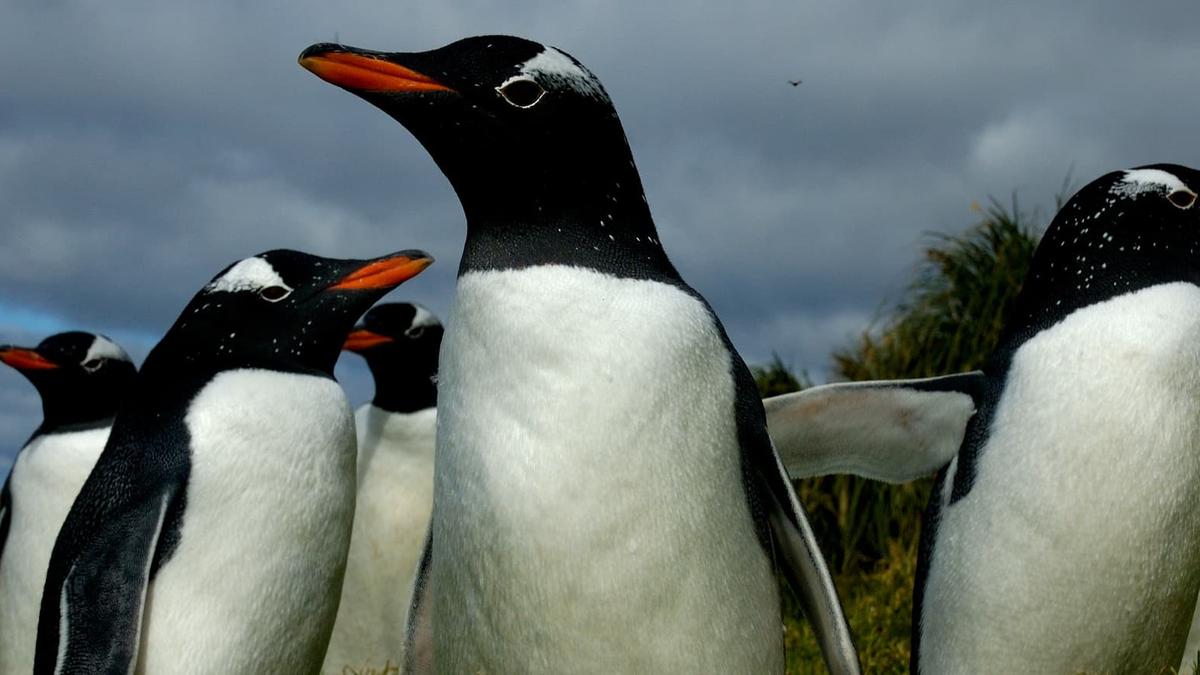
一份严厉的全球报告显示,在过去五年中,澳大利亚一些最濒危动物的数量下降了超过70%,而老虎和南部非洲象等广受欢迎的动物则开始恢复。世界自然基金会(WWF)发布的《2026年地球生命报告》调查了5790个物种的种群趋势,发现麦夸里岛上的白眉企鹅数量急剧减少,澳大利亚北部的狐猴类和绿环尾有袋兽数量也大幅下滑。
Numbers of some of Australia’s rarest animals have fallen by more than 70 per cent in the past half a decade, a scathing global report has found, as beloved animals such as tigers and southern African elephants begin to bounce back. The World Wildlife Fund’s Living Planet Report 2026, which surveyed population trends among 5790 species, found steep falls in the number of gentoo penguins on Macquarie Island, as well as the lemuroid and green ringtail possums in Australia‘s north.
WWF警告称,这些物种中许多已濒临受威胁状态,正面临栖息地丧失、过度开发、气候变化和种群衰退等问题。活动人士指出,这些问题源于“食品、能源和金融体系中的更广泛系统性失败”。然而,WWF的报告也发现,全球受调查物种中有一半的种群数量保持稳定或有所增长,但下降趋势拉低了整体平均水平。这些恢复物种包括过度捕捞的蓝鳍金枪鱼——其太平洋种群数量曾降至历史水平的2%——老虎的多个亚种,以及南部非洲象——尽管仍处于濒危状态,但在某些地区的数量有所增加。
WWF warned the species, many of which are close to becoming threatened, faced habitat loss, overexploitation, climate change, and population decline – driven, advocates said, by “broader systemic failures across the food, energy, and finance systems”. However, the WWF report also found half of the populations surveyed worldwide were stable or increasing in size, with the size of the downward trends dragging the average. Those included the overfished bluefin tuna – the population of which in the Pacific fell to as low as two per cent of unfinished levels – species of tiger, and southern African elephants – which, while remaining endangered, had increased in population in some locations.
曾经遭受捕鲸业重创的座头鲸数量自20世纪60年代以来激增,从200至500头增至多达6万头,昆士兰州南部的赫维湾便是其中之一。WWF澳大利亚首席执行官德莫特·奥戈曼表示,尽管自然“正承受着巨大压力……但对我们这一代人来说,教训已经非常明确”。他说:“我们不能用制造今日困境的同一种稀缺思维来解决这些问题。”
Humpback whales, once subject of whaling, had skyrocketed since the ‘60s from 200-500 animals to as many as 60,000, including in Hervey Bay in southern Queensland. WWF Australia chief executive Dermot O’Gorman said while nature was “under pressure … the lesson for our generation is clear”. “We cannot solve today’s challenges with the same scarcity mindset that helped create them,” he said.
奥戈曼先生认为,报告中取得的成果“应该让我们重拾信心”。他说:“在许多人对未来感到焦虑的时刻,答案不是退缩到恐惧之中。现在正是选择希望、抱负和行动的时候。”
Mr O’Gorman said success found in the report should “give us confidence”. “That at a time when many people are anxious about the future, the answer is not to retreat into fear. Now is the time to choose hope, ambition and action,” he said.
“我们清楚导致自然生态丧失的原因,也了解许多行之有效的措施。如今,我们已具备所有必要的解决方案,可以构建出既能造福人类又能保护自然的再生性食品、能源和金融体系。”世界自然基金会(WWF)国际总干事柯尔斯滕·斯胡伊特(Kirsten Schuijt)表示,为了延续保护工作的成功,各产业和体系“亟需转型”。她补充道:“进展已经展开,虽然尚未遍及所有地区,也还未达到所需的规模,但已足以证明变革是可能的。”
塔斯马尼亚大学学者佩妮·帕斯科(Penny Pascoe)指出,作为澳大利亚海外领地麦夸里岛上的阿德利企鹅,其数量下降的速度近年来略有减缓,但“整体趋势仍然呈下降态势”。帕斯科博士表示:“麦夸里岛是南太平洋区域阿德利企鹅唯一的繁殖地,也是澳大利亚境内仅有的两个繁殖地之一……因此,我们在麦夸里岛观察到的数量下降,对该地区的这一物种以及澳大利亚而言都是重大担忧。我们仍未明确具体原因,但正在开展更多追踪和饮食研究,以加深我们对潜在驱动因素的理解。然而,仍有许多工作要做,尤其是考虑到(禽流感)的出现给这一种群带来了新的威胁。”
“We know what is driving nature loss, we know much of what works, and we have today all the solutions at hand to build regenerative food, energy and finance systems that work for both people and nature.”To continue conservation successes, industries and systems “need to be transformed”, WWF International director general Kirsten Schuijt said. “Progress is already underway,” she said. “Not everywhere, and not yet at the scale required, but enough to demonstrate that change is possible.” 50 per cent penguin decline University of Tasmania academic Penny Pascoe said the rate of decline among gentoo penguins on Macquarie Island, an overseas Australia territory, had slowed slightly in recent years, but that “the trend is still negative”.
詹姆斯·库克大学生态学家亚历杭德罗·德·拉·富恩特(Alejandro de la Fuente)表示,自20世纪90年代以来,澳大利亚湿热带地区的勒穆狸猴和绿环尾有袋兽种群数量已下降了多达70%。德·拉·富恩特博士说:“在山脉较温暖、海拔较低的区域,这些物种的种群不仅数量减少,甚至已经彻底消失。令人惊讶的是,两种极为相似的有袋兽生活在同一片森林中,却因不同的机制而面临衰退,而这些机制都与气候变化有关。当热应激持续超过五小时且无法获得水源时,绿环尾有袋兽会因过热和脱水而生存率大幅下降。”
“Macquarie Island is the only breeding area for gentoo penguins in the Pacific sector of the Southern Ocean, and one of just two breeding sites within Australian territories … so the decline we are seeing on Macquarie is a big concern for the species in this region and for Australia,” Dr Pascoe said.
“当夜晚过于炎热时,勒穆罗亚环尾有袋兽就无法安全觅食。”德拉富恩特博士表示,保护这些“仍在坚持”的有袋兽的“时间窗口非常有限”,其中包括在旱季末期提供水源。“我们能为这些物种争取一些时间,但无法为它们创造新的气候,”他说。“这些是古老且不可替代的动物,地球上其他地方都找不到它们的身影,而我们是有机会保护它们的最后一代。”
“We still don’t know the cause, but additional tracking and dietary research is being done to increase our understanding of potential drivers. “More still needs to be done however, particularly with the additional threats the population is now facing from the arrival of (bird flu).” James Cook University ecologist Alejandro de la Fuente said populations of lemuroid and green ringtail possums had declined by as much as 70 per cent across Australia’s Wet Tropics since the ‘90s. “At the warmer, lower edges of the mountains, populations haven’t just declined, they’ve vanished,” Dr de la Fuente said. “The surprise was that two very similar possums, living in the same forests, are declining due to different processes, both driven by climate change. “When heat stress lasts more than about five hours without access to water, green ringtail possums overheat and dehydrate, and survival drops. When nights are too hot, lemuroid ringtail possums can’t forage safely.” Dr de la Fuente said “the window is narrow” to help protect the possums “still hanging on”, including by providing water in the late-dry season. “We can buy these species time, but we can’t buy them a new climate,” he said. “These are ancient, irreplaceable animals, found nowhere else on Earth, and we’re the last generation with a chance to keep them.”