Inside Climate News气候报道组的一份新报告勾勒出了全球野生动物现状的黯淡图景——但也捕捉到了一些种群正在回升的微光。
Inside Climate News Climate Desk A new report paints a dark picture of the state of global wildlife—but also highlights flickers of light where some populations are on the upswing.
非营利组织世界自然基金会与伦敦动物学会于上周三发布了《地球生命力》报告,报告显示,在过去半个世纪里,全球数千种脊椎动物的种群数量平均下降了73%。栖息地丧失、过度开发和气候变化等多种因素导致了这一急剧下降。
Over the past half-century, populations of thousands of vertebrate species across the globe have decreased in size by 73 percent on average, according to the“Living Planet” report published this past Wednesday by the nonprofits World Wildlife Fund and the Zoological Society of London. A number of factors contributed to this precipitous decline, including habitat loss, overexploitation and climate change.
然而,该报告的作者表示,对某些地区和生物群落的更仔细审视带来了一丝希望。他们研究的种群中,大约有一半保持稳定甚至在增加。世界自然基金会首席科学家、该报告主要作者丽贝卡·肖表示,尽管这些增长被其他地方更大规模的损失所抵消,但它们表明,坚定的保护工作已经为绿海龟和蓝鳍金枪鱼等物种带来了改变。
However, a closer look at certain regions and biomes offers reasons for hope, the report’s authors say. Roughly half the populations they studied are stable or even increasing. Though these gains are outweighed by the greater magnitude of losses elsewhere, they show that concerted conservation efforts have made a difference for species such as green sea turtles and bluefin tuna, according to lead author Rebecca Shaw, the chief scientist at the World Wildlife Fund.
肖说:“这份报告聚焦于希望,因为尽管头条统计数据非常非常严峻……但我们在统计数据背后看到的是某些物种的真实进展。”
“The report focuses on hope because even though the headline statistic is really, really stark…what we see underlying the statistic is some real movement in some species,” Shaw said.
尽管取得了这些成功,但报告强调了通过改变推动物种灭绝的三大系统(即食物、能源和金融)来应对全球范围内生物多样性丧失的重要性。
Despite these successes, the report stressed the importance of tackling biodiversity loss at a global scale by changing the three major systems driving extinction: food, energy, and finance.
《地球生命力》报告大约每两年发布一次。最新报告利用了来自动物界5790个脊椎动物物种的数万个种群的数据——从莱桑信天翁到环尾狐猴。
The “Living Planet”reports are released roughly every two years. The latest taps into data from tens of thousands of populations of 5,790 vertebrate species across the animal kingdom—from Laysan albatross to ring-tailed lemurs.
研究人员没有统计动物数量的净损失或净增加,而是衡量了种群相对丰度的变化。这意味着,从200只降至100只的一小群猴子,与从2万只骤降至1万只的大群蝙蝠,都经历了同样达50%的损失。
Rather than tallying the total number of animals lost or gained, the researchers measured changes in relative abundance of populations. That means a small population of monkeys that has dropped from 200 to 100 would have experienced the same 50 percent loss as a large colony of 20,000 bats that has dipped to 10,000.
伦敦动物学会研究员路易丝·麦克雷表示,这种方法使研究人员能够比较不同人群的数据,并更好地追踪总体趋势。她参与编制《生命星球指数》,该指数为本报告提供依据。
This method allows researchers to compare data from different populations and better track overall trends, said Louise McRae, a research fellow at the Zoological Society of London who works on the Living Planet Index that informs the report. “The reason we do that is so that we can get a good picture of what is happening across different species by giving them equal weight within this index,” she said.
她说:“我们这样做的原因是,通过在该指数中赋予各物种同等权重,我们可以获得不同物种发生情况的清晰图景。‘我们正在获得关于环境健康状况的更好信号。’因此,虽然新报告并不意味着如今野生脊椎动物总数比1970年少了73%,但它确实显示出报告所监测的种群平均正在急剧下降。然而,深入分析这些数字会揭示出全球野生动物面临的多样化故事。”
“We’re getting a better signal of the health of the environment.”So while the new report does not mean there are 73 percent fewer wild vertebrate animals in total today than in 1970, it does show populations the report monitored are plummeting on average. However, diving deeper into the numbers reveals the varied stories playing out for wildlife around the world.
按地理区域划分,拉丁美洲和加勒比地区的监测物种种群面临最显著的下降,1970年至2022年平均下降了95%。同一时期,北美以及欧洲和中亚合并地区的种群下降了约25%,尽管作者指出,这些地区在1970年前就已经对自然产生了大规模影响。非洲以及亚洲和太平洋地区的种群下降幅度分别为80%和49%。
By geography, monitored species populations have faced the most significant decline in Latin America and the Caribbean, with an average 95 percent decrease from 1970 to 2022. In that same timeframe, North America and the combined regions of Europe and Central Asia have seen around 25 percent declines, though the authors pointed out that development in those areas had already had large-scale impacts on nature prior to 1970. Declines in Africa and the Asia and the Pacific region were 80 percent and 49 percent, respectively.
研究人员还按生物群落对数据进行了细分。淡水物种是明显的“输家”,总体下降了85%,远高于陆生或海洋物种——尽管这些脊椎动物也正面临重大损失。
The researchers also broke the numbers down by biome. Freshwater species were the clear losers, seeing an overall decline of 85 percent—significantly more than terrestrial or marine species, though these vertebrates are also seeing major losses.
该报告将淡水物种数量的急剧下降归咎于多种因素,包括污染、过度捕捞,以及水力发电大坝等基础设施造成的栖息地丧失。报告中涉及的受影响物种范围广泛,从美国西部的奇努克鲑鱼等洄游鱼类,到巴西的亚马逊河粉豚——仅在1994年至2016年期间,该物种在亚马孙州的马米劳阿可持续发展保护区内就暴跌了65%。
The report attributed the nosedive in freshwater species to a number of factors, including pollution, overharvesting, and habitat loss caused by infrastructure such as hydropower dams. Impacted species included in the report range from migratory fish such as Chinook salmon in the Western United States to the Amazon pink river dolphin in Brazil, which plummeted by 65 percent between 1994 and 2016 alone in the Mamirauá Sustainable Development Reserve in the state of Amazonas.
对于陆栖物种而言,栖息地的丧失和退化是导致生物多样性下降的主要原因,而海洋生物则面临来自过度捕捞的重大威胁。
For terrestrial species, habitat loss and degradation drove much of the biodiversity decline, while marine life faced major threats from overfishing.
未参与该报告的哥伦比亚大学副研究员维奥雷尔·波佩斯库表示,将这些对绝大多数公众而言基本不可见的“海量数据”推向“前台”是很有价值的。但他补充说,考虑到该报告仅关注了作者所分析的脊椎动物物种,它对生物多样性总体损失的估算可能偏低。其他科学家也呼应了波佩斯库指出的这一批评,他提到了许多昆虫种群的崩溃,昆虫约占地球上所有已知动物物种的三分之二。事实上,仅甲虫就占了所有动物物种的25%。波佩斯库说:“这些下降趋势可能会更加剧烈。”
Viorel Popescu, an associate research scientist at Columbia University who wasn’t involved in the report, said it’s valuable to bring these “huge amounts of data” that are largely invisible to most of the public “to the forefront.”But he added that the report may be an underestimate of total biodiversity losses, given that it only focuses on vertebrate species the authors analyzed. Other scientists have echoed this critique Popescu pointed to the collapse of many populations of insects, which make up roughly three-quarters of all known animal species on Earth. In fact, beetles alone account for 25 percent of all animal species. “Those declines could be even more drastic,” Popescu said.
该报告还指出了世界各地的亮点。例如,在2025年,绿海龟成为第一种被非营利组织“国际自然保护联盟”降低濒危等级的海龟,这意味着其全球种群数量已增加到不再被视为濒危动物的程度。
The report also pointed to bright spots around the world. For example, in 2025, the green sea turtle became the first marine turtle to be downlisted by the nonprofit International Union for Conservation of Nature, which means populations increased enough around the world for the animal to no longer be considered endangered.
然而,这一恢复并非一朝一夕之功。据该报告显示,一项在80多个国家展开、历时大约五十年的协同保护工作帮助种群数量得以重建,其措施包括保护筑巢雌龟及龟卵、海滩管理、照明法规、海龟逃逸装置及其他减少副渔获物的措施,以帮助减少海龟被渔具缠绕的情况。
But this recovery didn’t happen overnight. According to the report, a roughly five-decade coordinated conservation effort launched across more than 80 countries helped populations rebuild through protecting nesting females and eggs, beach management, lighting regulations, turtle excluder devices and other bycatch reduction measures to help reduce sea turtle entanglements in fishing gear.
“尽管核心数据非常、非常显眼……但我们在这组数据背后看到的是某些物种实实在在的进展。”在各项保护倡议和更严格的行业法规出台之后,研究人员还记录到了老虎、非洲南部象以及大西洋和太平洋蓝鳍金枪鱼等物种数量的增长。
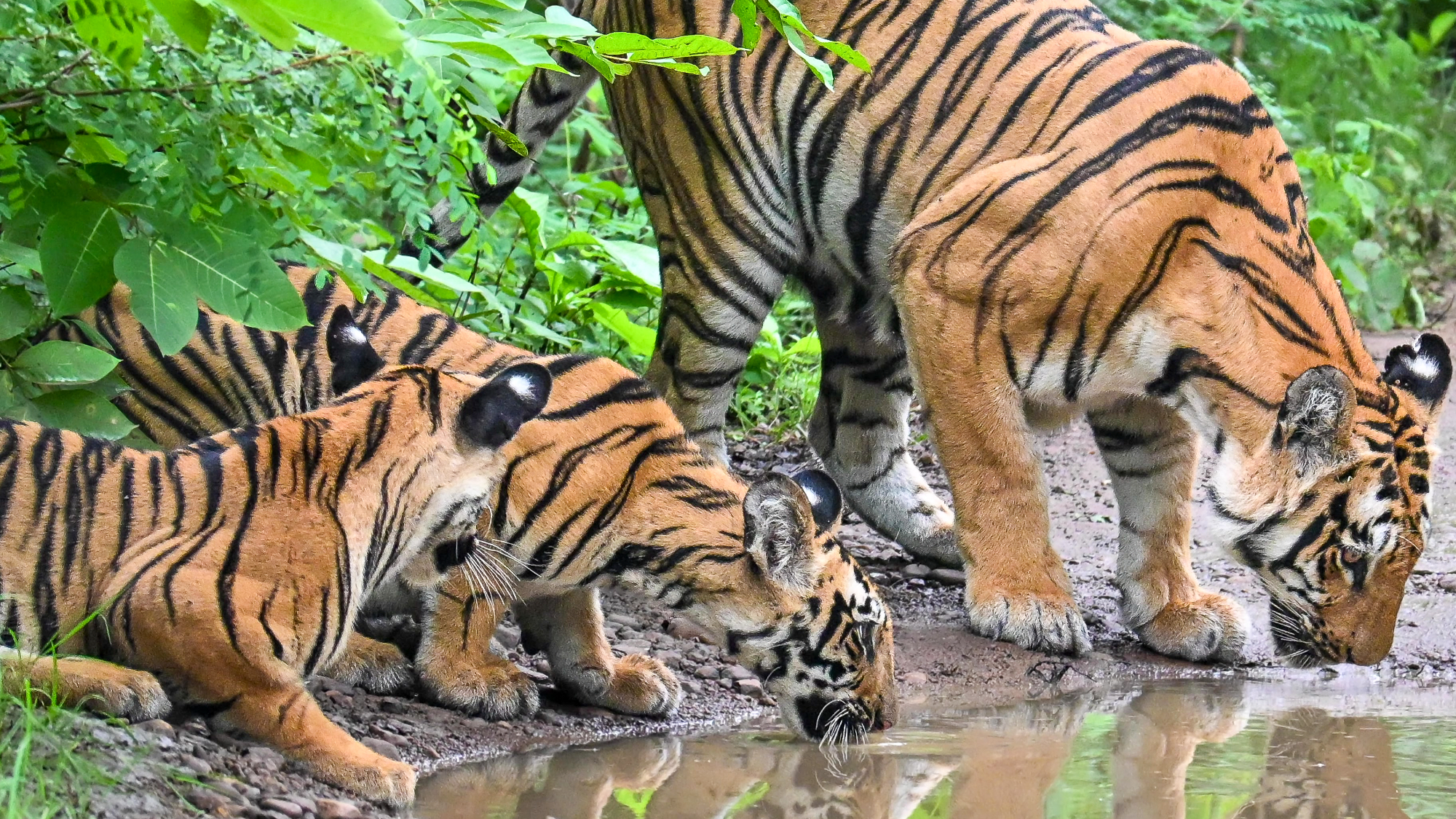
“Even though the headline statistic is really, really stark… what we see underlying the statistic is some real movement in some species” Researchers have also documented population increases for species such as tigers, Southern African elephants and Atlantic and Pacific bluefin tuna following conservation initiatives and stricter industry regulations.
然而,专家表示,旨在帮助物种免于陷入绝境的努力正艰难获取必要的资金,以应对不断加剧的全球物种灭绝危机。在美国,特朗普政府对国内和国际的保护项目进行了大幅削减。
However, efforts to help pull species from the brink are struggling to secure the necessary funding to meet the accelerating global extinction crisis, experts say. In the United States, the Trump administration has made deep cuts to conservation programs, both domestically and internationally.
伦敦动物学会首席保护官安德鲁·特里(Andrew Terry)在给《气候内幕》的一封电子邮件声明中表示:“从历史来看,各国政府和国际机构的发展援助预算构成了全球保护资金的主体,其重点是支持与野生动物毗邻而居的社群。北方半导体(注:原文如此)各国的政府对这些援助预算的削减,对人类和自然都造成了广泛的影响。”
“[D]evelopment aid budgets from national governments and international agencies have historically formed the majority of global conservation funding, with a focus on supporting the communities living alongside wildlife,” Andrew Terry, the chief conservation officer at the Zoological Society of London, said in an emailed statement to Inside Climate News. “Cuts to these aid budgets by governments across the northern hemisphere have had widespread impacts on people and nature alike.”
新报告认为,即便出现额外的资金,要确保全球生物多样性的长期未来,也需要对社会进行根本性变革,特别是在粮食、能源和金融领域。农业是栖息地丧失的单一最大原因,也是导致气候变暖的温室气体排放的主要来源,其影响与化石燃料不相上下。
Even if additional funding emerges, the new report argues, ensuring the long-term future of the world’s biodiversity requires fundamental shifts to society, particularly in the food, energy and finance sectors. Agriculture is the single largest cause of habitat loss and a major contributor of climate-warming greenhouse gas emissions alongside fossil fuels.

根据报告,全球太阳能使用的加速说明了系统如何改变以减少对生物多样性的影响。然而,金融体系仍在向损害生物多样性的发展项目注入资金,一项估计显示,2023年有7.3万亿美元流入了破坏自然的活动,这一数额超过用于保护或恢复自然的资金的30倍。
According to the report, accelerating solar uptake around the world illustrates how systems can change to reduce their impact on biodiversity. However, financial systems are still pumping money into development that hurts biodiversity, with one estimate suggesting that $7.3 trillion flowed into activities that harm nature in 2023, more than 30 times the money spent on efforts to protect or restore it.
肖表示,这份新报告表明各国必须同时增加对野生动物种群恢复的保护资金投入,同时减少对破坏野生动物的活动的投资。
Shaw said the new report shows countries must simultaneously increase conservation funding to restore wildlife populations while reducing investments in the activities that undermine them.
“要从根源入手,不要一味按物种逐个处理,”她说。“应聚焦于食品系统、能源系统和金融系统,以及它们之间的联系。这就是真正扭转全球范围内我们所看到的野生物种损失和物种灭绝趋势的关键所在。”
“Go after the root causes, don’t do this species by species,” she said. “Focus on the food system, the energy system, and the finance system, and the connections between the three. That’s a recipe for really turning around the loss of wildlife and the loss of species that we’re seeing at a global scale.”