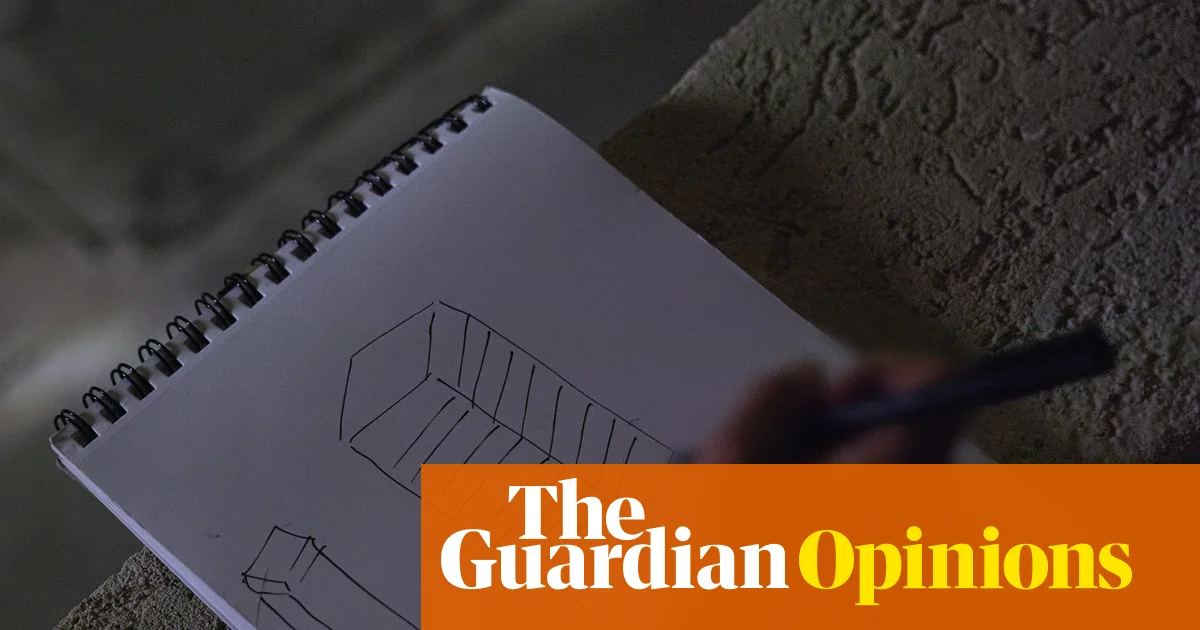
我前几天观看了由奥斯卡获奖以色列电影制作人Yuval Abraham和Rachel Szor制作的《卫报》出品的一部非凡新纪录片,自那以后我一直无法停止思考它。影片的标题源自一个希伯来语军事术语,指副作用损害,影片由数十名以色列士兵和情报官员在黑暗中接受的眼界大开的访谈组成,他们常坐在特拉维夫的屋顶上,声音经过“数字处理以掩饰身份”。
I watched the extraordinary new Guardian-produced documentary from Oscar-winning Israeli film-makers Yuval Abraham and Rachel Szor the other night, and I have struggled to stop thinking about it ever since. The film`s title comes from a Hebrew military term for collateral damage, and it consists of eye-opening interviews with two dozen Israeli soldiers and intelligence officers sitting in darkness, often on the rooftops of Tel Aviv, their voices “digitally altered to disguise their identities”.
在某个时刻,Abraham向其中一名士兵提出了一个令人震惊的直白问题。“你认为这是种族灭绝吗?”
At one point, Abraham asks one of the soldiers a remarkably blunt question. “Do you think it`s a genocide?”
“是的,”士兵回答。“完全如此。”他指向他所说的“有意”杀害巴勒斯坦平民的行为,包括儿童。
“Yes,” the soldier replies. “Completely.”He points to what he describes as the “intentional” killing of Palestinian civilians, including children.
“我们必须如实描述事物。”这句话可以作为影片的副标题。因为过去三年里,实际上围绕加沙有两场战争:战争本身,以及关于我们被允许如何描述它的战争。
“We have to describe things as they really are.”That sentence could serve as the film`s subtitle. Because for the past three years, there have in effect been two wars over Gaza: the war itself, and the war over how we are allowed to describe it.
以色列是在针对平民设施——还是哈马斯只是在使用“人体盾牌”?
Has Israel been targeting civilian sites – or is Hamas simply using “human shields”?
巴勒斯坦儿童是被有意识地杀害——还是即使提出这一指控也被视为反犹太的“血祭诽谤”?
Were Palestinian children knowingly killed – or is even making that claim anti-Jewish “blood libel”?
饥饿的巴勒斯坦人在寻找食物时被枪杀——还是哈马斯对这些死亡负责?
Were hungry Palestinians shot while seeking food – or was Hamas responsible for those killings?
许多巴勒斯坦死者真的是平民——还是其中大量人员其实是“恐怖分子”?
Are many of the Palestinian dead really civilians – or are huge numbers of them “terrorists”?
以色列军队在加沙的行为是否值得与大屠杀相比较——还是提出这种比较本身就是反犹太主义的证据?
Does the Israeli military`s conduct in Gaza invite comparisons to the Holocaust – or is making such a comparison itself evidence of antisemitism?
NAZA之所以重要,是因为一个接一个的实际参与加沙战争监视和杀戮基础设施建设的以色列人自己在这些问题上发表了看法。而他们的说法相当令人震惊。
NAZA matters because, one after another, Israelis who actually participated in the surveillance and killing infrastructure of the Gaza war weigh in on these issues themselves. And what they say is pretty devastating.
过去几年里,我一直在就一些问题与以色列最坚定的支持者们进行辩论——在纽约的“公开辩论”现场舞台、多伦多的 munk 辩论会、有线新闻节目,以及皮尔斯·摩根的YouTube节目上。
I have spent the past few years debating some of Israels most committed defenders – on the live stages of Open to Debate in New York and the Munk Debates in Toronto, on cable news, and on Piers Morgans YouTube show.
我希望他们每个人都能坐下来观看《NAZA》全片80分钟。不是因为影片中包含我另一个论点。而是因为影片中包含了他们以为自己站在一边的那一方的证词。
I wish every one of them would sit down and watch all 80 minutes of NAZA. Not because the film contains another argument from me. Because it contains testimony from precisely the side they think they`re on.
以色列及其支持者反复宣称的“人盾”辩护认为,以色列在加沙面临着“哈马斯人盾战略”,即“哈马斯故意将其战斗员嵌入平民区”。
The ‘human shields` defense Israel and its supporters have repeatedly claimed that Israel is confronted by the “Hamas human shield strategy” in Gaza, in which “Hamas deliberately embeds its fighters within civilian areas”.
在《NAZA》中,以色列军方和情报消息来源削弱了这一辩护。例如,影片中一位以色列消息来源阐述了由人工智能主导的策略,用于夜间追踪然后轰炸哈马斯指挥官——就在他们家中,伴随他们的家人。他说:“哈马斯在某些情况下使用人盾,但关于私人住宅的人盾说法是荒谬的。这根本不真实。我们在住宅里轰炸他们,因为那是我们找到他们的方式。” “他们只是回家睡觉。那就是我们抓到他们的地方。” 平民并未掩护目标。目标是被以色列追踪的。
In NAZA, Israeli military and intelligence sources undermine that defense. Listen, for example, to the Israeli source in NAZA who unpacks the AI-led strategy to track and then bomb Hamas commanders at night, in their homes, alongside their families. “Hamas uses human shields in some cases but the human shield claim about private houses is absurd. Its just not true. We bomb them in houses because thats how we find them,” he said. “They just come home to sleep. That`s where we catch them.”The civilians were not shielding the target. The target was followed by Israel .
儿童 有人声称,媒体对加沙被杀害的巴勒斯坦儿童的报道构成“血祭诬告”,并唤起“犹太人杀童”的古老形象。
The children Some have claimed that media coverage of Palestinian children killed in Gaza constitutes “blood libel” and stirs ancient images of “the child-killing Jew”.
“问问以色列是如何能以如此致命的精准度瞄准无辜儿童的,没有人能告诉你,”著名英国小说家霍华德·雅各布森写道。“问问他们为何想瞄准无辜儿童……也没有人能告诉你这一点。” 《NAZA》平息了这一争论:指出以色列明知故犯地在加沙杀害儿童,并不构成反犹太主义的血祭诬告。一位以色列情报消息来源描述了他能够入侵一名12岁巴勒斯坦女孩的手机,以便判断她父亲——实际目标——何时可能返回家中。此时,该房屋可能被轰炸。
“Ask how Israel is able to target innocent children with such deadly accuracy and no one can tell you,” the celebrated British novelist Howard Jacobson wrote. “Ask why they would want to target innocent children … and no one can tell you that either.”NAZA settles the argument: it is not antisemitic blood libel to point out that Israel knowingly killed children in Gaza. One Israeli intelligence source describes being able to hack the phone of a 12-year-old Palestinian girl in order to figure out when her father – the actual target – might return home. At that point, the house could be bombed.
亚伯拉罕提出了一个显而易见的问题。那个12岁女孩会发生什么?“你黑进她的手机,然后杀死她,”来了这样的回答。
Abraham asks the obvious question. What happens to the 12-year-old girl? “You hack her phone and then kill her,” comes the reply.
或许最令人寒心的不是答案的内容,而是它的表达方式:平静、毫无感情、几乎像官僚一样。
What is perhaps most chilling is not merely the content of the answer but its delivery: calm, matter-of-fact, almost bureaucratic.
另一位以色列受访者回忆起一个男孩进入军方控制区的情景。“他什么也没做,”士兵说,“他们把他炸了。”随后出现了这部已经令人震惊的影片中最令人恐惧的细节之一:据该士兵称,尸体被留给狗吃。
Another Israeli interviewee recalls a boy entering a military-controlled zone. “He didn`t do anything,” the soldier says. “They bombed him.”Then comes one of the most horrifying details in an already horrifying film: according to the soldier, corpses are left to be eaten by dogs.
因此,问题或许不再是:以色列军队为何会杀害儿童?而是:我们被期望忽视多少关于以色列军队杀害儿童的证词?
So perhaps the question is no longer: why would Israeli forces ever kill children? Perhaps the question instead should be: how much Israeli testimony describing the killing of children are we expected to ignore?
“恐怖分子”人数 尽管发生了如此大规模的屠杀,一些军事专家仍在坚持认为,以色列在加沙实现了历史上最低的平民与战斗员伤亡比例,并且毫无批判地重复以色列的说法,即有超过24,000名战斗员被杀死。
The ‘terrorist` body count Some military experts are still, after all the slaughter, arguing that Israel achieved a historically low civilian-to-combatant casualty ratio in Gaza, while uncritically parroting Israeli claims that more than 24,000 combatants had been killed.
但《NAZA》提出了一个相当根本的问题:谁才算是“战斗员”?
But NAZA raises a rather fundamental question. Who gets counted as a “combatant”?
以色列士兵和情报官员描述了加沙北部的“消灭区”:在这些区域内,越过看不见边界的巴勒斯坦平民可能被杀死。“进入该区域的人必须死,”一位受访者说部队曾被这样告知。
Israeli soldiers and intelligence officials describe “annihilation zones” in northern Gaza in which Palestinian civilians who crossed invisible boundaries could be killed. “Anyone who enters the zone needs to die,” one interviewee says the troops were told.
他的部队在这样的区域内杀死了140名无武装的人。然而,他说,他们仍然被算作恐怖分子。“无论你决定杀死谁,都会被视为恐怖分子。”食物队伍 当2025年有报道称巴勒斯坦人在食物分发点附近被射杀时,以色列的支持者们辩称是哈马斯实施了杀戮。
His unit killed 140 unarmed people in such zones. Yet, he says, they were counted as terrorists anyway. “Whoever you decided to kill was considered a terrorist.”The food lines When reports emerged of Palestinians being shot around food-distribution sites in 2025, supporters of Israel argued that Hamas did the killing.
然而,如果他们观看了《NAZA》,他们就会听到以色列士兵和情报官员轻描淡写地描述:以色列军队狙击手如何射杀那些挤出队伍、像“蚂蚁”一样涌向食物分发点的饥饿绝望的巴勒斯坦人。
If they watched NAZA, however, they would hear Israeli soldiers and intelligence officials breezily describe how Israeli military snipers gunned down hungry and desperate Palestinians who had stepped out of line to swarm the food distribution sites like “ants”.
一位受访者告诉亚伯拉罕:“三支独立的士兵部队在民众试图前往领取食物时对其进行屠杀。”他们没有提到哈马斯。
One interviewee tells Abraham how “three separate teams of soldiers would massacre the population” as they tried to reach the food. They did not mention Hamas.
支持以色列的人长期以来一直反对将以色列政府与第三帝国进行比较。2026年6月,以色列记者、巴里·魏斯(Bari Weiss)旗下《自由新闻》(Free Press)中东分析员哈维夫·雷蒂格·古尔(Haviv Rettig Gur)发表了一篇题为《为何加沙战争无法与大屠杀相比》的文章。古尔称这种比较是“一种令人难以置信的冷酷颠倒”,并认为其目的正是“把犹太人变成纳粹”。
Comparisons Supporters of Israel have long balked at comparisons between Israels government and the Third Reich. In June 2026, Haviv Rettig Gur, Israeli journalist and Middle East analyst at Bari Weisss Free Press, published an essay titled: “Why the Gaza war cannot be compared to the Holocaust”. Gur called the comparison an “inversion so callous it`s hard to believe” and argued that its purpose was specifically “to make the Jews into the Nazis”.
在《纳扎》(NAZA)中,一名痛苦的以色列士兵向亚伯拉罕讲述,他小时候曾去波兰旅行,从很小的时候就开始学习纳粹的历史,并疑惑那些体现“纯粹邪恶”的德国人如何能“与自己共处”。
In NAZA, an anguished Israeli soldier tells Abraham that he visited Poland as a school kid, studied the Nazis from a very early age, and wondered how such Germans, the embodiment of “pure evil”, could “live with themselves”.
如今,作为一名成年人和加沙战争的老兵,他说:“我理解了。”他透露,他和战友们曾在加沙地带炸毁房屋,随后又返回校园继续读书。在一段令人心碎的台词中,他说:“我仍然认为那些纳粹是邪恶的,但这说明我是什么?”可以理解的是,这种比较在以色列人中引发了特别敏感的反应。正如亚伯拉罕在最近的一期《哈雷茨》播客中所强调的,他并不感兴趣于进行“简单直接的比较”。相反,他认为大屠杀蕴含着普遍的教训——即个体如何参与到非人化体系中。
Now, as an adult and as a veteran of Gaza, he says, “I understand it,” revealing how he and his fellow soldiers blew up homes in the strip and then returned to their university degrees. In a haunting line, he says: “I still see those Nazis as evil, but what does that mean I am?”Understandably, the comparison triggers particularly sensitive reactions among Israelis, and as Abraham himself emphasized in a recent Haaretz podcast, he isn`t interested in a “simplistic and direct comparison”. Rather, he believes the Holocaust holds universal lessons about how individuals contribute to systems of dehumanization.
“他在理解施暴者的角色,”亚伯拉罕谈到这名士兵时说。“当我们说‘永不再次’时,其中一部分就是关于理解非人化的模式。”这名以色列老兵究竟是在参与一场偏见宣传运动?还是他有东西可以教给我们,当一个整个民族被非人化时会发生什么?《纳扎》引发了以色列官员的激烈反应。
“He understood something about being a perpetrator,” Abraham said of the soldier. “When we use the words ‘never again, part of that is about understanding patterns of dehumanization.”Is this Israeli veteran really engaged in a bigoted propaganda campaign? Or does he have something to teach us about what happens when an entire people are dehumanized? The ‘blood libel NAZA has provoked incendiary responses from officials in Israel.
前以色列总理纳夫塔利·贝内特(Naftali Bennett)谴责这部纪录片是“对我们儿子女儿的恐怖血祭诬告”。以色列军方参谋长埃亚尔·扎米尔(Eyal Zamir)也援引了“血祭诬告”的说法。
Former Israeli prime minister Naftali Bennett denounced the documentary as a “horrific blood libel against our sons and daughters”. Israel`s military chief, Eyal Zamir, invoked the language of “blood libel” too.
他们的言论已经到了无法模仿的地步。我们已经对以色列官员抹黑和非人化巴勒斯坦目击者的行为麻木不仁。但我们真的被期望相信,这些以色列军方内部人士和目击者是在进行血祭诬蔑……吗?
Their rhetoric is beyond parody. We have become numb to Israeli officials smearing and dehumanizing Palestinian eyewitnesses. But are we seriously expected to believe that these Israeli military insiders and eyewitnesses are blood-libeling … ?
对以色列及其辩护者而言,一个令人不安却无可否认的事实是:在短短不到90分钟的时间里,24名以色列士兵和情报官员,无论是有意还是无意,完全揭露了长达36个月的毫无根据的宣传、敷衍的论点和令人作呕的谎言。不要相信我说的话。相信他们的话。梅赫迪·哈桑是Zeteo的首席执行官兼总编辑。
The inconvenient yet undeniable truth for Israel and its apologists is that over the course of less than 90 minutes, 24 Israeli soldiers and intelligence officials have, wittingly or unwittingly, fully exposed 36 months of baseless propaganda, lazy talking points and disgusting lies. Don`t take my word for it. Take theirs. Mehdi Hasan is the CEO and editor-in-chief of Zeteo