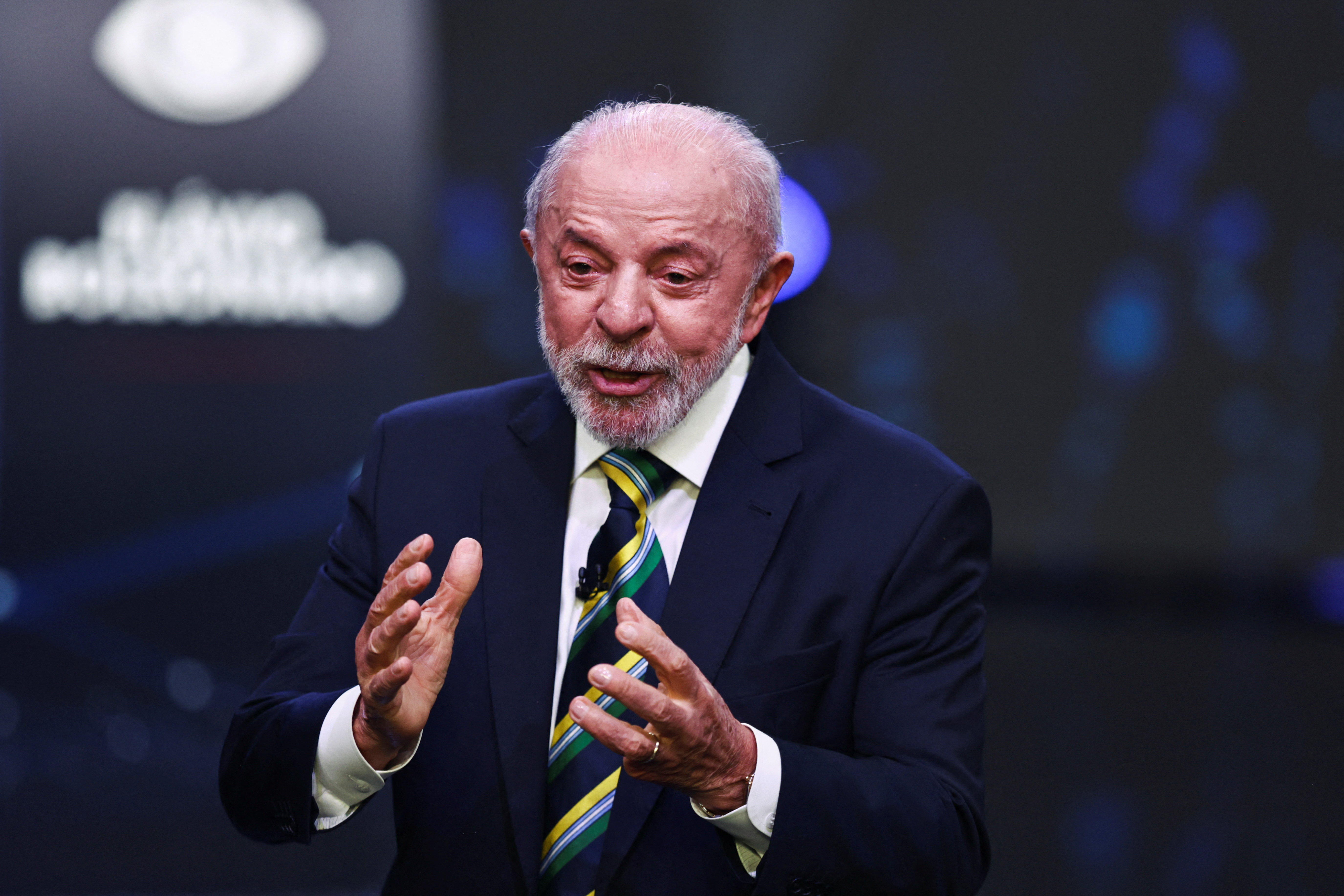
巴西规划部周一表示,为落实总统路易斯·伊纳西奥·卢拉·达席尔瓦最近宣布的政策所需的预算调整,金额约为200亿雷亚尔(约39.5亿美元),即2027年预算中的数额。
该部门在声明中称,这一数额仅占巴西财政框架下受支出限制的总初级支出的1%多一点,并补充称,这些调整将在保持总体支出上限和政府初级预算目标的前提下进行。
Brazil's Planning Ministry said on Monday that the budget reallocations needed to accommodate measures recently announced by President Luiz Inacio Lula da Silva as he seeks re-election in next Sunday's vote amount to about 20 billion reais ($3.95 billion) in the 2027 budget.
左翼卢拉在周日的决选前推出了一系列政策,此前他在首轮投票中落后于右翼参议员弗拉维奥·博尔索纳罗。公告内容从免费全国周末公共交通(尚未正式提交国会)到已经实施的 Bolsa Familia 福利计划增加15%。政府表示,仅 Bolsa Familia 的增加在2027年将花费220亿雷亚尔。规划部未说明如何通过预算调整为更广泛的政策包融资所需的金额会低于该数额。
该部门称,公开流传的关于总财政影响的估计错误地将具有不同资金来源和实施时间表的政策混为一谈,认为一些政策,如燃油税减免,已通过更高的石油相关收入抵消。它补充称,公共政策的实施不应自动被视为选举驱动的支出。
In a statement, the ministry said the amount represents just over 1% of total primary expenditure subject to spending limits under Brazil's fiscal framework, adding such adjustments will be made while preserving both the overall spending cap and the government's primary budget target. Leftist Lula has unveiled a string of measures ahead of Sunday's runoff after trailing right-wing Senator Flavio Bolsonaro in the first round Announcements range from free nationwide weekend public transport, which has yet to be formally submitted to Congress, to a 15% increase in the Bolsa Familia welfare program that is already being implemented The government said the Bolsa Familia increase alone would cost 22 billion reais in 2027 The Planning Ministry did not explain how the budget reallocations required to fund the broader package of measures would amount to less than that The ministry said estimates circulating publicly about the total fiscal impact wrongly combine measures with different funding sources and implementation timelines, arguing some policies, such as fuel tax relief, have been offset by higher oil-related revenue It added that public policy implementation should not automatically be viewed as election-driven spending