日本正在全力推动复兴其芯片产业,但其最新投资凸显了东京正被卷入帮助美国建设自身半导体产业的局面。
Japan is in the midst of a major push to revive its chip sector, but its latest investments show how Tokyo is being pulled into helping the US build up its own semiconductor industry.
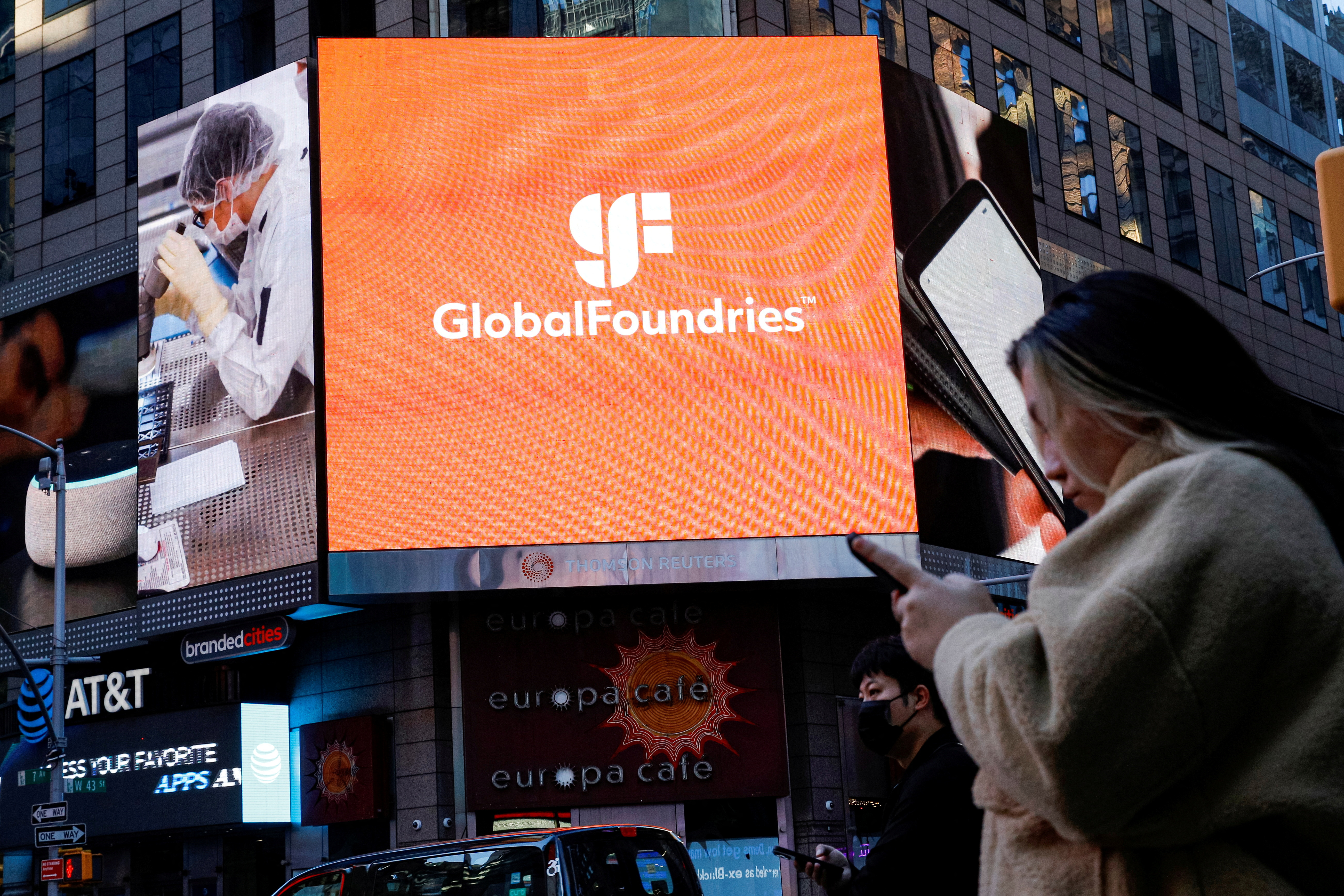
日本将投资高达210亿美元,在纽约州建设两家芯片工厂,这一计划由GlobalFoundries(GFS.O)上周宣布,该公司由阿布扎比主权财富基金穆巴达拉投资公司(Mubadala Investment Co.)控股。
Japan will invest up to $21 billion to build two chip factories in New York state, under a deal announced last week by GlobalFoundries (GFS.O), which is majority-owned by Abu Dhabi's sovereign wealth fund, Mubadala Investment Co.
这是日本与特朗普政府达成的、以换取降低关税为条件而承诺向美国投资5500亿美元的一部分。根据该协议,美国总统 — 而非日本 — 有权选择投资项目。
It is part of a pledge to invest $550 billion in the US made with the Trump administration in return for lower tariffs. Under that deal, the US president - not Japan - gets to select the projects.
这表明,日本为维持与世界最大经济体及其最亲密安全伙伴美国的贸易关系所付出的代价。但专家表示,这一于2025年7月达成的承诺,对复兴日本芯片产业作用有限,且对提升其供应链韧性的影响也将有限。
That shows the price Japan is paying to maintain trade relations with the US, the world's largest economy and its closest security partner. But the pledge, agreed to in July 2025, will not do much to resurrect Japan's chip industry and will have a limited impact on improving its supply chain resilience, experts said.
“日本正在为美国的半导体产能买单,但未必能获得其所期望的先进芯片技术或国内制造能力,”White Oak Capital的投资总监Nori Chiou表示。
"Japan is funding US semiconductor capacity without necessarily gaining much of the advanced chip technology or domestic manufacturing capabilities it wants," said Nori Chiou, investment director at White Oak Capital.
去年,美国总统唐纳德·特朗普对全球国家征收关税,试图缩小美国贸易逆差,韩国和台湾政府也作出了投资承诺。
US President Donald Trump imposed tariffs on countries around the world last year to try to shrink the US trade deficit, with governments in South Korea and Taiwan also making investment pledges.
这并非日本首次因芯片问题而被美国牵着走。上世纪80年代,作为全球芯片制造中心的日本曾同意限制对美半导体出口,那段时期的记忆至今仍是东京官僚们心中的痛处。
It is not the first time that Japan has been pushed around by the US over chips. In the 1980s, Japan - the globally dominant chipmaking centre - agreed to restrict semiconductor exports to the US, with memories of that period remaining a sore point for bureaucrats in Tokyo.
“对美投资最终是应对特朗普的一种手段。其核心在于争取时间,以维持日美关系,”一位不愿具名的日本政府消息人士称,因该议题具有政治敏感性。
"Investment in the US is, ultimately, a measure for dealing with Trump. It is essentially about buying time in order to maintain the US-Japan relationship," said a Japanese government source, who declined to be named as the issue is politically contentious.
本月早些时候,日本产业大臣赤泽亮正在被问及企业对美投资是否会削弱对日投资时表示:“我们认为,对美投资和国内增长性投资完全可以兼容。”他上周还表示:“日本是美国维持其在经济、安全和技术方面霸权地位不可或缺的伙伴。”赤泽曾在之前的职位中谈判达成了该投资承诺。
Earlier this month, Japanese industry minister Ryosei Akazawa, when asked if corporate investment in the US could weaken investment in Japan, said: "We believe that investment in the US and domestic growth investment are entirely compatible." "Japan is a partner the US cannot do without to maintain its supremacy as a hegemonic power in economic, security and technological terms," Akazawa said last week. He negotiated the investment pledge in a previous role.
该投资将惠及东京电子(8035.T)等日本设备制造商,其收益因人工智能热潮而激增,而客户将包括瑞萨电子(6723.T),格罗方德公司首席执行官蒂姆·布林曾如此表示。
The investment will benefit Japanese equipment manufacturers like Tokyo Electron (8035.T), whose earnings have swelled due to the AI boom, while customers will include Renesas Electronics (6723.T), GlobalFoundries CEO Tim Breen has said.
东京需要为芯片工厂筹措融资,其他先前宣布的项目还包括石油和天然气相关投资以及小型核反应堆。
Tokyo needs to arrange financing for the chip factories, with other previously announced projects including oil and natural gas-related investments and small nuclear reactors.
国际合作银行(由国家支持)和商业银行将提供贷款,并由日本出口及投资保险公司提供担保。
The state-backed Japan Bank for International Cooperation and commercial banks will provide loans, with guarantees from Nippon Export and Investment Insurance.
由于需要筹集大量美元的成本高昂,日本银行一直不愿参与,东京正寻求摩根大通及其他美国银行的帮助,路透社曾这样报道。
Japanese banks have been reluctant to participate due to the cost of acquiring the large amount of US dollars required, with Tokyo looking to JPMorgan and other US banks for help, Reuters has reported.
日本并不富裕,其发达国家中债务占GDP比率最高,且投资者对首相高市早苗的财政扩张计划表示担忧。
Japan is hardly flush with cash, with the highest debt-to-GDP ratio in the developed world and investor concerns about Prime Minister Sanae Takaichi's fiscal expansion plans.
高市早苗计划在2040财年前,通过公私合作在17个日本战略领域(包括人工智能和芯片)投入总计约2.3万亿美元。
Takaichi has ambitions to pour public-private investment totalling some $2.3 trillion through fiscal 2040 across 17 strategic Japanese sectors, including AI and chips.
随着经济安全成为首要关注点,政府的思路已转变为认为在日本拥有制造基地极其重要。一位政府消息人士透露了这一观点,但因该议题具有政治争议性,要求不具名。
As economic security has become front of mind, the government's thinking has shifted to the view that having a manufacturing base in Japan is extremely important, said a government source who declined to be named because the matter is politically contentious.
日本旗舰芯片行业项目是Rapidus,该项目计划从明年开始大规模生产尖端芯片,但业界普遍持怀疑态度。
Japan's flagship chip-sector project is Rapidus, which seeks to mass-produce cutting-edge chips starting next year but is widely viewed with scepticism by the industry.
东京也在支持机器人AI公司Noetra,并向台积电(2330.TW)、美光(MU.O)和铠侠(285A.T)提供补贴,以在日本设立芯片制造产能。
Tokyo is also backing robot AI company Noetra and has provided subsidies to TSMC (2330.TW), Micron (MU.O) and Kioxia (285A.T) to locate chipmaking capacity in Japan.
如果美国制造的芯片能够融入日本的半导体供应链,则无需全部在国内生产,第一位政府消息人士表示。
If US-made chips can be integrated into Japan's semiconductor supply chain, there is no need for everything to be produced domestically, the first government source said.
“无论(芯片厂投资)是否成功,日本只能将其视为一种税收,”早稻田大学教授奥山内淳说道。
"Whether (the chip factory investment) works out or not, Japan will just have to regard it as a tax," said Atsushi Osanai, a professor at Waseda University.